


Winter may be one of the most exciting and fun times of the year, but like all weather, it can be dangerous and unpredictable. This current winter snow in Japan has been particularly dangerous for citizens across the northern prefectures.
At the beginning of this year, Japan received a staggering 333 centimeters of snow, or nearly eleven feet. This extreme winter weather has resulted in thirty deaths across Hokkaido and seven other prefectures. Let’s take a closer look at these blizzards and find out where they happened and how to remain safe during winter storms in Japan.
A Massive Blizzard Buried Several Northern Prefectures in Japan
In late January, a strong winter pressure system brought severe weather to Japan. Since January 20, thirty people in the north have died from snow-related causes. On January 21, in Sumon, Uonuma, Niigata Prefecture, about 11 feet of snow fell during the storm. Such heavy snowfall is extremely rare in Japan.
Among the victims was an 85-year-old woman found in a waterway in Mogami, Yamagata Prefecture. Evidence is limited, but she likely fell while clearing snow. She was taken to a nearby hospital and pronounced dead, marking another tragic loss in this harsh winter.
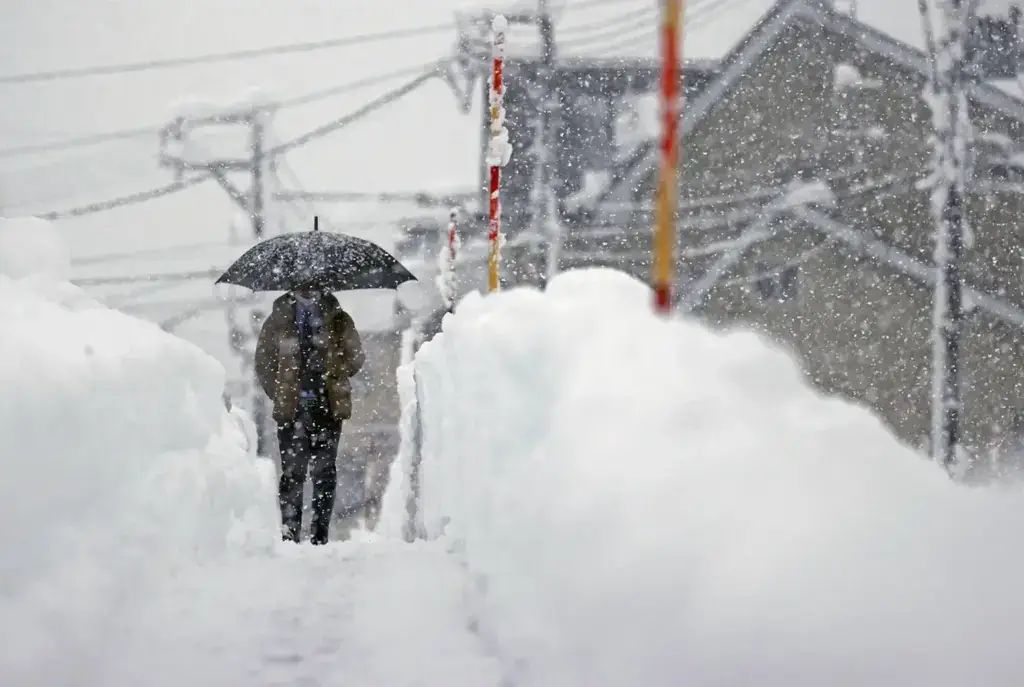
How to Stay Safe During Extreme Cold
No matter where you spend winter—at home or abroad—never take cold weather lightly. Always follow safety measures to prevent serious or deadly accidents in extreme conditions. A heavy coat and hat help, but staying warm is only the first step.
Always Remember to Dress Appropriately
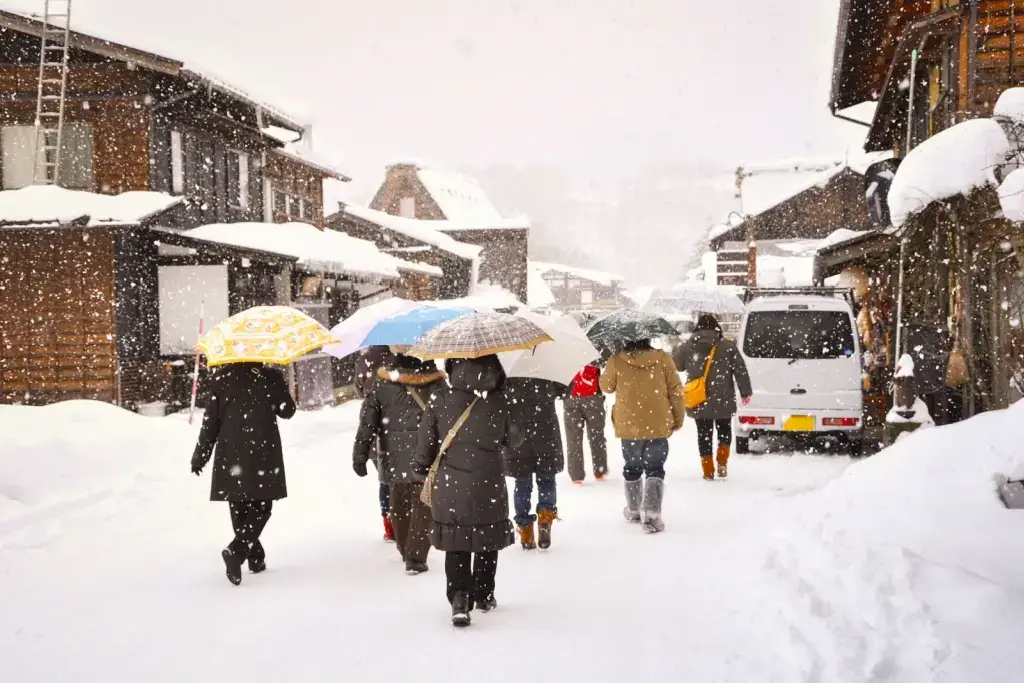
The first and biggest step to ensuring safety during cold weather is to always dress in warm clothing. While some people may be better suited to cold weather and even enjoy it, it is still absolutely necessary to wear ample clothing. Long-sleeve shirts, heavy coats, thick gloves, hats that cover your entire head and ears, lined pants, and water-resistant boots are all essential winter wear.
It is true that for many people, the cold is something they experience between their front doors and their cars, or something they walk through to get to a train station or work, and accidents can and do happen. Keeping your extremities warm is critical, especially when the wind can amplify the cold as it cuts through your clothing. Simple t-shirts, jeans, and walking shoes are not something to wear when you attempt to tackle the snow.
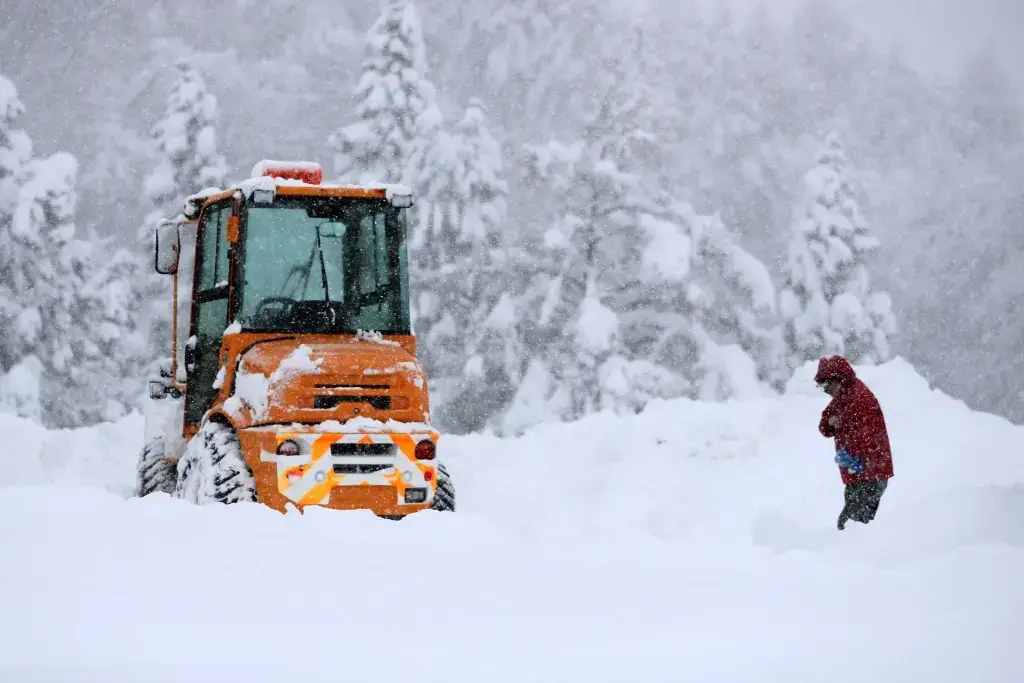
Have Essential Tools and Equipment On Hand
If the forecast calls for snow and/or ice, always make sure you have equipment to handle it. A single step from your front door onto ice-slicked pavement can result in serious injury if you slip and fall. Snow shovels and rock salt are the first tools everyone should have on hand, but in more extreme cases, a pickaxe and a snow thrower are also important.
If a heavy snowstorm receives a period of sleet or rain, that thick, fluffy snow can turn into inches-thick ice instantly. This makes any steps, driveways, and/or sidewalks by your home prime places to slip and fall. Clearing this ice away can take hours, while putting even the most fit individual through their paces in minutes.

Get Help If You Need It
Shoveling snow might seem simple enough, but extreme cold can cause heart attacks in those who may not be conditioned for hard labor. The cold air causes blood vessels to constrict, which makes it more difficult for blood to pump properly into the heart. And because shoveling snow can be an intense upper-body and cardiovascular workout, the added stress can trigger a cardiac event. Always ask for and accept help if you don’t think you have the strength to do the job alone. This will pay off in the long run.
Why should you take care during the winter season?
Winter can bring images of sledding, skiing, building snowmen, and warm afternoons indoors. All of these things are true, and there are plenty of fun and great things to do in the snow, but it’s integral to remember how to stay safe during this time of year, too. No one expects to get caught out in sub-freezing temperatures or to slip and fall alone, but these things do happen. When these incidents occur, they can really put a damper on any winter vacation, whether in Japan or anywhere else.
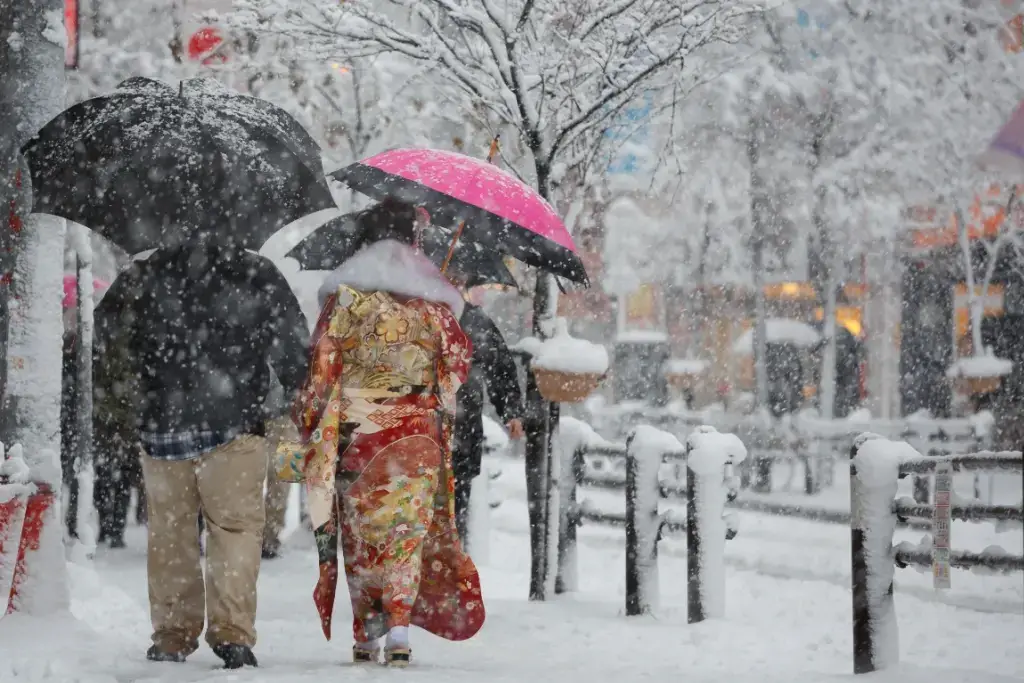
While it might seem as though the worst of the extreme weather may be behind us, it’s important to always be ready for anything during this time of year. Even the smallest and most obvious-seeming tip can save a life. Snow in Japan can be extremely fun and exciting, but it can also be very dangerous. How has your winter been so far? Have you experienced any extreme weather patterns? Let us know in the comments below and share your tips for being prepared this winter.