


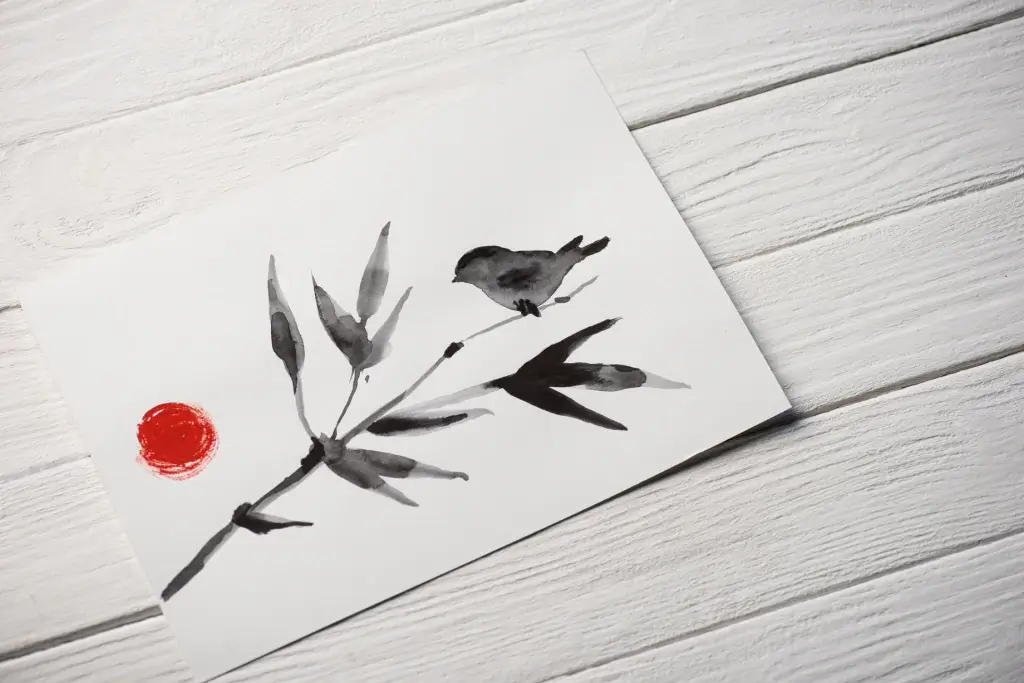
Sumi-e is a style of ink painting that uses black ink to create images with simple brush strokes. The name comes from the Japanese words for ink, sumi, and painting, e. Artists use brushes, ink, and paper to create landscapes, plants, animals, and calligraphy-like forms. Although it appears simple, sumi-e requires careful control of pressure and ink. The tradition developed over centuries and became closely tied to religion and philosophy.
Chinese Origins of Ink Painting
This style did not originally begin in Japan but developed from Chinese ink painting. Early ink wash painting became popular in China during the Tang and Song dynasties. Artists used black ink and brush strokes to capture landscapes, bamboo, birds, and mountains. Instead of focusing on detailed color, painters emphasized movement, balance, and mood. This style became associated with scholarly culture and philosophical ideas.
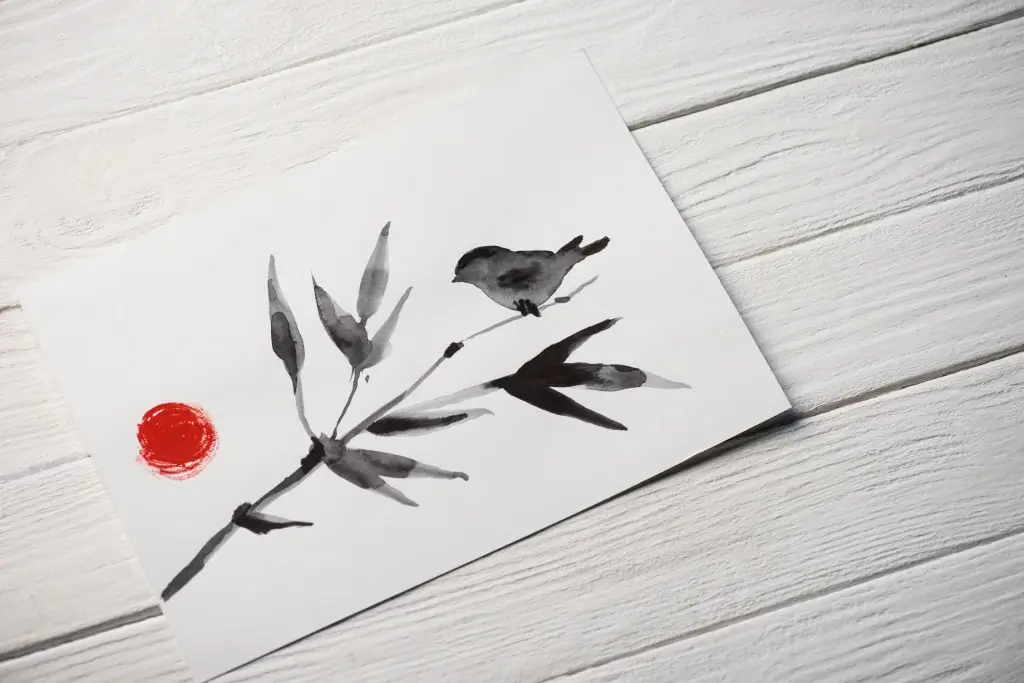
One important influence was Chinese literati painting, which connected art with poetry and calligraphy. Scholars believed painting should express the artist’s inner feelings rather than simply copy reality. Ink painting, therefore, focused on suggestion and atmosphere rather than detailed realism. When these ideas reached Japan, they blended with local artistic traditions. This process eventually led to the development of Japanese sumi-e.
The Arrival of Ink Painting in Japan
Ink painting reached Japan through cultural exchange with China during the medieval period. Zen Buddhist monks played a major role in bringing these techniques to Japan. Many monks traveled to China for study and returned with paintings, calligraphy, and artistic knowledge. The practice became closely linked with Zen Buddhism, which valued simplicity, discipline, and meditation.
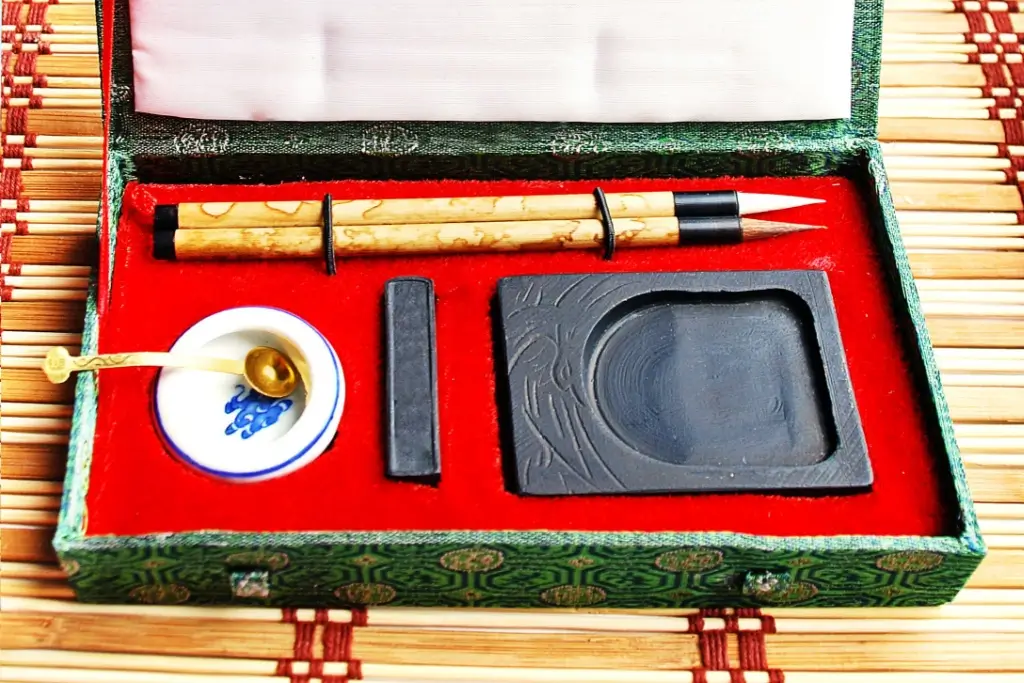
During the Kamakura and Muromachi periods, Japanese monks and artists began practicing ink painting more widely. Monks used painting as both a spiritual practice and an artistic expression. Early Japanese ink paintings often showed quiet landscapes, mountains, and rivers. These subjects reflected the influence of Chinese models while also developing a Japanese approach. Over time, this style became known in Japan as sumi-e.
Are you looking for great snacks after studying Japanese art history? Check out Sakuraco! Sakuraco sends traditional Japanese snacks, teas, and sweets from local makers straight to your door each month!

The Rise of Sumi-e in the Muromachi Period
Sumi-e became especially popular during the Muromachi period. During this time, Zen temples supported artists who practiced ink painting. Cultural exchange between China and Japan continued to influence styles while Japanese painters began creating works that reflected their own landscapes and aesthetics. The use of empty space became an important feature of many paintings, creating a sense of calm and balance.
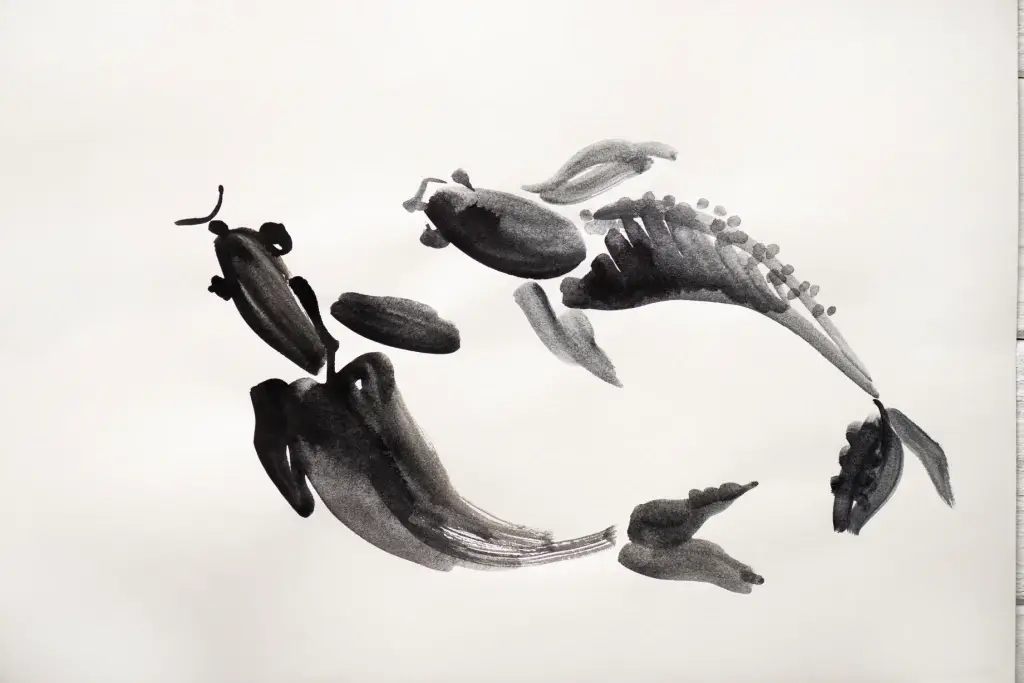
One of the most well-known artists of this period was Sesshū Tōyō. Sesshū studied Chinese painting techniques but developed his own style. His landscapes used bold brush strokes and dramatic compositions. Many historians consider his work to be a turning point in Japanese ink painting. Through artists like Sesshū, sumi-e became recognized as a major art form in Japan. His influence shaped the direction of Japanese painting for generations.
Sumi-e and Japanese Artistic Culture
Over time, sumi-e became connected with several areas of Japanese culture. The style often appeared alongside calligraphy and poetry. Artists sometimes created paintings with written poems to express a shared theme or emotion. The brush techniques used in calligraphy and sumi-e were closely related. Because of this connection, many painters trained in both disciplines created a unified tradition of painting and writing.
This painting style also influenced other art forms in Japan. Ink paintings were often displayed in tokonoma spaces within homes or tea rooms. These alcoves were designed to highlight a single piece of art or seasonal decoration. The simple style of sumi-e matched well with the aesthetic values of the tea ceremony and traditional architecture. Artists used minimal brush strokes to suggest nature rather than draw every detail.
Why Sumi-e Still Matters Today
Sumi-e is still practiced by artists in Japan and around the world today. Many art schools and cultural centers teach the techniques of brush control and ink preparation. The style remains popular because it allows artists to create expressive images with limited materials. Only a few tools are required, including a brush, ink, and paper. Students often spend years learning how to control ink tones and brush movement.
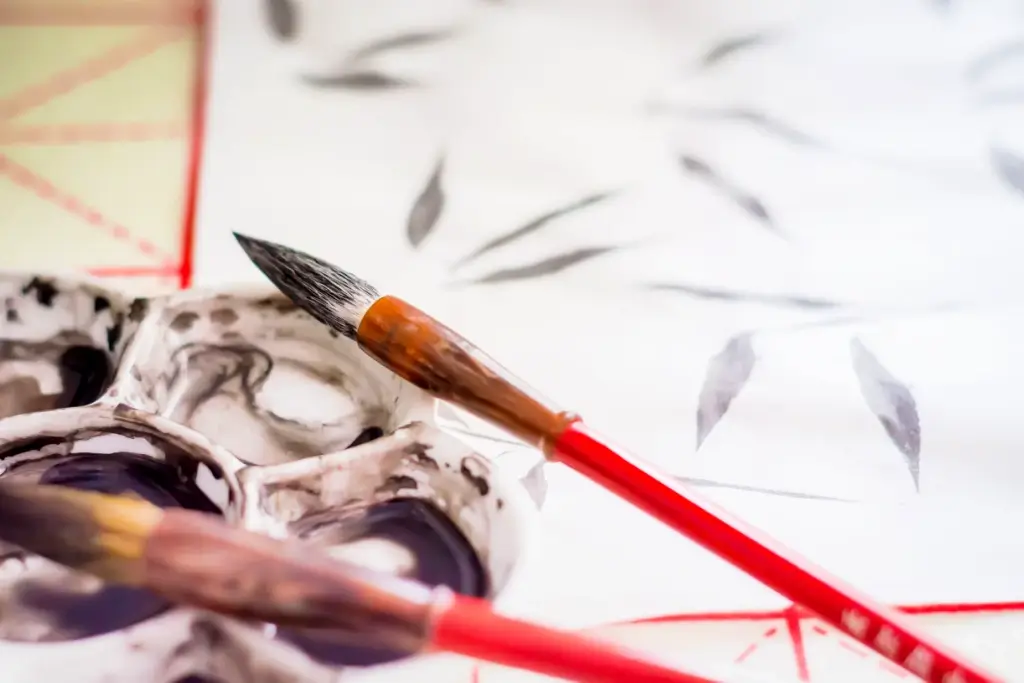
Overall, Zen monks, painters, and scholars all helped shape the development of sumi-e over many centuries. During the Muromachi period, artists refined their style and created works still admired today. Even today, sumi-e continues to influence artists and remains an important part of Japanese cultural history.
Modern artists also continue exploring new ideas within this tradition. Some painters combine traditional techniques with contemporary subjects or abstract forms. Others use sumi-e methods in design, illustration, or calligraphy. The style’s emphasis on balance and simplicity continues to inspire artists today. Museums and galleries around the world display both historical and contemporary ink paintings. Do you have an interest in sumi-e painting? What is your favorite painting? Let us know in the comments below!