


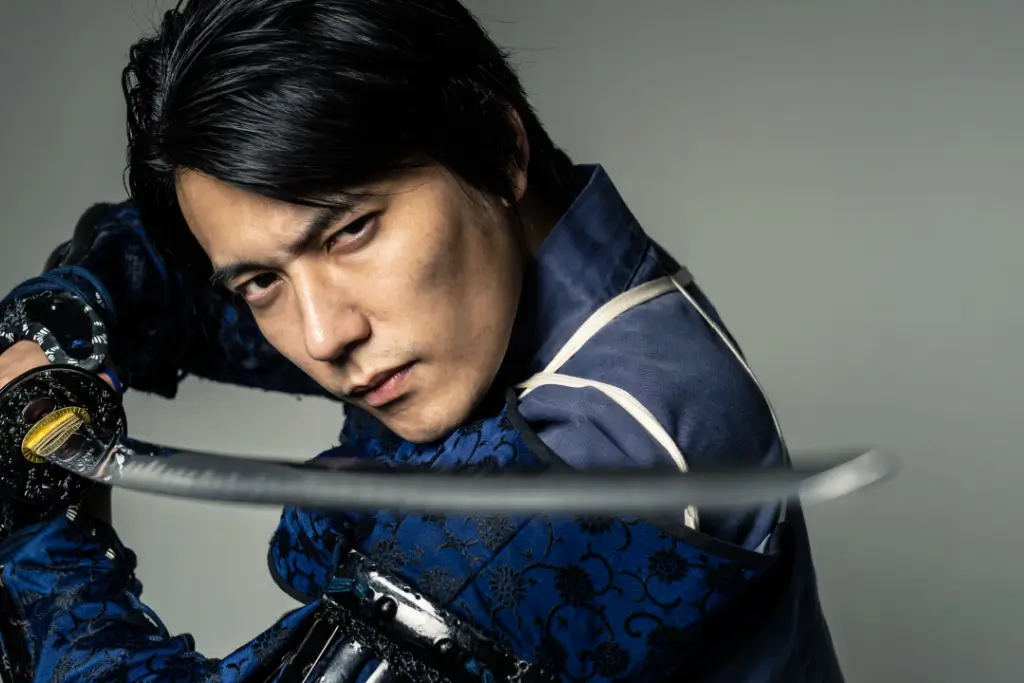
Every year, NHK’s Taiga drama brings Japanese history to life, and in 2026, it returns to the dramatic Sengoku period. This year’s series offers a fresh perspective by focusing on the people behind the famous names. Let’s learn what a Taiga series is, how it has evolved over time, and why this year’s show, Brothers in Arms, is an important and engaging way to understand Japan’s past today.
An Introduction to Taiga Dramas
A Taiga drama is a long-running historical television series produced by NHK, Japan’s national public broadcaster. NHK releases one series of this type each year, with one episode airing weekly from January to December. Most series run for nearly a full year, usually around 48 to 50 episodes, which allows the story to develop at a steady pace.
These shows focus on real people and events from Japanese history. The main characters often include samurai, feudal lords, political leaders, and cultural figures who influenced their era. Many stories take place during important periods such as the Sengoku era (1467-1615), when rival clans fought for control of Japan. The dramas follow characters over many years, showing how their decisions shape their lives and the world around them.
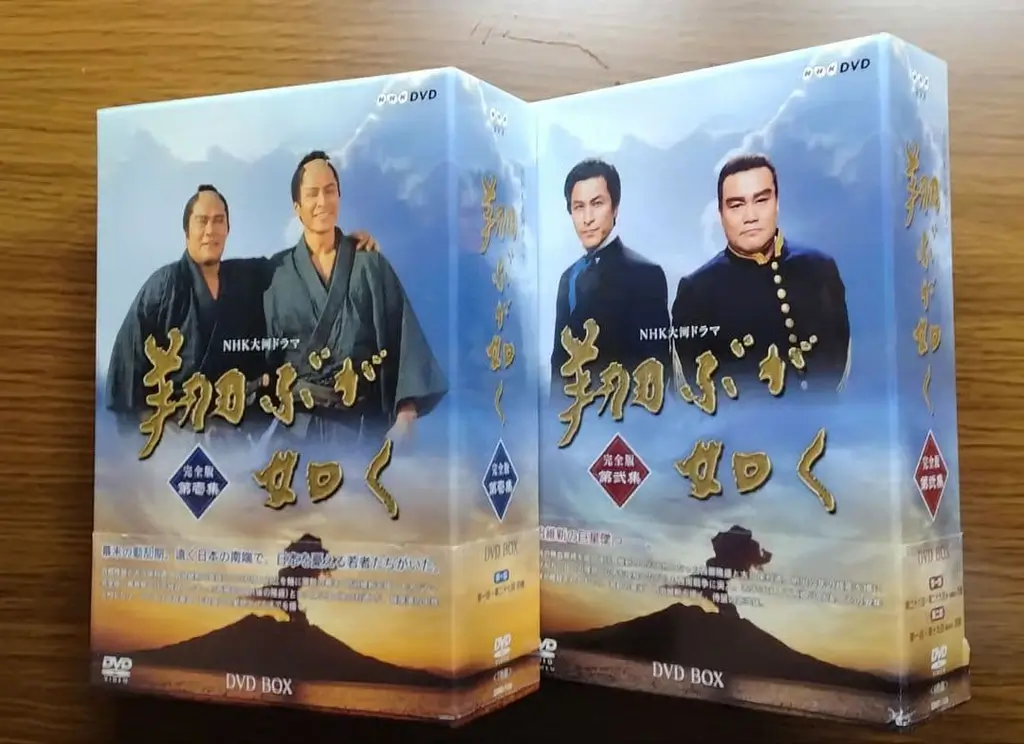
Strong storytelling sets this genre apart. Writers use historical research to build believable characters and settings, while actors bring well-known figures to life with emotional depth. Detailed costumes, traditional architecture, and realistic battle scenes help viewers imagine what life was like in the past. A narrator often explains key events, making complex history easier to follow.
Watching the Taiga is a yearly habit for many people in Japan. Families, history fans, and casual viewers tune in together. Through clear storytelling and rich detail, this genre helps audiences connect with Japan’s history in a way that feels vivid, human, and accessible.
A Brief History of the Taiga Genre
NHK launched the first Taiga series in 1963 with Hana no Shogai, which followed the life of the samurai leader Ii Naosuke. At the time, creating a historical show that would run for an entire year was a bold idea. NHK wanted to make history easy to understand and exciting to watch, and the format quickly captured public interest.
In the 1960s and 1970s, the genre focused heavily on famous samurai, warlords, and political leaders. Many stories set during the Sengoku period, an era marked by battles, shifting alliances, and dramatic power struggles. These early shows helped shape public perceptions of historical figures like Oda Nobunaga and Tokugawa Ieyasu. For many viewers, the genre became their first real introduction to Japanese history.
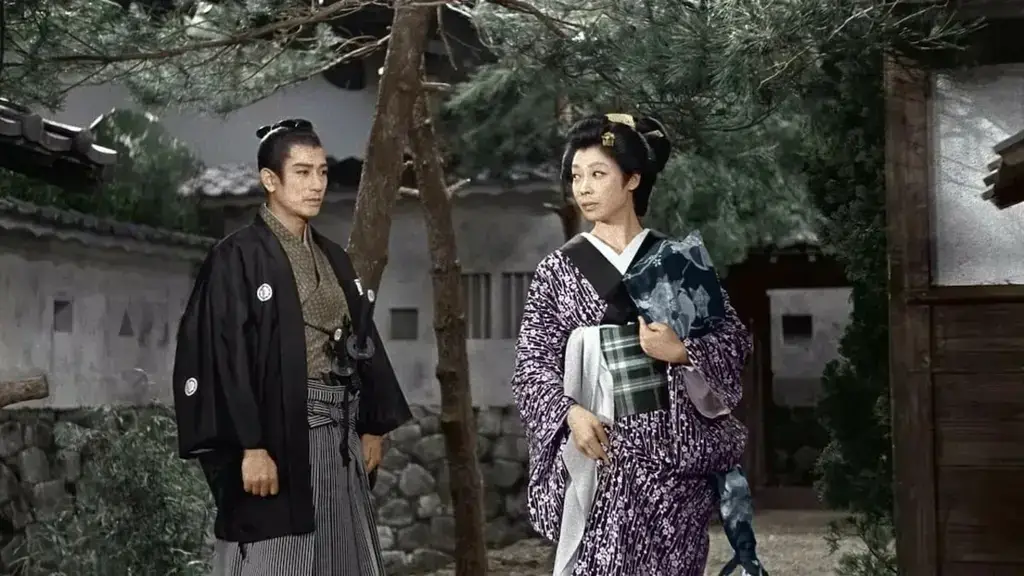
During the 1980s and 1990s, the style of the historical series began to evolve. Writers placed greater attention on emotions, family ties, and personal choices. The stories started to include people who stood outside the spotlight of history, such as women, retainers, merchants, and local leaders. This approach added depth, making the characters feel more human and relatable.
From the 2000s onward, Taiga continued to adapt to modern audiences. NHK improved filming techniques, expanded sets, and used more detailed costumes. Historical research also became more important, with experts advising on language, customs, and daily life. Recent series often highlight specific regions of Japan, which encourages viewers to visit historical sites connected to the story.
Are you looking for great snacks to enjoy while watching your favorite drama? Check out Sakuraco! Sakuraco sends traditional Japanese snacks, teas, and sweets from local makers straight to your door each month.

Inside This Year’s Taiga Drama
The 2026 Taiga series, Toyotomi Kyodai (known in English as Brothers in Arms), takes viewers back to the heart of the Sengoku period (1482-1573), one of the most dramatic eras in Japanese history. The series focuses on the rise of the Toyotomi clan but tells the story from a fresh, emotional angle, centering on Toyotomi Hidenaga, the younger brother of the famous warlord Toyotomi Hideyoshi.
Many people know Hideyoshi as one of the three great unifiers of Japan, but Hidenaga often stays in the background of history books. Brothers in Arms brings him forward. It follows his journey from his early life in Nakamura, present-day Nagoya, to his role as a trusted strategist and supporter during Japan’s violent path toward unification. The story shows how the brothers relied on each other and survived in a world shaped by war, loyalty, and constant change.
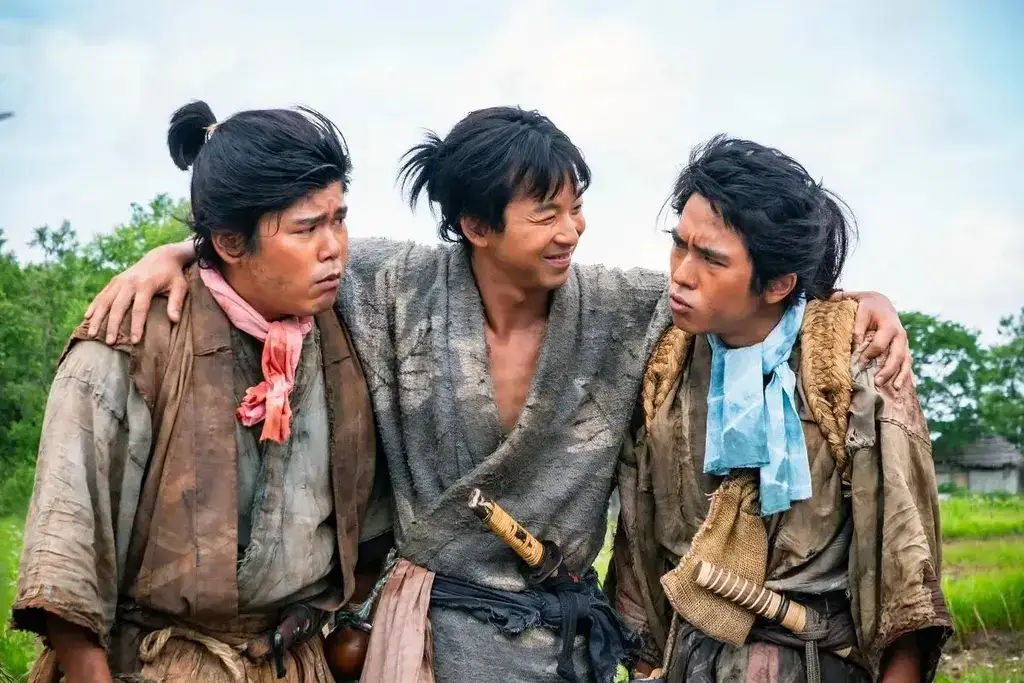
Brothers in Arms also features a strong supporting cast. Oguri Shun plays Oda Nobunaga, the powerful and feared warlord who changes the brothers’ fate. His intense, commanding performance adds tension to the story and highlights the dangerous political landscape the Toyotomi brothers must navigate. Nobunaga’s presence reminds viewers how close ambition and destruction stood during the Sengoku period.
The contrast between the brothers forms the emotional core of the series. Hideyoshi appears ambitious, bold, and driven, while Hidenaga remains calm, thoughtful, and strategic. Their bond gives the story warmth and depth, even during brutal battles and political struggles. With detailed sets, carefully researched costumes, and clear storytelling, NHK makes complex history easy to follow. By focusing on brotherhood and support rather than fame alone, this year’s drama presents the Sengoku period as a deeply human story that still feels relevant today.
Why is it important to know about this year’s Taiga drama?
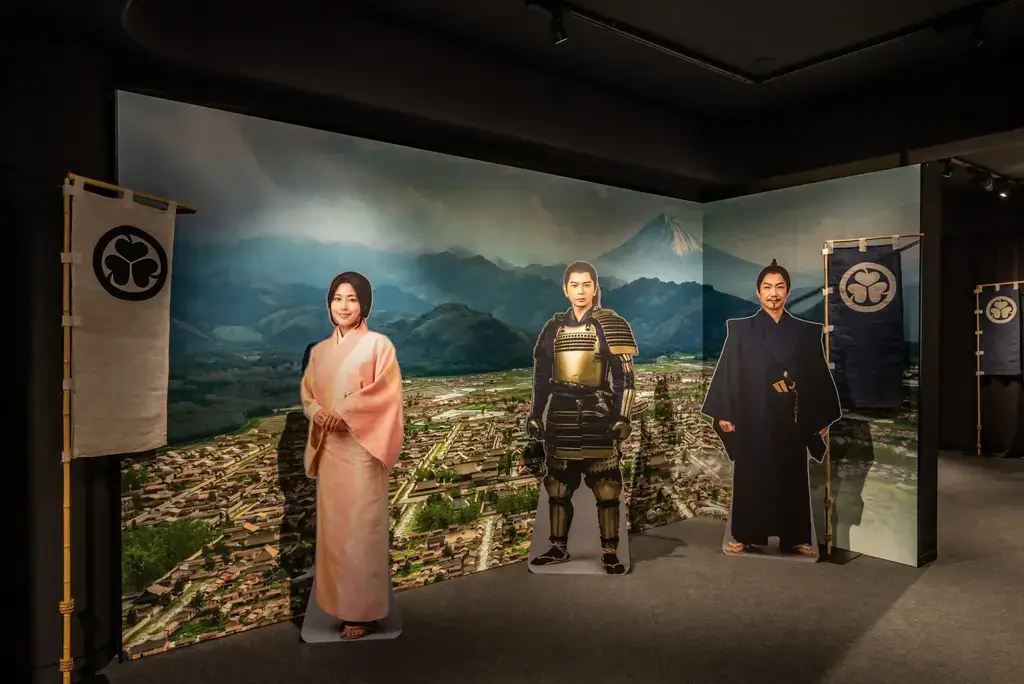
Knowing this year’s Taiga drama matters because Toyotomi Kyodai changes how we view the Sengoku period. By focusing on Toyotomi Hidenaga, it highlights the people who supported great leaders rather than those who stood in the spotlight. The series also shows how family bonds, trust, and strategy shaped history. For viewers today, it offers a clearer, more human way to understand a violent and complex era that still influences Japan’s culture and identity. Does your country have a similar drama series? Let us know in the comments below!
Cited Sources
- The Japan Times. “NHK drama series returns to Sengoku Period spectacle“.
- Nippon.com. ““Taiga” Drama: Stories from Japanese History on Prime-Time TV“.
- Japan Experience. “Watching history: taiga drama“.