


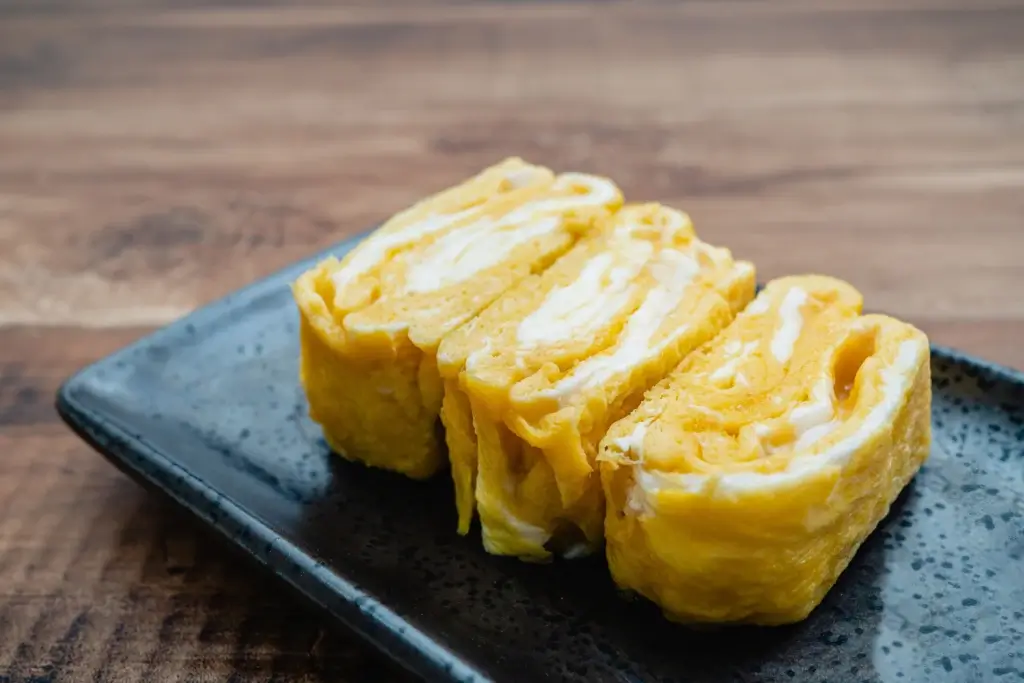
Tamagoyaki is a Japanese rolled omelet commonly found in homes, bento boxes, and restaurants. Although it uses simple ingredients, the preparation method and seasoning choices can create noticeable differences in flavor and texture. Some versions are lightly sweet, while others emphasize savory seasonings, such as soy sauce or dashi. These variations affect how tamagoyaki is experienced and appreciated.
What Tamagoyaki Is and How It Is Made
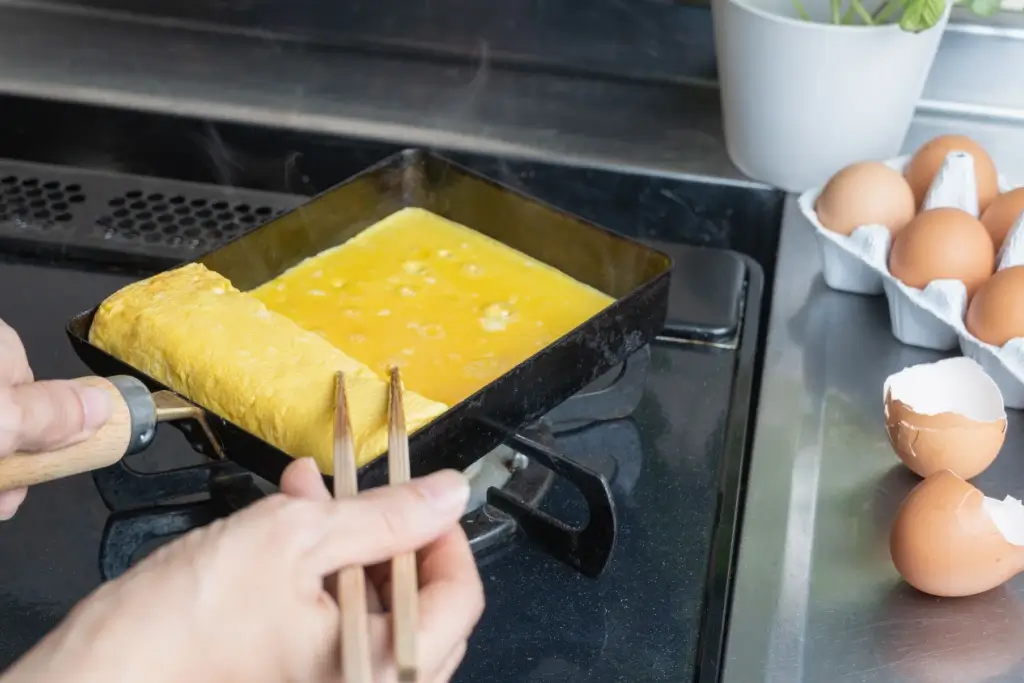
Tamagoyaki is made by cooking beaten eggs in thin layers and rolling them together as they cook. A rectangular pan is commonly used to control shape and thickness. Each layer is added before the previous one fully sets, which helps keep the interior soft. Heat control plays a vital role throughout the process. Small timing changes can affect texture and moisture.
Seasoning varies depending on region, household preference, and intended use. Sugar, soy sauce, mirin, salt, and dashi are the most common ingredients. The balance between these elements determines whether the final dish tastes sweet or savory. Even minor adjustments can noticeably change the outcome. This flexibility explains why tamagoyaki tastes different across settings.
Sweet and Savory Styles of Tamagoyaki
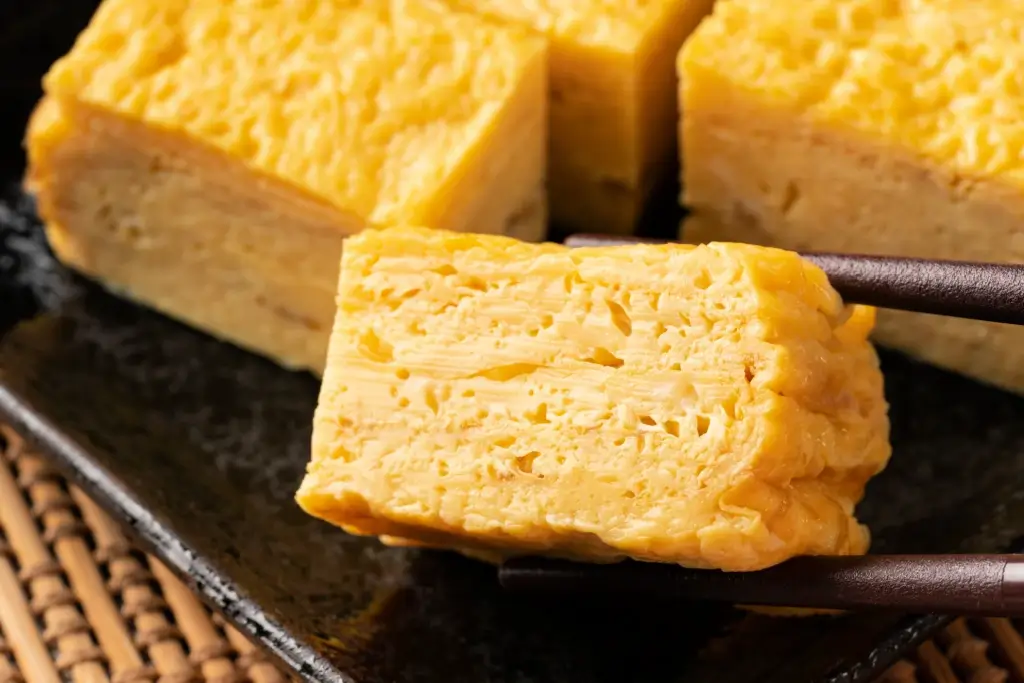
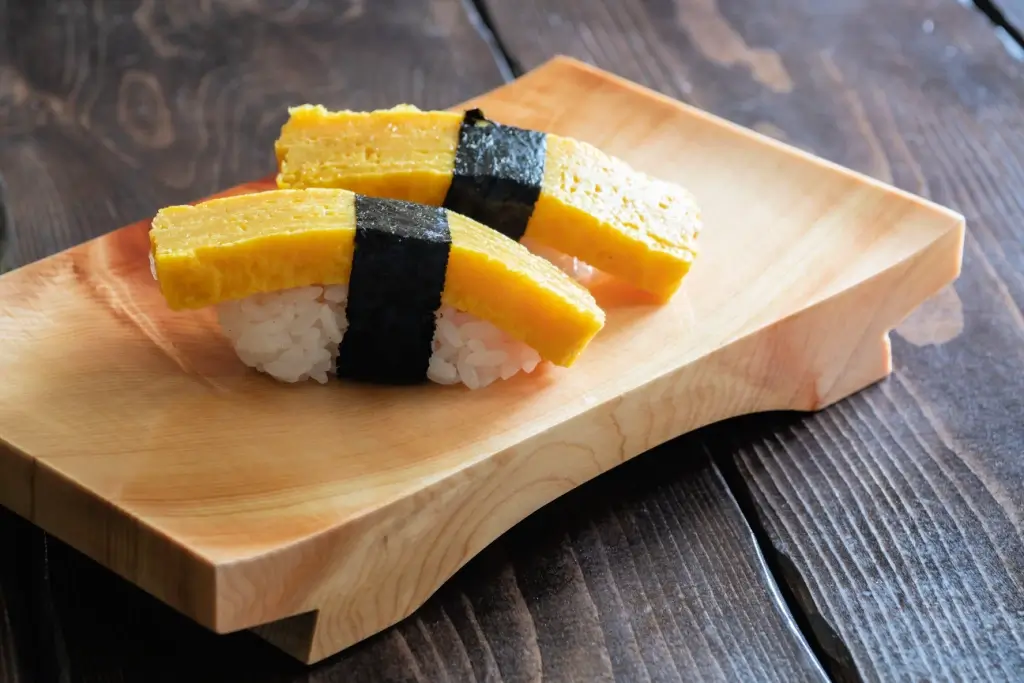
Sweet tamagoyaki incorporates sugar or mirin to add a mild sweetness to the egg mixture. This style is often served in sushi restaurants, where it may appear as a topping or a side dish. The sweetness is usually controlled rather than strong. It contrasts with salty or vinegared foods served alongside it. For some people, the flavor feels unexpected when first encountered.
Savory tamagoyaki relies more heavily on dashi and soy sauce for depth. It tastes closer to what many expect from an egg dish while keeping a soft texture. This version is more common in home cooking and everyday meals. It pairs easily with rice, vegetables, and grilled items. Preference between the two styles often depends on context rather than strict taste rules.
Texture, Temperature, and Presentation
Texture is one of the most essential characteristics of this dish, and it is often the first thing people notice when eating it. When prepared carefully, it remains soft while still holding its shape when sliced and served. The rolling technique creates visible layers that affect both structure and mouthfeel. Moisture control during cooking plays a significant role in achieving this balance. Even slight overcooking can quickly change the texture and reduce softness.
Tamagoyaki may be served warm, at room temperature, or cold, depending on the situation. Each temperature alters how flavor and texture are perceived during eating. In bento boxes, it is commonly eaten after cooling, which highlights firmness over softness. Presentation also shapes expectations before tasting. Even slices and clearly defined layers are often associated with careful preparation.
How is it different from the Western version?
Compared to Western omelets, tamagoyaki differs in structure, preparation method, and role within a meal. Western omelets often include fillings such as cheese, vegetables, or meat. Tamagoyaki usually focuses on the egg itself rather than added ingredients. The rolling method produces a uniform interior rather than a folded shape. This difference changes both texture and eating experience.
Western omelets are typically served as a main dish and eaten in larger portions. Tamagoyaki is often presented as a side dish or accompaniment. This distinction influences seasoning strength and portion size. The lighter profile allows tamagoyaki to fit alongside other foods without competing for attention. These differences explain why the two dishes are prepared with different goals in mind.
Are you looking for great snacks for the winter? Check out Sakuraco! Sakuraco delivers traditional Japanese snacks, sweets, teas, and more from local Japanese makers right to your door!

Tamagoyaki as a part of Japanese cuisine
Tamagoyaki is a dish that feels easy to return to over time. Its flavor is mild enough to avoid becoming tiring while still offering noticeable variation. The soft texture adds to its sense of comfort as a food. Sweet and savory versions offer distinct experiences without altering the core structure. This flexibility allows the dish to remain familiar while still feeling fresh and new.
Tamagoyaki also adapts well to different eating situations and settings. It works naturally in home meals, lunch boxes, and restaurant menus. Because it is not heavy, it does not dominate the plate or overwhelm other dishes. The balance between simple ingredients and careful technique adds to its appeal. These qualities contribute to a consistently positive evaluation.
Is tamagoyaki an acquired taste?
Is tamagoyaki something that requires time to appreciate fully? Some people notice sweetness first, especially if they are unfamiliar with sweet egg dishes. Others focus more on texture, which differs from firmer omelets. These reactions are common when encountering unfamiliar food styles. Experience often changes how these elements are perceived.
Does understanding the dish affect how it is received?
Knowing that sweetness is intentional can help shape expectations. Trying tamagoyaki in different settings can also influence opinion. Context plays a role in how flavor and texture are judged. Preference often develops through repeated exposure.
Would I eat tamagoyaki?
Tamagoyaki is a dish I would choose to eat repeatedly because it strikes a perfect balance between simplicity and technique, offering versatility. Its soft texture and layered structure provide a pleasant, satisfying feel without being heavy. Sweet versions offer a gentle contrast when paired with rice or sushi, while savory styles add depth without the need for extra toppings. The careful rolling technique shows the skill involved in its preparation.
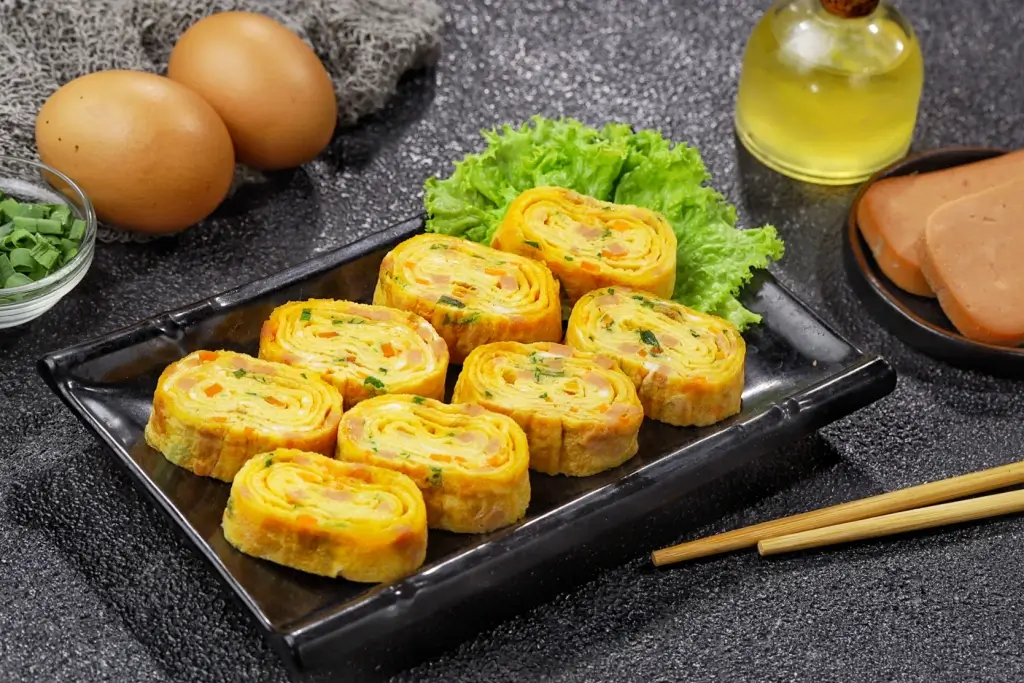
Tamagoyaki is appealing because it is accessible to people with varying levels of familiarity with Japanese cuisine. Its mild flavor is welcoming for new tasters, while the subtle differences between sweet and savory styles allow for experimentation. The neatly rolled layers add visual appeal. It can be served warm, at room temperature, or chilled. Overall, tamagoyaki is a dish worth trying, revisiting, and enjoying regularly. Have you ever eaten tamagoyaki? What was your experience like? Let us know in the comments below!