


Japan’s numerous remote islands often differ considerably from the mainland in culture, language, and history. Tanegashima Island is one such example. Located in the far south of the Japanese archipelago, this location primarily served as a site for early European contact. It played a major role in introducing firearms to the country during the sixteenth century.
Moreover, local iron helped the country take its first steps into the modern age. But the island offers more than museums and historical tours. It boasts traditional crafts, festivals, a pleasant climate, and a diverse natural environment. These all make outdoor adventuring enjoyable, satisfying, and exciting. So, let’s take a closer look at Tanegashima Island, its layered past, and distinctive attractions.
What is the history of Tanegashima Island?
Tanegashima lies 43 kilometers (27 miles) to the south of Cape Sata in Kagoshima Prefecture, as part of the Osumi Islands. Stone tools buried under volcanic ash layers at the Tachikiri Ruins show that its history reaches back 35,000 years. There are also unique burial sites containing artifacts, such as beads and pendants, dating back to the Yayoi Period (300 BCE – 300 CE). Evidence from later centuries includes ancient texts such as the Nihon Shoki and written records from the Nara Period (710 to 794 CE). These mention its importance as a stop along historical trade routes. Its location has strongly influenced its development.
The island also hosted pilgrims and merchants, fostering early exchanges between Japan and the outside world. In 1543, Portuguese traders introduced firearms through the island’s ports. Local smiths replicated the imported guns, spreading technology nationwide, and changing Japanese warfare forever. During the Edo Period, it came under the rule of the Tanegashima clan under Shimazu influence.
What attractions are there on Tanegashima?
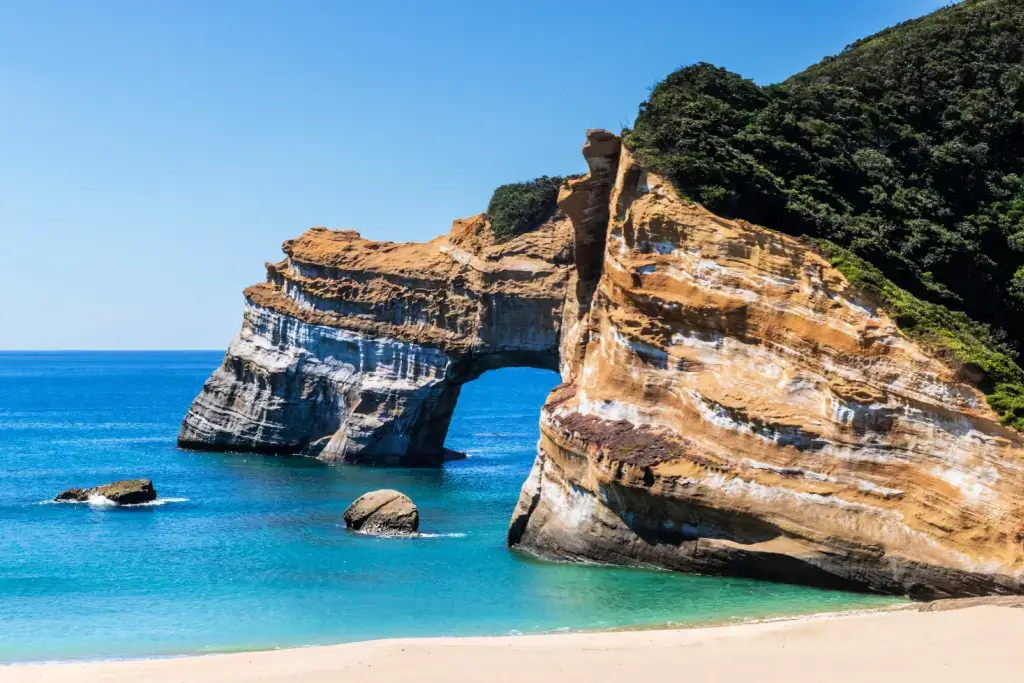
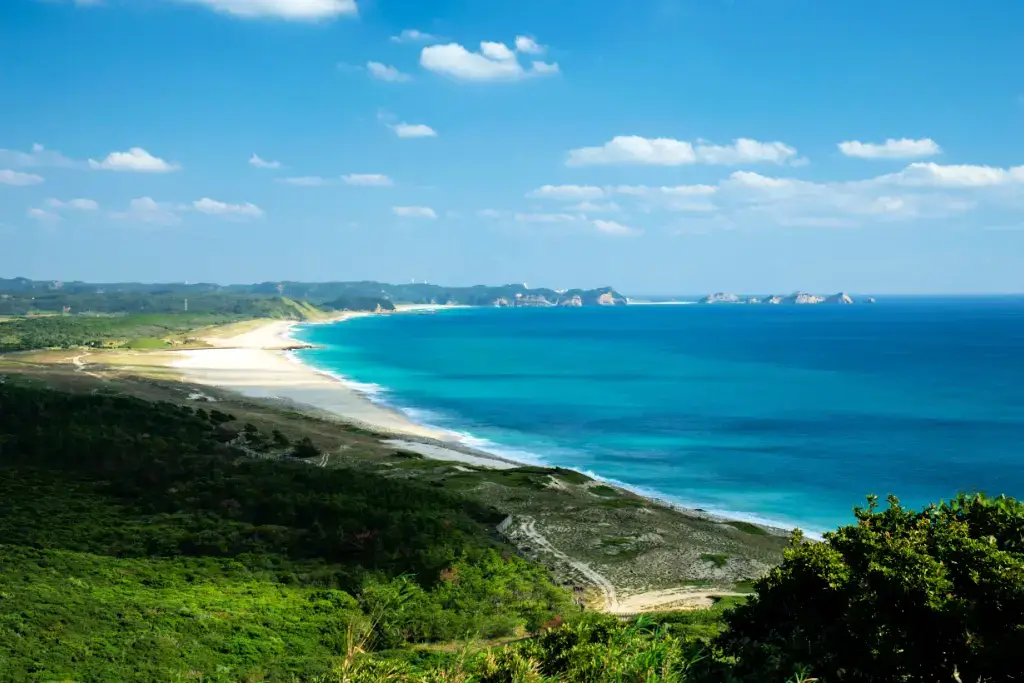
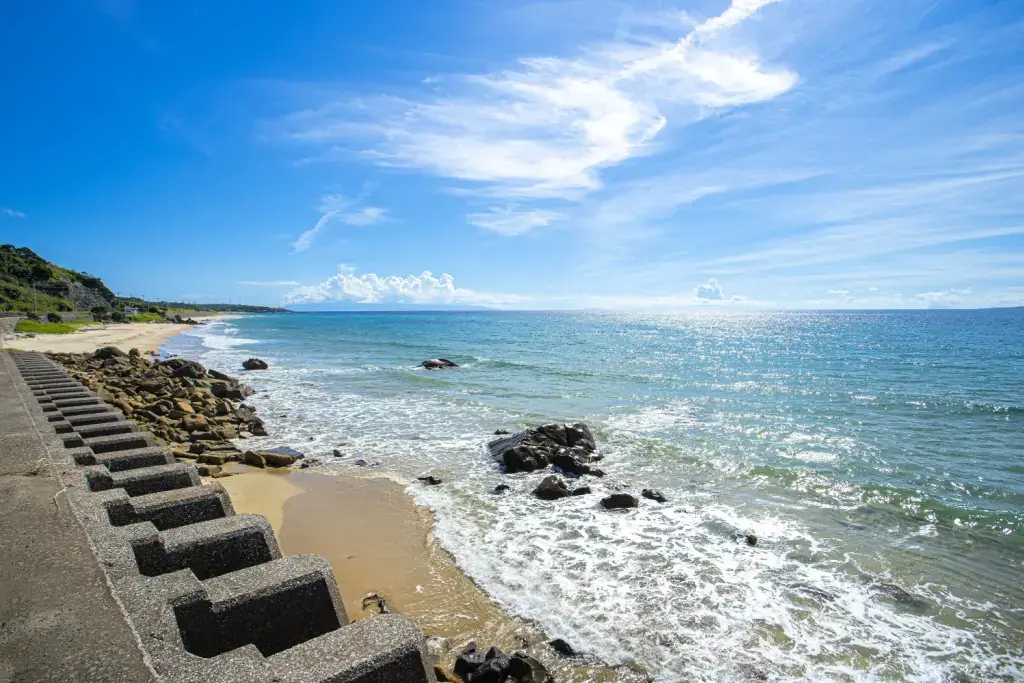
Tanegashima’s subtropical climate brings warm temperatures year-round. This makes its pristine beaches ideal for surfing and relaxation. Hamada Beach draws waves of riders from across the country thanks to its consistent swells and great surfing conditions. For the less adventurous, its flat coasts and gentle hills can be explored easily by cycling along coastal roads.
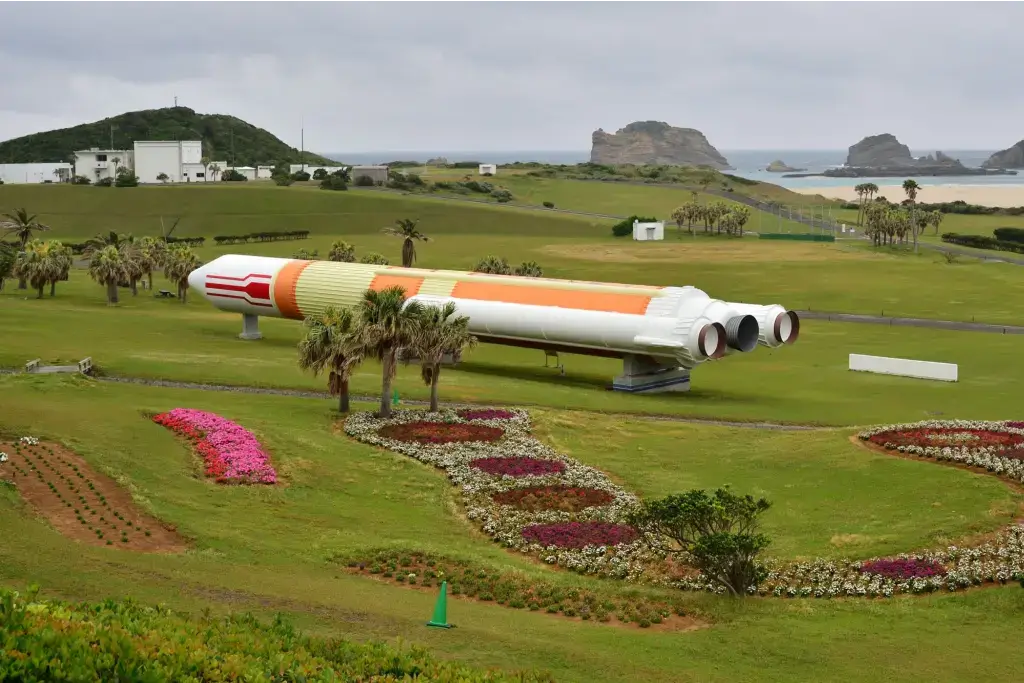
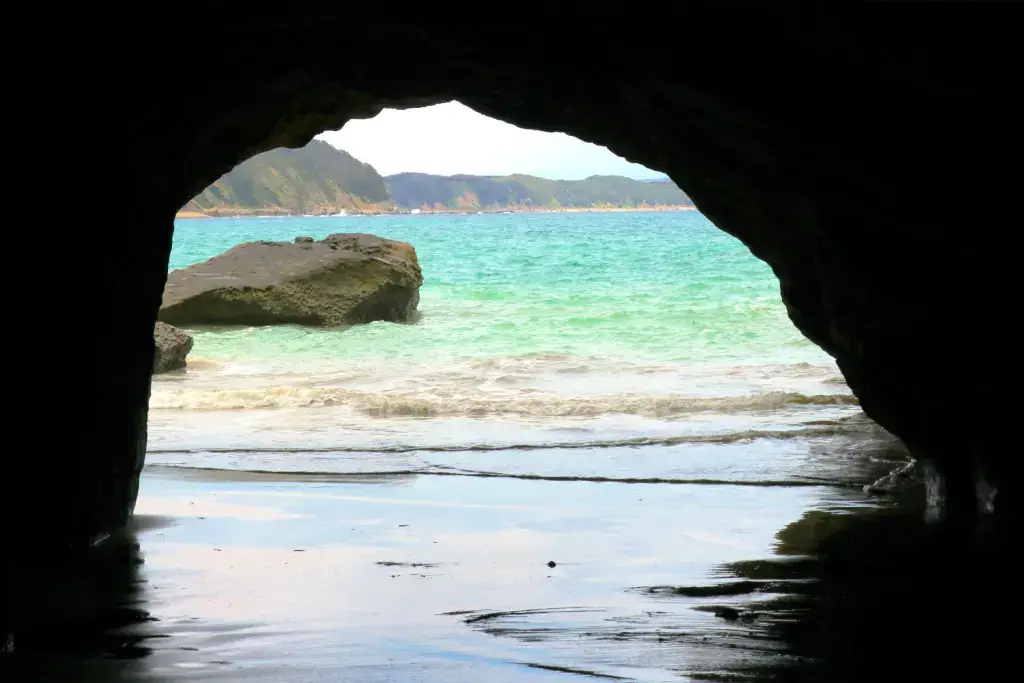
For even more casual exploring, rivers and waterfalls add to the scenic beauty of hiking trails. Interesting and unique features like Chikura no Iwaya Cave are satisfying finds after a day of discovery. The island is small, but its protected areas support unique wildlife and a wide variety of subtropical plants. These elements create a haven for outdoor enthusiasts. And hot springs provide soothing retreats after adventures.
Are you looking for great snacks from Sakuraco? Sakuraco sends traditional Japanese snacks, teas, and sweets from local makers straight to your door each month. They are perfect to enjoy with your daily drink.

Tanegashima’s Island Culture
Today, the island has a population of around 33,000 residents, divided amongst three municipalities, with the main city of Nishinoomote in the north. Tanegashima culture thrives through its original local festivals. Communities celebrate with rituals honoring ancestors and nature, where folk songs and dances preserve their Ryukyu roots. More modern attractions are also part of the calendar.
The Teppo Festival is held each summer to commemorate the introduction of guns to the island with parades and other festivities. These events feature local cuisine such as anonasimo, fresh seafood dishes, and sweet potatoes, which arrived from the Ryukyu Kingdom in 1698 to aid famine relief. Traditional crafts include ironwork, such as scissors and other small items forged from local iron. Artisans also continue the legacy of pottery techniques imported from China centuries ago. Visitors are welcome to join workshops to practice these traditional techniques firsthand.
Visiting Tanegashima Island
There are budget ferries from Kagoshima with fares of around 5,000 yen ($33), but high-speed ferries are the more popular choice. There is also Tanegashima Airport, with flights from major cities and Kagoshima every day. The best seasons to visit the island are spring, for milder weather, and summer, for festivals.
But the weather can be quite humid at this time, so pack light clothing and insect repellent. When exploring, it can be difficult to tell which land is public and which is private. So be sure to stick to marked trails, or book a guided walk. You can explore by rental car to cover more distance and visit more diverse sites. But bicycle rentals are also available near more popular attractions for those who prefer eco-friendly adventures.
Why is Tanegashima Island popular?
Tanegashima Island is popular for its relative geographic isolation and slight cultural differences. It is located at the very southern tip of Japan – closer to mainland Asia than much of the country. Boat rides across the ocean are not everyday commutes, which adds to the feeling of adventure and exploration.
It is located far enough removed from the rest of Japan for the island to develop its own identity while still being part of the country. Its history of contact with the outside world is relatively unusual, resulting in many cross-cultural fusions. The results of this legacy can still be seen today in Tanegashima’s openness to external ideas. What do you find interesting about this historic island? Share your experiences or tips in the comments below, and help others embark on an adventure filled with discovery!