


In the Shinto tradition, Toshigami is the deity who arrives at the end of every year and remains through the New Year to bring blessings, a bountiful harvest, and good fortune. People in Japan honor Toshigami at the turn of the year with rituals, decorations, and special foods. Belief in Toshigami connects modern celebrations to ancient customs, blending respect for nature, family, and community.
Who is Toshigami?
In Shinto cosmology, Toshigami is viewed as a guardian of years and harvests: a spirit or deity who visits annually to bring blessings for the coming year. The name itself, “Toshi,” meaning “year,” and “kami,” meaning “god” or “spirit,” reflects the role: the God of the Year. According to folklore, Toshigami arrives at the end of the old year and departs after the New Year period, leaving behind fortune, fertility, and safe passage through the months ahead.
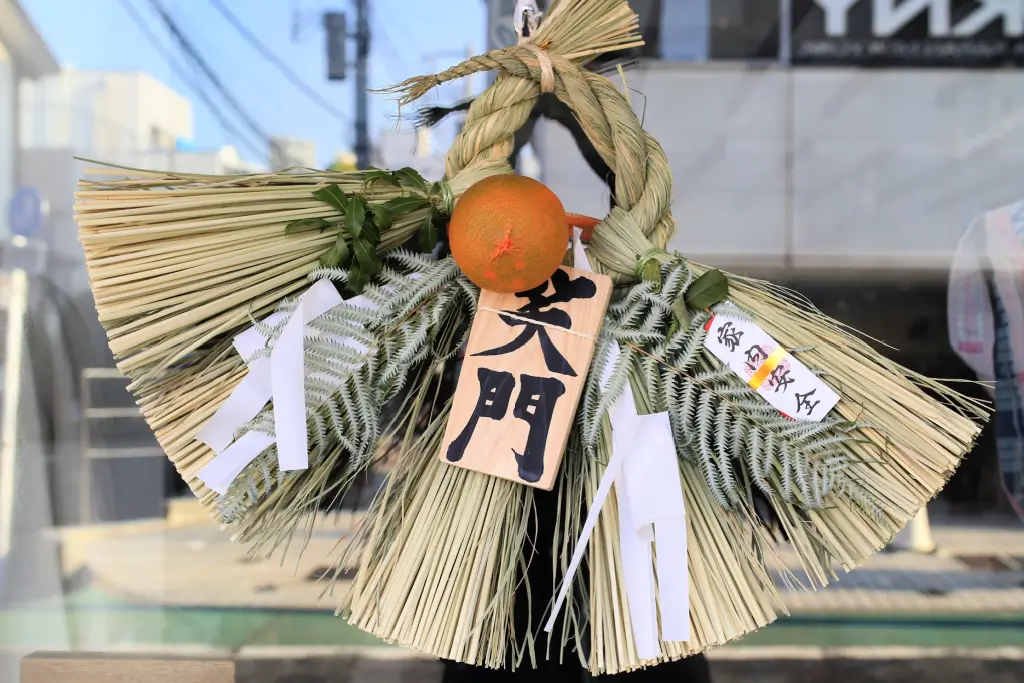
Many families treat Toshigami with deep respect, seeing the presence as a gift to their household. Because Toshigami brings abundance, grain harvest, and general good luck, Shinto followers often pray for a bountiful year, good health, and safety. The deity’s blessings are believed to extend beyond agriculture, encompassing family well-being, peace, and community prosperity.
How Japanese Households Welcome Toshigami at New Year
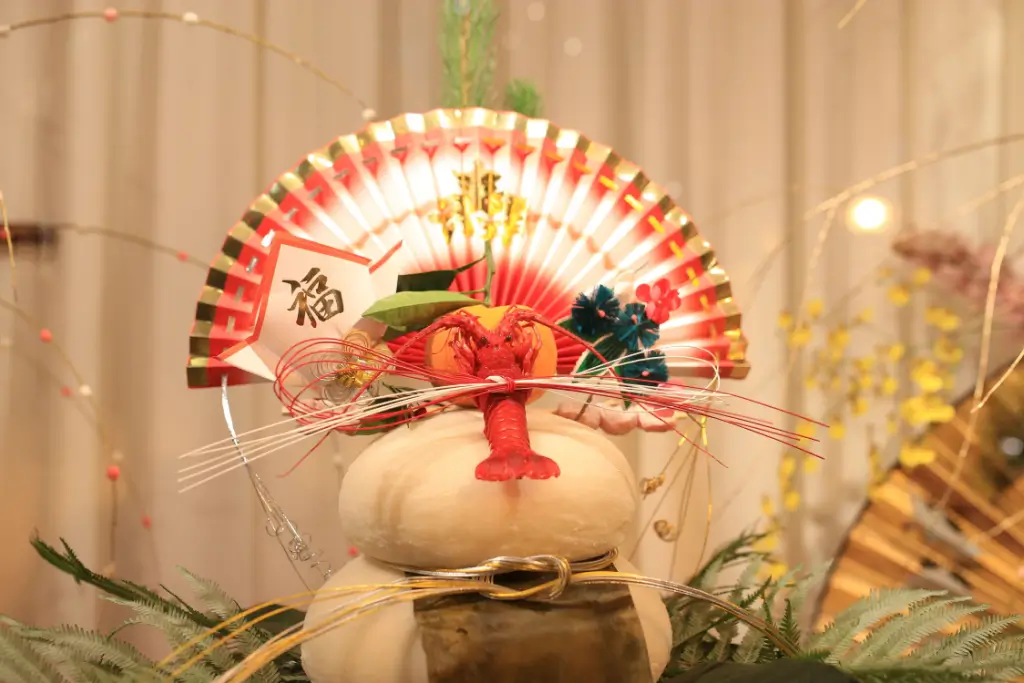
As the New Year approaches, many Japanese homes prepare traditional decorations and rituals meant to welcome Toshigami into the house. These items act as invitations and signs of respect for Toshigami, signaling that the house is clean, respectful, and ready to receive blessings. Families also clean their homes thoroughly before the New Year, not just for tidiness but to clear away the old year’s misfortune and make space for renewal.
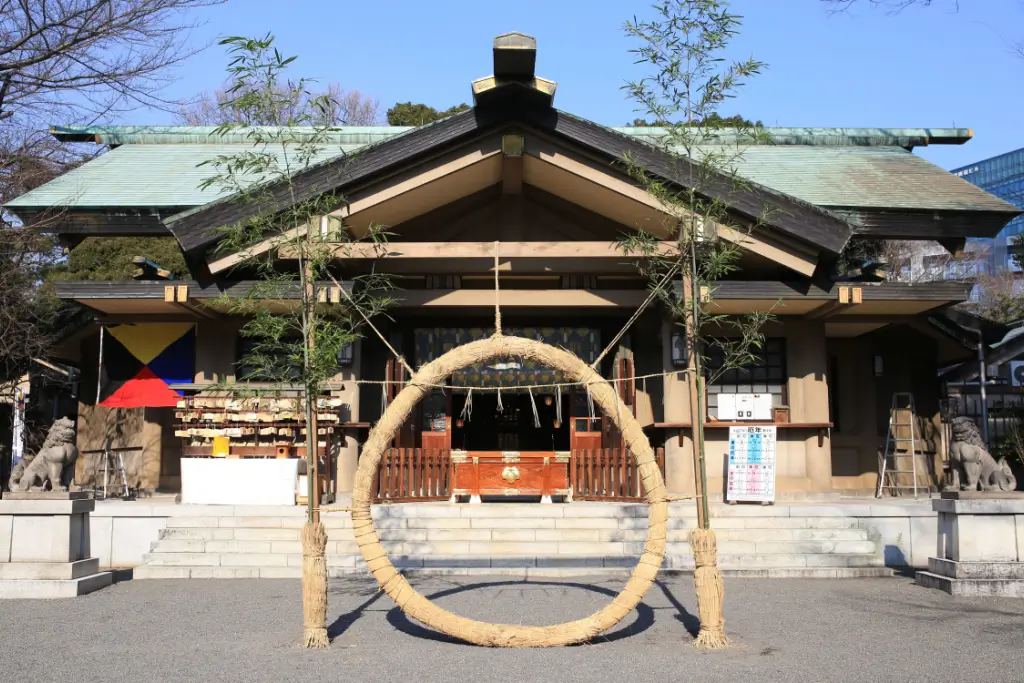
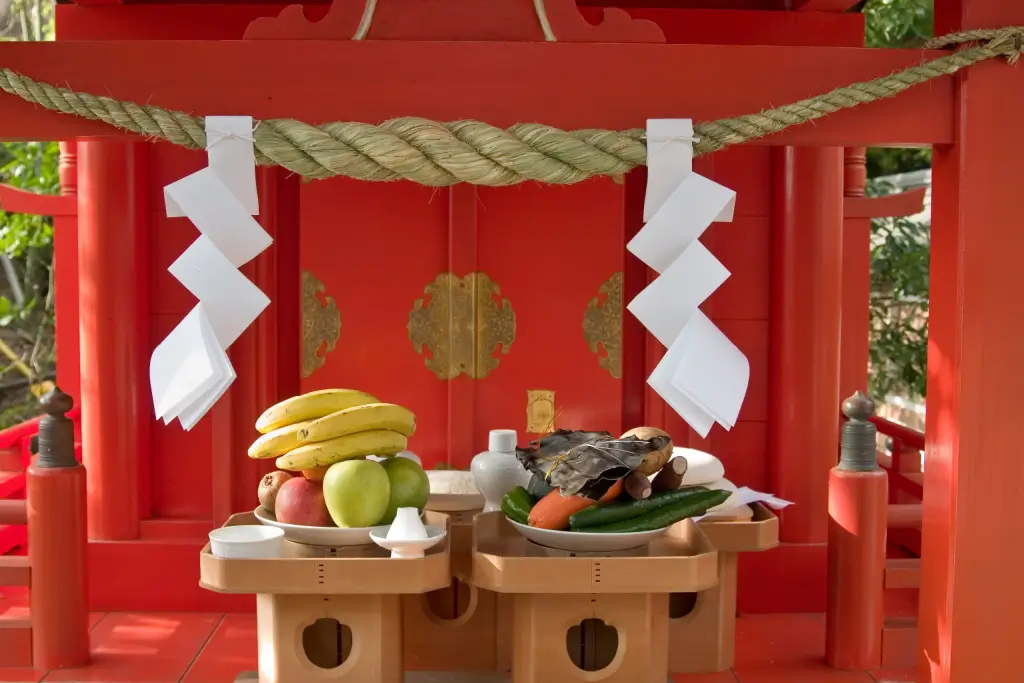
On New Year’s, many people pause daily work, reflect on the past year, and pray or make wishes for the coming year. Some households offer food and drink as symbolic offerings to Toshigami, mainly traditional osechi-ryōri and rice. Through these actions, families demonstrate gratitude, hope, and an openness to the blessings ahead. The rituals combine reverence, tradition, and shared family values, making Toshigami’s arrival a communal act of renewal.
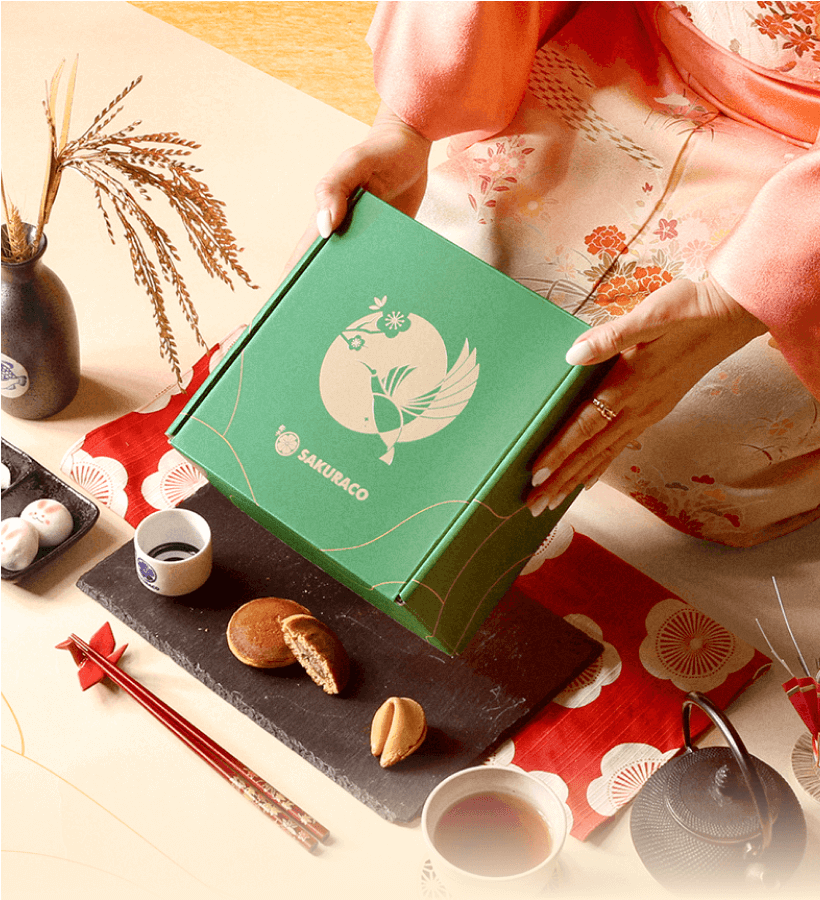
Are you looking for great snacks to ring in the New Year? Check out Sakuraco! Sakuraco delivers traditional Japanese snacks, sweets, teas, and more from local Japanese makers right to your door!

The Role of Toshigami in Community and Shinto Culture
Toshigami is not only a household spirit but also a communal symbol that unites neighborhoods and villages during New Year celebrations. Many shrines hold special services and ceremonies during the New Year period to pray for the health, prosperity, and peace of their residents. Visiting a shrine to pay respects to Toshigami is a common practice that reinforces the connection between individual households and the broader spiritual community.
Shinto’s reverence for Toshigami ties spirituality to nature and its cycles, including seasons, harvests, birth, and renewal. Because Toshigami brings hopes for fertility, good harvest, and prosperity, the tradition reflects ancient links between people and the land. Even today, in modern urban Japan, belief in Toshigami remains meaningful: it involves welcoming each new year with humility, gratitude, and hope.
Modern Relevance: Why Toshigami Matters in Today’s Japan
In a fast-changing world, observing Toshigami at New Year offers a moment to pause, reflect, and reconnect with roots. As families become busier and society speeds up, the rituals surrounding Toshigami help people slow down, spend quality time with loved ones, and reflect on what truly matters. The annual tradition becomes a reminder that fortune, health, and happiness are worth respecting and nurturing.
For younger generations, the customs may feel old-fashioned, but many still value them as a link to cultural identity. New Year’s decorations, shrine visits, and family meals remain widely practiced. Even as lifestyles change, Toshigami’s presence continues to frame the New Year as a time of hope, renewal, and shared values. In that sense, the tradition remains relevant and comforting.
What to Know: How to Show Respect to Toshigami This New Year
If you want to join in welcoming Toshigami respectfully, there are a few simple traditional ways. Clean your living space before the New Year, symbolically removing old burdens. Set up proper New Year decorations (like kadomatsu or shimekazari) at the entrance to show you’re ready to receive blessings. Share a meal with family or friends on New Year’s Day and express gratitude for the past year while hoping for good things to come.
When visiting a shrine, offer a small prayer or wish. Often, people wish for health, happiness, or success in the coming year. Even silent reflection works: the spirit of Toshigami values sincerity. Whether Japanese or foreign, such gestures honor the tradition and allow you to experience a spiritual side of the New Year in Japan.
Why You Should Appreciate Toshigami and Shinto’s New Year Customs
Toshigami illustrates how deeply spirituality, culture, and daily life are intertwined in Japan. The tradition connects people with their ancestors, the land, and the passing of time. It offers comfort, hope, and a sense of continuity, especially during uncertain times. Recognizing Toshigami helps you understand why many Japanese treat the New Year with care, respect, and peaceful celebration.
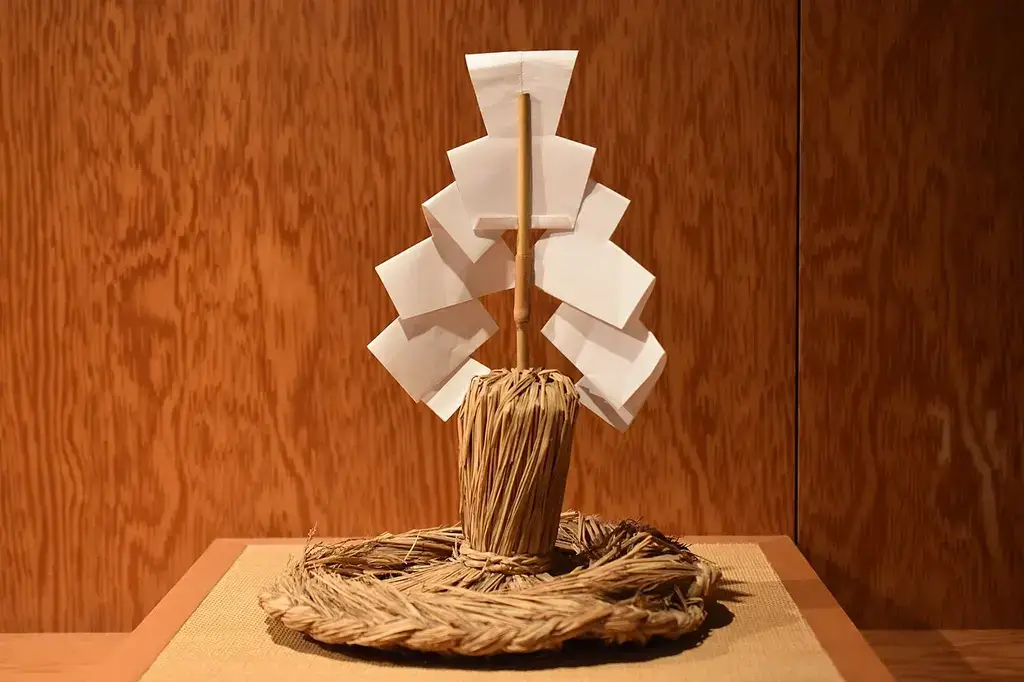
Even if you don’t follow Shinto, acknowledging the symbolism gives insight into Japan’s cultural values: gratitude, humility, harmony, and renewal. Experiencing or learning about Toshigami traditions can deepen your appreciation for Japanese customs. In Japan, the New Year, with Toshigami’s blessing, becomes a meaningful reset. Did you know about Toshigami and his importance at New Year’s? How do you celebrate New Year’s? Let us know in the comments below!