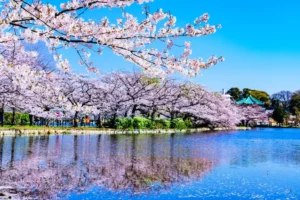



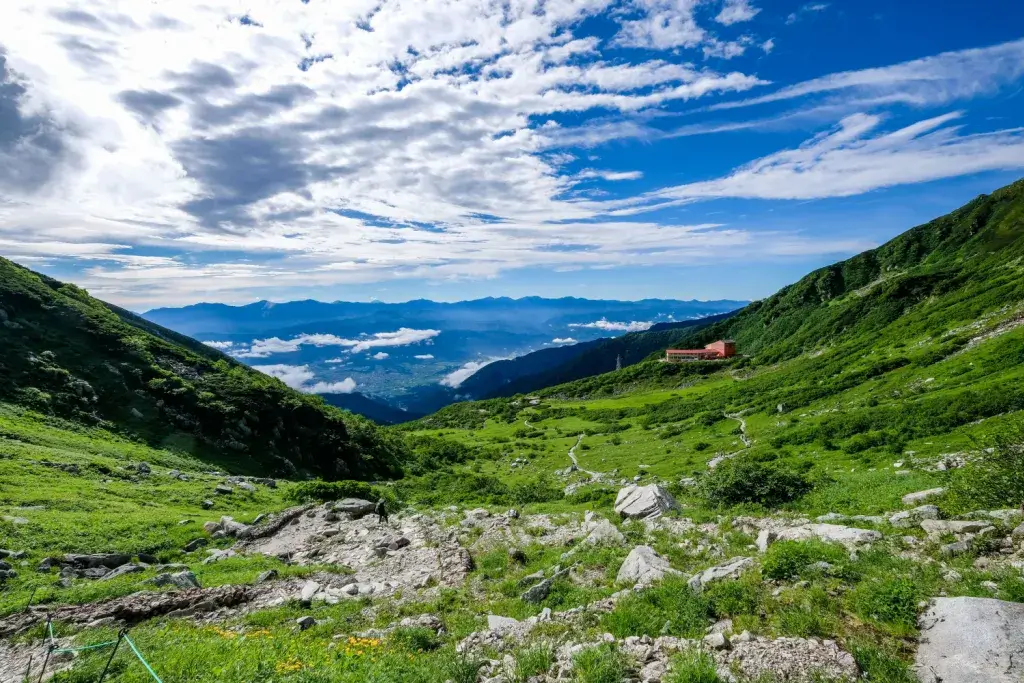
Japan’s volcanic activity has shaped the land into mountains and valleys filled with natural beauty. Kiso Valley blends history and nature, attracting visitors who love outdoor adventures and wish to explore Japan’s past. The area is lined with hiking trails that cross wild rivers and weave through old towns beneath sacred peaks.
Long ago, this quiet region was one of Japan’s main travel routes, connecting people, timber, and knowledge across the country. Today, we’ll explore five sites in Kiso Valley, each with its own story and charm.
What is Kiso Valley?
This narrow stretch of flat land winds along the Kiso River in Nagano Prefecture. The region has long been known for its steep mountains, but its open valley floor made it a key trade route during the Edo Period (1603–1868). As the area grew, the dense cypress forests provided valuable timber for buildings throughout Japan.
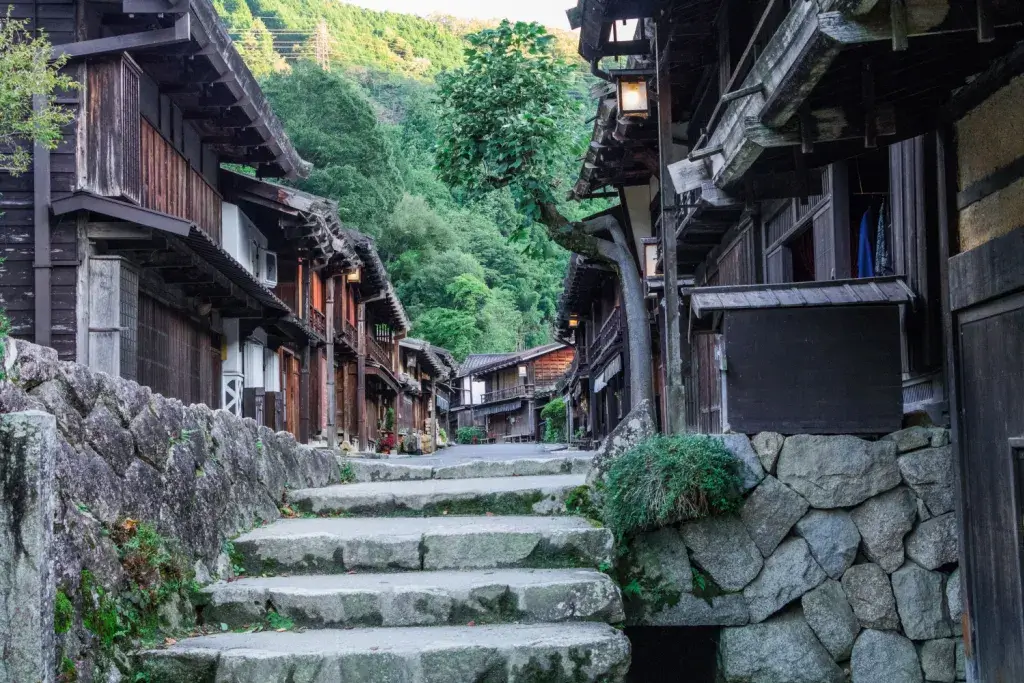
Today, Kiso Valley is a popular destination for history lovers and outdoor enthusiasts. Its asmall towns offer cozy inns, hot springs, and fresh river fish. In the warmer months, visitors come to enjoy scenic views, peaceful rest stops, and lively festivals celebrating local lacquerware crafts.
Nakasendo Trail
The Nakasendo Trail is a historic 534-kilometer (331-mile) route through the Kiso Valley. It initially served as a vital message relay line between Kyoto and Edo (modern-day Tokyo), but it also became popular with travelers. This created a need for more rest stops and merchant houses, which transformed it into a major travel route. Generally, the Kiso portion of the trail covers 70 kilometers (43 feet), and is popular with hikers interested in beautiful outdoor scenery and the post towns that dot the route.
Buses from Nakatsugawa Station take visitors directly to several trailheads. Cedar groves line much of the route, offering shade and comfort even in summer. Along the stone paths, travelers can still find old markers and traditional tea houses, especially in sections between Magome and Tsumago.
Tsumago
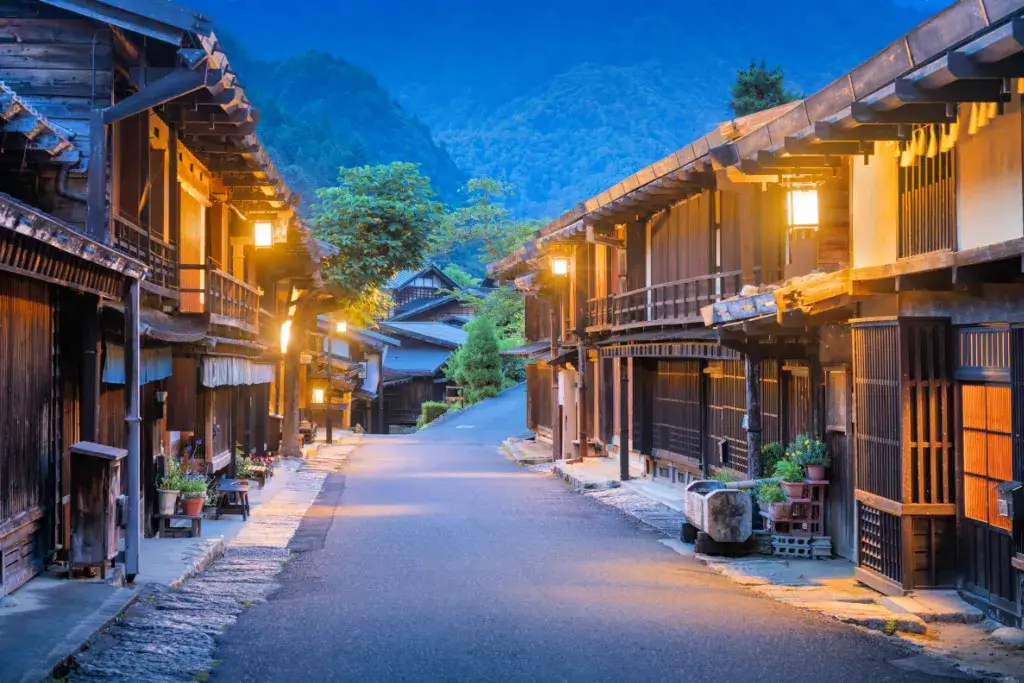
Tsumago is located in the southern Kiso Valley in the small town of Nagiso. During the Edo Period, it was the 42nd of the 69 post stations along the Nakasendo Trail. It is widely regarded as the best-preserved “post town” in Japan. The entire area avoids modern wires for a more authentic feel, and the streets are lined with restored buildings. After dark, night lanterns make for beautiful walks. Tsumago is only 20 minutes from Nagiso Station by train, and nearby trails connect to other towns for day hikes.
Are you looking for great snacks after traveling while on break? Check out Sakuraco! Sakuraco sends traditional Japanese snacks, teas, and sweets from local makers straight to your door each month!

Momosuke Bridge
Momosuke Bridge crosses the Kiso River in Komagane City. It was built in 1922 by business entrepreneur Fukuzawa Momosuke to span power lines from one side to the other. Visually, the bridge is a favourite of photographers for the way its bright red paint contrasts with the lush green surroundings. In addition, lights illuminate it at night, making for great photos.
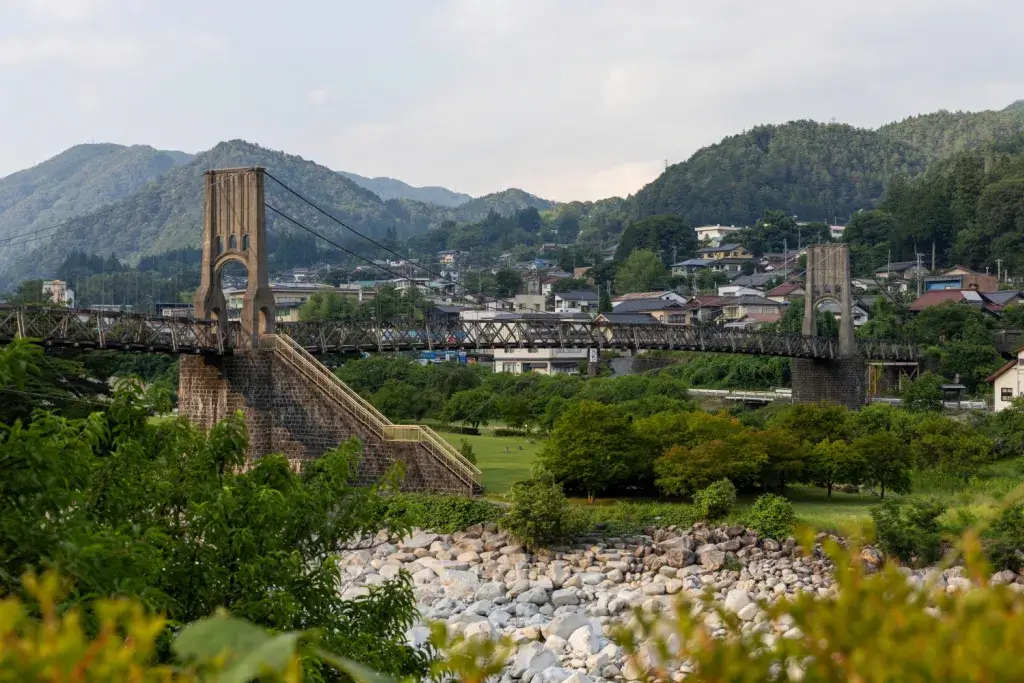
Its use of a steel cable suspension design is rare in Japan, which also attracts those who appreciate engineering. Besides admiring the bridge itself, walking across its 247-meter (810-foot) length provides spectacular views of distant peaks on clear days. Buses from Komagane Station reach this attraction in ten minutes.
Mount Ontake
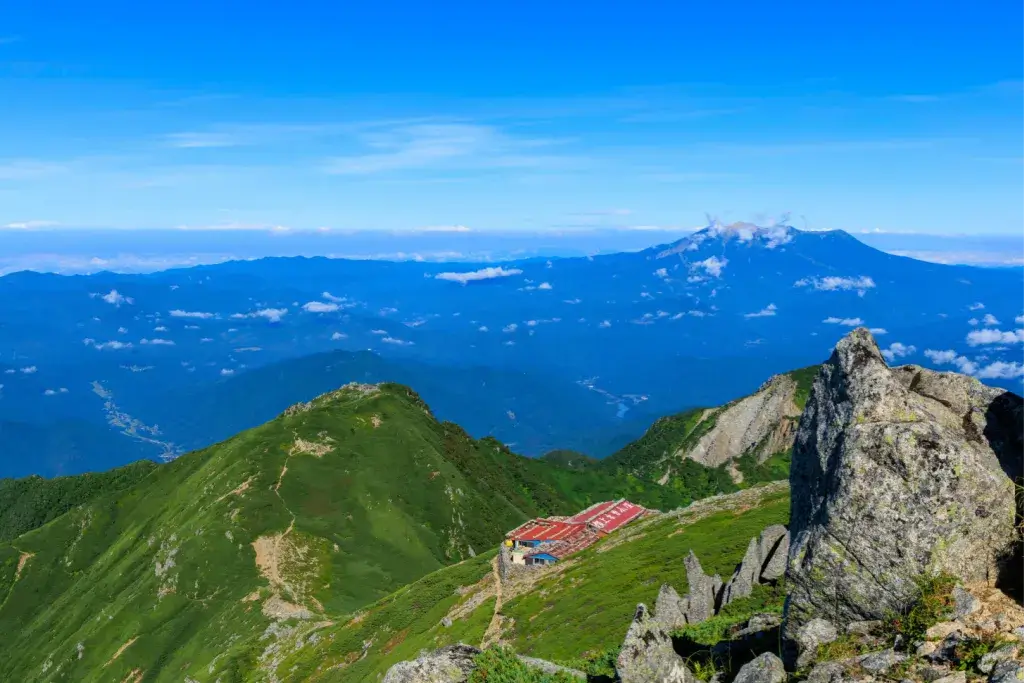
Mount Ontake rises to 3067 meters (10062 ft) in the western end of the Kiso Valley, on the border of Nagano and Gifu Prefectures. It has also held sacred status since ancient times in the Shinto and Buddhist beliefs, and has drawn pilgrims for hundreds of years. Shrines and stone gates still line the path. Today, many of these pilgrims arrive as hikers. Buses from Kiso-Fukushima Station arrive at the trailhead to the summit in 30 minutes. The trail is most popular in the fall, when autumn foliage draws crowds before winter snow begins.
Chiune Sugihara Memorial Hall
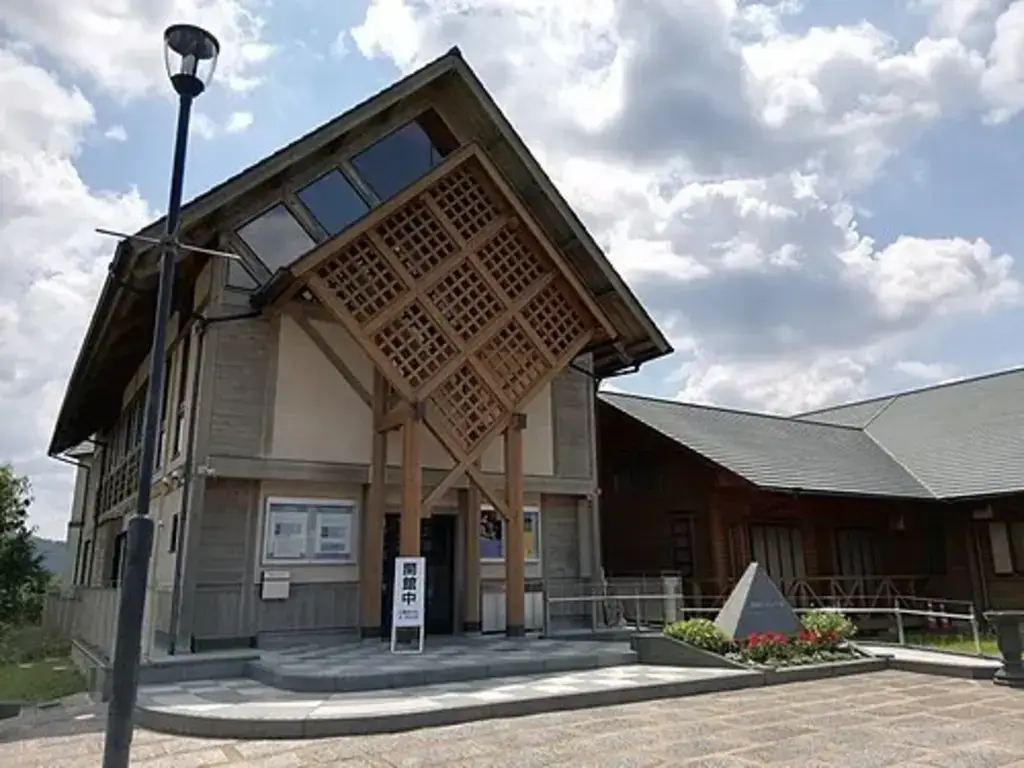
Chiune Sugihara Memorial Hall in the town of Yaotsu, Gifu Prefecture, is a tribute to a diplomat who saved Jews in World War II by issuing visas. The hall opened in 2000 to share his story and explain his decision to go against orders and risk his career for his ideals.
The hall does this through exhibits, which include his desk and photos from Lithuania, and guided tours detailing the era’s events. There is also a garden on the grounds filled with cherry trees. Admission costs only 300 yen ($1.89) for adults, and the drive from Nakatsugawa in Kiso takes 40 minutes using local roads.
Why is traveling through the Kiso Valley popular?
Traveling through Kiso Valley is popular because it allows visitors to walk authentic historical paths in tranquil, natural settings. This is because its post towns are also remnants of the past that allow visitors to experience what the simple act of sending a message entailed hundreds of years ago. In some parts, these trails are paved with the original cobblestones and lined with holy sites.
Overall, this is a far cry from the usual museum experience popular in cities. It is an interactive experience shaped by geography and human movement over time. Together, these elements create a one-of-a-kind region where history, nature, and religion intertwine with everyday life. What hidden connections might you uncover there? Have you explored Kiso’s historical routes or natural spots? Share your thoughts and recommendations in the comments below!
Cited Sources
- Japan National Tourism Organization. “Kiso Valley“.
- Go Nagano. “Seven Ways to Enjoy the Kiso Valley this Summer“.
- Kiso Ontake Tourism Office. “Main Page“.