



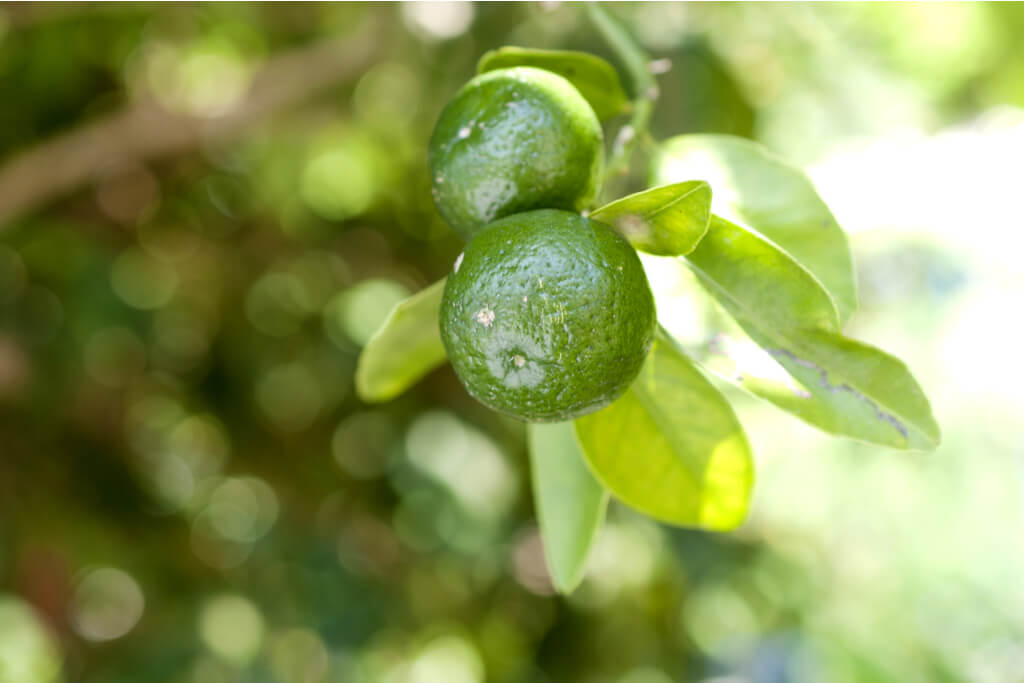
Shikuwasa limes, also called citrus depressa, are a citrus fruit from the island of Okinawa and one of the island prefecture’s must-try foods. In the Okinawan dialect, “shi” means “sour,” and “kuwasa” means “to eat,” so shikuwasa means “to eat the sourness.”
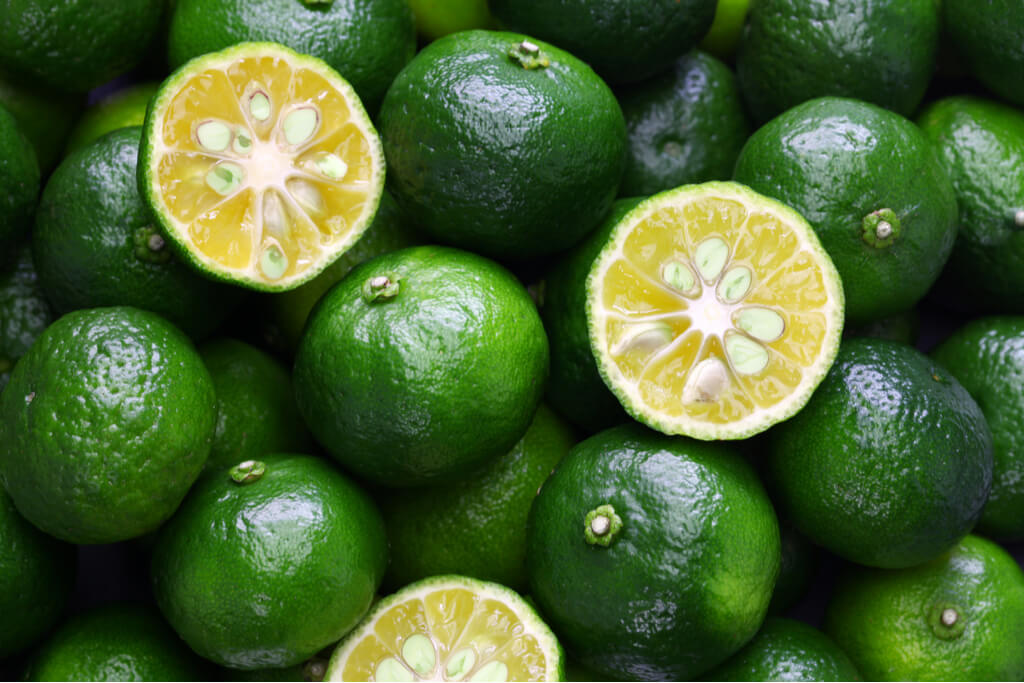
True to its name, the shikuwasa citrus has a unique sour taste. Although some people mistake it for a calamansi (a Philippine lime) for its similar appearance, it is an entirely different fruit. Shikuwasa fruit is from the mandarin family and possibly one of the original mandarin orange species. It’s smaller than most citrus fruits, only around 3 cm (just over an inch) in diameter.
Because most Shikuwasa limes come from Okinawa and Taiwan, obtaining fresh shikuwasa in other countries can be difficult. However, if you get the chance while exploring Okinawa, you should try them. Let’s talk about five reasons why.
Shikuwasa Citrus’ Unusual Flavor
Shikuwasa can be eaten both unripened and ripened. Unripe shikuwasa has a green rind and is smaller than a ripe one. At this stage of ripeness, the fruit can also be called a hirami lemon. Unripe shikuwasa has acidity levels close to that of regular limes, but it has a very different flavor. This Okinawa lime’s sweet and sour tang is unlike any other citrus fruit. As such, it is one of many much-beloved Okinawan foods. The whole fruit is edible, including the rind, which is bitter but popular as a garnish for many dishes.
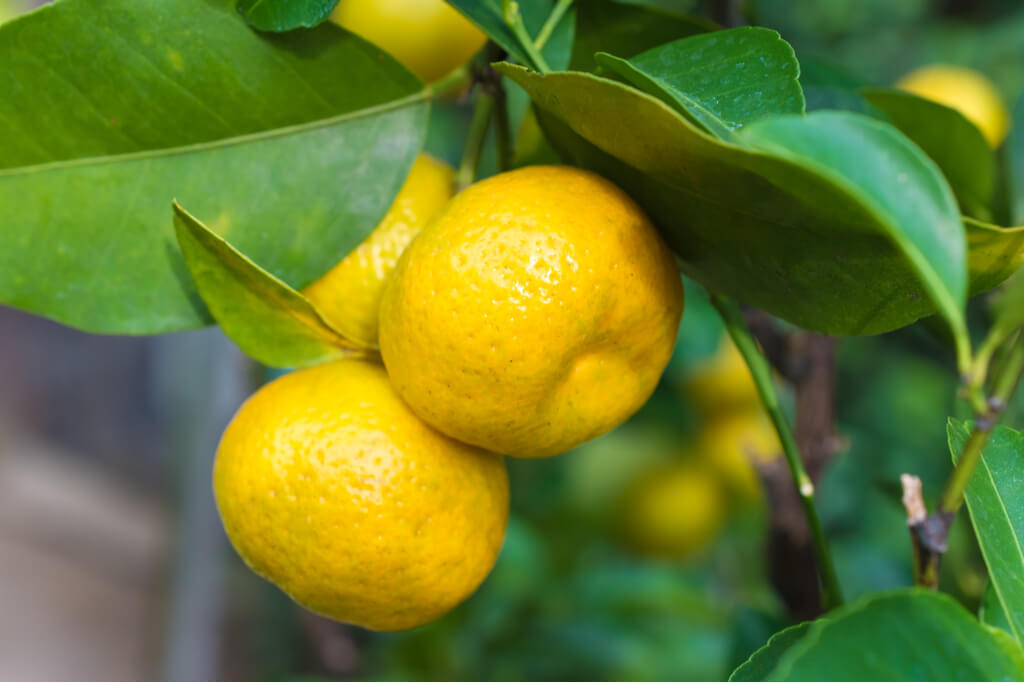
After ripening during winter, these limes turn varying shades of yellow and orange. At that point, they are kugani, which translates to “yellow-gold tangerine.” The ripe citrus fruits remain small but are much sweeter than their unripe counterparts and can be eaten raw. It is affordable, making it easy to enjoy, unlike some of the more expensive Japanese fruits.
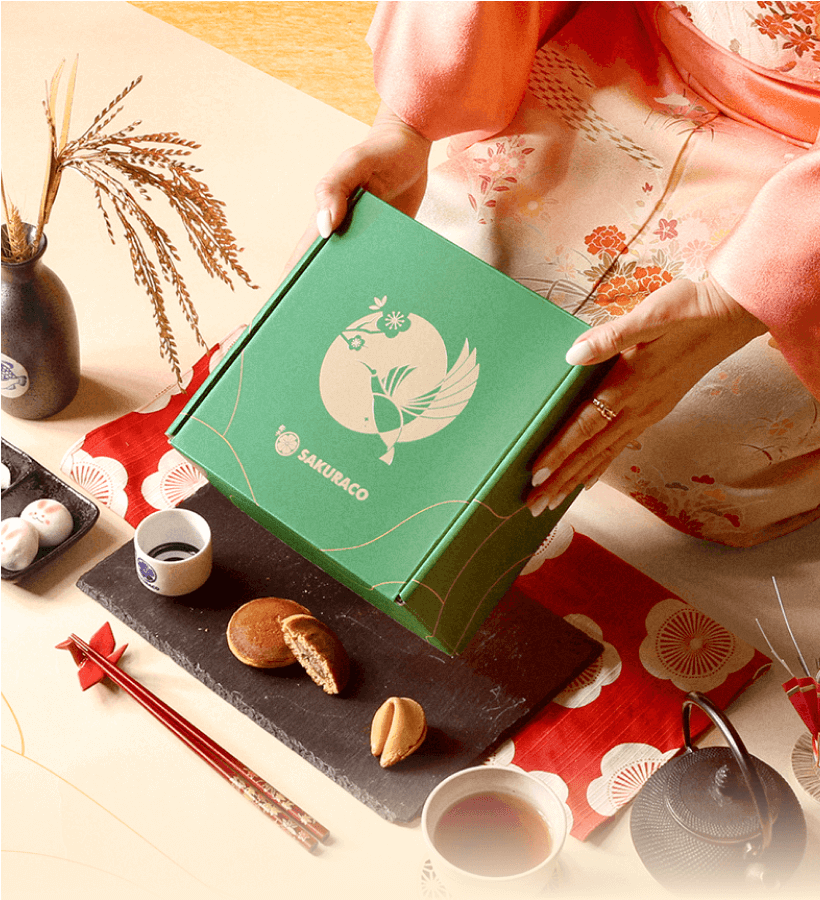
If you want to try foods and flavors usually only available in Japan, like shikuwasa, Sakuraco sends the taste of Japan right to you!

Shikuwasa Citrus May Help You Burn Fat
Okinawa is famous for having one of the longest life expectancies in the world, if not the longest. This is partially thanks to the traditional Okinawan diet, including the consumption of shikuwasa. As a result, several studies have been performed on this tiny lime’s health benefits.
One such study performed on mice found that shikuwasa had fat-reducing properties. The fruit’s peel contains synephrine, which can enhance lipid metabolism and increase metabolic rate. Shikuwasa paste can potentially lower glucose levels.
Shikuwasa Has Anti-Cancer Compounds
Shikuwasa has one of the highest levels of nobiletin of all citrus fruits. Nobiletin is a flavonoid present in citrus fruits, which has anti-tumor, anti-cancer, and anti-oxidative properties. It can also protect the brain from age-related damage, help with high blood sugar, and lower cholesterol levels. Shikuwasa is also high in Vitamin C and other antioxidants like beta carotene and DPPH.
The rind and white part of the shikuwasa’s peel contains the most nobiletin. While these parts of the fruit are particularly bitter, there are delicious ways to introduce them into your diet. Dried shikuwasa can be brewed as an herbal tea, while shikuwasa paste can be used as a garnish or flavoring for many dishes.
Shikuwasa is Delicious in Many Dishes
Shikuwasa limes can be used in many dishes, both sweet and savory. In Okinawa, they are a typical marinade or sauce for grilled meat, like yakiniku and fish. During Japan’s humid summers, cold noodles like zaru udon (cold, thick Japanese wheat noodles), zaru soba (cold Japanese buckwheat noodles), and somen (cold, thin Japanese wheat noodles) often use shikuwasa as a garnish.
In Western recipes, the shikuwasa citrus can substitute regular limes for a unique flavor twist on classic sweets. Shikuwasa key lime pie, shikuwasa sorbet, and shikuwasa cake are all creative ways to use Okinawan limes.
…And Shikuwasa is a Refreshing Summer Drink!
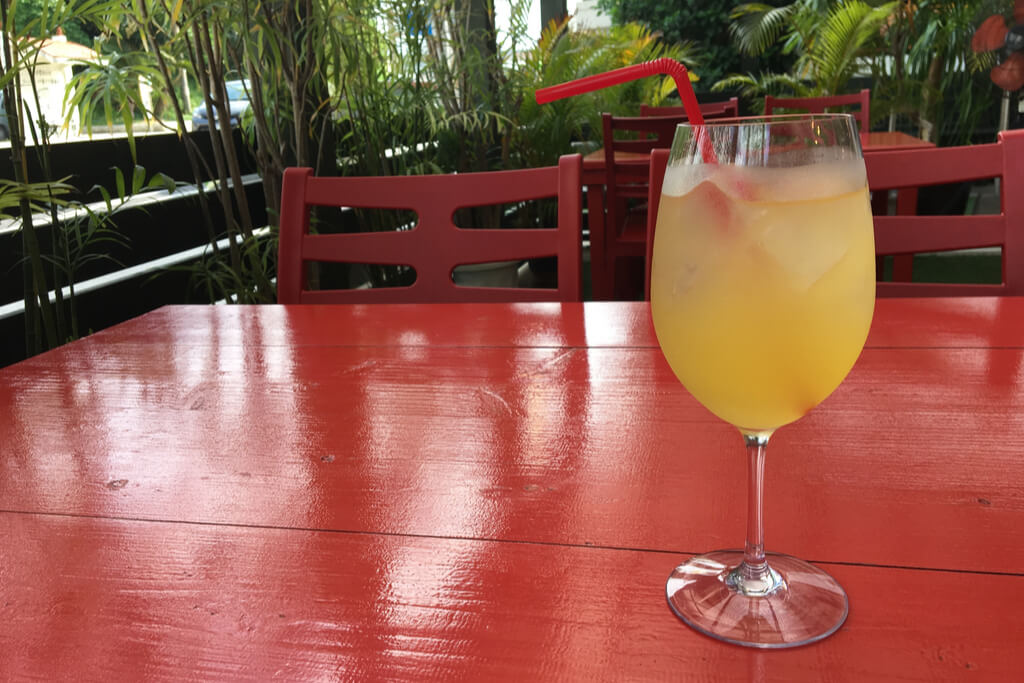
The sweet and sour tartness of the fruit makes it especially great for quenching your thirst. Mixing honey and shikuwasa juice makes a delicious, healthy limeade — perfect for summer. Because of the fruit’s small size, juicing a shikuwasa is easy. Simply make a single small cut or puncture in the skin and squeeze. The small cut allows for easy juicing without any seeds. The Shikuwasa may be small but has a strong flavor so fresh juice can go a long way!
Another popular Okinawan drink is shikuwasa juice mixed with awamori (an Okinawan alcohol). Awamori is a native to Okinawa and is made with water, yeast, and rice koji, a kind of fungus also used in making amazake (a type of sweet sake). Awamori has a deep flavor with a hint of sweetness that goes well with the sour taste of shikuwasa juice.
Shikuwasa juice, extract, and liquor are all popular souvenirs from Okinawa. There is even a special shikuwasa Hi-Chew flavor, only available in Okinawa. Have you ever tried shikuwasa before? Let us know in the comments below!







5 Responses
Where can I order Okinawa Shikuwasa Citrus Depressa for shipping to USA?
You can check it on https://japanhaul.com!
I’ve had shikwasa juice, but is there shikwasa essential oil? Thank you.
Yes, you can find shikwasa essential oil as well~ 😊
Hi Amanda, yes, we can ship to the UK! 🥰