


When you think of breakfast, what do you picture? Toast with jam, a bowl of cereal, or a cup of hot chocolate? In different parts of the world, breakfast can look very different. And in Japan, it’s a unique and healthy way to start the day.
What makes a Japanese breakfast unique?
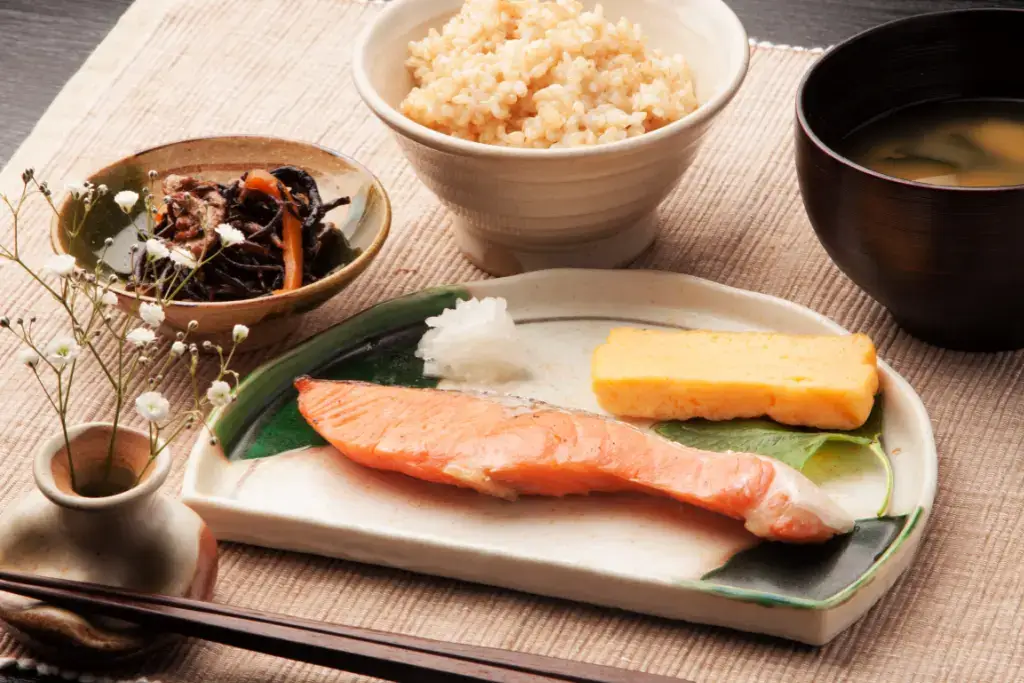
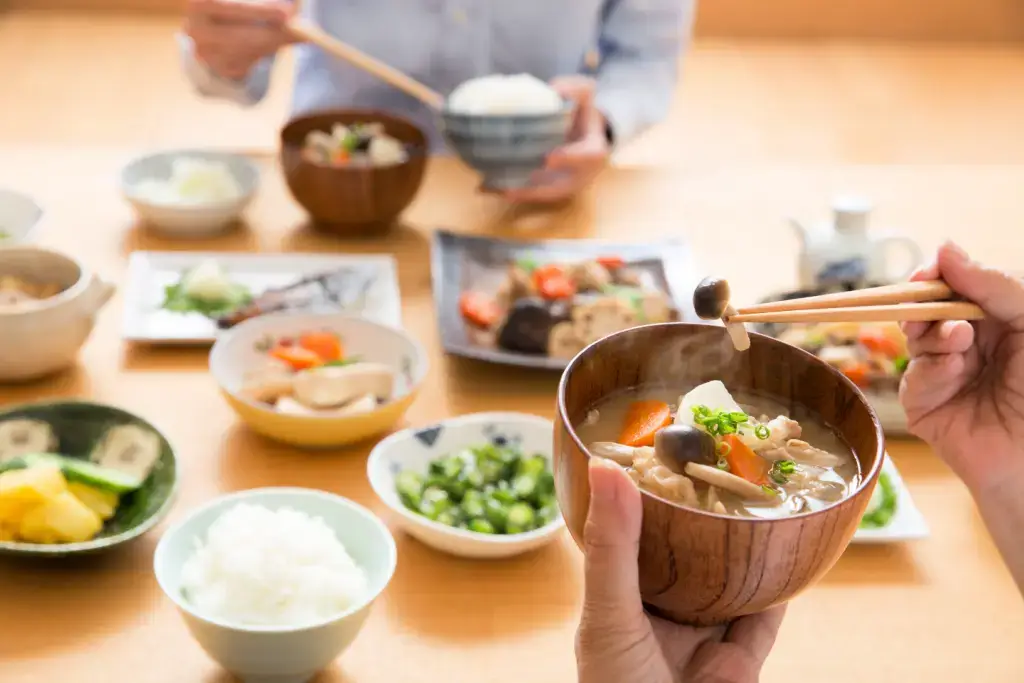
Unlike sweet or heavy breakfasts, traditional Japanese breakfasts are light, savory, and served in small portions. The goal is to create a healthy balance of flavors, textures, and nutrients. This idea comes from a cooking style called Ichiju Sansai (one soup and three sides). A typical Japanese breakfast includes steamed rice, miso paste (fermented soybean) soup, and protein such as grilled fish.
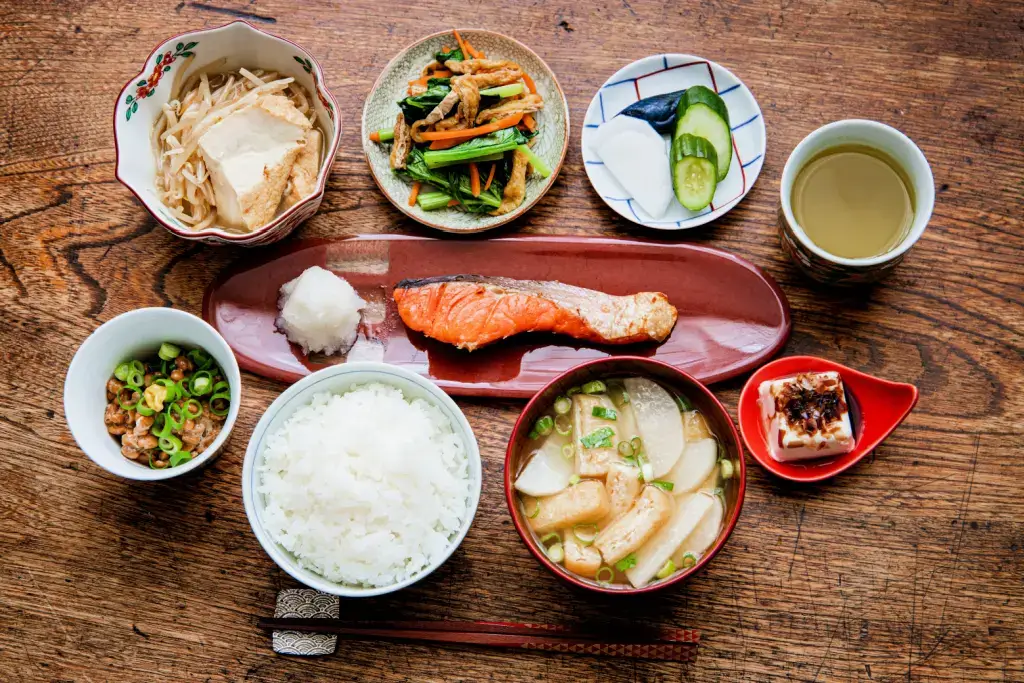
It also includes small side dishes like pickled vegetables, seaweed, or cooked greens. Although it might sound more like lunch or dinner, it’s the perfect way to start the day feeling full of energy without being too full in Japan. Let’s break down some of the most popular components of a Japanese breakfast. Together, these dishes create a complete and satisfying meal.
Steamed Rice
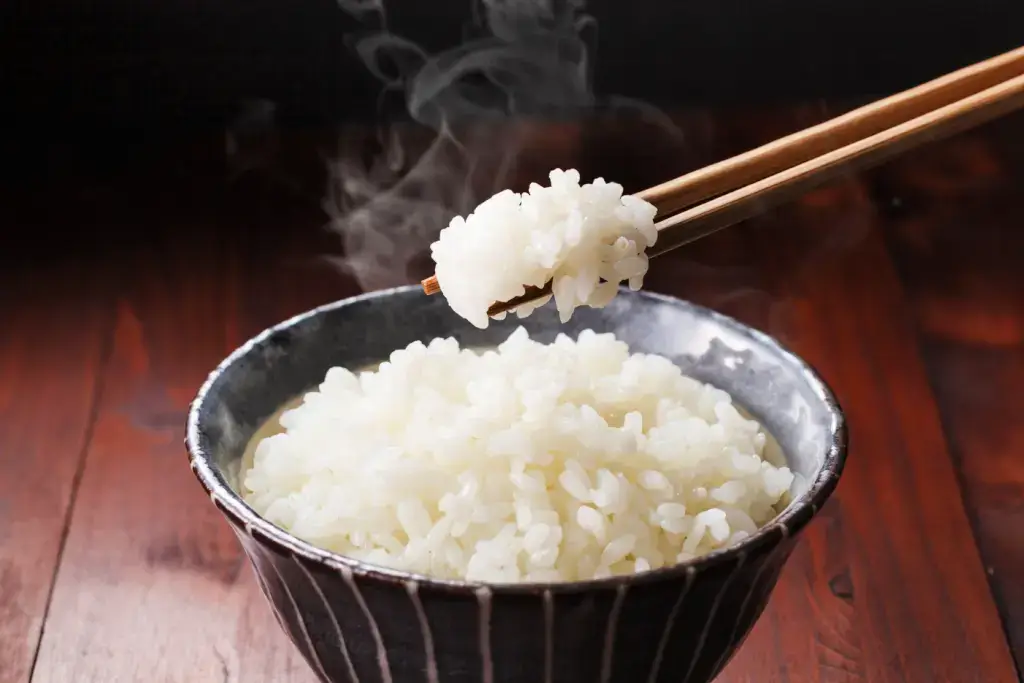
Rice is the heart of most Japanese meals, and breakfast is no exception. Steamed rice is often served plain or with simple toppings like sesame seeds, umeboshi (pickled plum), or dried fish flakes. It provides a neutral base that balances the stronger flavors of the accompanying dishes. If you have a rice cooker with a timer, set it the night before so it’s hot and ready when you wake up!
Miso Soup
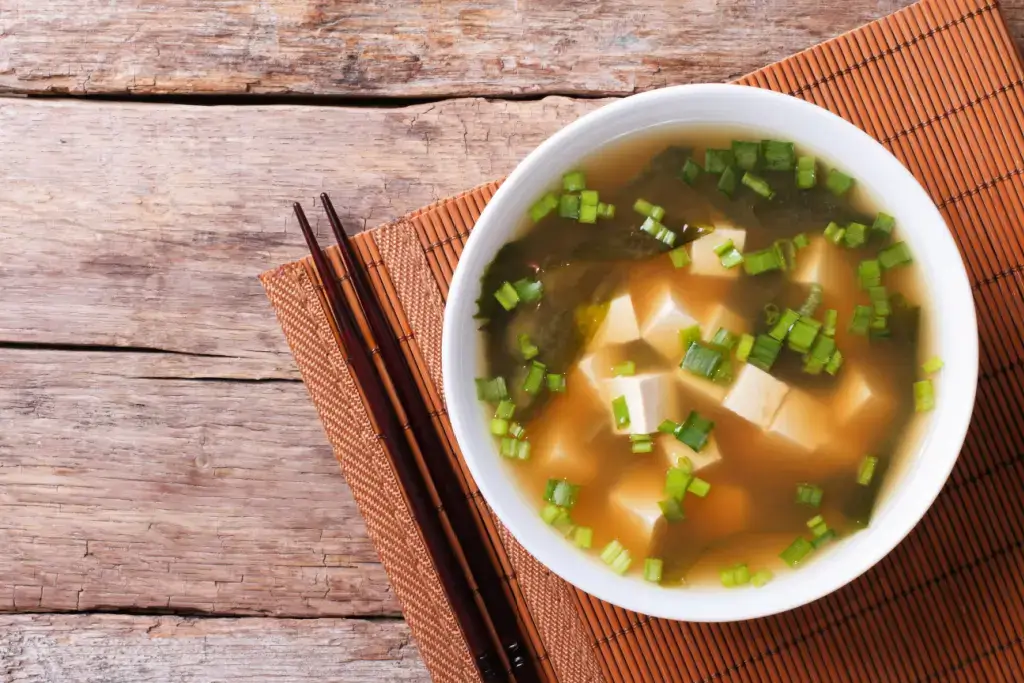
Warm, comforting, and full of umami, miso soup is made with dashi (a light fish or kombu broth) and miso. Add-ins may include tofu (bean curd), green onions, seaweed, or mushrooms. It’s easy to make from scratch, but many people opt for instant packets for convenience. Miso soup is more than just tasty. It also offers a gut-friendly dose of probiotics, making it a wise choice to start your day.
Fermented Soybeans
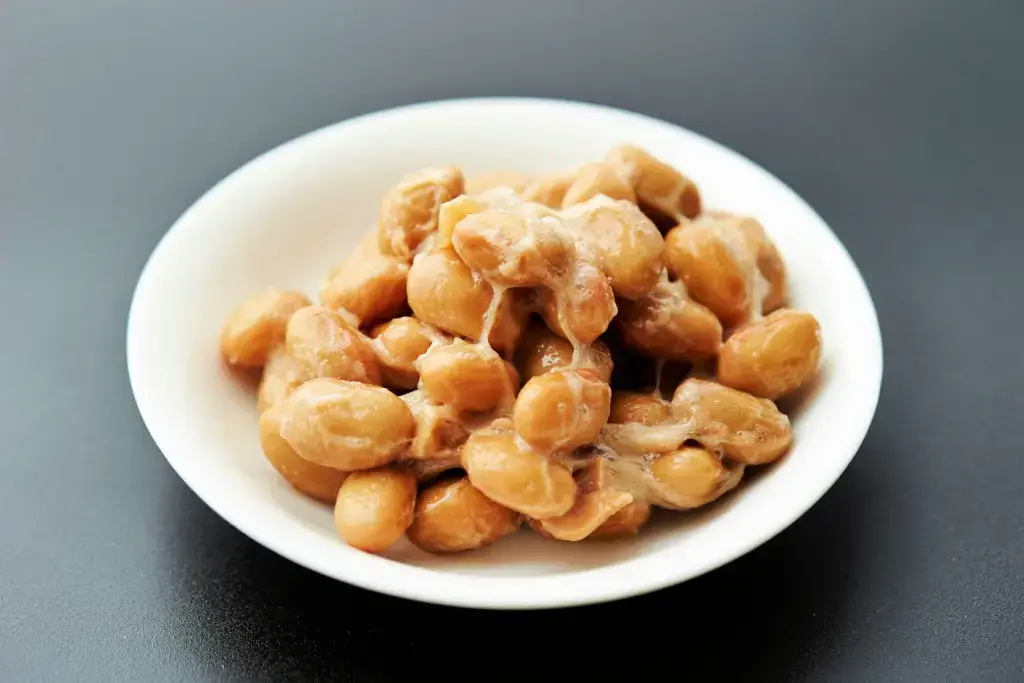
Natto (fermented soybeans) is one of the most iconic and divisive Japanese foods. It’s sticky, stringy, and has a strong smell that some people don’t initially like. Natto is served cold on rice and flavored with soy sauce, mustard, or chopped green onions. Its taste and texture can take some getting used to. But natto is healthy because it contains protein, vitamins, and good bacteria. Many people try it and end up liking it!
Grilled Fish or Chicken
A small piece of grilled fish, like salmon or mackerel, is a typical breakfast in Japan. The taste is mild and usually just salted and quickly cooked. Fish has healthy omega-3 fats that are good for you. Sometimes, chicken is used instead because it’s lighter. This savory protein gives the meal more flavor and helps keep you full and energized all day.
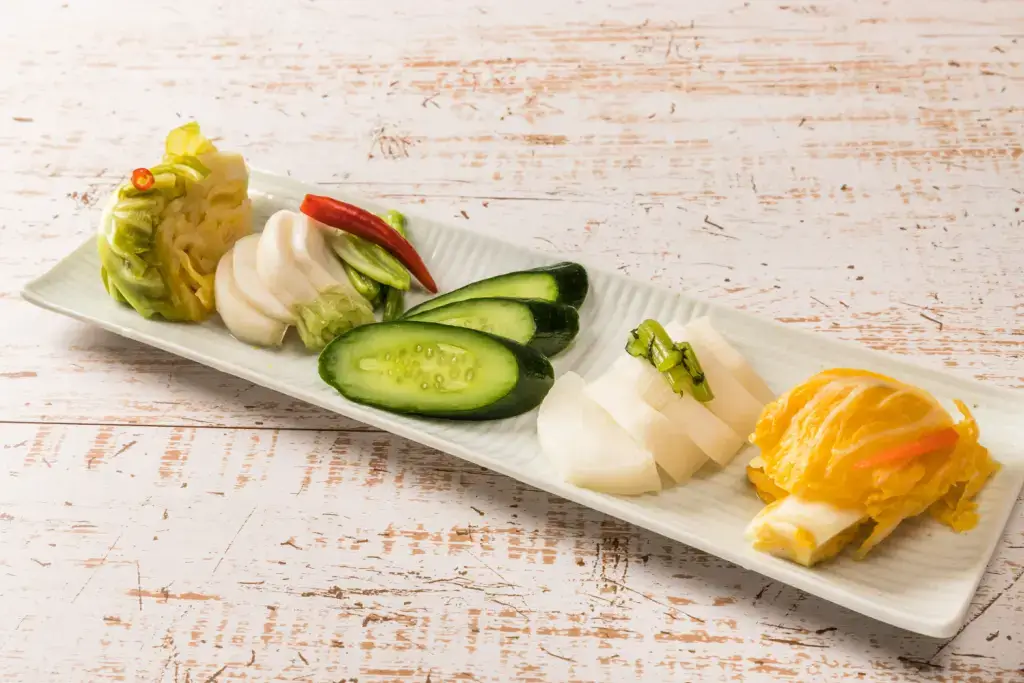
Pickled Vegetables
Tsukemono (Japanese pickles) add a tangy taste and bright colors to the meal. They are made from cucumber, daikon radish, carrots, or cabbage. These veggies are pickled using salt, sugar, and vinegar. Pickles don’t just look nice, they help you feel hungry and make the other flavors in the meal taste better.
Craving a taste of Japan from the comfort of home, whether it’s breakfast, lunch, dinner, or an afternoon treat? Sakuraco brings authentic Japanese sweets and snacks straight to your doorstep, letting you enjoy the flavors of Japan anytime you like.

Vegetable Side Dishes
Nori (dried seaweed) is often eaten with rice. People dip it in soy sauce or wrap it around rice balls. It’s light, crunchy, and full of minerals. Kobachi (small bowls of seasonal vegetables) are lightly steamed, quickly boiled, or marinated. Common ones are spinach, bean sprouts, celery, and green onions. These small dishes make breakfast feel like an exceptional tasting experience.
Is a Japanese breakfast hard to make?
At first, making a Japanese breakfast might seem hard because there are many dishes. But Japanese families use shortcuts to keep it easy. They often use leftovers from dinner, like rice or soup. Some side dishes, like pickles or kobachi, can be prepared beforehand.
Setting a rice cooker timer the night before helps, too. Many people keep instant miso soup for busy mornings. You can also buy pre-packaged natto or grilled fish at Japanese stores. You don’t have to make everything every day. Just rice, soup, and one side can feel like a real Japanese breakfast.
Why should you try a Japanese breakfast?
People love Japanese breakfasts because they are healthy, balanced, and delicious. These meals are packed with fiber, protein, and healthy fats that help keep you full and energized all morning. They also look beautiful and use small portions, making it easy to enjoy a variety of tastes without overeating.
Eating several small dishes encourages you to slow down and enjoy your meal. You don’t need to go to Japan to try it. Just a few simple ingredients and some prep can bring the taste of Japan to your kitchen. What’s your favorite Japanese breakfast dish, or which one would you like to try first? Have you ever tried making a Japanese-style breakfast at home? How did it go? Share your thoughts in the comments below!