


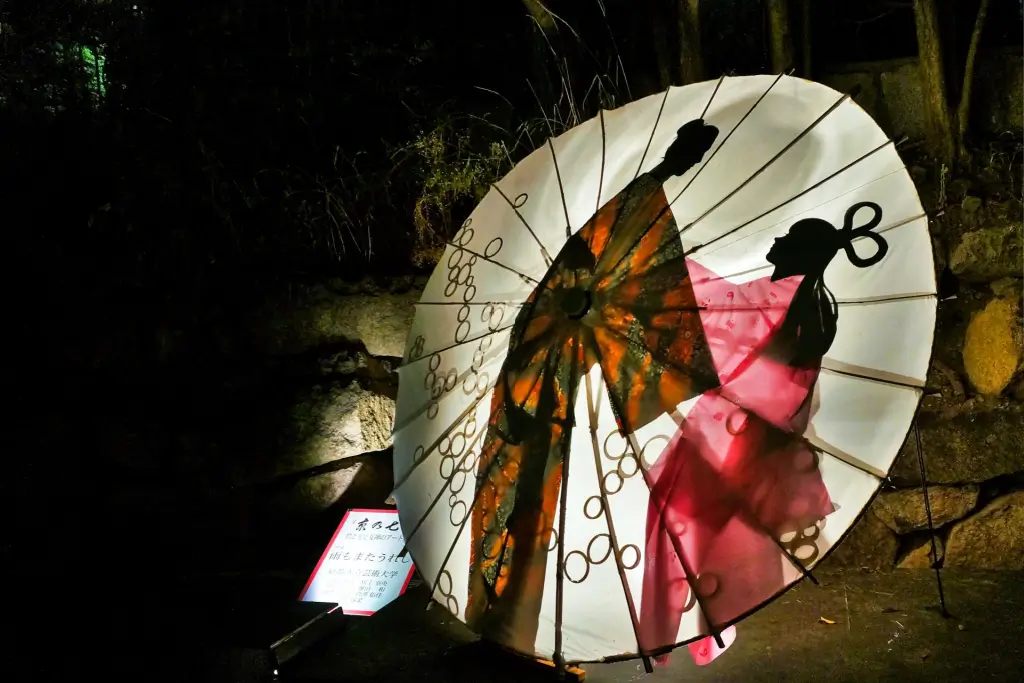
Orihime and Hikoboshi are central figures in a Japanese legend connected to the Tanabata festival. Their story is linked to seasonal celebrations that happen each summer. The legend has been shared in Japan for centuries through storytelling, education, and public events. It involves characters whose lives are shaped by duty, relationships, and the passage of time. Today, the tale helps explain why certain customs are practiced during Tanabata.
The Origins of the Orihime and Hikoboshi Legend
The story of Orihime and Hikoboshi originated in ancient China during the Qixi Festival. That festival described two lovers separated by the Milky Way, whose meeting depended on specific timing. Through cultural exchange, the tale reached Japan during the Nara period. At that time, many Chinese stories and rituals were brought into Japanese court culture. This process introduced the legend into early Japanese society.
As the story spread across Japan, it was adapted to local uses and meanings. The characters received Japanese names and clearer social roles. References to the legend appeared in poetry, historical records, and early seasonal practices. These adaptations helped the tale circulate throughout different regions. Over time, it became tied to summer observances and community customs.
Who is Orihime in the Story
Orihime is described as the daughter of the Heavenly King and as the Weaving Princess. She lives beside the celestial river known as the Milky Way. Her main task is weaving cloth that is valued for its quality and beauty. She works constantly, leaving her little personal time and few social connections. This situation becomes a concern for her father.
Orihime’s role in the story highlights responsibility and technical skill. Her weaving represents the steady effort and specialized labor that were highly valued in traditional society. Because she devotes most of her time to work, she has few opportunities for personal relationships. This imbalance between duty and personal life is an essential element of the legend.
Who is Hikoboshi in the Story
Hikoboshi is a cowherd who lives on the opposite side of the Milky Way from Orihime. He is known for being attentive and consistent in caring for his cattle. His daily routine is stable and grounded in responsibility. When he meets Orihime, their initial connection forms quickly. Their relationship leads to marriage soon after they meet.
Hikoboshi’s work reflects diligence in a different form from Orihime’s weaving. His responsibility centers on physical labor and consistent care rather than production. Together, their roles show two complementary types of effort valued in the story. When their attention shifts away from these duties, problems begin to appear.
Are you looking for great snacks for Valentine’s Day? Check out Sakuraco! Sakuraco delivers traditional Japanese snacks, sweets, teas, and more from local Japanese makers right to your door!

Why Orihime and Hikoboshi Are Separated
After their marriage, Orihime weaves less frequently than before. Hikoboshi also becomes less focused on caring for his cattle. Their reduced effort causes disorder in the heavens rather than harmony. This loss of focus affects not only the individual but also those around them. The Heavenly King responds to these changes with concern.
To address this issue, the Heavenly King makes a difficult decision. He separates the couple by placing the Milky Way between them so they cannot meet freely. This separation forces them to return to their duties. The lovers remain apart for most of the year. Their separation then becomes a defining part of the legend.

How the Once-a-Year Meeting Works
Orihime becomes distressed by the forced separation and asks her father for another chance. The Heavenly King listens to her concerns and agrees to a condition. He allows them to meet once each year if they maintain their responsibilities. The meeting date is set as the seventh day of the seventh month. This timing later becomes the date of the Tanabata festival.
During their annual meeting attempt, Orihime and Hikoboshi must cross the Milky Way. According to the story, a group of magpies forms a bridge with their wings. This bridge allows the lovers to reunite briefly across the river of stars. If it rains heavily, the river becomes too swift for the birds to form a bridge. When conditions are too complex, the meeting may be postponed until next year.
Orihime, Hikoboshi, and the Stars
In the night sky, Orihime is associated with the star Vega. Hikoboshi is linked to the star Altair. These two stars lie on opposite sides of the Milky Way, which supports the legend’s imagery. Their positions in summer skies align with when the Tanabata festival is held. This astronomical association helps connect the myth to observable celestial bodies.
Vega and Altair are among the brightest stars visible in the summer sky from Japan. During the Tanabata period, many people look for them after dusk. Seeing both stars can help people visualize the lovers’ separation and reunion. Weather conditions affect whether these stars are visible. This connection gives practical context to the timing of the legend and the festival.
What Does This Story Explain About Tanabata?
Why is Tanabata celebrated on a specific date in summer? The legend of Orihime and Hikoboshi explains this through the lovers’ annual meeting. The seventh day of the seventh month marks when they are allowed to reunite. This connection imbues the festival’s timing with cultural significance. It makes the story part of seasonal practice rather than a separate myth.

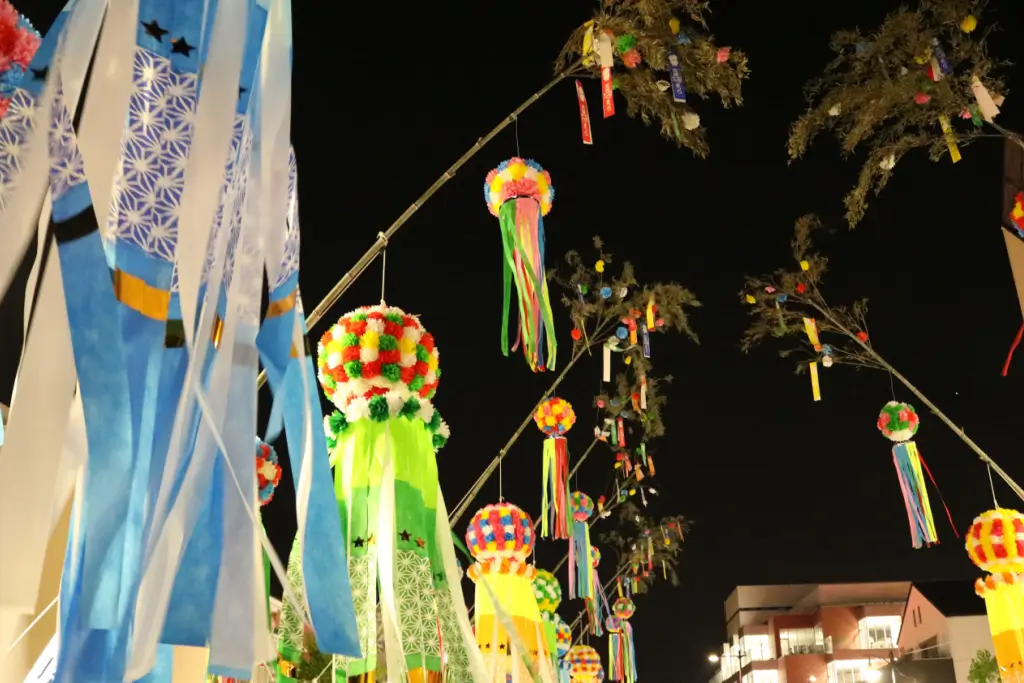
Why do people write wishes during Tanabata? The legend emphasizes the importance of effort, responsibility, and personal growth. People link these themes to their own goals by writing them on small strips of paper called tanzaku. These wishes are then hung on bamboo branches during the festival. This practice ties the myth to everyday hopes and plans. It also encourages participation in the seasonal tradition. Have you heard of this legend before? What do you think about Tanabata? Let us know in the comments below!