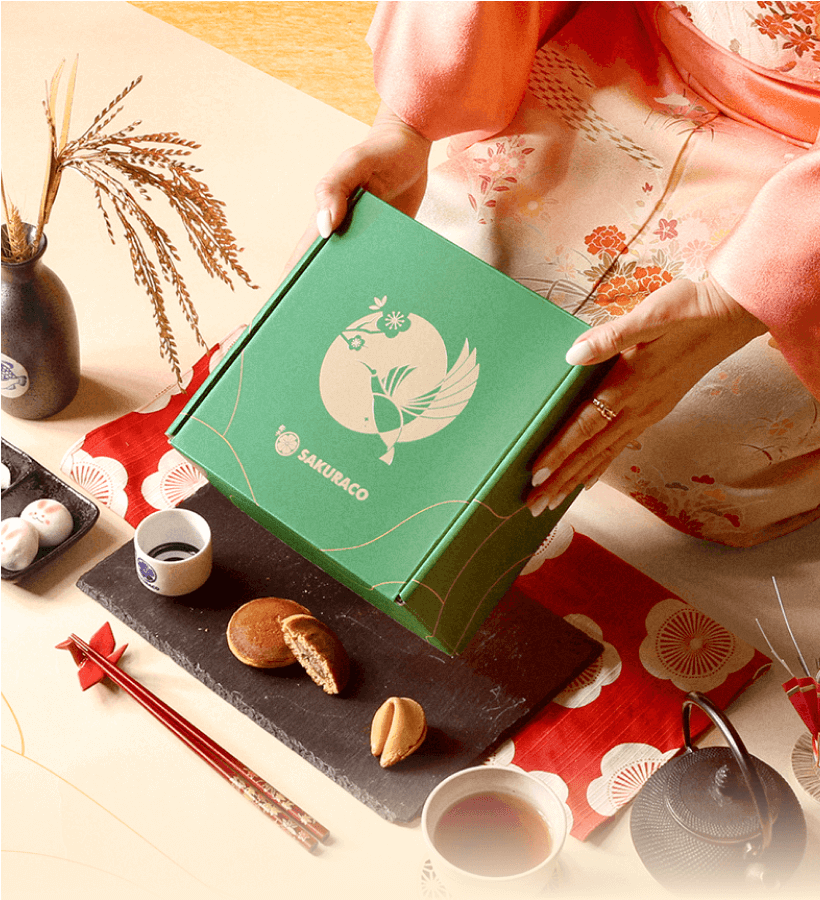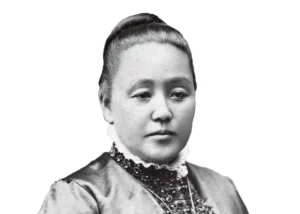



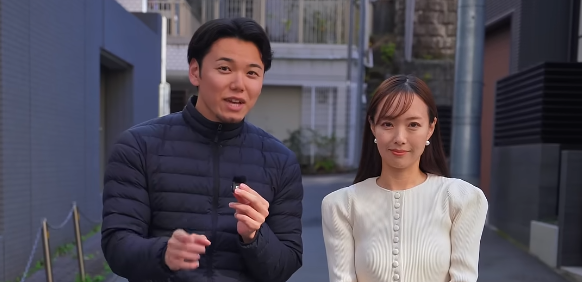
At Sakuraco, we love sharing stories that connect people to Japan in meaningful ways—not just through snacks, but through the voices and experiences behind its culture. Today, we’re excited to feature Takashii, (TAKASHii from Japan), a creator known for his thoughtful street interviews that explore perspectives, culture, and human connection. In this interview, he shares insights into his creative process, what he’s learned from speaking to so many people, and how his journey has shaped the way he sees Japan today.
TAKASHii From Japan Discusses His Creative Process & Perspective
Q: Your questions often seem simple, but they often lead to very deep answers—how do you come up with them?
I ask open-ended questions that are simple enough to let people share their own experiences and perspectives, so they can relate to the topic on a personal level.
Q: Has doing these interviews changed how you personally see Japan?
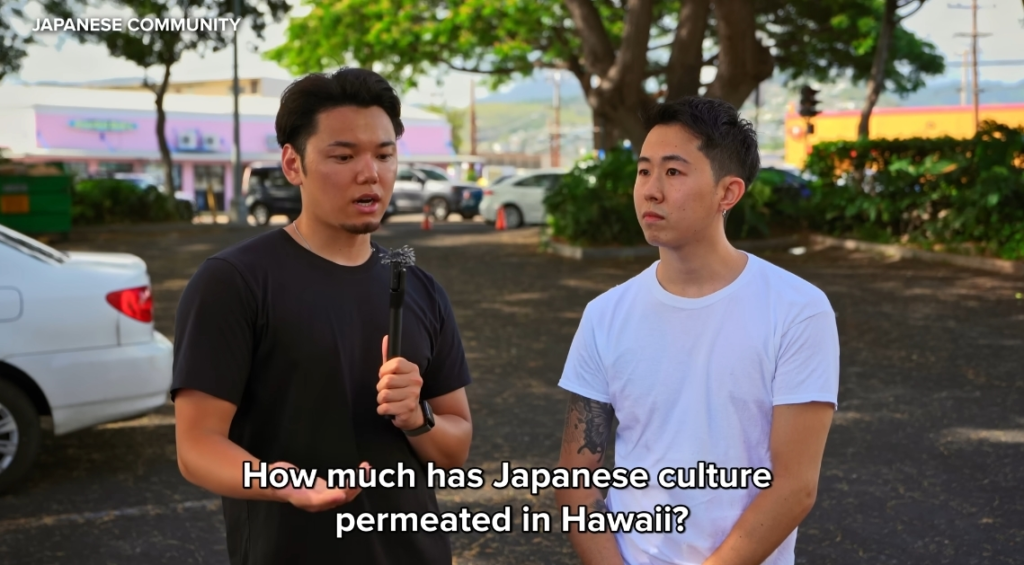
Yes, a lot. I realized there’s a gap between how Japanese people see Japan and how foreigners see it. As someone born and raised here, I didn’t notice it until I started talking to people from abroad. That gap is what makes my content interesting.
Q: After interviewing so many people, what’s something about Japan that surprised even you?
I realized that even within Japan, there’s a wide range of diversity. Places like the countryside, Tokyo, Kyoto, Okinawa, and Hokkaido all have different lifestyles, values, dialects, and food. Despite being a small island nation, Japan is surprisingly diverse.
Cultural Perspective
Q: What’s something about Japan that often surprises foreigners?
Cleanliness, convenience, safety, great food, and recently, affordability.
Q: And on the flip side, what’s something Japanese people often find surprising about foreigners?
A common point is individualism. Japan tends to be more group-oriented, so the idea of doing what you want or saying what you think—putting yourself first—can be surprising to many Japanese people. But it’s not about right or wrong, just a difference in culture.
Q: Do people ever tell you your videos changed their perspective?
Yes, quite often. Many people only knew Japan through anime or Instagram, but after watching my videos—especially on YouTube—they get to see the unique values, culture, and manners of Japanese people that you wouldn’t notice as a tourist. I often hear that it changes how they see Japan.
Content & Behind the Scenes
Q: What’s the hardest part of your process: approaching strangers, filming, or editing?
Filming is definitely the hardest part. Since I usually shoot outside in Tokyo, things like weather—rain, wind, extreme heat or cold—can really affect the shoot. Even when I schedule in advance, it often gets canceled and has to be rescheduled. Creators I know in places like California don’t really have to worry about that, so it can be a disadvantage. But on the flip side, I can leave my camera on a tripod without worrying about it getting stolen, which is a big advantage.
Q: How do you decide which interviews make it into the final cut?
I edit based on whether something is informative or educational for my audience. For example, if someone says Japan is safe, I might not include it since that’s already widely known. But if they add something more specific—like how it feels unsafe to ride a bike because there aren’t proper bike lanes and you have to share the road with cars—that gives a new perspective. In that case, I’d include it, whether it’s positive or negative.
Human & Memorable Moments
Q: What’s the most memorable or emotional answer someone has given you?
I once interviewed an elderly Japanese man and asked him whether he would support or oppose his grandchild marrying a foreigner. He said that in the past, he would have been completely against it, but his thinking changed as more foreigners came to Japan and he had more interactions with them.
I found that really compelling—it’s still one of the most memorable interviews I’ve had.
Q: What’s the most unexpected or funny answer you’ve ever gotten?
One unexpected moment was when someone gave a completely opposite answer from what I expected based on stereotypes. Those moments remind me not to assume anything and to stay open to individual perspectives.
Q: Have you ever come across a topic that was challenging to film or made you think twice about sharing it?
I sometimes cover topics like war history, so when I went to Hiroshima and interviewed an atomic bomb survivor, I was very careful—especially because I have a large American audience. I didn’t hesitate to publish it, but I thought a lot about how to structure the storytelling.
At the same time, I don’t do this just as a business—I see it as my mission. If my goal is to present Japan’s perspective to the world, then I believe this is something I can’t avoid.
Origin & Journey
Q: How did you start your channel? Was it just for fun at the beginning, and did you always plan to focus on street interviews?
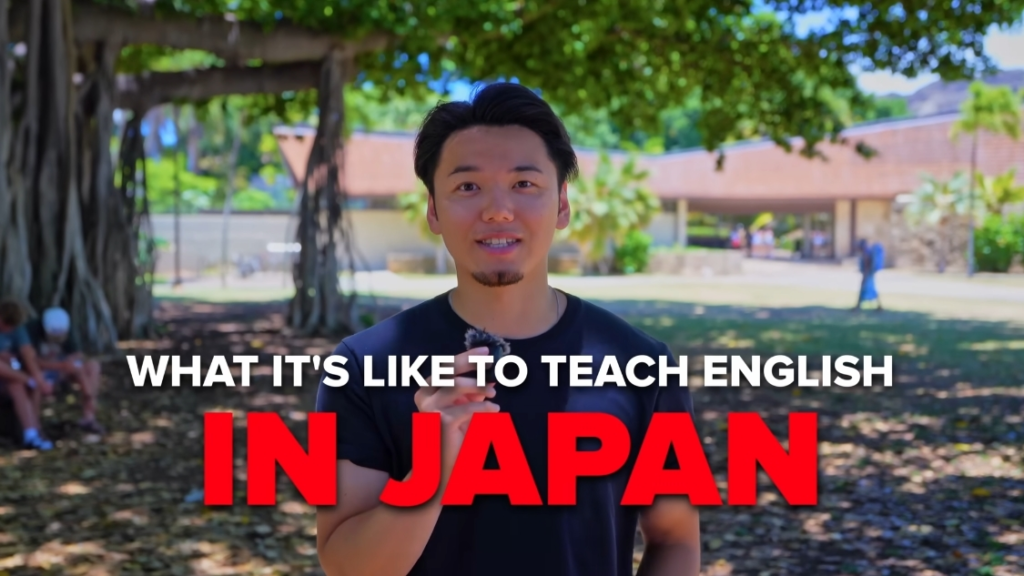
I majored in English and American literature in university, so I wanted to use English in my career. But when COVID hit, opportunities in fields like airlines and travel—where I could connect with people abroad—basically disappeared. So I decided to start something on my own.
I chose interviews because they’re one of the lowest-cost types of content. Also, I’ve never found it difficult to approach people, so it felt like a natural fit for my skills.
Q: Was there a video that really changed the trajectory of your channel?
From the beginning, I wanted to capture sides of Japan that mainstream media doesn’t usually show. So I was always interested in topics like mixed-heritage Japanese, Japan’s work culture, and foreigners who have learned Japanese—things I didn’t see being covered much. When I tried them, I found there was real demand.
Growth
Q: What advice would you give to someone who’s just starting to grow their YouTube channel?
There are three essentials I always emphasize when starting YouTube.
First, just start. Most people say they will, but never do.
Second, keep going. Most people quit, so simply continuing already puts you ahead of almost everyone.
Third, keep improving. Consistency alone isn’t enough—you have to keep getting better.
If you can start, stay consistent, and keep improving, you’re already part of a very small minority. Also, don’t aim for perfection—focus on learning as you go, because no one makes great videos from the beginning.
Exploring Japanese Culture Through Sakuraco
Q: You’ve featured a lot of Japanese snacks—what makes traditional snacks a meaningful way for people abroad to connect with Japanese culture?
I think Japanese snacks are one of the best ways to understand Japanese craftsmanship. In Japan, high quality is expected across all fields—cars, food, fashion—and snacks are no exception.
So by experiencing these snacks, you can get a sense of that craftsmanship. And since there are unique snacks from all over Japan, from Hokkaido to Okinawa, they also become a fun way to explore and understand different regions of the country.
Q: Seasonal and regional flavors are a big part of Japan. How do you think experiencing these helps people outside Japan better understand the culture?
Japan has four distinct seasons, and seasonal events and traditions vary greatly by region. What’s great about Sakuraco is that each month highlights a specific region or seasonal theme.
I read the booklet every month, and it’s designed in a way that makes me want to visit those places. Through the writing, visuals, and stories of the people, it goes beyond just snacks and really captures the charm of each region—I think that’s what makes it special.
Favorite Snacks
Q: Do you have a favorite wagashi or traditional snack that brings back a strong personal memory?
My perspective as a Japanese person is a bit different from many overseas subscribers, but what stands out to me is that in every Sakuraco box, there’s always at least one snack that reminds me of my grandmother.
When I was a kid, I used to eat things like senbei and manju at her house, and those memories feel very nostalgic. Now that I live in Tokyo as an adult, I don’t have many chances to eat traditional sweets. So whenever I find something like that in a Sakuraco box, it always reminds me of my family and my hometown.
Q: From the Sakuraco boxes you’ve tried, was there a snack that really stood out—either for its taste or the story behind it?
The Okinawa-themed Sakuraco box really stood out to me. I’ve been to Okinawa several times with friends, and it’s one of my favorite places, but I hadn’t really experienced Okinawan snacks there.
So seeing them in the box made me think, “I want to try this next time I go.” When snacks from a place I love are featured, it makes me really happy. And since I hadn’t tried them before, it made me want to experience them properly—like having sata andagi in Okinawa. That’s why it left a strong impression on me.
What TAKAShii From Japan Likes About Sakuraco
Q: If someone is trying Sakuraco for the first time, what kind of feeling or experience would you hope it gives them?
I think there are many ways to understand Japan more deeply—whether it’s through my YouTube, anime, or Japanese food. But the reality is that not everyone can actually visit Japan. It’s an island country, and for many people, it takes 10 hours or more to get here, so it’s not somewhere you can easily come to often.
That’s why I think tools like Sakuraco are really valuable. Today, you can learn about different cultures from anywhere in the world, and Sakuraco allows you to experience Japan and enjoy it from your own home.
Another thing I like is that it arrives every month. In daily life, we all go through busy or stressful periods—work, school, raising a family—but having something small to look forward to each month makes a big difference.
And on top of that, it’s not just about snacks. It also helps you understand Japan more deeply. That’s why I genuinely think it’s a great service.
———
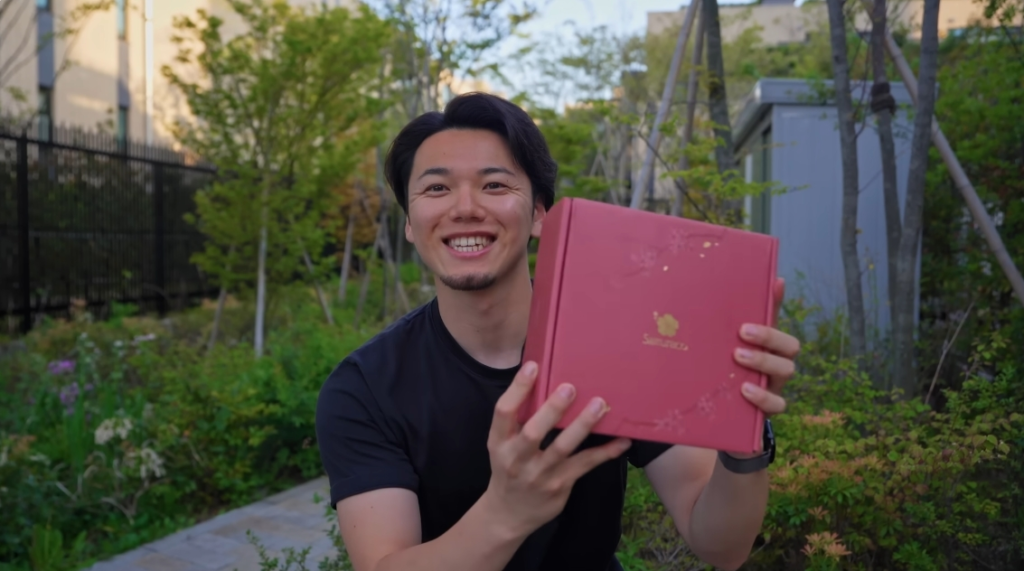
Through his interviews, Takashii from Japan highlights how understanding a culture often begins with small, everyday moments and genuine curiosity—something that can be experienced in many different ways.
A big thank you to Takashii for taking the time to share his thoughts and experiences with us. Just like his interviews, discovering Japan can be about small, meaningful moments—whether through a conversation, a new perspective, or even a taste of something seasonal and unique. If you’d like to experience Japan through its regional and traditional flavors, Sakuraco offers a curated selection of authentic snacks delivered straight from local makers across the country.