


A visit to Fukui Prefecture would hardly be complete without stopping by the famous Fukui Prefectural Dinosaur Museum. It’s considered one of the world’s top dinosaur museums and has become a place where imagination and learning walk side by side.
Recently, the museum has drawn even more attention thanks to an exclusive exhibition featuring chocolate dinosaurs. Let’s explore Fukui Prefecture, its dinosaur story, and this special chocolate dinosaur event together!
What kind of place is Fukui Prefecture?
Fukui Prefecture is a calm place on the western coast of Japan’s main island, Honshu, facing the Sea of Japan and sitting gently between Kyoto and Ishikawa. It also belongs to the Hokuriku region and has long been a bridge between the sea and the mountains. Long ago, this area was known as Echizen and Wakasa, and these old names still appear in local culture and stories today. In 1881, the two regions joined to form Fukui Prefecture.
Over time, the prefecture became known for its deep history and calm spiritual life, primarily through temples and old towns. Eiheiji Temple, founded in the 13th century, played an essential role in the spread of Zen Buddhism and continues to welcome visitors seeking peace and focus. Nearby, the Ichijodani ruins tell stories of powerful samurai families who once ruled the area, helping visitors imagine life long ago.
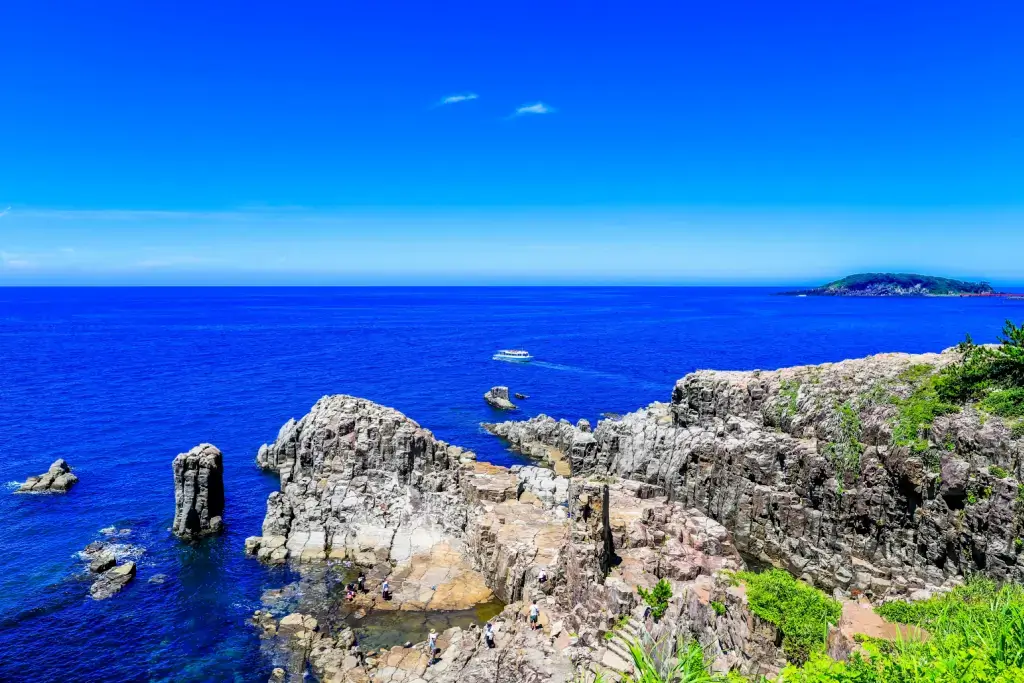
Nature is one of Fukui’s greatest highlights, and it appears everywhere you go, from mountains to sea. Along the coast, tall rocky cliffs shaped by waves create dramatic views that change with the weather. Inland, forests, rivers, and hills offer fresh air and peaceful walks.
What other fascinating aspects does this place offer?
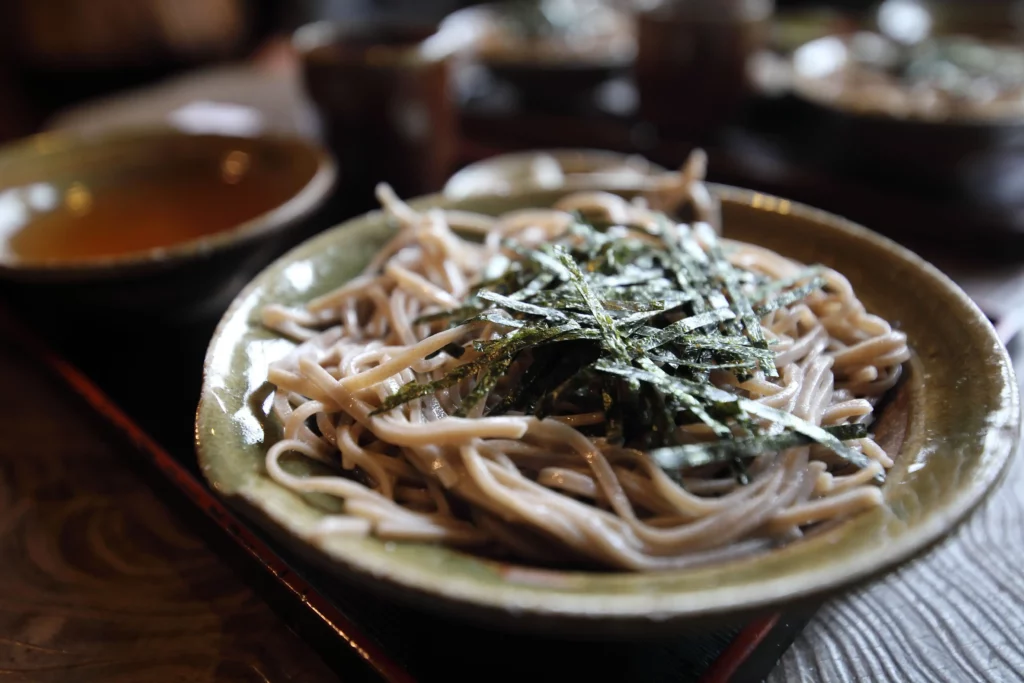
Because the land is rich and clean, local food is simple but full of flavor and warmth. Dishes like handmade soba noodles, fresh seafood, and gentle home-style meals reflect the seasons and the sea. Eating in Fukui often feels like sharing a meal with kind neighbors. This close link between nature and food gives the prefecture a comforting and honest taste.
Fukui is also lively during events and festivals that bring people together with joy and tradition. Throughout the year, towns celebrate with paper lanterns and parades. A well-known example is the Tsuruga Festival, one of the oldest celebrations in the region, which features colorful floats that fill the streets. In Obama City, the Omizuokuri ritual lights up the night with flaming torches as people pray for peace and safety. Together, these festivals show community bonds and timeless beliefs.
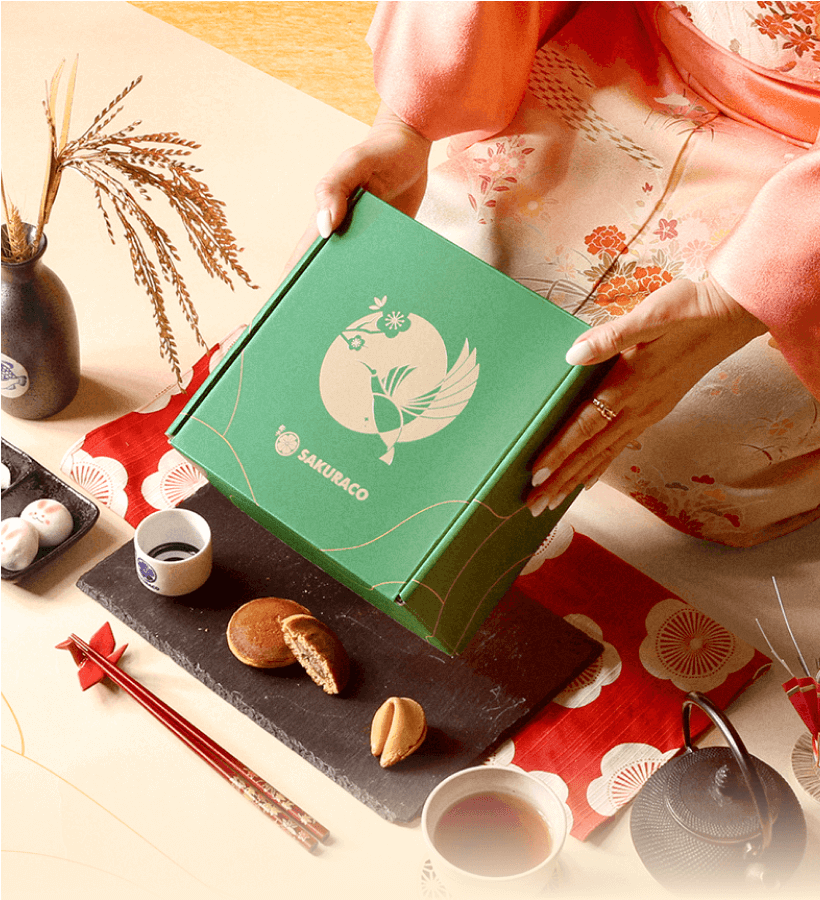
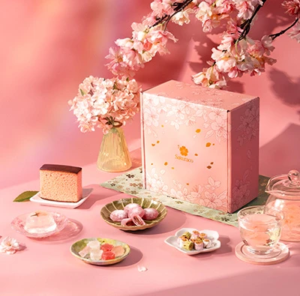
Are you looking for great snacks from places like Fukui? Check out Sakuraco! Sakuraco sends traditional Japanese snacks, teas, and sweets from local makers straight to your door each month. They are perfect to enjoy with your daily drink.

How has the prefecture been connected to dinosaurs
Fukui Prefecture has a very special connection with dinosaurs because of its land and history, especially around Katsuyama City. This area sits near mountains and rivers where ancient layers of earth were formed millions of years ago. During the early age of dinosaurs, this land was part of a large continent, which helped preserve dinosaur remains beneath the ground. In the 1980s, people began to find important fossils here, starting with bones and later complete dinosaur remains. Later, scientists discovered many species and learned that Fukui held most of the dinosaur fossils found in Japan.
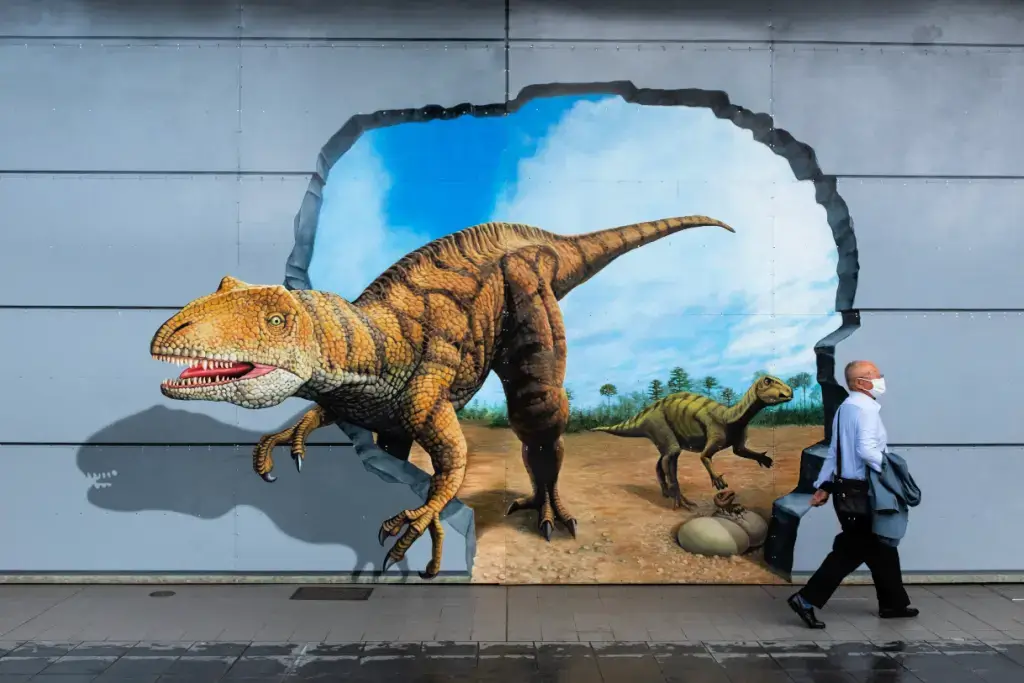
Thanks to these discoveries, the prefecture slowly became known as a key site for the study of ancient life. The Fukui Prefectural Dinosaur Museum was built close to the fossil sites in Katsuyama. The museum opened in 2000 and quickly became the most extensive dinosaur museum in Japan. Inside, visitors can see many real skeletons found nearby, along with life-size models. Visitors can also watch scientists work, touch real fossils, and enjoy simple activities.
Let’s admire the chocolate dinosaurs at the museum!
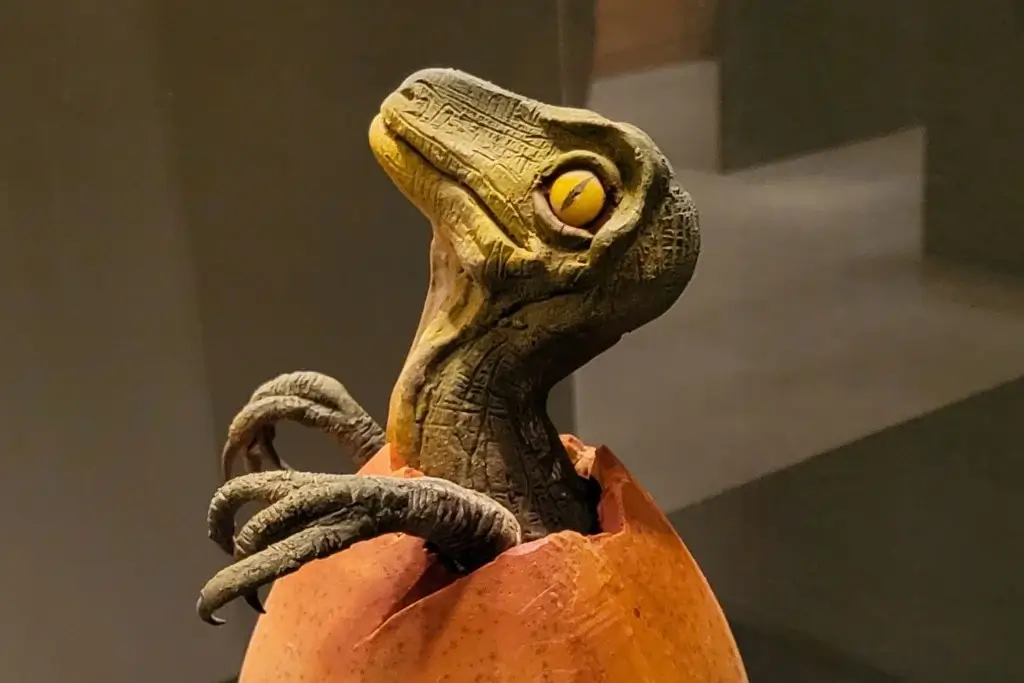
Here, visitors are welcomed by chocolate sculptures that look alive, yet are made with great care and patience. These creations were crafted by Susumu Koyama, a renowned chocolatier among the world’s top 100 chocolate masters. His lifelong love for dinosaurs inspired him to turn chocolate into a storytelling tool.
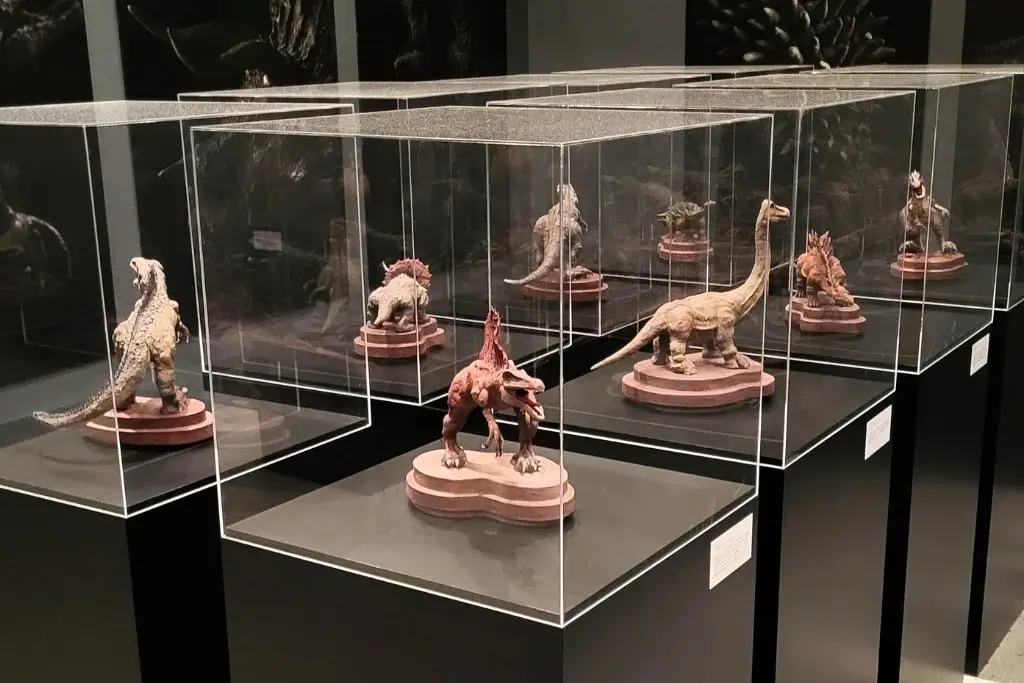
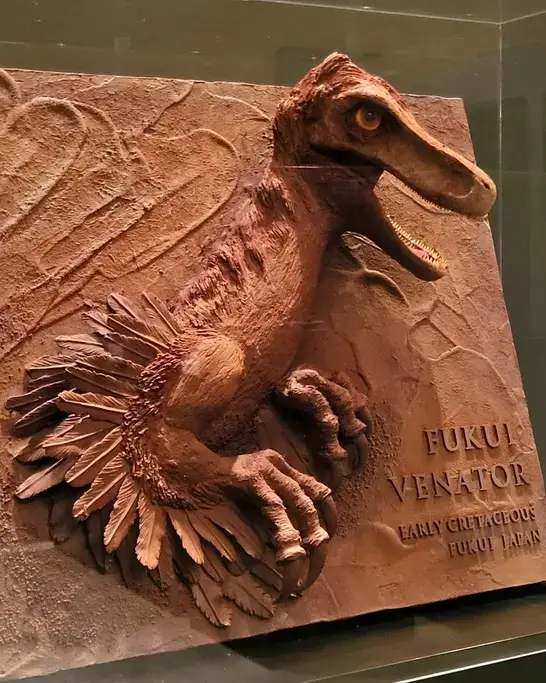
The exhibition presents 11 chocolate dinosaurs, each carefully crafted with gentle skill. This collection first appeared at the Felissimo Chocolate Museum in Kobe in 2024 and later traveled to Fukui to meet a new audience. One striking piece to mention is the Fukuivenator, a dinosaur found in Fukui, carefully recreated by Koyama with feather textures that feel almost real.
Why should I visit the Dinosaur Museum in Fukui at this time?
Right now, the museum feels especially meaningful as it connects the ancient past with present-day creativity, helping visitors slow down and look at history with new appreciation. An exclusive exhibition is currently on view, featuring lifelike chocolate dinosaurs created by a world-renowned pastry chef, which adds a gentle sense of wonder to the visit. These works quietly show how a childhood love can grow into something meaningful and beautiful.
Since the exhibition runs until February 23rd, this season feels especially thoughtful for families and quiet travelers. What kind of memories or feelings would you hope to take home from a visit like this? Share your thoughts in the comments below!