


Japanese rock gardens are often linked to Zen Buddhism and are designed to calm the mind. They can be found in temples, private homes, and historic locations across Japan. These gardens use simple designs to share deep spiritual ideas. Instead of plants or water, rock gardens use stones, raked sand, and empty space. Each element is carefully placed to create meaning and balance.
Rooted in Buddhist philosophy, rock gardens are more than decoration. They are spaces for meditation, quiet thought, and self-reflection. The gardens encourage visitors to slow down and focus inward. Japanese rock gardens are important symbols of Zen Buddhism and Japanese culture. Though they look simple, every detail has a purpose.
The Buddhist Roots of Japanese Rock Gardens
Buddhism arrived in Japan during the 6th century and gradually shaped the country’s spiritual and artistic practices. Zen Buddhism, in particular, emphasized meditation, discipline, and mindfulness. As Zen temples spread across Japan, monks sought physical spaces that supported quiet contemplation. This need led to the development of Japanese rock gardens.
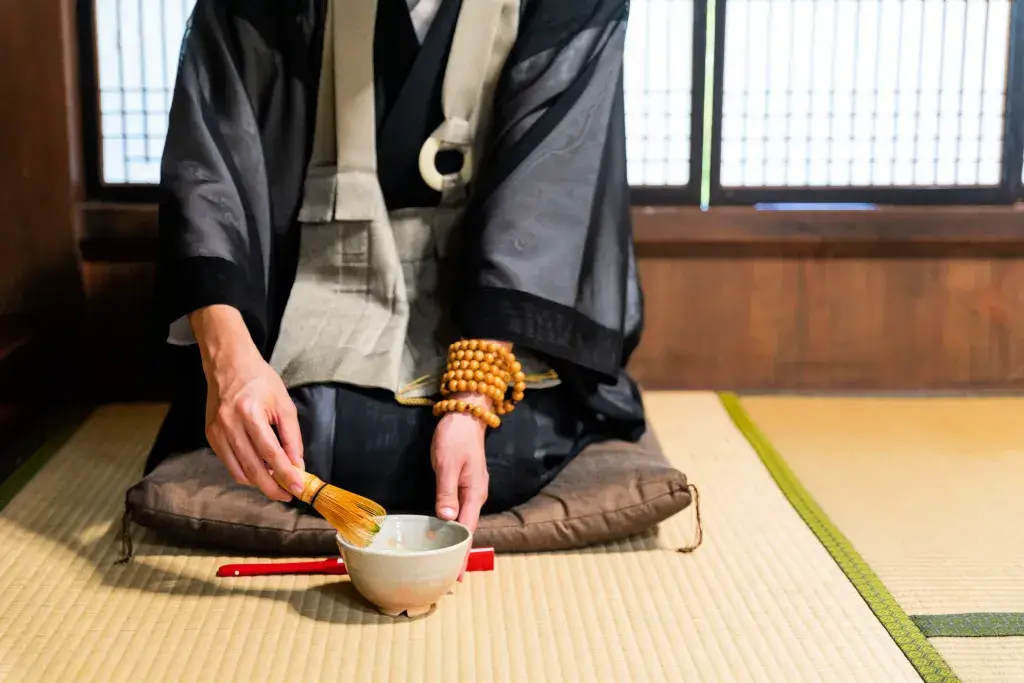
Unlike gardens meant for walking or leisure, rock gardens were created to be viewed from a seated position. Monks would meditate while facing the garden, allowing the simple arrangement of stones and sand to guide their thoughts. The absence of unnecessary detail helped remove distractions, reinforcing Zen teachings about simplicity and impermanence. Over time, these gardens became a visual expression of Buddhist ideas, translating spiritual concepts into physical form.
Understanding Karesansui: The Dry Landscape Style
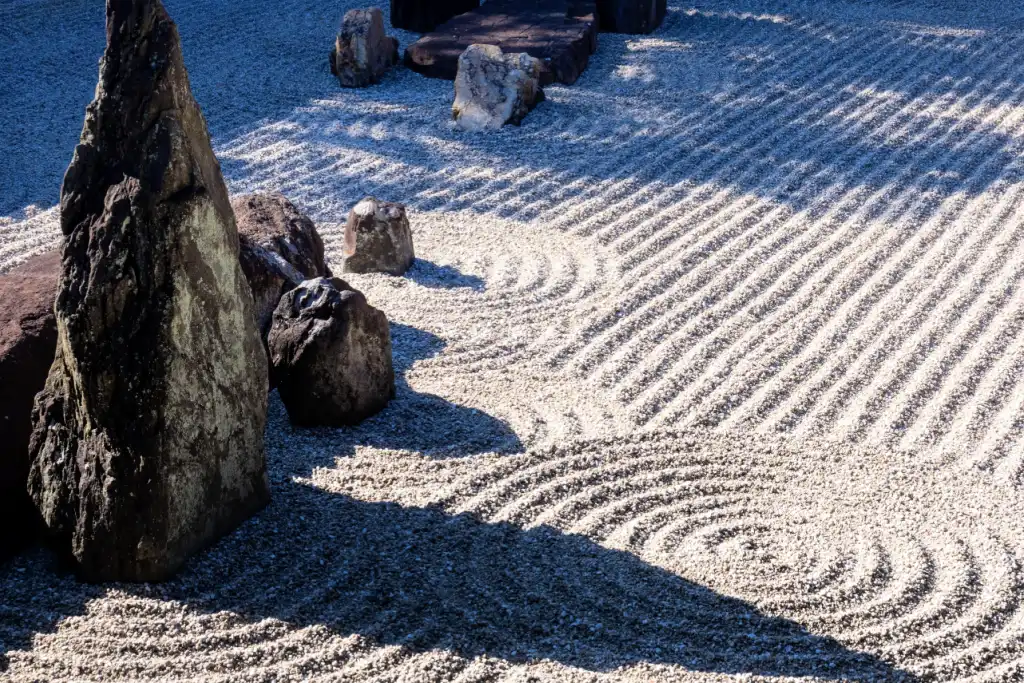
Japanese rock gardens are commonly known as karesansui (dry landscape). Instead of real water, sand and gravel are used to symbolize rivers, oceans, or waterfalls. Carefully placed stones represent mountains, islands, or living beings within a natural scene.
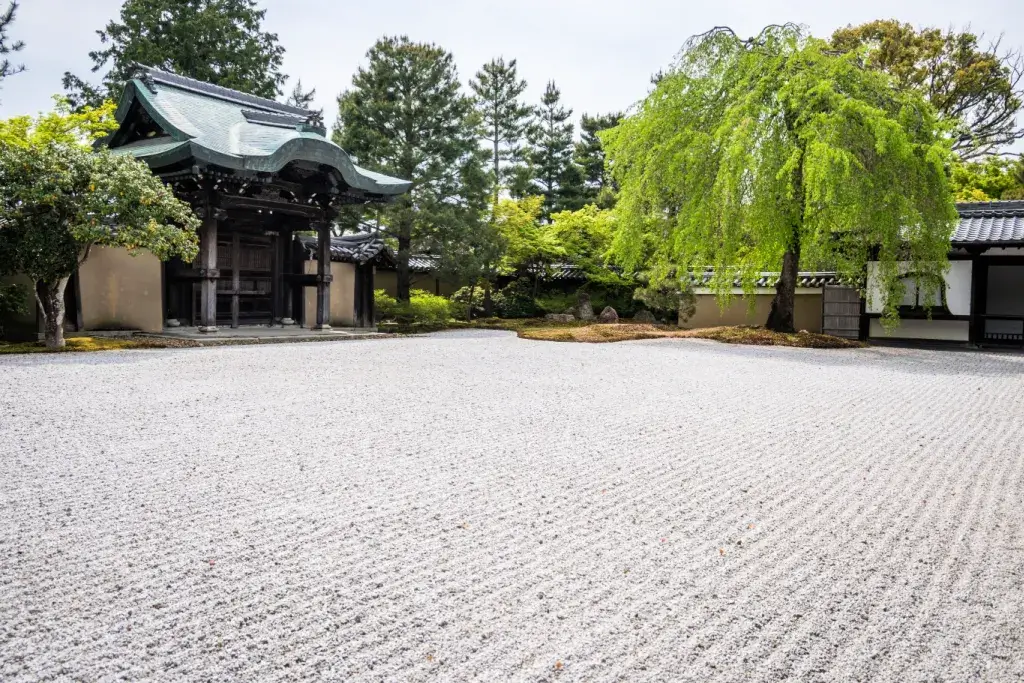
This symbolic approach allows a small space to reflect a much larger landscape. A single rock grouping may suggest an entire mountain range, while a stretch of raked sand can represent the sea. Empty space plays an important role as well, encouraging imagination and interpretation. Karesansui gardens are valued for their calm appearance and abstract beauty. Each viewer may see something different, which aligns with Zen ideas about personal understanding and awareness.
Are you looking for an authentic taste of Japanese culture at home? Then check out Sakuraco! Sakuraco delivers traditional Japanese snacks, sweets, teas, and more from local Japanese makers right to your door!

Sand, Space, and the Art of Raking
One of the most recognizable features of a Japanese rock garden is the raked sand or gravel. These patterns are not random. Straight lines, curves, and circular shapes are carefully created to suggest the movement of water or waves around rocks. Raking is often performed daily, especially in temple gardens.
For monks, this task is a form of meditation. The repetitive motion encourages focus, patience, and presence in the moment. Any disruption to the pattern, such as footprints or fallen leaves, is intentionally removed. The sand also serves as a negative space. By leaving areas empty, the garden emphasizes stillness and balance. This quiet openness is just as meaningful as the stones themselves.
Choosing and Placing Stones with Intention
Stones are the foundation of every rock garden, but not all stones are suitable. In Japanese culture, great care is taken when selecting rocks based on their size, shape, texture, and age. Weathered stones are often preferred, as they reflect the passage of time and natural change.
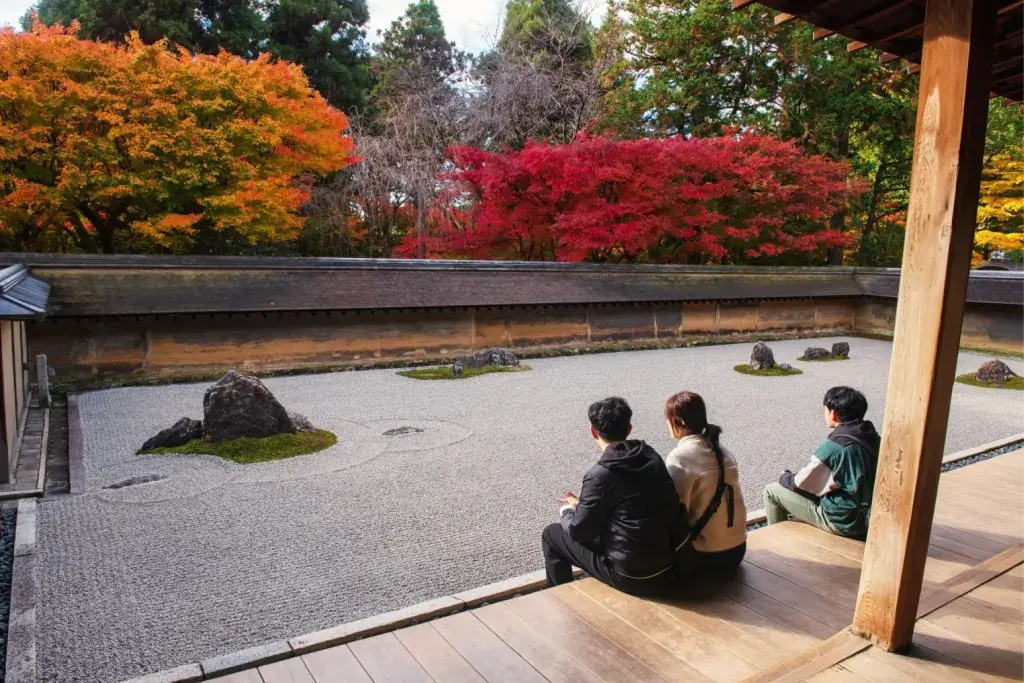
Placement is equally important. Upright stones may symbolize mountains or strength, while flat stones can represent land or calmness. Stones are usually arranged in odd-numbered groupings to create a more natural, unforced look.
Symmetry is generally avoided. Instead, asymmetry is used to reflect nature’s irregular patterns. Improper placement is traditionally believed to disrupt harmony, reinforcing the idea that balance is essential in both gardens and life.
Rock Gardens Beyond the Temple Grounds
While Japanese rock gardens originated in Zen temples, their influence eventually spread beyond religious spaces. Today, small rock gardens can be found in private homes, courtyards, and even modern buildings. These scaled-down gardens offer moments of peace amid the busy daily routine.
Public gardens attached to temples remain popular destinations for both locals and travelers. Visitors often sit quietly, observing the garden from a distance rather than walking through it. This experience reflects the garden’s original purpose as a place for thought, not movement. Rock gardens are appreciated year-round. Seasonal changes, such as falling leaves or soft snowfall, add subtle beauty without altering the garden’s core design.
The Historical Rise of Rock Gardens in Japan
The earliest known Japanese rock gardens appeared during the Kamakura period in the 13th century. Kamakura, then Japan’s capital, became an important center for Zen Buddhism. Gardens built during this time were influenced by Chinese landscape painting and philosophy.
When the capital later moved to Kyoto, Zen culture flourished even further. From the 14th to the 16th centuries, many of Japan’s most famous rock gardens were constructed. These gardens reflected refined artistic ideas and became central features of temple complexes. Kyoto remains closely associated with traditional Japanese gardens due to its long history.
Famous Zen Rock Gardens in Kyoto
Kyoto is home to some of Japan’s most celebrated rock gardens. One of the best-known examples is Ryoan-ji Temple, a UNESCO World Heritage Site. Its minimalist design features fifteen stones arranged in a sea of white gravel. From any viewing angle, at least one stone remains hidden, symbolizing the limits of human perception.
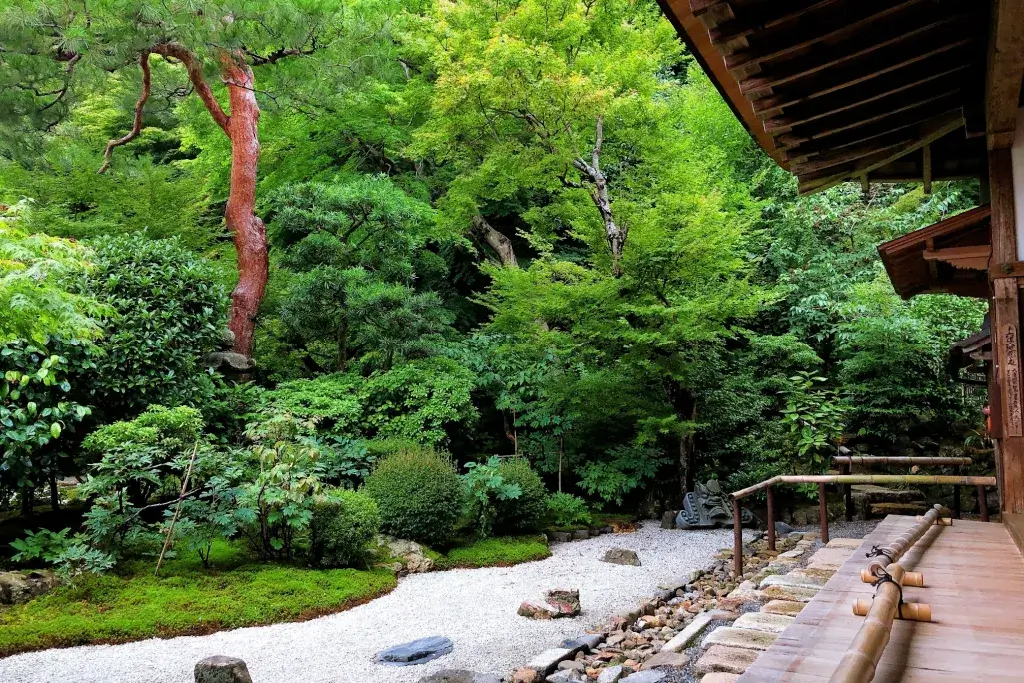
Kennin-ji Temple, one of Kyoto’s oldest Zen temples, also features striking rock gardens that blend tradition with bold design. Tofuku-ji Temple offers a more modern interpretation, combining geometric layouts with classic Zen elements. Designed by landscape architect Mirei Shigemori in 1939, its gardens bridge the past and present. Each site offers a unique interpretation of the rock garden while staying true to Zen principles.
Why Japanese Rock Gardens Still Matter Today
Japanese rock gardens continue to resonate because they address a universal need for calm and reflection. In a fast-paced world filled with noise and distraction, these gardens offer a reminder of simplicity and mindfulness. Whether experienced at a historic temple or recreated in a small home space, a rock garden encourages observation over action. It invites viewers to pause, breathe, and reflect.

Japanese rock gardens are more than cultural landmarks. They are living expressions of Buddhist philosophy, nature, and human creativity. Have you ever visited a rock garden, or would you like one in your own space? Let us know in the comments below.