


In the heart of Kyoto, a long-forgotten sweet from Japan’s past has returned. It’s called nanban mochi (a Japanese rice cake flavored with foreign ingredients). It blends Japanese traditions with European cooking styles. This rice cake shows how cultures mixed during the Warring States Period. Powerful warlords, like Oda Nobunaga, once enjoyed this sweet treat.
Today, nanban mochi has been carefully recreated, drawing on history and tradition. This revival is more than making a dessert. It helps us understand Japan’s first encounters with foreign ideas and foods. Keep reading to learn how eight ancient words brought this forgotten sweet back to life.
What Is Nanban Mochi?
Nanban (southern barbarians) was a term used in medieval Japan to describe European visitors who arrived by sea. It described European visitors, such as Portuguese and Spanish traders and missionaries. They arrived in Japan by sailing from the south and introduced new foods and cooking techniques. Many of these foods were unfamiliar to people in Japan.
Mochi is the Japanese word for rice cake. However, this mochi is not made only from rice. It uses wheat flour and sugar instead. This makes it similar to European-style cakes. The mix of cultures made this Japanese dessert very unusual in the 1500s.
A Discovery Hidden in Eight Words
The modern revival of this rice cake began with a historical mystery. The sweet appears only once in old records. It was found in a document called Shokuchu Sanyojo. This document records money and goods at the Kamigamojinja shrine in Kyoto.
In March 1582, it mentioned nanban mochi, several hundred pieces. This short note caught the attention of historian Hiraku Kaneko. Kaneko is an expert on Oda Nobunaga. The shrine had close ties to Nobunaga at the time. The record suggests that this mochi celebrated his military victory.
He had defeated Takeda Katsuyori, a famous warlord’s son. It appears nowhere else in historical records. Because of this, experts believe it is scarce. It was likely served only at essential events for influential leaders.
Nobunaga and Nanban Culture
Oda Nobunaga was famous for more than his military strength. He was also curious about foreign cultures. Nobunaga welcomed Christian missionaries to Japan. He collected Western objects and studied European technology. Because of this, it was likely of interest to him. Foreign baking traditions inspired the sweet. Records show that Nobunaga attended cultural events at the Kamigamo Shrine. One event was the Kamo Kurabe-Uma horse race. This traditional race is still held today.
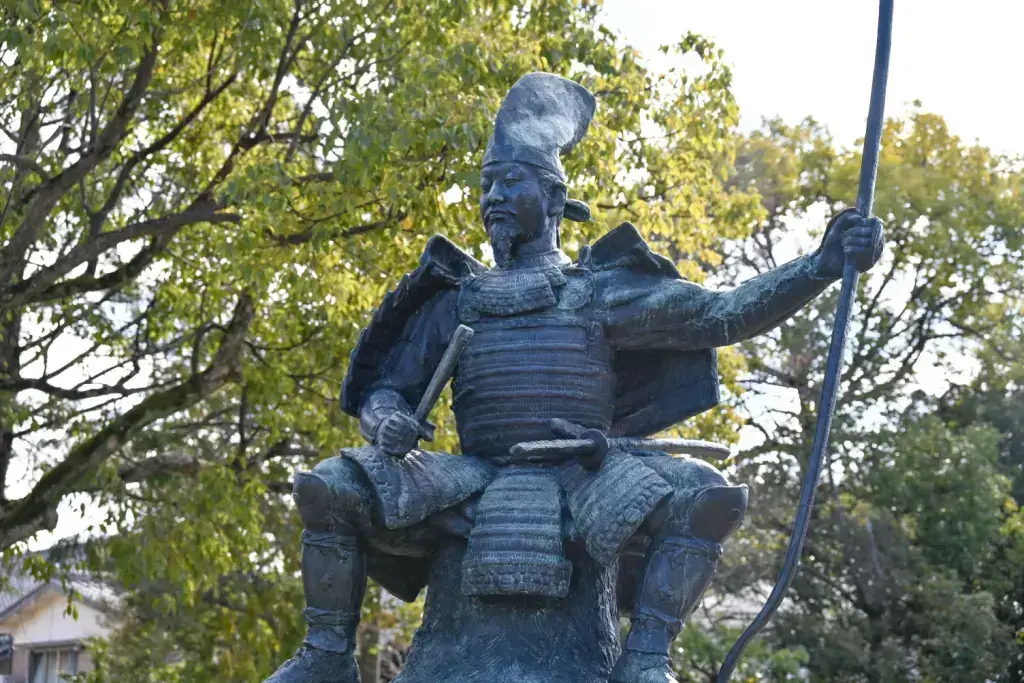
Offering this sweet delight showed respect and celebration. It may have been a special gift for a significant victory. The sweet also showed openness to new ideas. This was meaningful during a time of constant war and change.
Craving treats like nanban mochi? Then check out Sakuraco! Sakuraco delivers traditional Japanese snacks, sweets, teas, and more from local Japanese makers right to your door!

Bringing Nanban Mochi Back to Life
Recreating this mochi was not easy. Very little information about the sweet still exists. The project required creativity and careful research. Toshimitsu Takai, head priest of Kamigamojinja shrine, became very interested. He wondered what it tasted like long ago.
In April 2025, he contacted Kameya Yoshinaga, a historic Kyoto sweet shop. The shop was founded during the Edo Period. The confectioners studied old historical books for clues. One source was the Nanban Ryorisho cookbook. It described recipes influenced by foreign cultures.
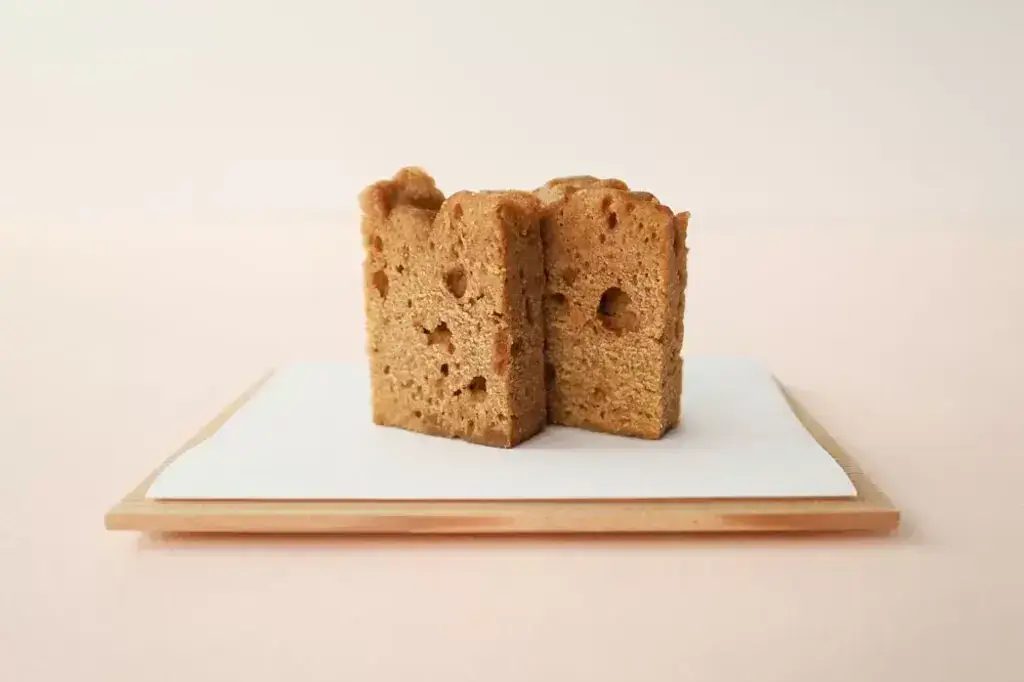
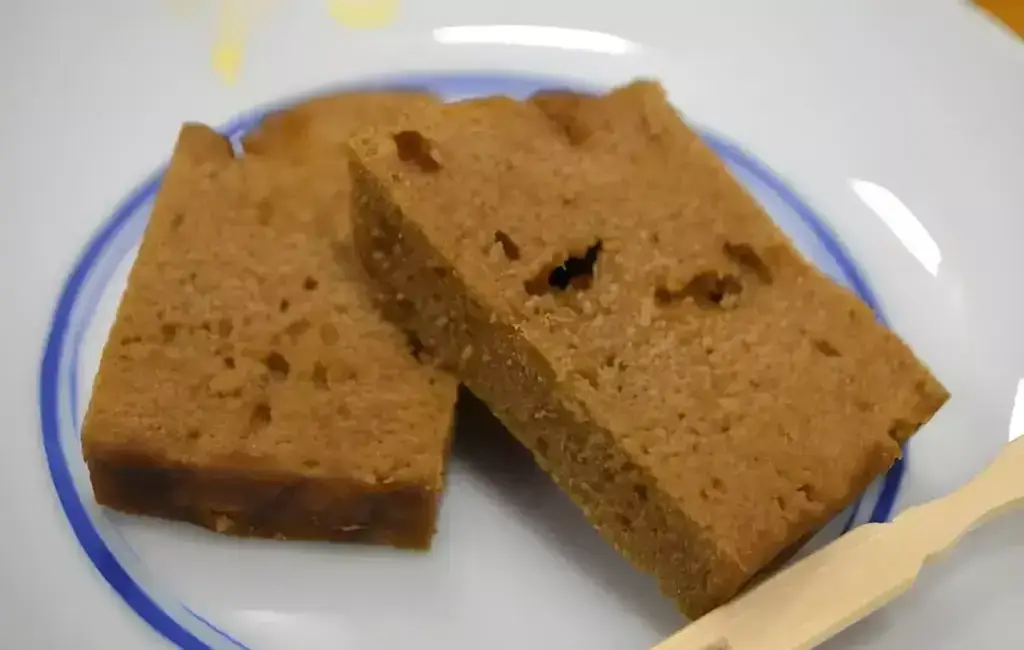
Using this research, they created a modern recipe. The goal was to respect history while pleasing today’s tastes. The revived sweet treat uses wheat flour and brown sugar. It also includes kudzu (a traditional Japanese plant starch) and water. The dough is carefully kneaded and steamed for 90 minutes. The finished cake is soft and lightly sweet. It has a gentle brown sugar smell. The texture is similar to a steamed bun.
A Sweet with Historical Meaning
It is simple and not overly sweet. Its true value lies in its story. Each bite connects today with Japan’s past. It reminds us of a time when Japan explored foreign ideas. At the same time, traditions were still significant.
The cake represents curiosity and cultural exchange. These qualities were common during Nobunaga’s time. Takai hopes visitors imagine eating the sweet long ago. He wants them to picture a warlord enjoying nanban mochi. The cake shows how food can carry history and meaning.
Where to Find Nanban Mochi Today
The revived nanban mochi went on sale in November 2025. It is sold at the Kamigamo Shrine in Kyoto’s Kita Ward. Each pack includes four pieces and costs 800 yen ($5.12). This makes it an affordable and meaningful souvenir. It offers more than a sweet taste.
It connects people directly to Japan’s history. The revival began with just eight ancient words. Those words helped bring a forgotten food back to life. Today, interest in traditional culture is growing. It shows how history and craftsmanship can work together; each steamed cake helps keep old stories alive.
What do you think nanban mochi might have tasted like in Oda Nobunaga’s time? Would you like to try a sweet that blends Japanese and European traditions? Let us know in the comments below!