


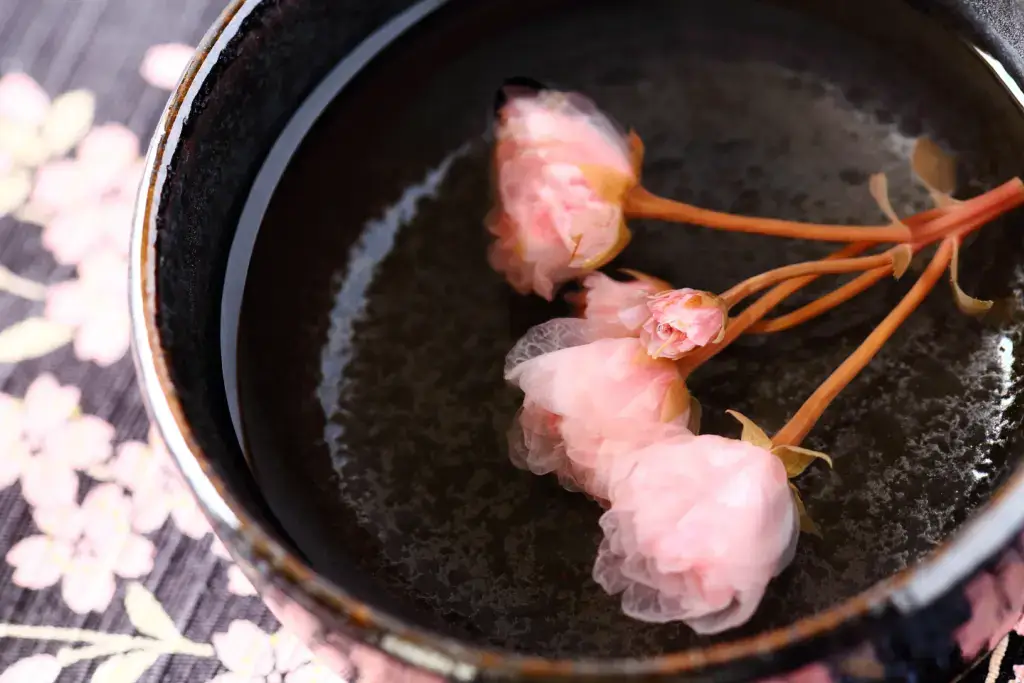
Every spring, people across Japan gather beneath blooming cherry trees for a tradition known as hanami, which means “flower viewing.” While it may look like a simple picnic today, hanami has deep roots stretching back over a thousand years. Let’s take a closer look at cherry blossoms in Japanese culture.
The History of Hanami
The custom began during the Nara period (710–794), when people admired plum blossoms. By the Heian period (794–1185), cherry blossoms had taken center stage, especially among aristocrats. Members of the imperial court would write poetry, drink sake, and reflect on the fleeting beauty of the blossoms.
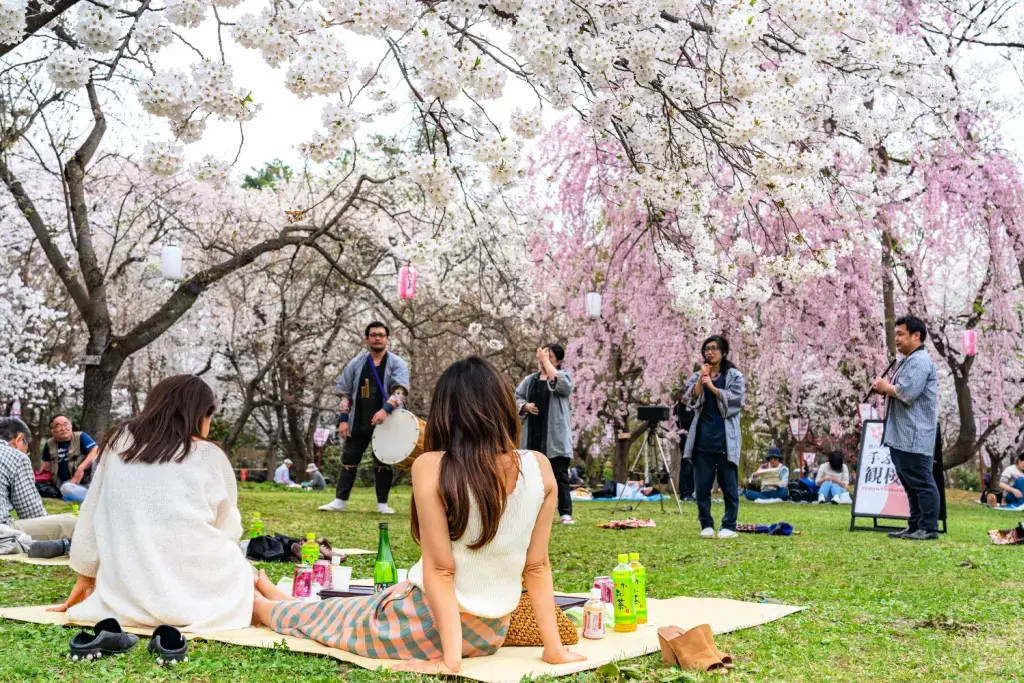
Over time, hanami spread to the general public. During the Edo period (1603–1868), shoguns planted cherry trees in public spaces, making the tradition accessible to everyone. Today, hanami is both a social and cultural event, blending ancient appreciation with modern celebration.
Sugi Confectionery
Sugi Confectionery is a well-known snack producer based in Aichi Prefecture that specializes in senbei, or Japanese rice crackers. Founded in 1970, the company began with a single machine and has grown into a regional favorite, especially recognized for its seafood-flavored crackers. Drawing on Aichi’s rich culinary traditions, many of its senbei incorporate ingredients such as soy sauce, dashi, and squid, resulting in a bold, savory flavor.
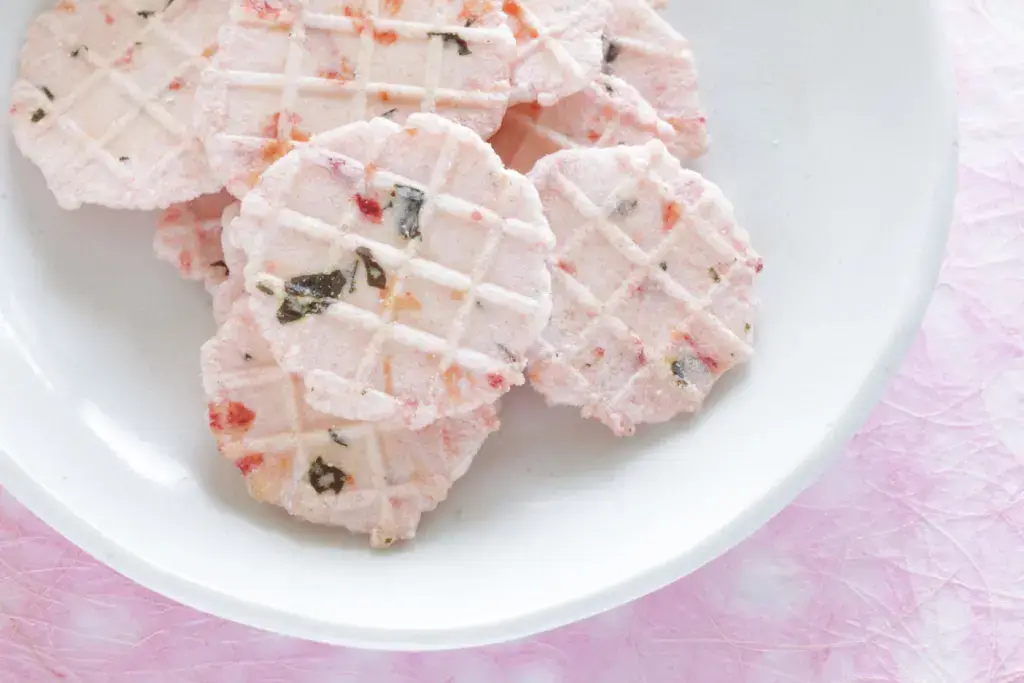
What makes Sugi Confectionery stand out is its balance of flavors. Their senbei often combine sweet and salty elements using seasonings like white soy sauce and mirin, creating a rich umami profile that is both satisfying and easy to snack on. Unlike delicate wagashi, these crackers are crunchy and hearty, designed for casual enjoyment. They also produce seasonal varieties, including sakura senbei, which feature cherry blossom leaves for a subtle floral aroma that reflects the spirit of spring.
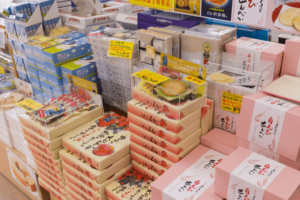
Sugi Confectionery’s products are widely available in local shops, train stations, and highway rest stops throughout Aichi, making them an everyday treat rather than a luxury item. During hanami, their senbei offer a more relaxed alternative to traditional sweets—easy to share, flavorful, and perfectly suited for outdoor gatherings under the cherry blossoms.
Sakuramori
Behind the beauty of Japan’s cherry blossoms are dedicated caretakers known as sakuramori. These specialists are responsible for maintaining cherry trees, ensuring they stay healthy and continue to bloom year after year. The role of the sakuramori is both practical and symbolic. They prune branches, monitor tree health, and protect against disease.
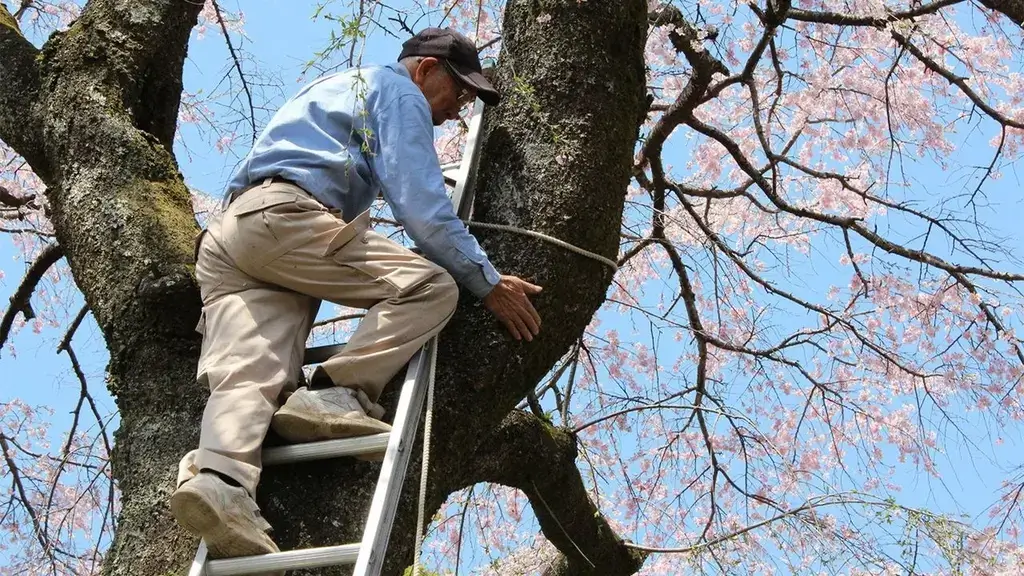
Nevertheless, they also carry on a cultural legacy, treating each tree as something worth preserving for future generations. One of the most famous sakuramori traditions is centered in Kyoto, where generations of caretakers have preserved some of the country’s most iconic cherry trees. Their work reflects a deep respect for nature and a commitment to maintaining these landscapes for centuries to come.
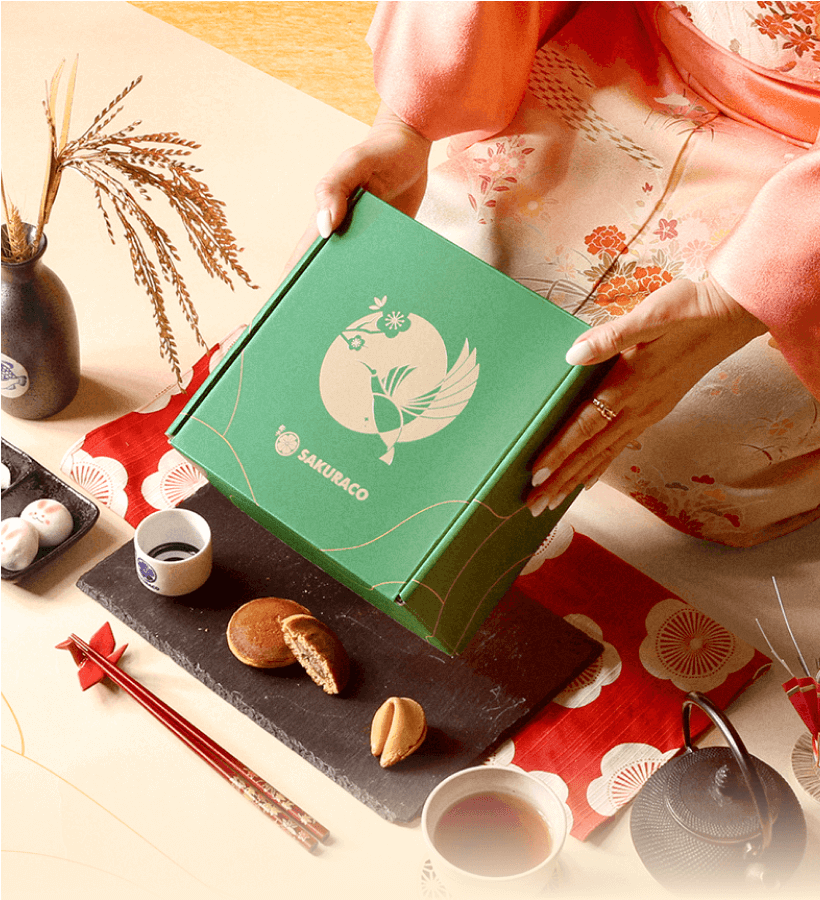
Are you looking for great snacks for the spring? Check out Sakuraco! Sakuraco sends traditional Japanese snacks, teas, and sweets from local makers straight to your door each month!

Hanami Cuisine
Food is a central part of hanami, and many dishes are specially prepared for the occasion. These meals are often packed into bento boxes, making them easy to share during outdoor gatherings. Typical hanami foods include onigiri (rice balls), grilled fish, tamagoyaki (rolled omelet), and seasonal vegetables. Bright colors and balanced flavors are important, reflecting the visual beauty of the blossoms.
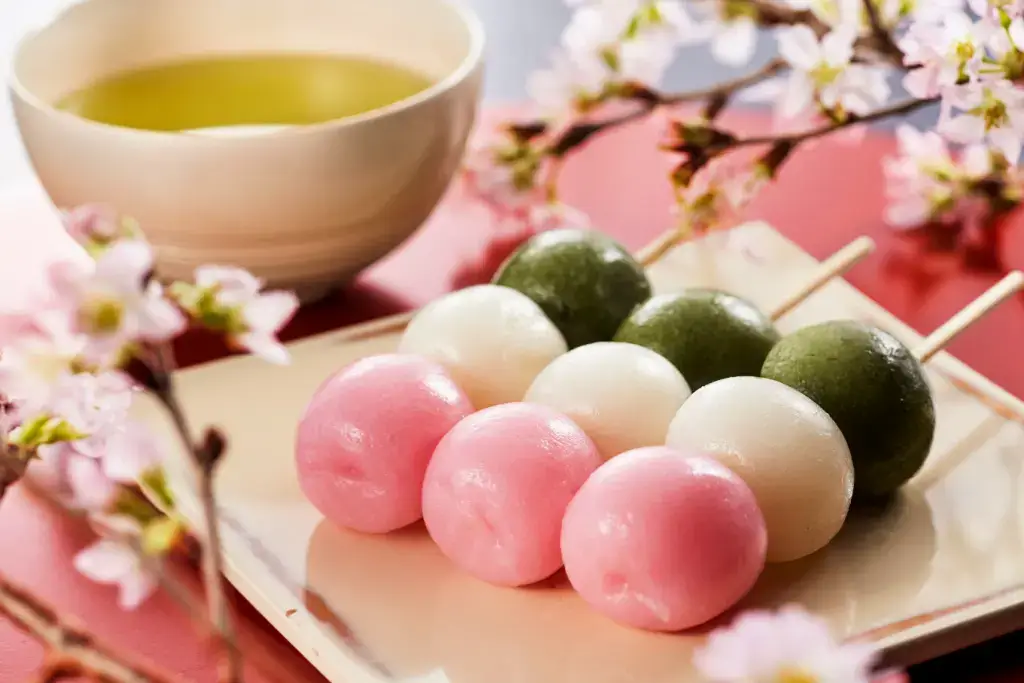
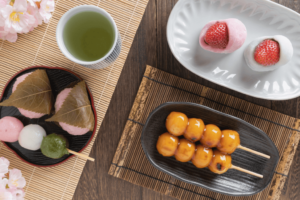
Sweets and drinks also play a big role. Sakura-flavored treats—made using salted cherry blossoms or leaves—add a unique floral taste. Sakura mochi, a pink rice cake wrapped in a preserved cherry leaf, is especially popular. Drinks range from green tea to sake, depending on the mood, turning each gathering into a full sensory celebration of spring.
Different Kinds of Cherry Blossoms
While many people think of cherry blossoms as a single type of flower, there are actually hundreds of varieties. The most common is Prunus serrulata, often called sakura. Some varieties bloom early, while others appear later in the season, extending the viewing period. For example, Somei Yoshino is the most widely planted type, known for its pale pink petals that almost appear white.
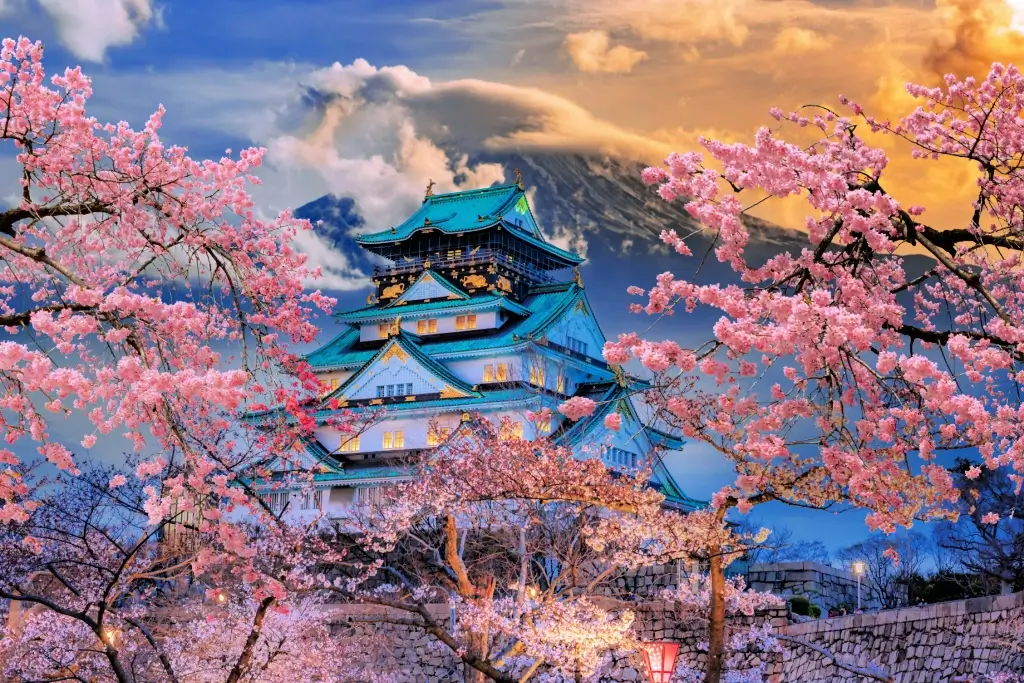
In contrast, yaezakura features multiple layers of petals, creating a fuller, more dramatic look. Colors can range from nearly white to deep pink, and even subtle differences in shape and timing can change the atmosphere of a viewing spot. Regions like Mount Yoshino are especially famous for showcasing a wide variety of flora across a broad landscape.
Jelly Wagashi
Among modern takes on traditional sweets, jelly wagashi have become especially popular during cherry blossom season. These translucent desserts are often shaped like flowers and designed to capture the delicate beauty of sakura. Made from ingredients like agar or gelatin, jelly wagashi have a light, refreshing texture. Some even contain edible flowers suspended inside, creating a stunning visual effect when held up to the light.
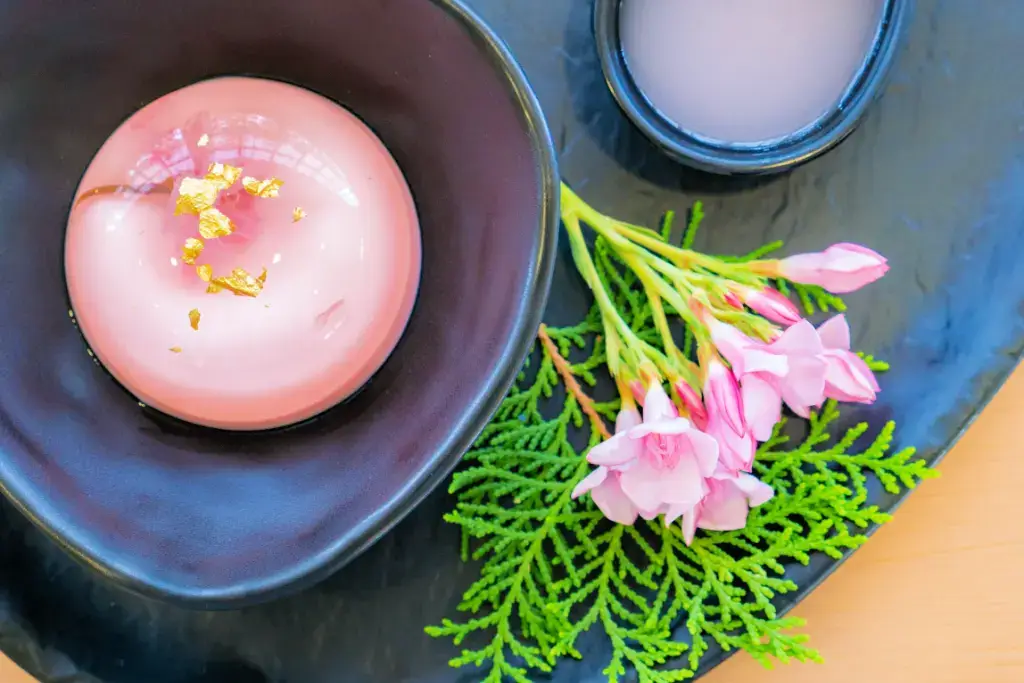
Though they are a newer addition compared to classic wagashi, they follow the same philosophy: celebrating nature through food. Like the blossoms themselves, jelly wagashi are meant to be admired briefly—beautiful, delicate, and gone too soon.
Cherry blossom season in Japan is more than just a visual spectacle. It is a time when history, food, craftsmanship, and nature come together. From the ancient roots of hanami to the everyday flavors of senbei, each element reflects a deep appreciation for fleeting beauty—a reminder to pause and enjoy the moment while it lasts.