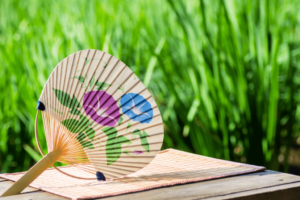
Uchiwa: A Historical Perspective on Japan’s Hand Fans
During hot summer days in Japan, people use an uchiwa. With its paddle-like shape, the uchiwa is a handheld fan, providing a refreshing breeze with a simple wrist flick.



During hot summer days in Japan, people use an uchiwa. With its paddle-like shape, the uchiwa is a handheld fan, providing a refreshing breeze with a simple wrist flick.

One of the highlights of Nikko is Senjogahara Marshlands, Japan’s largest and most renowned high-altitude marshes.They’re surrounded by forest-green nature, a large lake, a waterfall, and a hiking course.
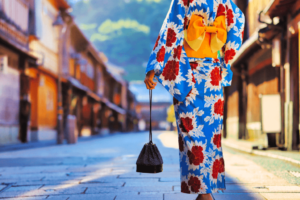
Kimono, the traditional Japanese garment, has captivated hearts for centuries. Its allure lies not only in its exquisite design but also in the stories it tells.
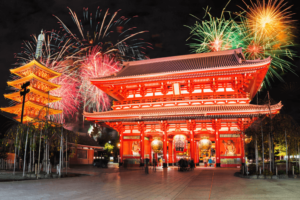
Fireworks, or “hanabi” in Japanese, have captivated the hearts of the Japanese people for centuries. They are unique in the country’s traditions and celebrations.
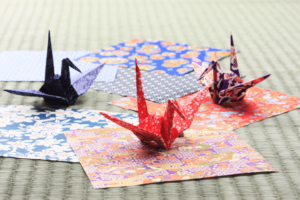
Origami paper, with its rare simplicity and endless potential, is one traditional Japanese art forms. It requires no special equipment, making it available to people of all ages.
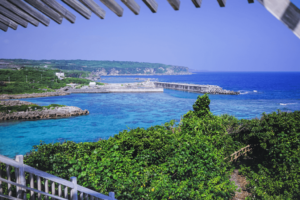
Marine Day, or Umi no Hi (海の日), is a Japanese national holiday celebrating the country’s ocean. It is also a time to be thankful for Japan’s maritime history. Experience the joyous atmosphere and refreshing sea breeze.
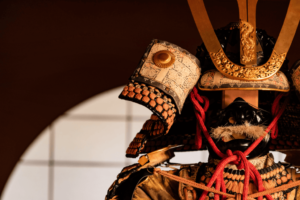
The One Thousand Samurai Procession is a solemn gathering at Nikko Toshogu Shrine beautiful Tochigi Prefecture that pays homage to the legendary shogun, Tokugawa Ieyasu.

The futon mattress has captivated people worldwide with its unique design and exceptional comfort. These versatile bedding options offer a minimalist and space-saving approach to sleep.
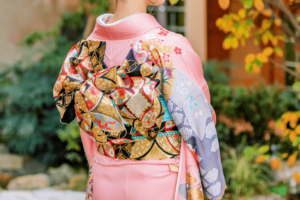
The kimono sash, an obi, is a traditional Japanese belt that holds great significance in Japanese culture. Beyond securing a kimono, the obi represents a beautiful fusion of art, craftsmanship, and history.
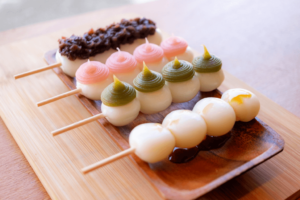
Dango is a small, ball-shaped sweet treat, often skewered with a bamboo stick. They are sweet Japanese rice dumplings that have a chewy texture.
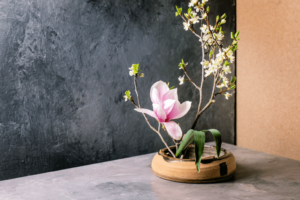
Ikebana is a uniquely Japanese art form that involves arranging flowers thoughtfully and beautifully. It values simplicity, balance, and respect for nature. Throughout history, ikebana has grown from a religious activity to a respected art form.
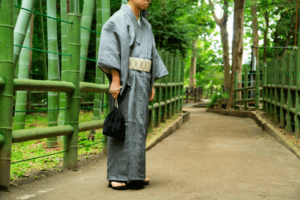
Men’s kimono offers a unique and distinguished style that has gained popularity globally. They have captivated the world with their elegance, intricate craftsmanship, and rich cultural heritage.


