


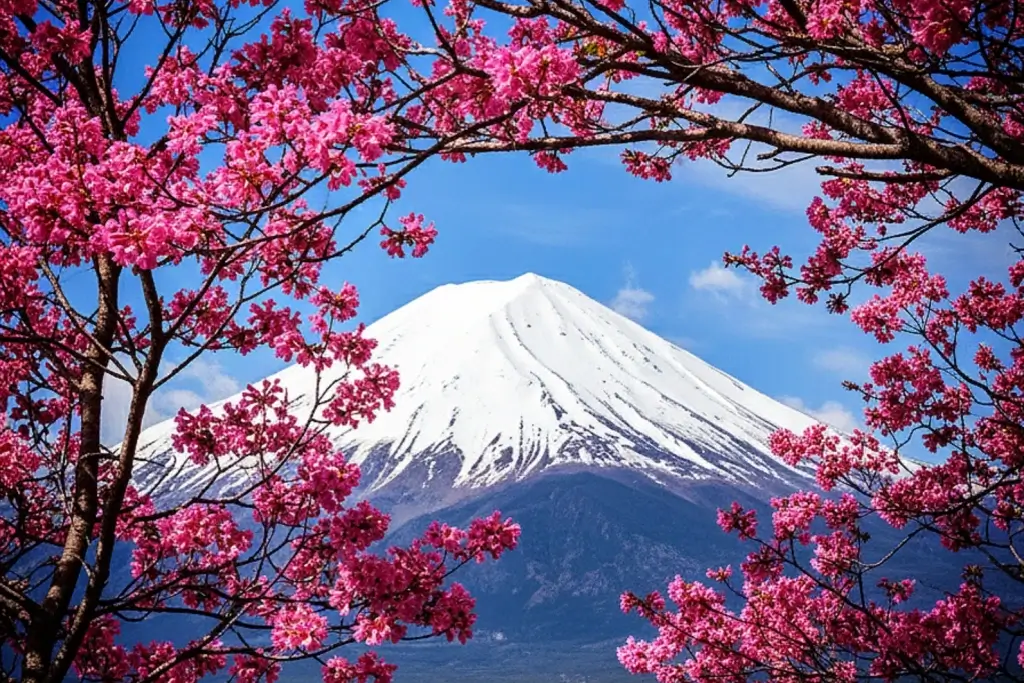
The cherry blossom flower, called sakura (cherry blossom), is one of Japan’s most loved natural symbols. Each spring, blooming trees signal new beginnings and seasonal change. The blooms also mark the start of hanami (flower viewing). Many people know the soft pink cherry blossoms. However, sakura in Japan includes a wide variety.
These flowers vary in shape, color, and bloom time. Some cherry blossoms bloom early, others bloom later in the season, and a few even bloom outside of spring. Together, they create a long cherry blossom season across Japan. This season lasts for weeks and changes by region.
Below are nine lesser-known cherry blossom flowers in Japan. Each one adds something special to this beloved spring tradition. Keep reading to discover the different cherry blossom flowers and what makes each one unique.
Kanzan: Bold and Full Spring Blossoms
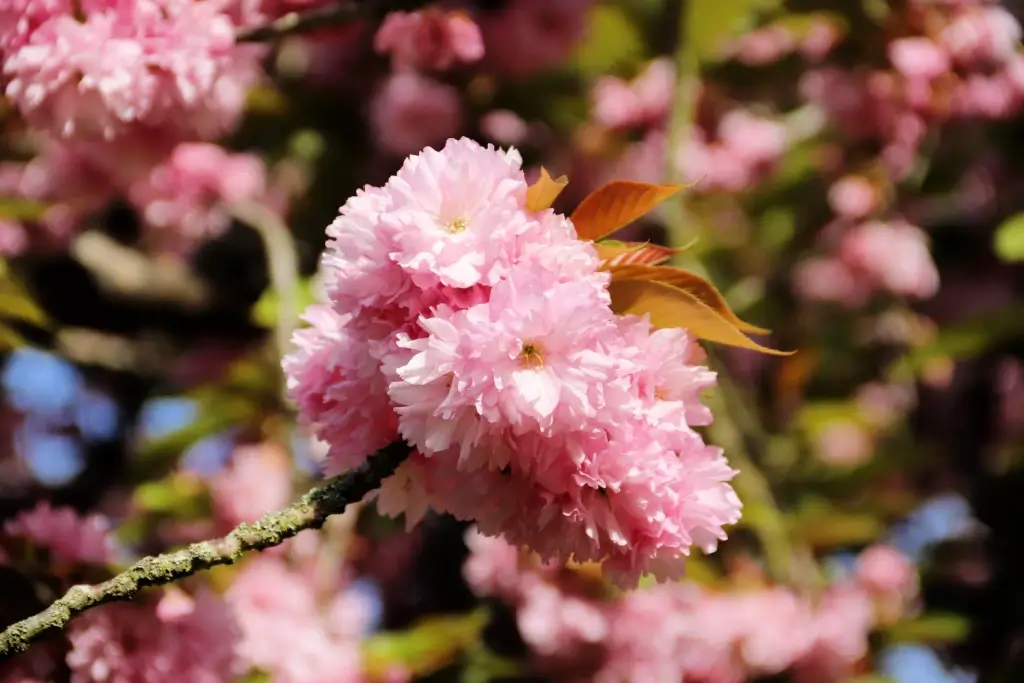
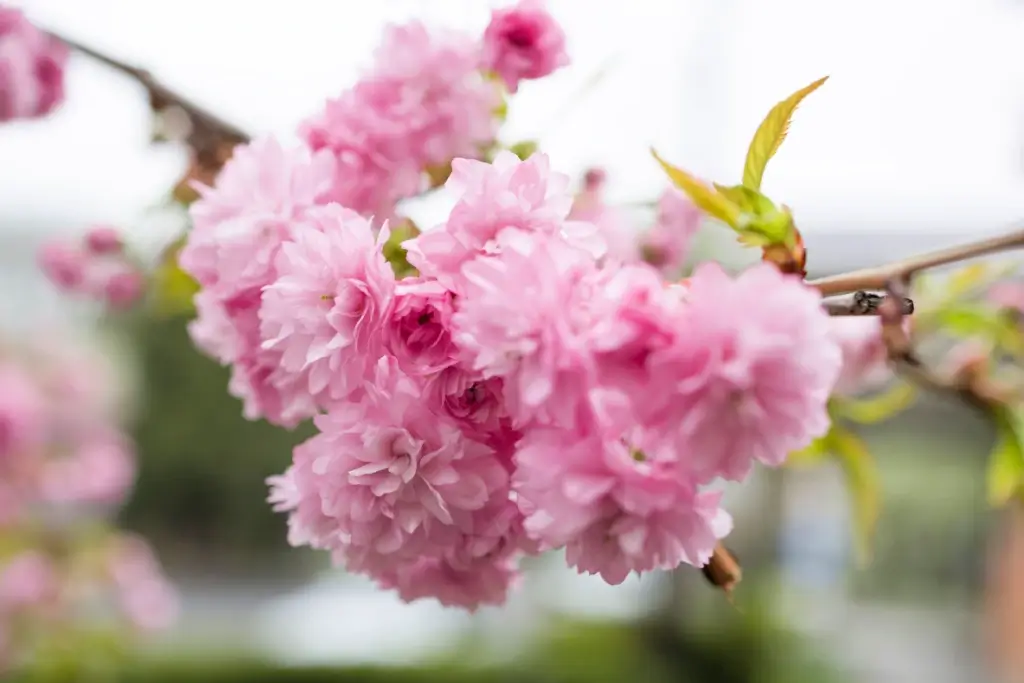
Kanzan is one of Japan’s most eye-catching cherry blossom flowers. Its blossoms are large and have many layers. Each flower can have over 20 petals. The color is a bright, deep pink. Kanzan trees bloom later than most cherry blossoms.
They usually bloom from mid to late April. You often see Kanzan trees in parks and along streets. They add color even after the peak cherry blossom season ends. Kanzan is popular for relaxed hanami walks. Its full blossoms are perfect for close-up viewing.
Shidarezakura: Elegant Weeping Cherry Trees
Shidarezakura (weeping cherry trees), are known for their long, drooping branches that sway gently in the breeze. When in full bloom, the cascading flowers create a curtain-like effect that feels almost magical. The blossoms are usually pale pink and appear in late March to early April. These trees are often associated with temples, shrines, and historical sites, where their graceful shape enhances traditional architecture. One of the most famous viewing locations is Maruyama Park, where an illuminated weeping cherry tree becomes a centerpiece during spring evenings.
Ukon: Soft Yellow Cherry Blossoms
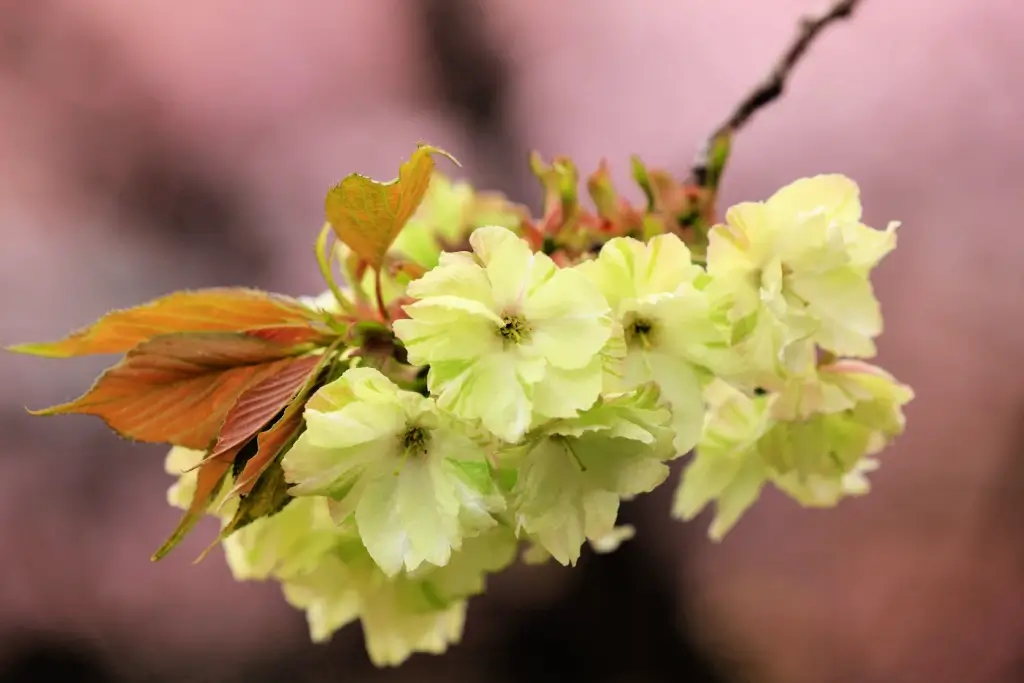
Unlike most cherry blossom flowers, Ukon blooms in a soft yellow shade with hints of green. This rare coloring makes it stand out during hanami season, especially when surrounded by pink varieties. Ukon flowers have layered petals and bloom in mid to late April. As they mature, faint pink tones may appear near the center, adding depth. Because of their unique color, Ukon are often sought out by repeat visitors seeking something different.
Want to experience Japanese culture beyond cherry blossoms? Then check out Sakuraco! Sakuraco delivers traditional Japanese snacks, sweets, teas, and more from local Japanese makers right to your door, so you can enjoy authentic Japanese flavors at home.

Jugatsuzakura: Autumn-Blooming Cherry Blossoms
Jugatsuzakura is one of the most unusual sakura varieties in Japan. Its name means “October cherry blossom,” and true to that name, it blooms twice a year. Light blossoms appear in autumn, followed by another bloom in early spring. The flowers are small and pale pink, creating a subtle contrast against autumn foliage or winter landscapes. This variety challenges the idea that cherry blossoms belong only to spring. Jugatsuzakura can be found in quieter, rural areas and is often enjoyed during peaceful walks rather than large gatherings.
Ichiyo: Soft Layers of Spring Color
Ichiyo cherry blossoms are known for their soft pink color and layered petals. The flowers open slowly over time. They start darker pink in the center. The color becomes lighter as the flowers fully open. Ichiyo blooms in mid-April. It blooms later than Somei Yoshino. These trees are common in parks and neighborhoods. Ichiyo trees are great for relaxed hanami picnics. They offer beauty and shade during warm spring days.
Benishidare: Deep Pink Weeping Blossoms
Benishidare is a variation of the weeping cherry blossom, distinguished by its deeper pink color. The branches hang low, forming dramatic arches of blossoms that feel immersive when viewed up close. These trees usually bloom in early April and are frequently featured in traditional gardens and temple grounds. The combination of vivid color and flowing shape makes Benishidare a favorite for evening illuminations. One well-known location to see this variety is Heian Shrine, where spring events highlight the blossoms after sunset.
Fugenzo: Cherry Blossoms with Character
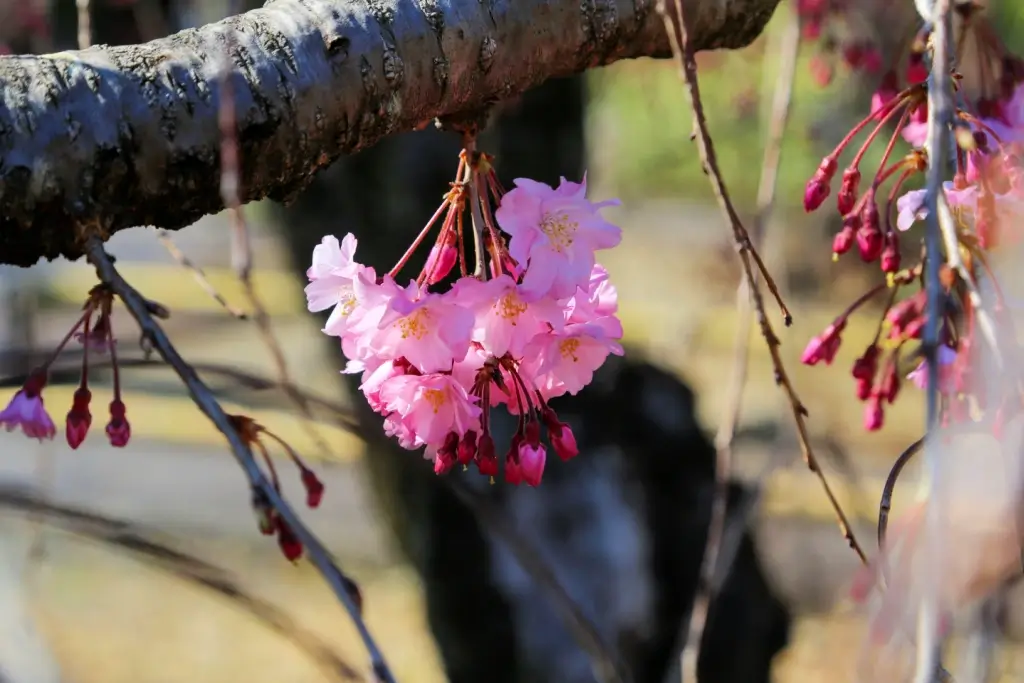
Fugenzo cherry blossoms are easy to spot once you know their features. They have layered petals and long stamens. The stamens look like tiny antennae. This gives the flowers a playful look. Their color ranges from pale pink to soft rose. Fugenzo blooms in mid to late April. These trees often grow near walking paths. They encourage slow walks and close viewing. Fugenzo shows Japan’s love for small, surprising beauty in nature.
Takato Kohigan: Early Spring Favorites
Takato Kohigan is an early-blooming cherry blossom flower. It is closely related to wild sakura trees. The blossoms are small, delicate, and light pink. They bloom before many other cherry blossoms. A famous viewing spot is Takato Castle Ruins Park. Thousands of trees bloom together there each spring. The scene is one of Japan’s most loved spring views. Takato Kohigan often marks the emotional start of sakura season for many people.
Asano: Late-Season Cherry Blossoms
Asano cherry blossoms bloom later than most other types. They usually appear in late April or early May. The flowers are large and bright pink. They have many petals, giving them a full look. Asano marks a cheerful end to cherry blossom season. This variety helps extend hanami into late spring. Asano trees are common in cooler northern areas. People there can enjoy sakura after peak season ends elsewhere.
Cherry Blossoms and Seasonal Culture in Japan
Each cherry blossom flower type contributes to Japan’s seasonal rhythm. Together, they shape hanami traditions, Japanese festivals, and spring travel patterns. From early-blooming varieties to autumn blossoms, sakura season is not a single moment but a journey that unfolds over time.
The diversity of cherry blossoms reflects Japan’s deep connection to nature and the beauty of fleeting moments. Whether you’re admiring dramatic double petals or subtle off-season blooms, the sakura of Japan always offers something new to discover. Which cherry blossom variety would you most like to see in person? Let us know in the comments below.