


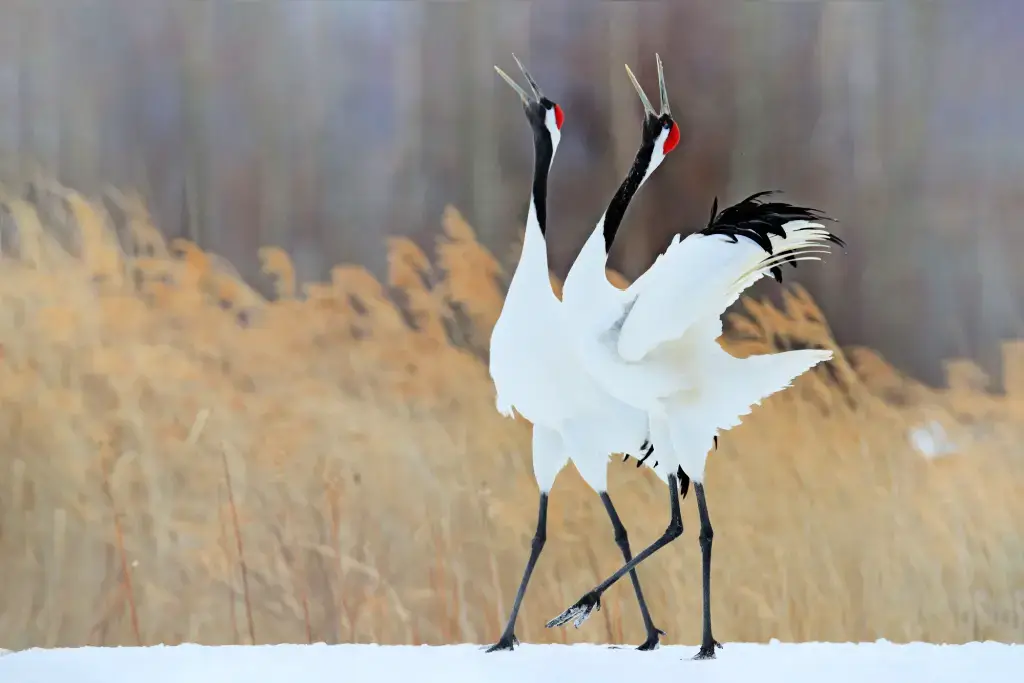
Did you know that there are 15 crane species worldwide, and that as many as seven of them are in Japan? Among these seven, the tanchozuru, also known as the red crowned crane, is the most well-known. For a long time, it has been a symbol of good luck and one of the most renowned birds in Japanese culture. Today, it’s easy to find this crane in many works of Japanese art and literature. Let’s explore this beautiful bird together and discover what makes it so important in Japanese culture and daily life.
What kind of creature is a Japanese crane?
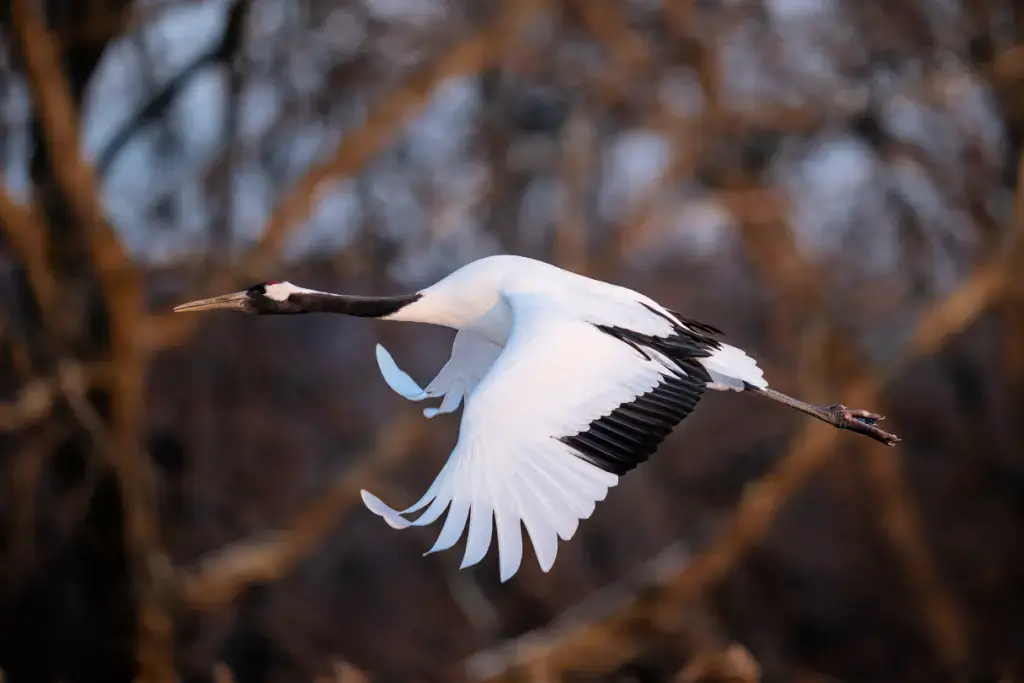
Tanchozurui is a tall, elegant bird that lives mainly in Japan and East Asia. Its appearance is snowy white, with black wings and a bright red crown. Adults reach about 158 centimeters tall and weigh 7 to 10 kilograms. Tanchozuru lives a long life, often 30 to 40 years in the wild, and even longer in protected places.
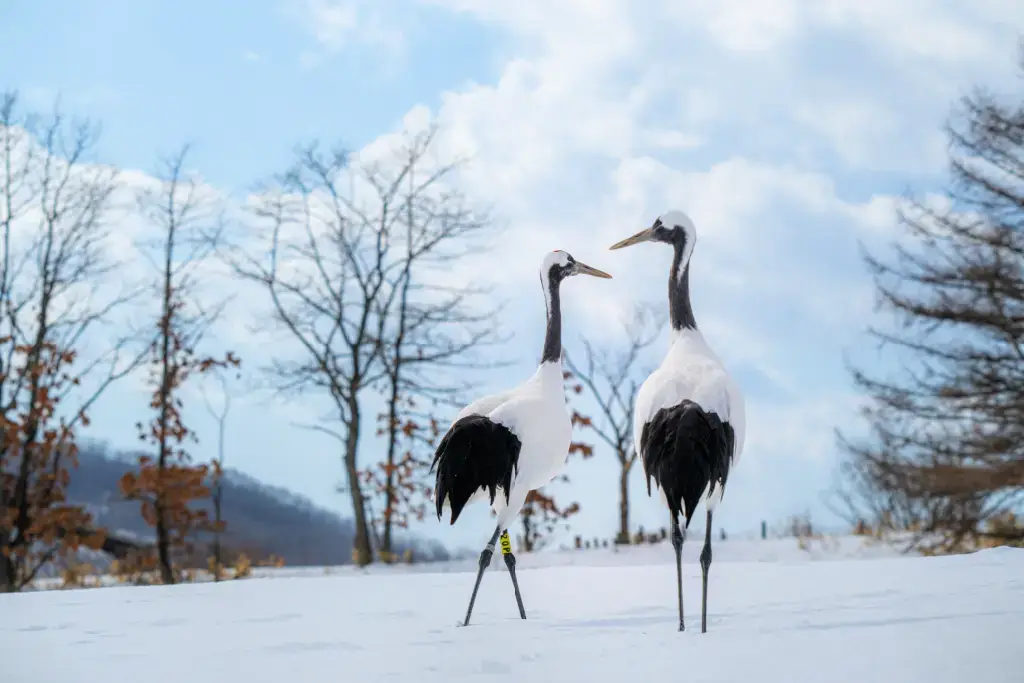
Japanese cranes mainly stay in Hokkaido, especially near the Kushiro Marsh wetlands. Their habitat includes marshes, rivers, grassy fields, and coastal wetlands with clean water. This species has a very diverse diet, which includes insects, fish, frogs, small animals, grasses, grains, and water plants. During winter in Japan, people also eat corn and fish. These feeding activities help the birds survive harsh snowy seasons.
Some red-crowned cranes migrate across Russia, China, Korea, and Japan with the seasons. However, the Hokkaido population mostly remains in Japan all year. Conservation in Japan began in 1935, when it was designated a Natural Monument. In 1952 and 1967, stronger protection followed with Special Natural Monument status. Since the 1950s, local farmers, the Japanese government, and nature groups have worked together to protect this rare bird.
What meanings and myths does this bird have in Japan?
In Japan, the bird is a powerful symbol filled with deep meaning and gentle beauty. It’s believed to bring good luck, happiness, and long life to those who see it. Long ago, people said this graceful creature could live for a thousand years, making it a sign of longevity. Because it stays with one partner for life, it also represents loyalty and faithful love. This belief made the bird popular in weddings and family celebrations. Even today, its image feels calm, hopeful, and full of promise.
Many myths describe tanchozuru as a holy messenger connected to the gods. They often appear during New Year events because they symbolize successful beginnings. Their tall body and strong flight also show strength and quiet power. These features make the creature both gentle and respected in stories.
How else is the crane connected to Japan?
Old folklore also connects cranes to rice and daily life in Japan. People believed these birds brought rice from the heavens to help humans survive. This idea came to me while watching them walk through rice fields long ago. Since rice meant life and hope, the bird became a sign of care and abundance. Ancient books such as the Kojiki and Nihon Shoki mention birds associated with farming myths.
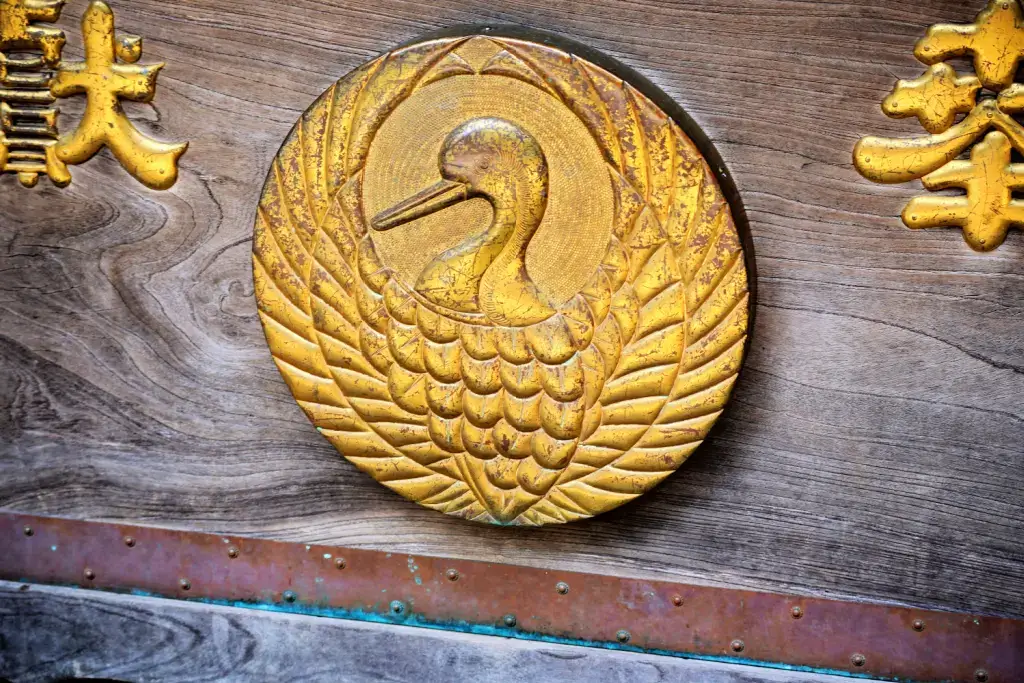
One well-known tale is The Grateful Crane, loved by children across Japan. In this story, a crane repays kindness by helping a poor man. The bird becomes a woman and weaves beautiful cloth from her feathers. This story teaches kindness, honesty, and the importance of keeping promises. Thanks to such stories, the crane remains a treasured symbol of hope, peace, and gratitude.
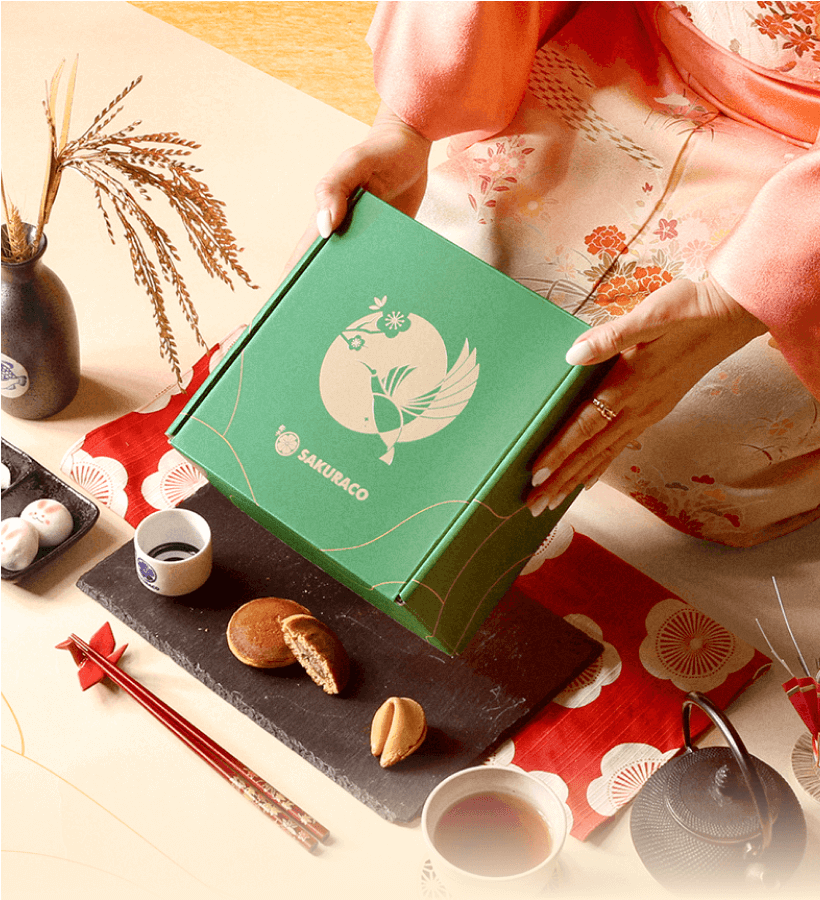
Are you looking for great snacks for the winter? Check out Sakuraco! Sakuraco delivers traditional Japanese snacks, teas, and sweets from local Japanese makers directly to your door so you can enjoy the latest treats directly from Japan!

What is the connection between tanchozuru and Japanese culture?
National Symbols and Identity
Because of its strong image, cranes appear in national designs and public symbols. A pair of tanchozuru was printed on the back of the Series D 1000-yen note. This choice showed values such as peace, balance, and lasting prosperity. Seeing them on money helped people feel pride and trust.
They also became a modern symbol through Japan Airlines. An American designer chose the crane logo because it has always had a positive meaning. These birds mate for life, which stands for loyalty and trust. They fly long distances, demonstrating strength and endurance. These features matched the spirit Japan wanted to share with the world.
Origami and Living Stories
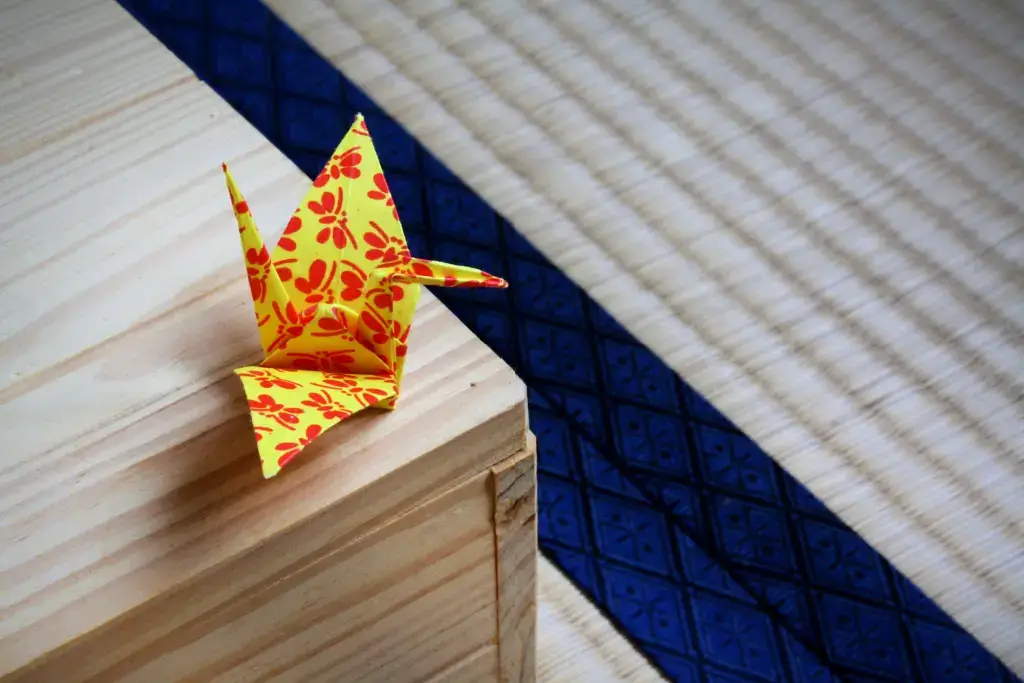
This bird species is closely tied to origami, the Japanese art of paper folding. Among all folded shapes, the paper crane is the most meaningful. There is a belief that folding one thousand paper cranes grants a wish. Japanese people fold them to ask for health, happiness, and peace. The origami birds are often given to sick friends as a kind wish. This tradition makes tanchozuru a symbol of care and hope.
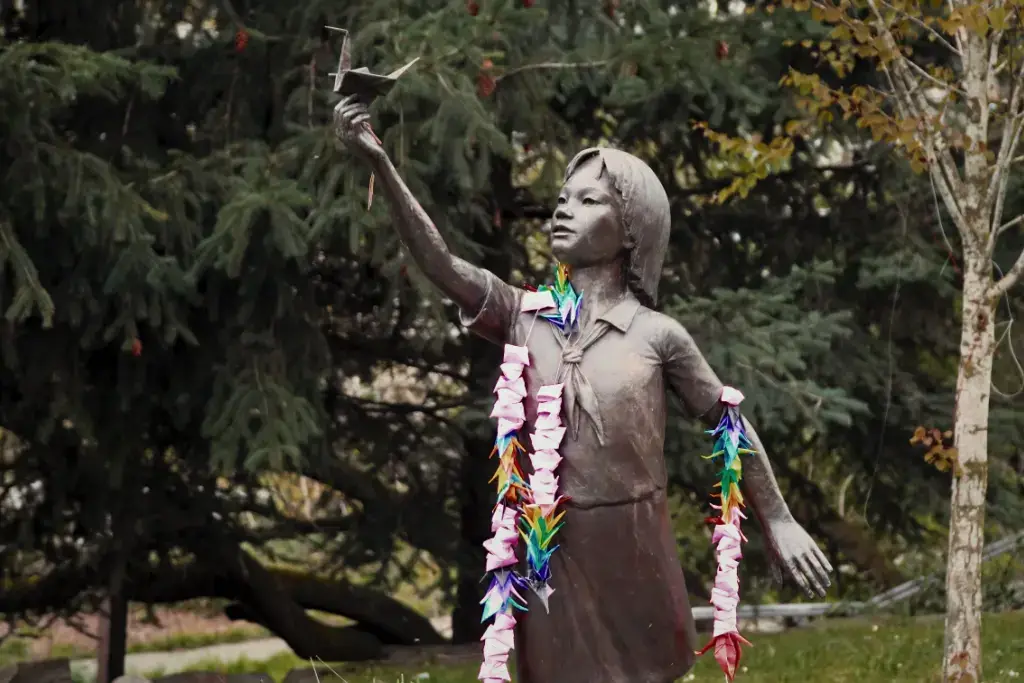
There is a famous story that made the paper crane known around the world. A young girl named Sadako Sasaki folded them while she was sick after the Hiroshima bombing. She believed folding them could help her heal. Although she passed away, her story touched many hearts. A statue of Sadako holding a crane stands in Hiroshima today.
Art, Design, and Daily Beauty
These birds are painted on folding screens, scrolls, and wall panels in temples and homes. Artists loved their graceful shape and peaceful feeling. Tanchozuru also appears on ceramics like cups, bowls, and vases. These designs often follow simple beauty inspired by nature. Through art, they bring calm and elegance into daily spaces.
Cranes are also woven into clothing and special objects. Bridal kimonos often show them to wish couples a long and happy marriage. Wooden dolls, bronze works, and fabrics use tanchozuru designs to share good luck. These items are often given as gifts for critical moments.
Why does the image of the crane have such a strong influence?
The crane holds deep meaning as it quietly carries values people wish to keep close, reflecting ideals that feel timeless and reassuring. These ideas gently connect nature, belief, and daily living, making the symbol easy to understand and trust.
Over time, this bird became a mirror of human wishes rather than just a creature in the sky. That emotional bond explains why the image feels meaningful across generations. Even today, people enjoy seeing this bird in modern art and photos, where old meanings meet new expressions.
Moreover, its influence also grows from care and responsibility. Protection efforts show respect for life and shared heritage, turning admiration into action. When people protect what they value, the symbol becomes even stronger. In the place where you live, is there an animal or a natural element that holds a similar importance in local culture? Let me know in the comments!