


Kemari originated from China and gradually became an integral part of Japanese culture. It’s often described as an ancient ball game played in the Imperial Court. Today, this Japanese game is mainly seen at shrines as a beautiful cultural activity. Let’s explore the history and fascinating features that made this traditional sport so beloved by ancient Japanese people!
What is kemari?
Kemari is a traditional Japanese game that originated in Japan over one thousand years ago, during the era of elegant court life. The name means ‘kicking ball,’ and it reflects the spirit of playing rather than winning or losing. It was first enjoyed in Kyoto and its surrounding regions, where nobles resided and gathered. Over time, it spread from nobles to samurai and townspeople.
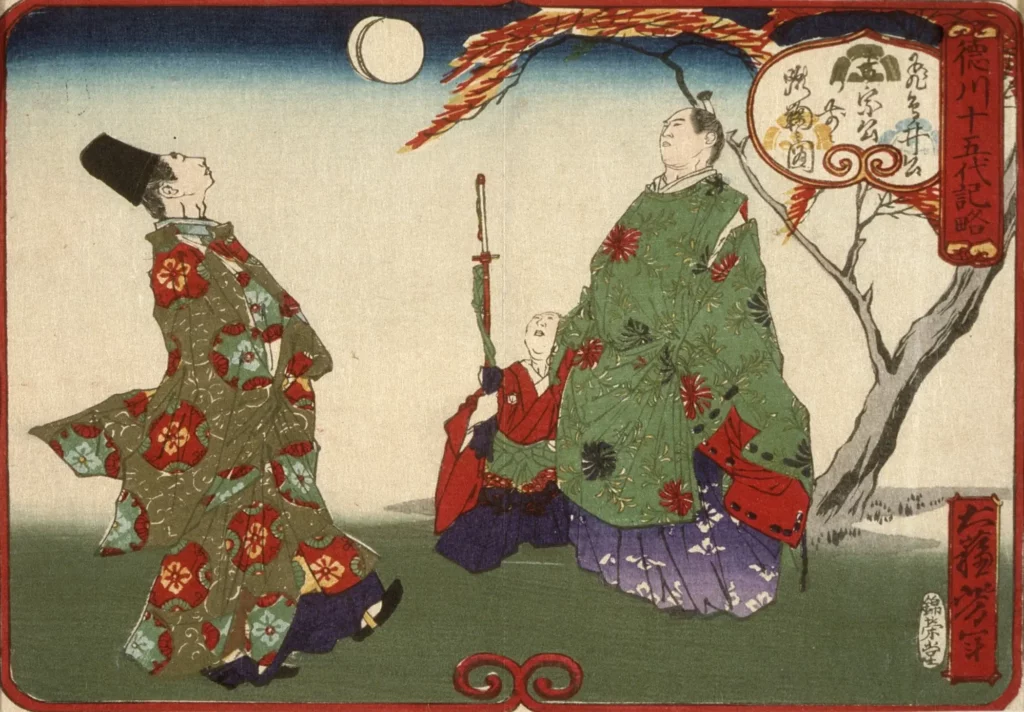
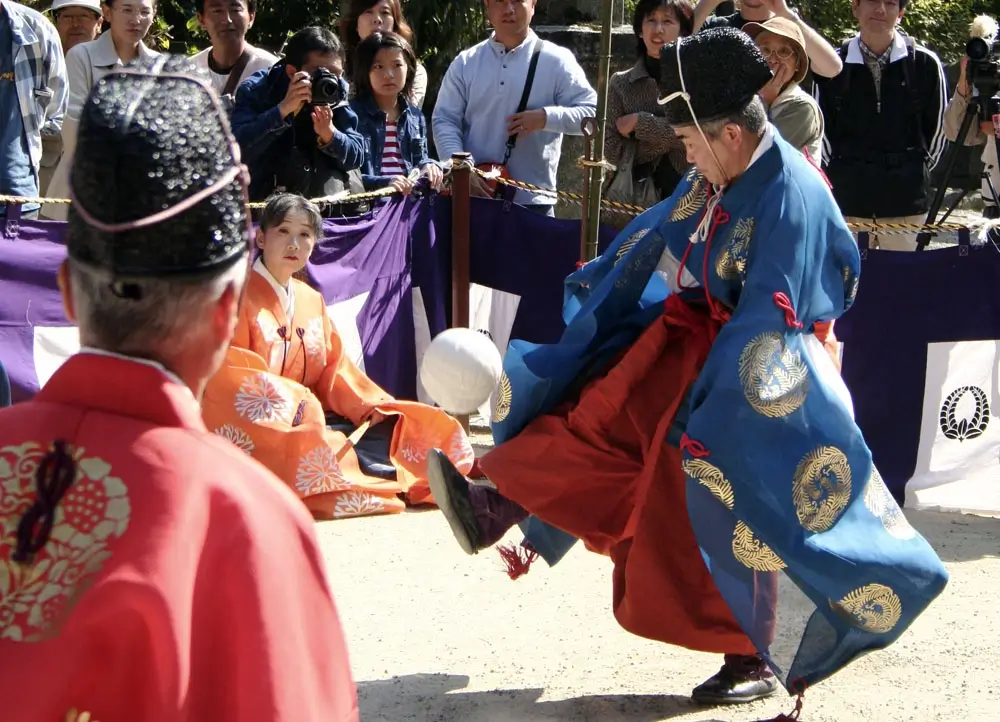
In this Japanese game, players stand in a circle and pass the ball to one another using only their feet. There are no winners or losers, so teamwork and harmony matter most. The goal is to keep the ball floating softly in the air together. Players wear colorful ancient clothes that make the game look magical. This calm style shows how people valued elegance and respect, which makes kemari feel peaceful and joyful to watch and play.
There are different varieties of kemari, but the passing style without goals is the most famous in Japan. Many special events feature kemari, especially during shrine festivals. A well-known attraction is the Kemari Hajime event held in Kyoto every January. Another lively festival happens in spring when priests play kemari in blooming gardens. These festivals help visitors learn history through play.
History of Kemari
Kemari first appeared in Japan around the sixth and seventh centuries, influenced by an older Chinese ball game. This Japanese game became part of noble culture. Ancient records show kemari was played during important palace events. At first, its rules were gentle and straightforward. Slowly, it gained meaning as an elegant court activity.
During the Heian period (794-1185), kemari gained popularity among aristocrats who valued elegance and balance. Famous players practiced daily and even prayed for better skills. As a result, special moves appeared, and gradually, clear rules and tools helped kemari develop into a refined art form.
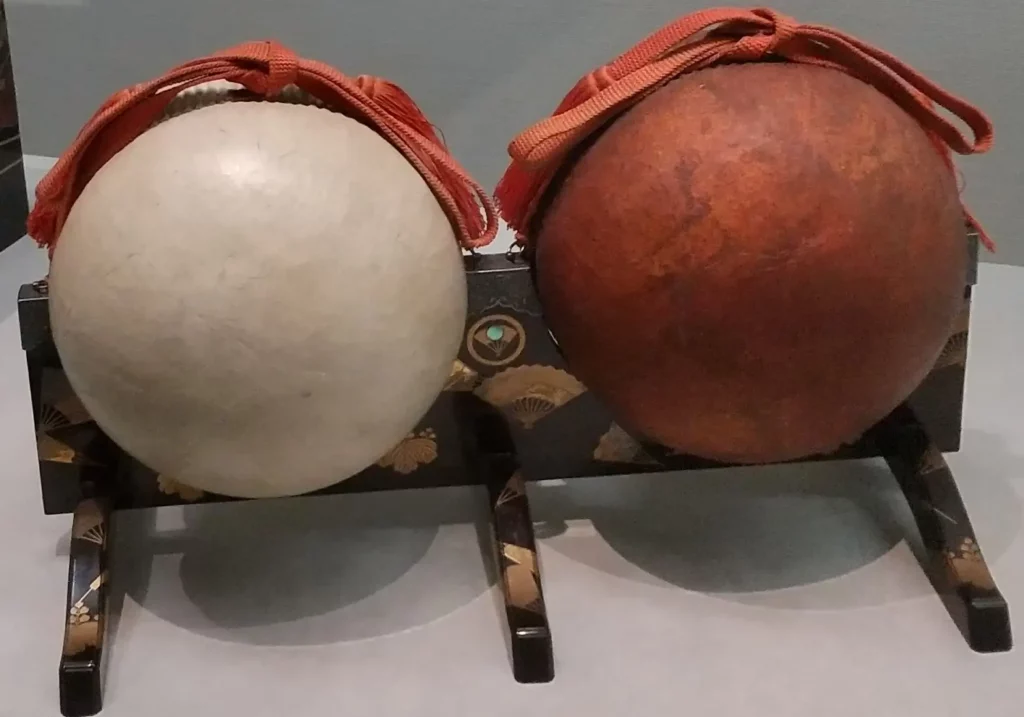
In the Kamakura (1185-1333) and Muromachi (1336-1573) periods, samurai also learned kemari as part of cultural training. Meanwhile, performances helped share the game with broader audiences. However, during times of war, this Japanese game became less common. Later in the Edo period (1603-1868), townspeople revived it as a joyful pastime. Decorative balls and public play increased their charm, allowing kemari to stay alive through change.
In modern history, national leaders and cultural scholars have collaborated to preserve this sport from being forgotten. This effort helped create special preservation groups with strong public and imperial support. Nowadays, kemari is performed at many shrines in Japan during seasonal events and festivals, where players wear traditional clothing and pass the ball with care in a respectful manner.
Are you looking for great snacks after playing Japanese sports? Check out Sakuraco! Sakuraco delivers classic Japanese teas, ceramics, and sweets from local Japanese businesses straight to your door!

How is it played?
Kemari is played as a calm and friendly group sport where players work together to keep one ball in the air. The ball, called mari is made from soft deerskin and feels light when kicked. Players use feet, knees, or shoulders, but never hands or arms. Due to this rule, maintaining a careful balance and exhibiting calm movement are essential.
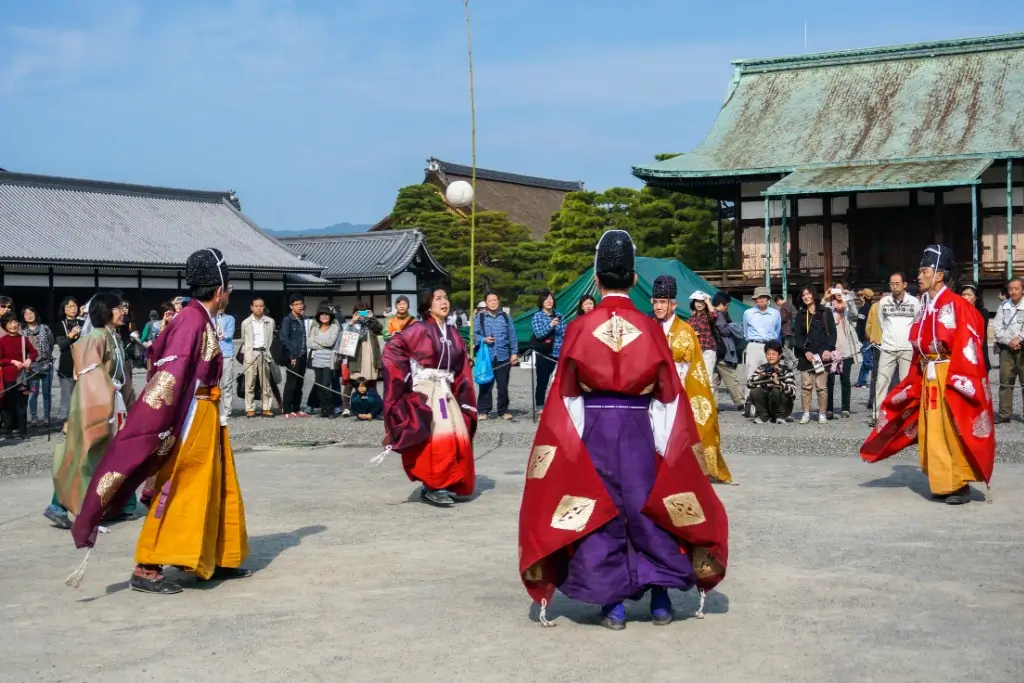
The game takes place on flat ground shaped like a square, usually about six to seven meters on each side. Traditionally, four trees mark the corners and clearly guide player positions. Usually, six to eight players join the game together. The leading players are called mariashi, who actively kick and pass the ball. Other helpers stand nearby to assist with the flow. Each player gently lifts the ball before passing it to another person.
Players wear elegant clothes inspired by ancient court fashion to pay homage to tradition. These outfits are called kariginu and include wide sleeves and tall hats that make movements look graceful. Before play begins, everyone tests the ball to feel comfortable. During the game, players call out friendly words to guide each other through each pass. These sounds help with timing and build a connection between players.
Why is this Japanese game significant?
This Japanese game is meaningful because it demonstrates how play can convey values such as harmony, respect, and shared joy, rather than emphasizing competition or victory. By using gentle movement and cooperation, this sport reflects how culture, spirit, and daily life were once closely connected, making the experience feel respectful and beautiful to watch.
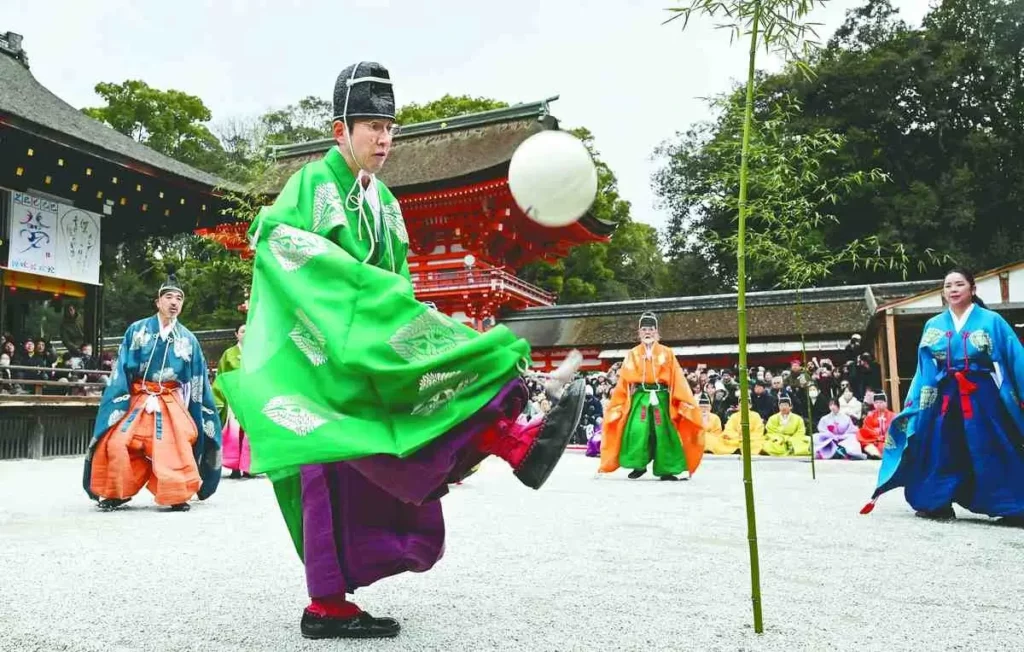
Overall, the play feels peaceful, friendly, and full of shared rhythm, reminding people that games can build calm relationships and social balance. Throughout history, kemari has remained a peaceful highlight of Japanese culture, not only as an activity but also as a living symbol of elegance and memory that continues to guide modern appreciation.
When watching or learning about kemari, we may ask ourselves how traditions help us understand who we are today. Are there any traditional games in your community that hold special meaning? Let me know in the comments!
Cited Sources
- Imperial Household Agency. “Kemari (Ancient football game of the Imperial Court)”.
- FIFA Museum. “Origins – Kemari“.
- Nippon.com. “Kemari: Japan’s Ancient Ball Game of the Imperial Court“.