


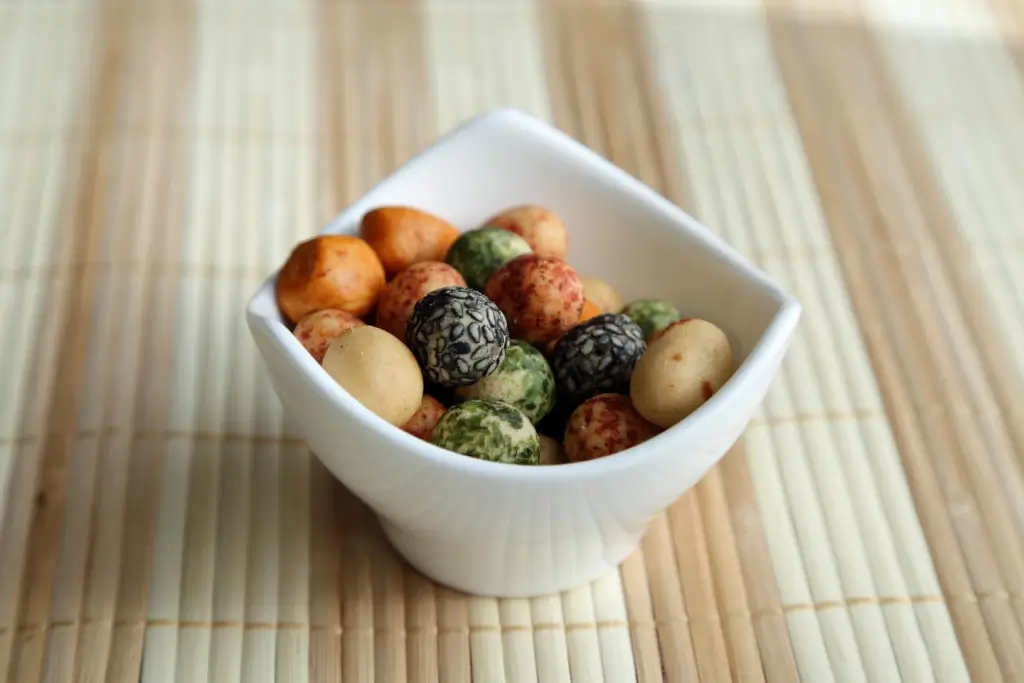
Japanese snacks, including wagashi (traditional sweet) and Japanese peanuts, hold a special place in the country’s culture. They are more than just food; they reflect Japan’s creativity, craftsmanship, and attention to detail, all passed down through generations. In modern society, these treats remain popular for their lovely flavors and as meaningful gifts, symbolizing care and connection. Let’s dive into one such traditional delight: mamegashi!
What is mamegashi?
Mamegashi are delightful traditional Japanese snacks that chefs create using a variety of beans, such as adzuki beans, soybeans, black beans, and even nuts like cashews and almonds. These snacks offer exciting tastes and textures, featuring a soft, melt-in-your-mouth interior and a satisfyingly crunchy exterior. You can find sweet versions coated in wasanbon sugar, yuzu (Japanese citrus fruit), or matcha. Additionally, salty varieties flavored with soy sauce or seaweed and spicy options featuring wasabi or chili are available.
Crafting this bean snack involves several careful steps. Chefs coat the beans or nuts with a mixture of sugar water and glutinous rice flour or wheat flour to create a crunchy yet light shell. They skillfully layer this mixture to achieve the perfect texture.
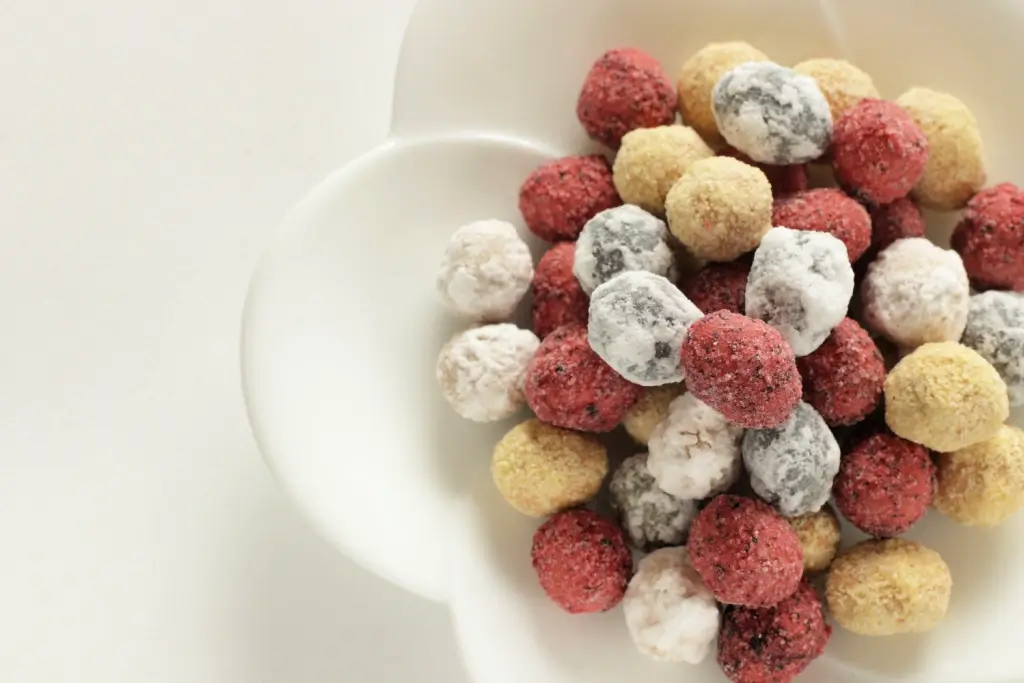
Next, they roast the coated beans over an open flame, carefully timing the process to enhance the flavor and achieve the ideal crunch. Finally, they season the snacks with various flavors. Every step, from coating to seasoning, showcases the expertise of craftsmen who adapt their techniques to seasonal changes in temperature and humidity.
People often share mamegashi during tea ceremonies, give them as thoughtful gifts, or enjoy them at festivals. Packed with nutrients such as protein, fiber, and iron, mamegashi serves as a healthier alternative to many processed snacks. Furthermore, using natural seasonings and minimal additives reflects the Japanese focus on health and harmony with nature.
Are they similar to Japanese peanuts?
No, Japanese peanuts and mamegashi are not the same! Japanese peanuts, or cacahuates japoneses, were invented in Mexico by a Japanese immigrant named Yoshigei Nakatani during the 1900s. After losing his job, Nakatani combined Japanese culinary techniques with Mexican flavors to create an exclusive snack: peanuts coated in a crunchy flour shell seasoned with spices. This innovative treat became a hit in local markets, and Nakatani’s family eventually built a successful brand in the 1950s. While these peanuts carry the name “Japanese”, their story is deeply rooted in Mexico’s culture and culinary fusion.
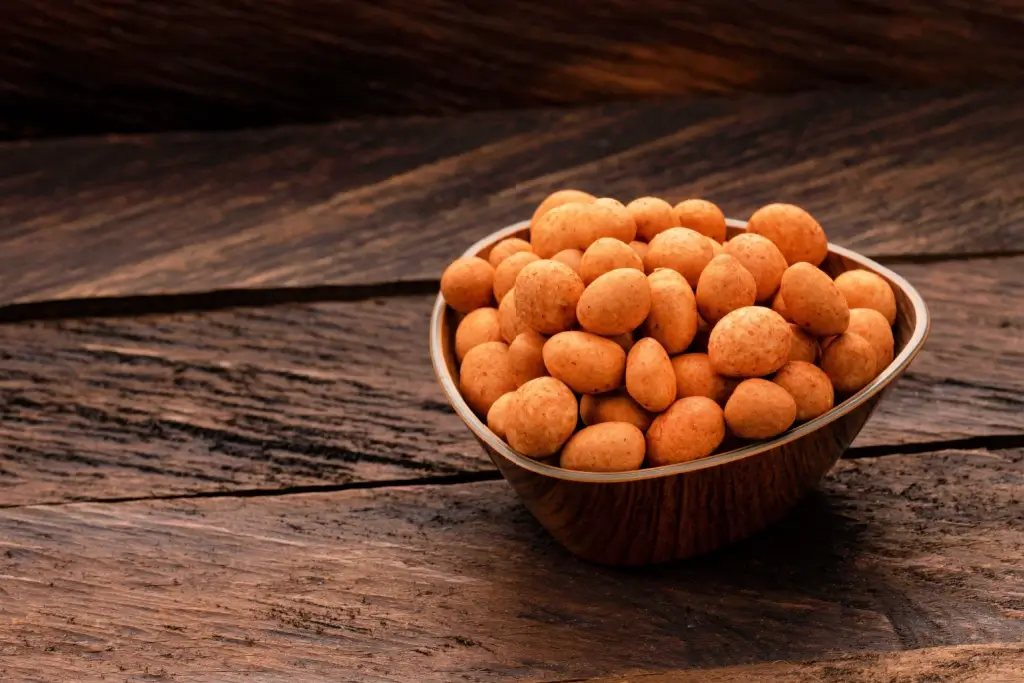
Mamegashi, on the other hand, is a traditional Japanese snack with a history deeply tied to Japan’s love for simplicity and craftsmanship. Unlike Japanese peanuts, mamegashi has been a favorite in Japan for generations, symbolizing a cultural appreciation for artistry in everyday treats. While both snacks offer crunchy textures and bold flavors, their origins, production methods, and cultural significance set them apart.
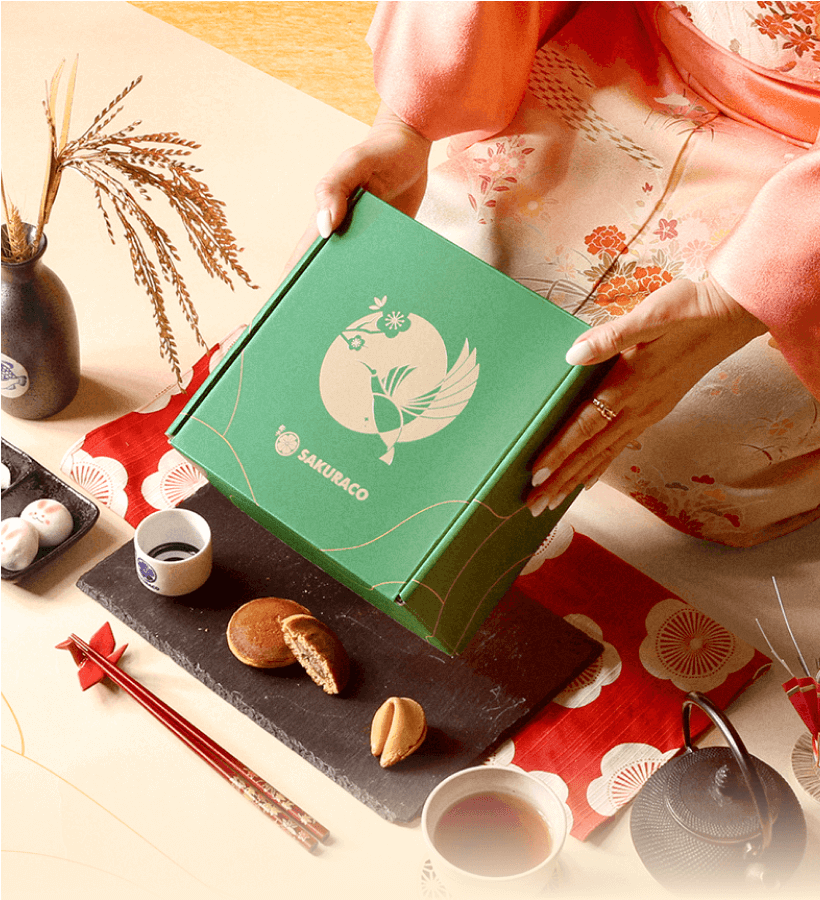
Are you looking for great snacks like mamegashi? Check out Sakuraco! Sakuraco delivers traditional Japanese snacks, teas, and sweets from local Japanese makers directly to your door so you can enjoy the latest treats directly from Japan!

Where can I enjoy mamegashi in Japan?
Ogata
Ogata is a unique brand founded by Shinichiro Ogata, blending Japanese traditions with modern touches. It offers tea, sweets, crafts, and more in its tea houses and shops in Tokyo and Paris, sharing the beauty of Japanese culture with the world. Ogata combines time-honored customs with contemporary styles to offer a global audience a taste of Japan’s rich cultural heritage.
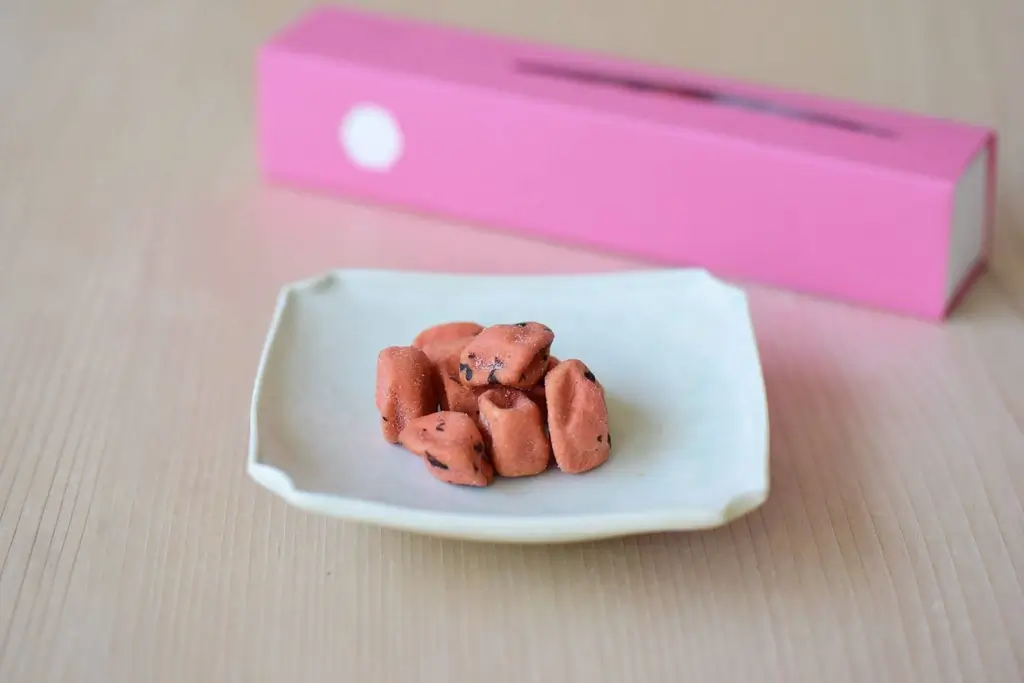
A highlight is their mamegashi, made with care by skilled artisans. These treats include wasanbon sugar-coated peanuts, sesame tofu beans, kombu-wrapped peanuts, and zesty yuzu pepper beans. Each snack brings out the beans’ natural taste, making them a delicious and fun way to enjoy Japanese flavors!
Mamegen
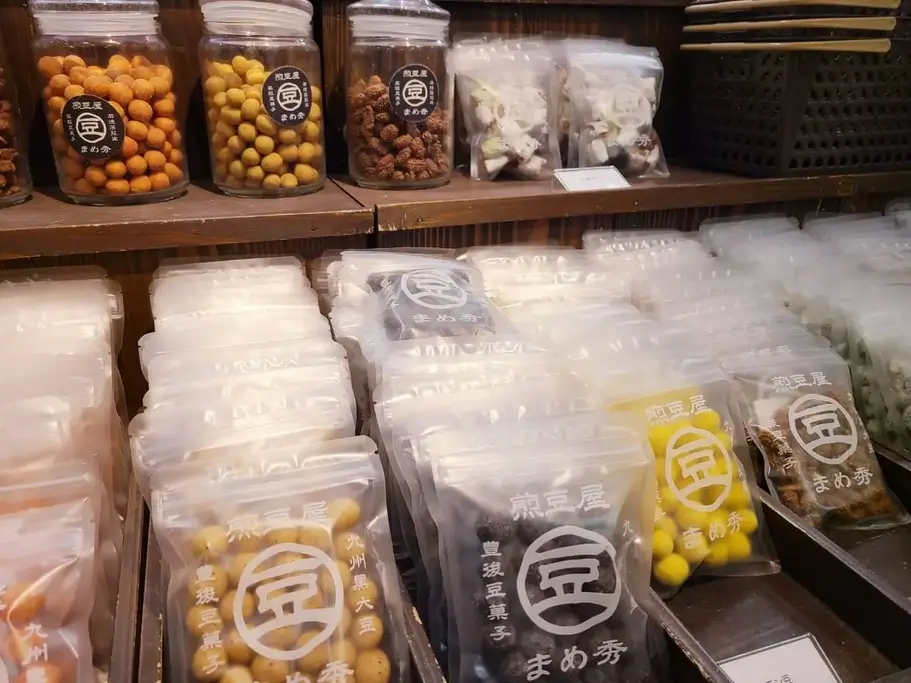
Mamegen, a charming bean snack shop in Tokyo’s Azabu-Juban neighborhood, has produced treats since 1865. With over 90 unique flavors, Mamegen specializes in roasted and coated beans, soybeans, and peanuts. From classics like soy sauce, matcha, and seaweed to creative options like cheese, curry, and chocolate, there’s a snack to satisfy every taste! Their most popular item is otoboke mame, featuring ball-shaped bean snacks flavored with shrimp, shredded seaweed, and laver.
Mamemasa
Mamemasa is a well-known bean confectionery company in Kyoto, which was established in 1884. Nestled near the Kyoto Imperial Palace, this shop is famous for crafting over 50 types of bean snacks and wagashi. Their most beloved treat is the Ebisugawa Five Color Beans, a Kyoto specialty inspired by the flowing streams of the city.
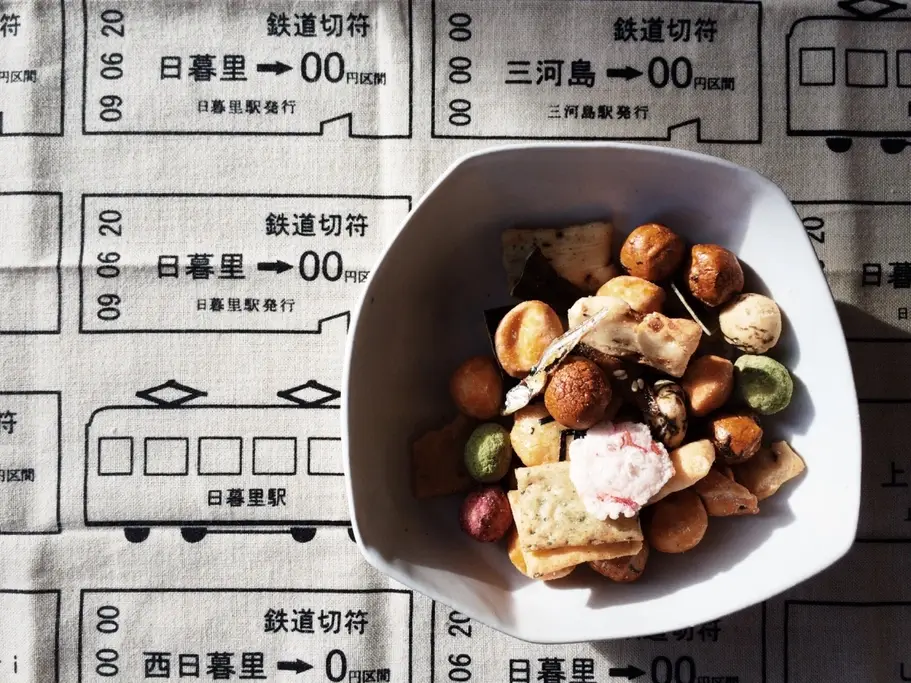
These beans are beautifully coated in five vibrant colors, symbolizing elements of nature: green for trees, red for fire, yellow for earth, white for metal, and black for water. They are made using high-quality sugar and fragrant beans, offering a sweet, elegant taste that reflects Kyoto’s rich culture.
Why should I try mamegashi?
You should try mamegashi because it offers something special for everyone! With a wide variety of flavors, textures, and natural ingredients, this snack offers something special for everyone! Whether you enjoy the sweet elegance of sugar-coated beans or the savory crunch of soy sauce seasoning, mamegashi connects you to Japan’s craftsmanship and history. Unlike Japanese peanuts, mamegashi carries a more profound cultural significance, making it a meaningful experience. So, which flavor of this traditional treat would you love to try the most? Let me know in the comments!