



The 2026 Winter Olympics, held in Milan and Cortina d’Ampezzo, marked a defining moment for Japan’s winter sports program. Facing off against the world’s strongest teams, Japan delivered its best-ever performance at the Winter Games. With a record medal haul and standout performances across multiple disciplines, the country firmly established itself as a global contender on snow and ice.
A Record-Setting Performance
Japan concluded the Games with 24 medals—5 gold, 7 silver, and 12 bronze—finishing 10th overall. This surpassed its previous record of 18 medals from the 2022 Winter Olympics and marked a significant leap forward in overall performance. While the total medal count reached new heights, the five gold medals tied Japan’s previous best, set at the 1998 Winter Olympics.
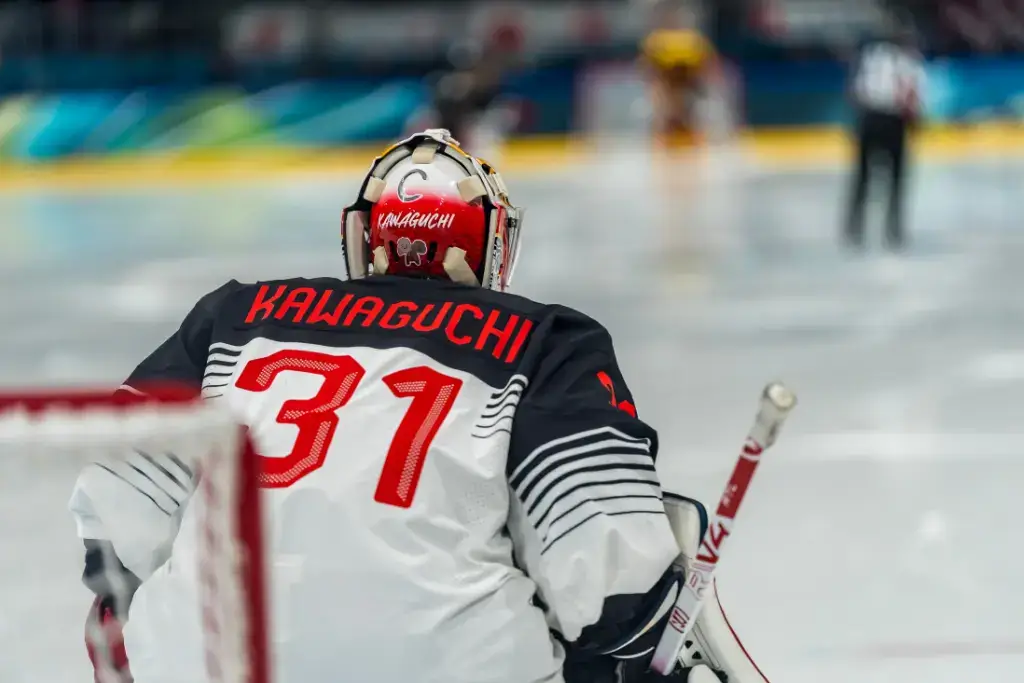
Together, these achievements highlight both consistency at the top level and growing depth across the team. More importantly, the results reflect years of investment in athlete development, coaching, and international competition. Japan is no longer just competitive in select events—it is now a well-rounded winter sports nation.
Strength Across Multiple Disciplines
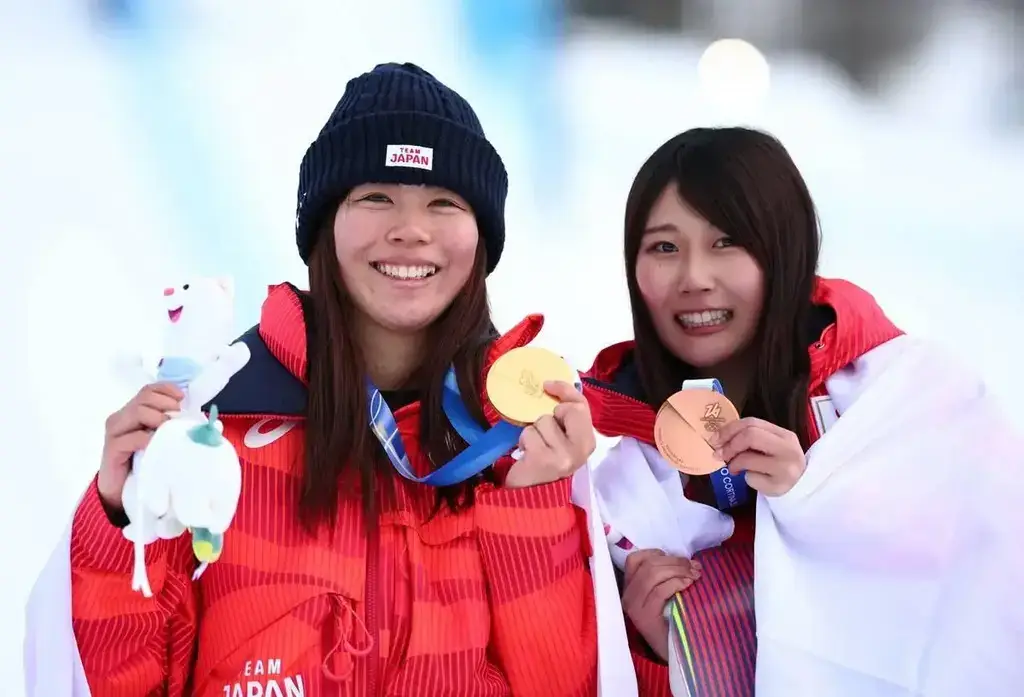
One of the most impressive aspects of Japan’s success in 2026 was its diversity. Rather than relying on one or two sports, Japanese athletes reached the podium across a wide range of events. Snowboarding played a major role in the medal count, with Japanese riders excelling in freestyle and big air competitions. These events have become a particular strength for Japan in recent years, thanks to a new generation of technically skilled and creative athletes.
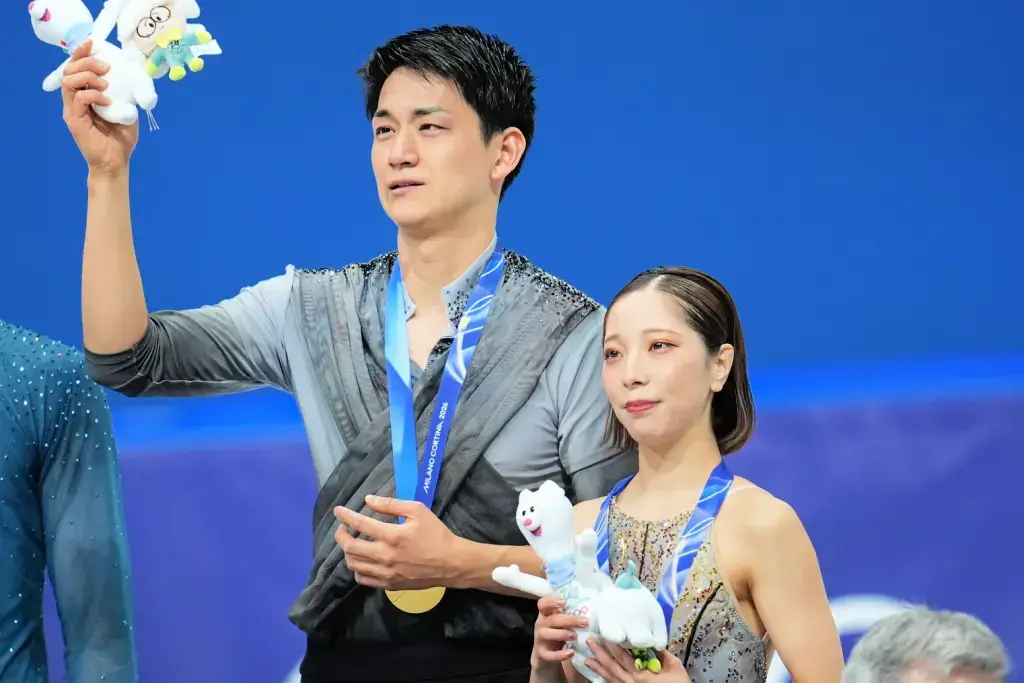
Figure skating also remained a cornerstone of Japan’s Olympic success. The pair of Riku Miura and Ryūichi Kihara delivered a gold medal performance that combined precision, athleticism, and artistry. Their victory continued Japan’s long tradition of excellence in figure skating on the global stage. In addition, speed skating and ski jumping contributed valuable medals. These events have historically been strong for Japan, and their continued success in 2026 shows the strength of the country’s training systems and athlete pipeline.
Are you looking for snacks to enjoy after watching sports? Check out Sakuraco! Every month, Sakuraco delivers delicious Japanese snacks, teas, and sweets from Japan so you may enjoy them at home.

Breaking Records in Real Time
Japan’s record-breaking performance wasn’t something that only became clear at the end of the Games—it unfolded in real time. Midway through the Olympics, Japan secured its 19th medal, officially surpassing its previous Winter Olympics record. This milestone created a sense of momentum and excitement around the team, as each new event brought the possibility of extending the record even further.
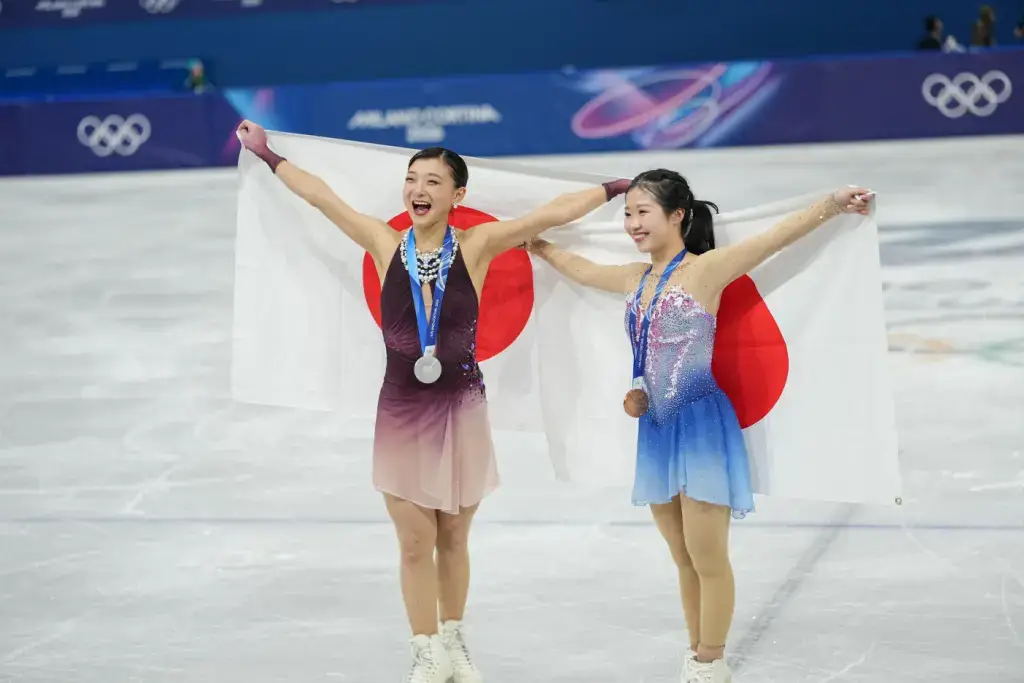
By the time the Games concluded, Japan had pushed the total to 24 medals. This steady accumulation reflected not only standout individual performances but also consistency across multiple days and disciplines—an essential quality for success at the Olympic level.
A Balanced and Evolving Team
Japan sent more than 120 athletes to compete in the 2026 Winter Olympics, with a notably balanced roster. Female athletes made up a significant portion of the team and played a key role in the overall success. Women contributed medals in several sports, particularly in snowboarding and speed skating.
Their impact highlights a broader shift in Japanese sports, where increased support and opportunities for female athletes are translating into results on the world stage. This balance between men’s and women’s success adds depth to the team and strengthens Japan’s long-term outlook. It also reflects a more modern and inclusive approach to athlete development.
Japan in the Global Medal Race
The global competition at the 2026 Winter Olympics remained intense. Traditional winter sports powerhouses such as Norway and the United States once again dominated the medal standings. Despite this, Japan’s 10th-place finish and record medal count positioned it among the most successful nations at the Games. It also stood out as the top-performing country in Asia, reinforcing its leadership in the region. This achievement is especially significant given the growing competitiveness of winter sports worldwide. More countries are investing in training and development, making it increasingly difficult to secure podium finishes. Japan’s ability to thrive in this environment speaks to the strength of its program.
Defining Moments and Key Performances
Several moments stood out during Japan’s 2026 campaign. The gold medal performance by Miura and Kihara in pairs figure skating was one of the highlights, showcasing both technical excellence and emotional impact. In snowboarding, Japanese athletes captured global attention with their creativity and dominance in freestyle events.
These performances not only earned medals but also helped shape the sport’s future direction. Meanwhile, contributions from speed skating and team events added depth to the medal tally. Each podium finish played a role in building toward the record-breaking total, emphasizing the importance of teamwork and consistency.
Looking Ahead
Japan’s performance at the 2026 Winter Olympics represents more than just a record—it signals a turning point. With a mix of experienced veterans and emerging talent, Japan is well-positioned for continued success at future Winter Games. The country’s investment in youth development, coaching, and international competition is already paying off, and the results in 2026 suggest even greater potential ahead. Future Olympic teams will now be measured against this 24-medal benchmark. While surpassing it will be a challenge, the foundation is clearly in place.
Why is this important?
The 2026 Winter Olympics will be remembered as a breakthrough moment for Japan. With a record-setting 24 medals, success across multiple disciplines, and a balanced, evolving team, the country has firmly established itself as a major force in winter sports.
Beyond the numbers, this achievement reflects years of dedication, innovation, and growth. As Japan looks to the future, the success of 2026 will serve as both inspiration and a new standard—one that signals the country’s arrival among the world’s elite winter sports nations.