


If you are interested in history, you may already know that the Jomon Period stands out as a time when people carefully learned to live in close harmony with nature. Many elements of Japanese culture may have originated during this era. Let’s explore together and revisit the essential characteristics of this period and the Jomon people!
How did the Jomon Period begin?
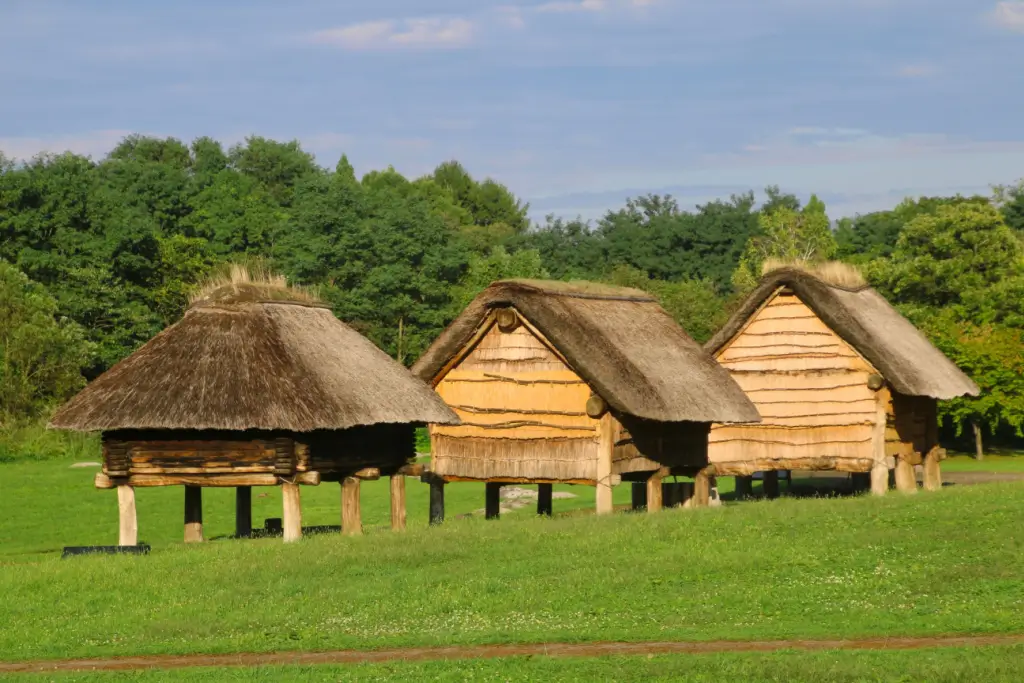
Long ago, the Jomon Period began across the Japanese islands, which include Hokkaido, Honshu, Shikoku, and Kyushu. This period started around 14000 BCE and lasted until about 300 BCE. It emerged after the last Ice Age, when warmer weather and rising seas formed new coastlines, rivers, and forests. These natural changes created a safe home where early communities could live and grow.
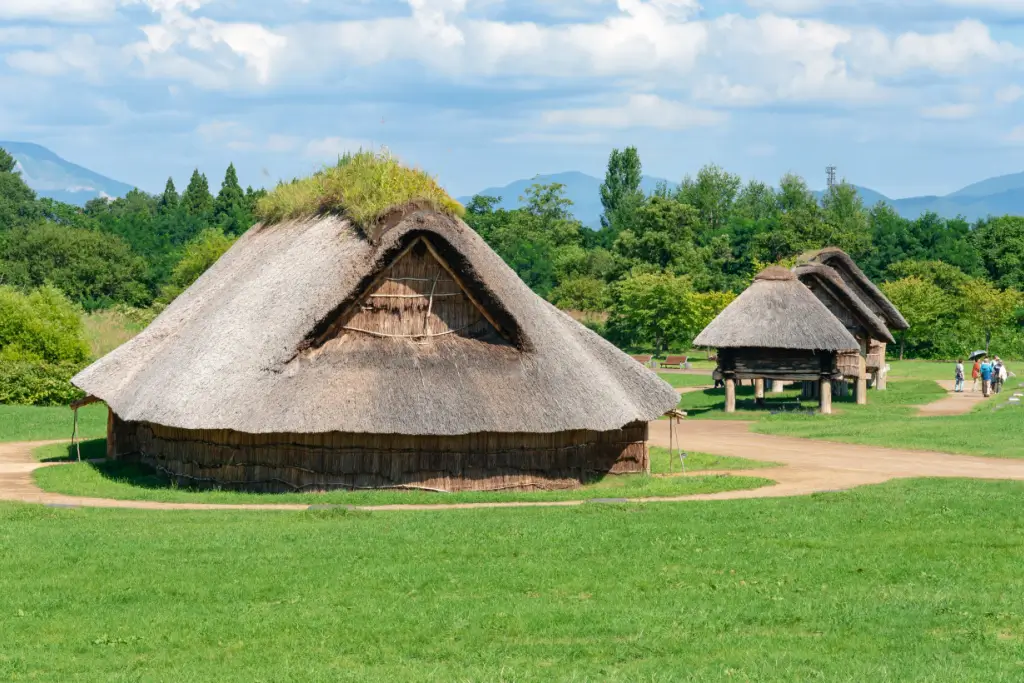
At first, many ancient groups traveled from Northeast Asia, the Korean Peninsula, China, and Southeast Asia to these islands. Over time, these groups mixed and formed communities known as the Jomon people. Scientists believe these people came from many backgrounds rather than a single group.
During this long period, warmer weather spread nut forests that supported animals, fish, and shellfish for a steady food supply. As a result, many communities stayed in one place longer than earlier groups. They spent their days hunting animals, gathering plants, fishing, and exploring shorelines.
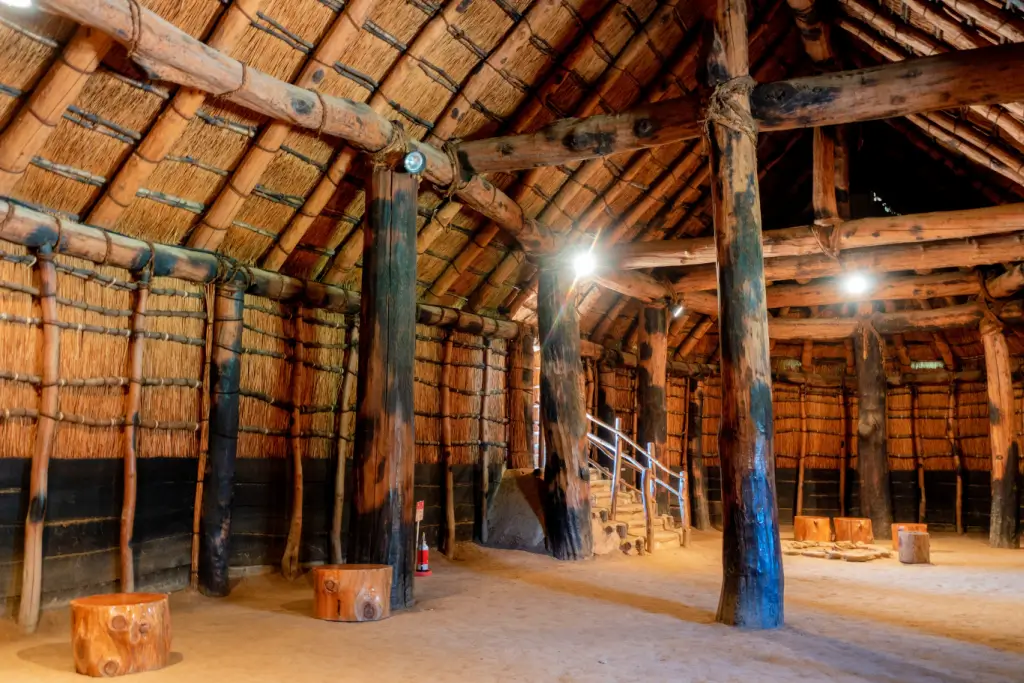
The name Jomon comes from Japanese words meaning rope pattern or cord design. In 1877, an American scientist named Edward Morse discovered broken pottery near Tokyo. Soon after, he noticed rope-like marks pressed into the clay surfaces. Because of this discovery, he used the term “Jomon” to describe the period and the people. Many researchers later accepted this name, and it became widely used by historians and archaeologists.
What might the Jomon people have looked like?
The Jomon people are believed to have had distinctive physical features that set them apart from later groups in Japan. Most men were likely about 157cm (5ft 1 in) tall, while women were likely about 147cm (4ft 9 in) tall. Their bodies were probably strong and muscular because daily life required much physical movement. Their appearance might have looked sturdy and active, which helped them survive in nature.
When people studied their faces, they noticed bold, clearly defined features. Many are believed to have had double eyelids, thick lips, and square jaws, creating strong facial outlines. Furthermore, their faces likely looked slightly curved. Some groups may have had thicker facial hair, which added to their striking appearance.
Their teeth and bones also revealed important details about their daily habits. Researchers found many teeth with cavities, suggesting they probably ate starchy foods such as plants and nuts. Moreover, scientists discovered parasite eggs in ancient remains, suggesting some people might have suffered stomach pain. Ankle bones sometimes appeared shaped by frequent squatting or sitting on heels. These discoveries act like exciting clues that tell stories about their everyday lives.
Are you looking for snacks to enjoy while learning about Japanese history? Check out Sakuraco! Sakuraco sends traditional Japanese snacks, teas, and sweets from local makers straight to your door each month!

What is notable about Jomon culture?
Jomon culture is famous for its creativity and smart use of natural materials found across the Japanese islands. People carefully shaped tools, jewelry, pottery, and artwork for daily life and special purposes. These objects show how they combined beauty with practical design.
One of the most remarkable highlights of Jomon culture is its pottery, among the oldest ceramics in the world. People pressed twisted cords into soft clay, creating beautiful rope-like patterns. At first, pots were small and round, helping families boil and store food. Later, the pottery grew larger and showed more detailed shapes and decorations. Some flame-shaped pots look dramatic and exciting.
Besides pottery, Jomon people created many clever tools for hunting, fishing, and food preparation. They used sharp stone arrowheads, spears, traps, and bows to safely catch animals. Also, fishing hooks, harpoons, and nets helped them catch fish and shellfish from deep and shallow waters. Additionally, they crafted jewelry from shells, bones, stones, and antlers, demonstrating their love of adornment.
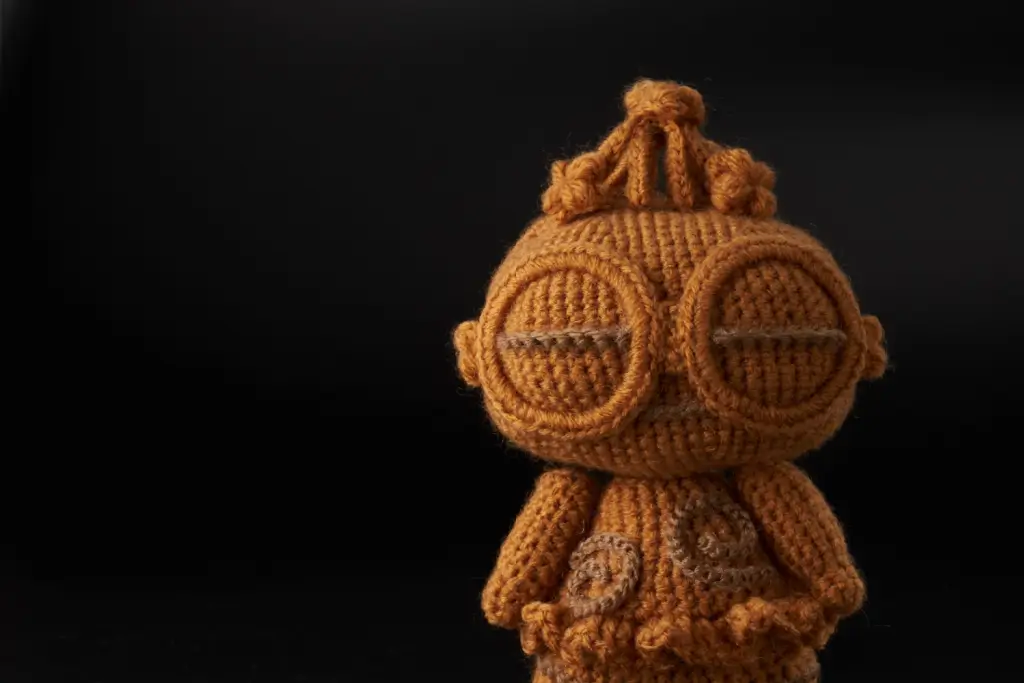
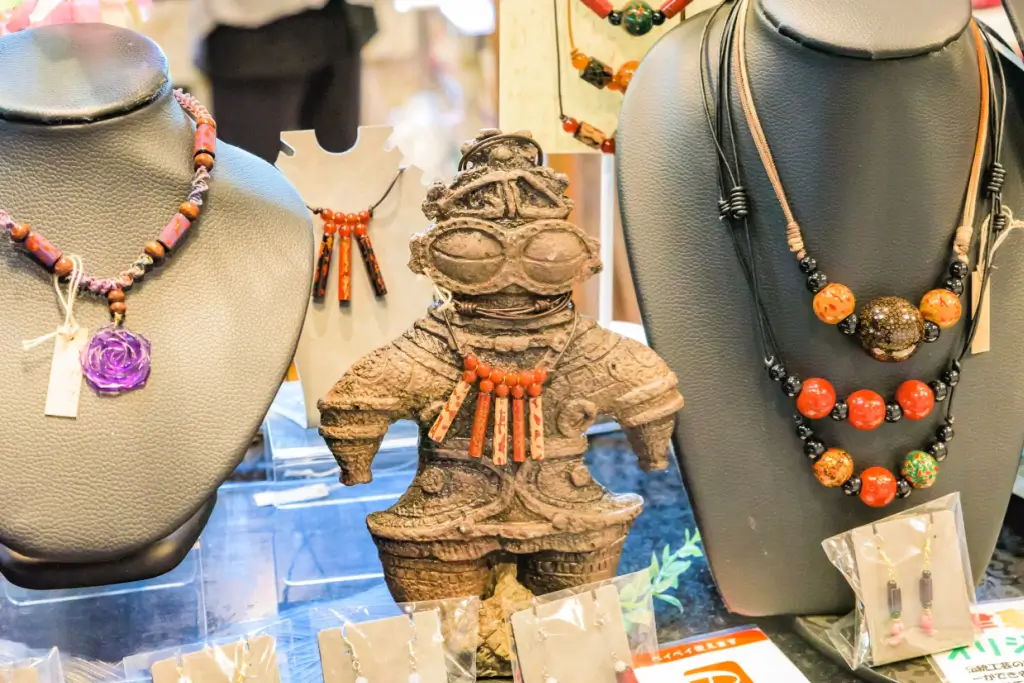
Artwork also played an important role in Jomon culture, especially clay figurines called dogu. These small figures often had large eyes and detailed body shapes, making them fascinating artistic creations. Many were discovered across Japan, suggesting they were widely used during special events or rituals. Today, these figurines attract great curiosity because their exact meaning remains mysterious.
Why is the Jomon civilization significant?
Even in modern times, the Jomon period remains significant since it shows how early communities built balanced lives while respecting nature’s limits. Their lifestyle teaches us that human survival can grow alongside forests, animals, and changing climates.
This period also matters because it reveals early creativity through pottery, tools, and artistic expressions that shaped Japan’s long cultural story. In many ways, their careful resource use still offers thoughtful lessons for modern society and environmental awareness.
Archaeological discoveries and scientific research continue to uncover new clues about the Jomon people, helping historians understand early human adaptation and cooperation. These findings encourage deeper respect for human creativity across time. So, which part of Jomon life do you think offers the most meaningful lesson for people living today? Kindly share your thoughts in the comments!
Cited Sources
- Jomon Japan. “World Heritage: Jomon Prehistoric Sites in Northern Japan“.
- Japan National Tourism Organization. “Step into Hokkaido and North Tohoku’s Ancient Jomon Past“.
- Nippon.com. “Jōmon Japan: Prehistoric Culture and Society“.