


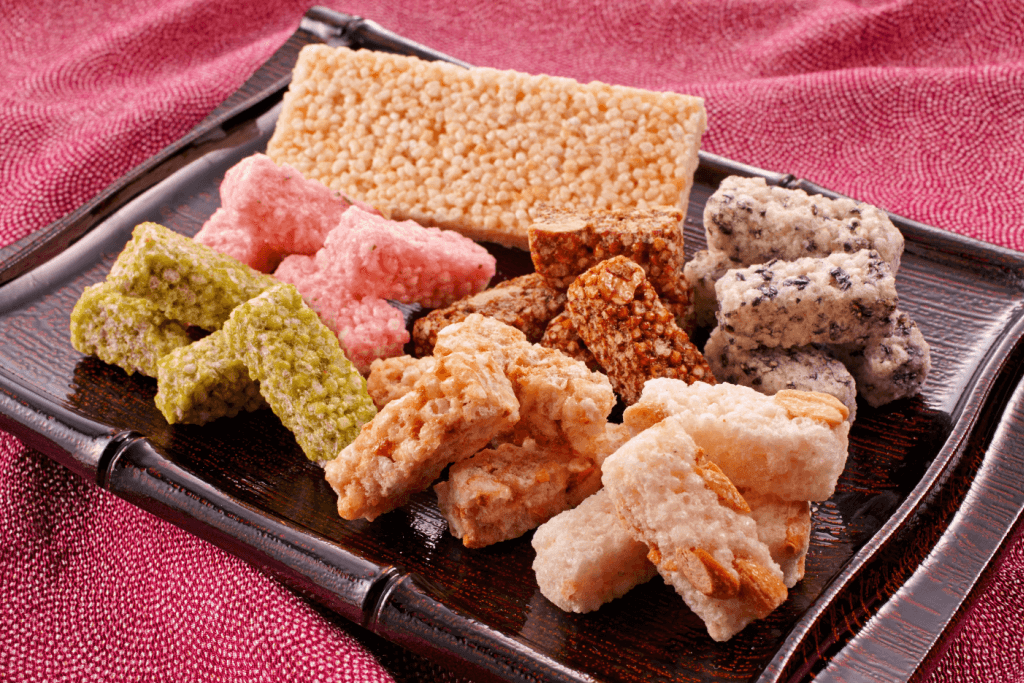
Kaminari okoshi (thunder cakes) are a classic rice treat with strong ties to Japanese tradition and culture. Enjoyed for over two hundred years, kaminari okoshi are simple, filling, and fun rice crackers that make for great gifts.
They are very common snacks that can be found in various stores throughout Japan (although buying them directly from the bakeries is the best route). The story behind kaminari okoshi is simple, but the enduring legacy of the treat is still felt and enjoyed today. Come and learn the history of this famous Japanese snack!
When did people start making kaminari okoshi?
These rick crackers was first made sometime in the middle of the Edo period, roughly around 1700. From 1603 to 1868, the Edo period marked an era of Japanese history under the rule of the Tokugawa Shogunate. This period holds great significance because many consider it when Japan truly transformed into a superpower. As a result, people were able to be more creative with their food, with kaminari okoshi becoming one of the biggest highlights!
How do I make them?
Kaminari okoshi are simple treats containing rice, sugar, and other ingredients. It’s easy to think of them as classic Japanese rice crispy treats. Making them at home is easy, but care should be taken not to burn them. The ingredients are rice seeds, oil, water, sugar, starch syrup, and butter. First, dry the rice seeds as much as possible and stir them well to prevent clumping.
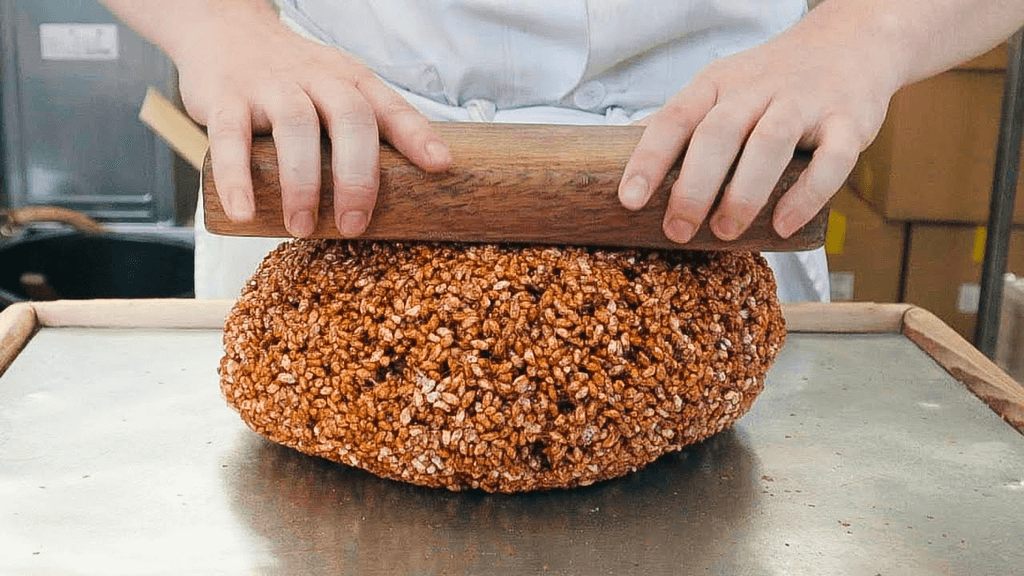
Next, fry the rice in a tempura pot for a few minutes until it’s evenly cooked. In another pot, boil the water, sugar, butter, and starch syrup over medium heat. When the sugar mixture becomes sticky and white, add the rice and stir until everything is well combined, and then transfer the mixture to a lined container and seal it. Cut the rice into the serving shapes you’d like when it’s cool enough to handle safely. And that’s it! Essentially, fried rice seeds are mixed with a boiled sugar mixture and then cut when cooled.
Where can I buy kaminari okoshi in Japan?
Tokiwado Kaminari Okoshi Shop (Asakusa, Tokyo)
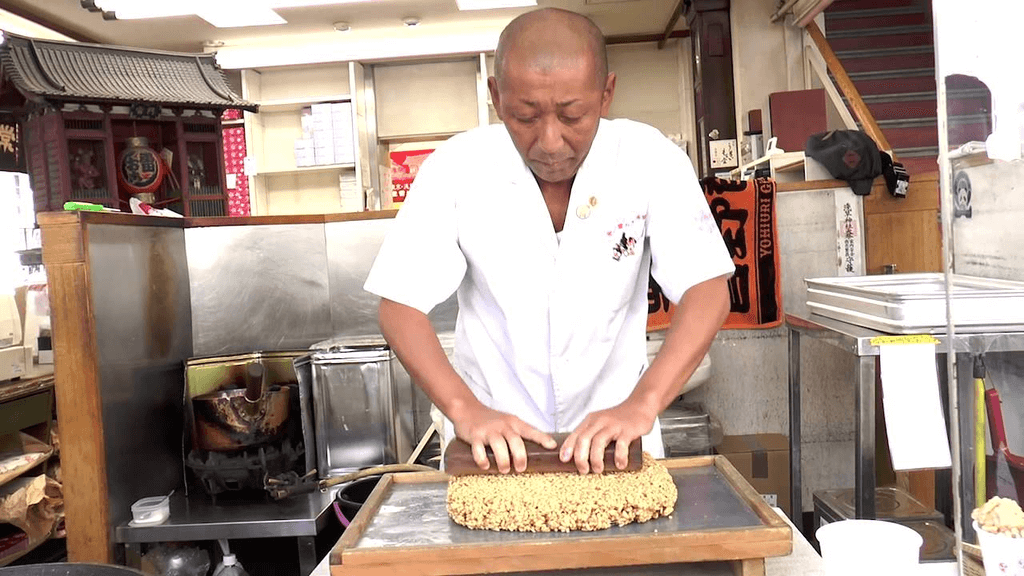
Kaminari okoshi are available at the Tokiwado Kaminari Okoshi shop in Asakusa, Tokyo. As we mentioned, the “thunder cakes” get their name from the Kaminari-mon (thunder gate) that stands by Senso-ji temple. While there are many places to buy them in Japan, this kaminari okoshi shop in Asakusa is the most famous. It’s possible to arrive early in the day and watch the treats being made fresh, which is the best time to buy them.
Nakayama Confectionary (Sumida, Tokyo)
At Nakayama Confectionary, the artistry of kaminari okoshi takes on a delightful twist with the incorporation of peanuts into their signature mix. This subtle innovation adds a nuanced layer of flavor to the traditional recipe. Moreover, Nakayama Confectionary presents a diverse array, including brown sugar-infused varieties and those skillfully blended with persimmon seeds.
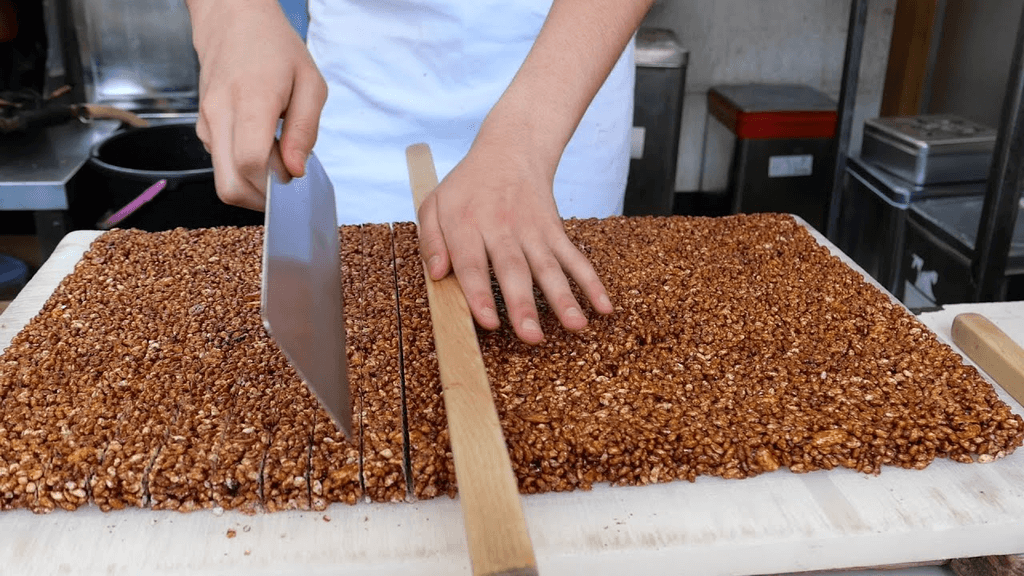
While these amazing sweets might be found in other stores, the ideal place to procure these delectable treats is undoubtedly the Nakayama Confectionary itself. There, the craftsmanship and authenticity of each piece shine through, creating an experience beyond just a purchase.
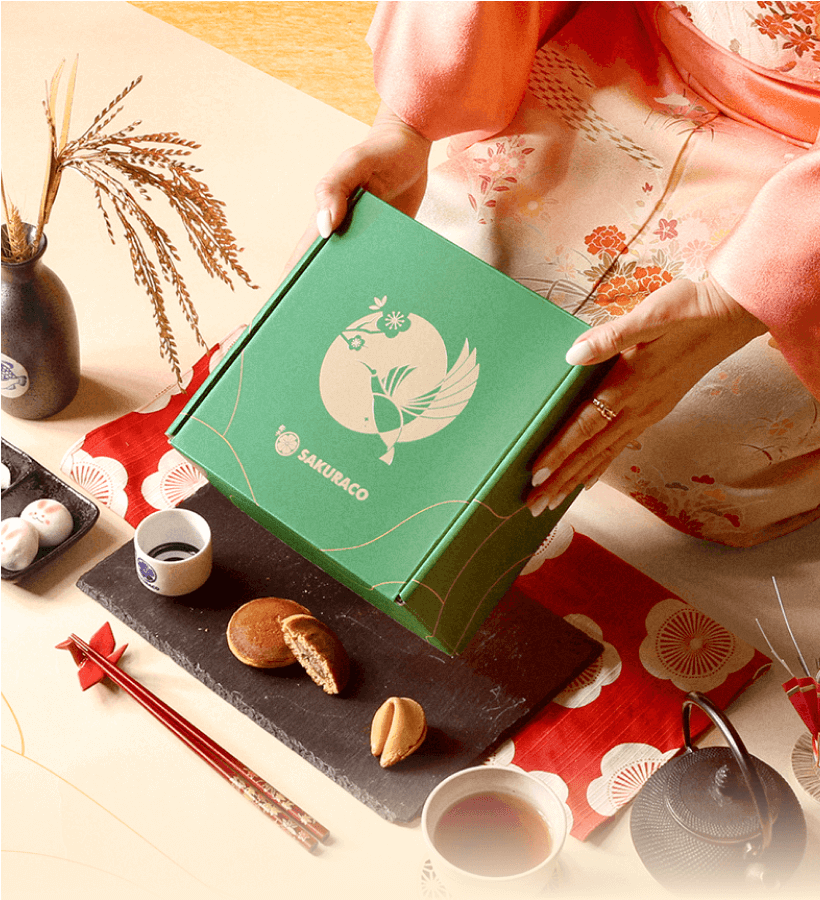
Are you interested in enjoying some delicious rice crackers? Check out Sakuraco! Sakuraco delivers traditional Japanese snacks, teas, sweets, and snacks from local Japanese makers directly to your door so you can enjoy the latest treats directly from Japan!

Daishindo Kaminari Okoshi (Taito, Tokyo)
Since the late 1800s, Daishindo Kaminari Okoshi has woven a rich tapestry of history around its craft. This venerable establishment’s rendition of these traditional rice crackers is a testament to time-honored culinary artistry. With a legacy spanning generations, Daishindo has perfected a unique variant of kaminari okoshi, distinguished by its exceptional softness. This nuanced texture sets it apart from conventional renditions and creates a delightful harmony when paired with tea.
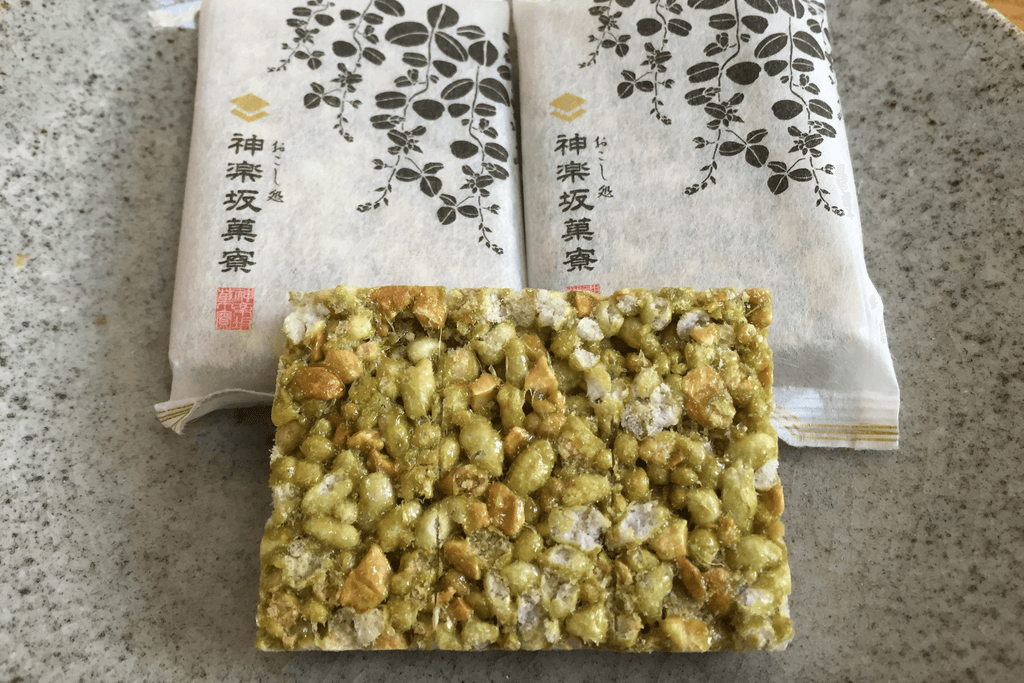
As you savor Daishindo’s kaminari okoshi, each bite becomes a journey through time, encapsulating the essence of a bygone era. The craftsmanship passed down through the years infuses these rice crackers with a flavor profile that echoes the traditions of the late 19th century. Enjoying Daishindo’s kaminari okoshi is not just savoring a snack; it’s experiencing a piece of culinary heritage that continues to captivate palates with its timeless appeal.
Why should I try kaminari okoshi?
Kaminari okoshi are a classic Japanese treat with years of history. Not only were they created during the middle of the Edo period, but they also carry the namesake of two important Japanese gods. The very god of thunder is what gave these delicious snacks their name, so enjoying them is helping keep an essential part of Japanese cuisine alive.
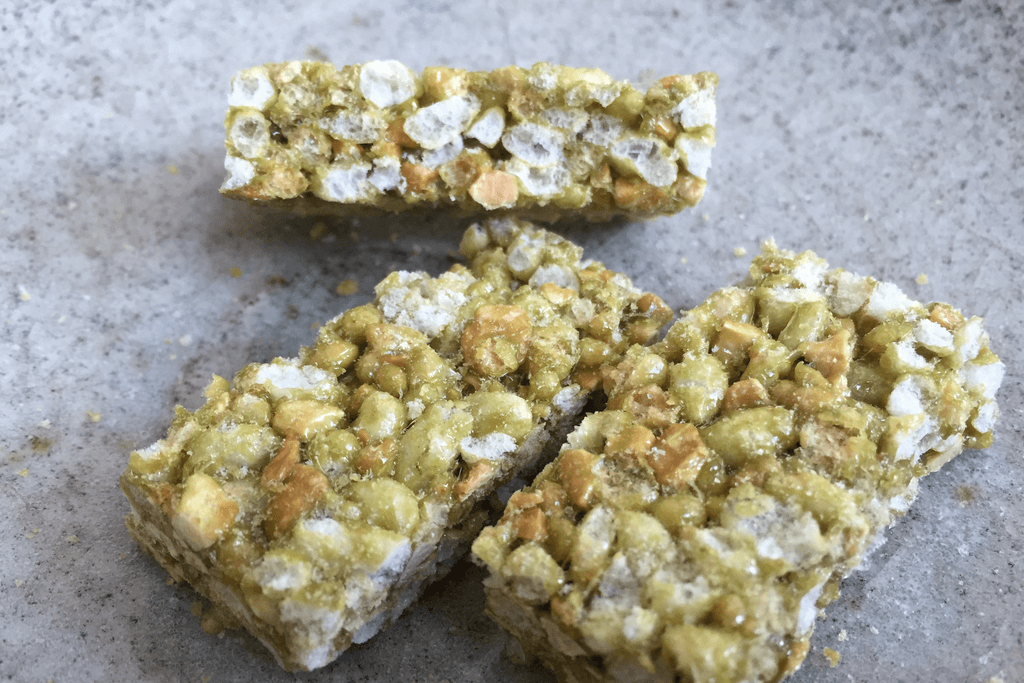
All in all, kaminari okoshi are easy to make and affordable to buy. With rice as their main ingredient, they are made without wheat, oats, milk, or soy, which makes them perfect snacks for those with food allergies. Being as simple to make as they are, it’s very easy to find kaminari okoshi, making them perfect gifts to give.
And the most essential reason you should try them is that they’re delicious. With tons of flavor variations such as brown sugar, matcha, sesame, peanut, and more, there is a variety of kaminari okoshi for everyone. Have you had kaminari okoshi before? If so, where did you get yours? What’s your favorite flavor? Please let us know in the comments! We’d love to hear from you!