


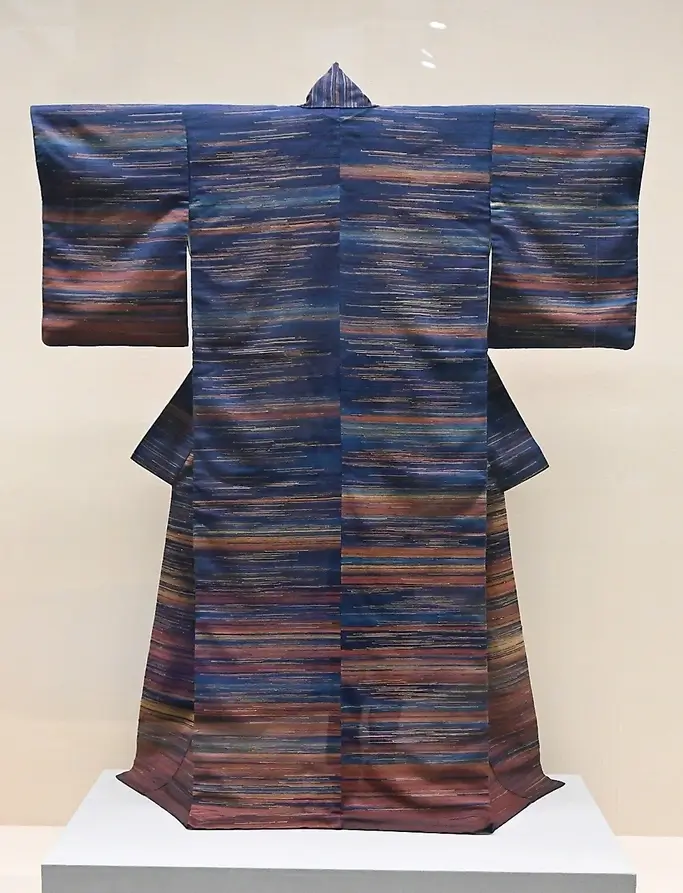
Have you ever wondered how ancient art can survive in a modern world? One extraordinary example is Nishijin-ori (Nishijin weaving), a traditional craft that turns silk into breathtaking works of art. This more than 1,000-year-old weaving style from Kyoto is used to make beautiful kimonos (traditional robes).
But today, Nishijin-ori faces big problems, as many people don’t wear kimonos daily anymore, making it hard for artists to keep the craft alive. In Kyoto’s Nishijin district, one weaver wants to save this tradition. He is using a surprising helper: artificial intelligence. Keep reading to discover how this blend of old and new gives Nishijin-ori a fresh future.
Tradition Meets Technology
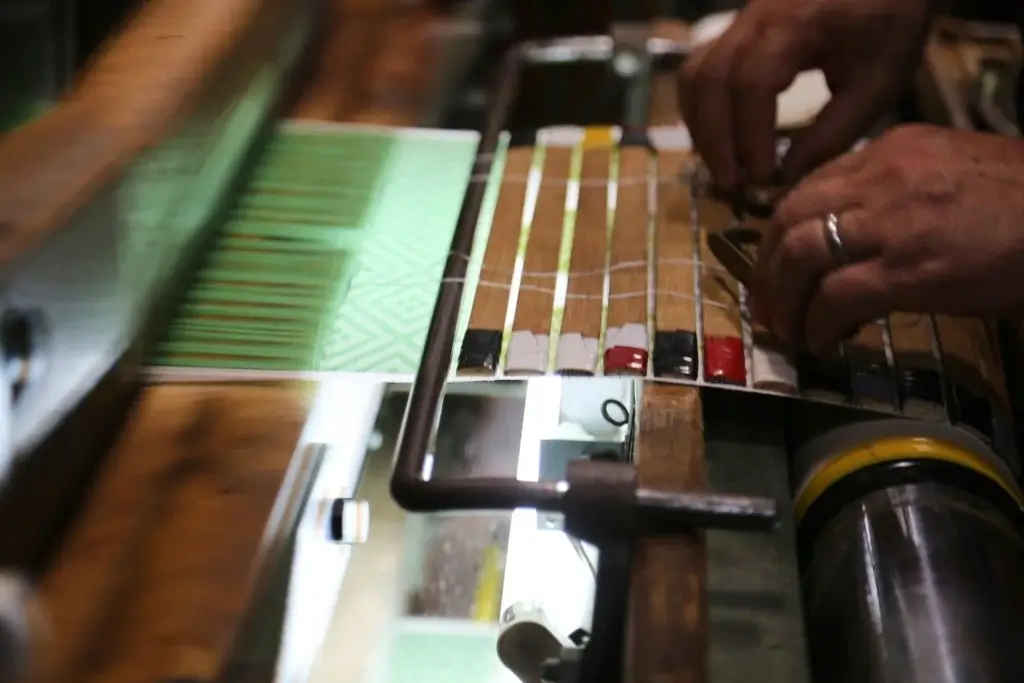
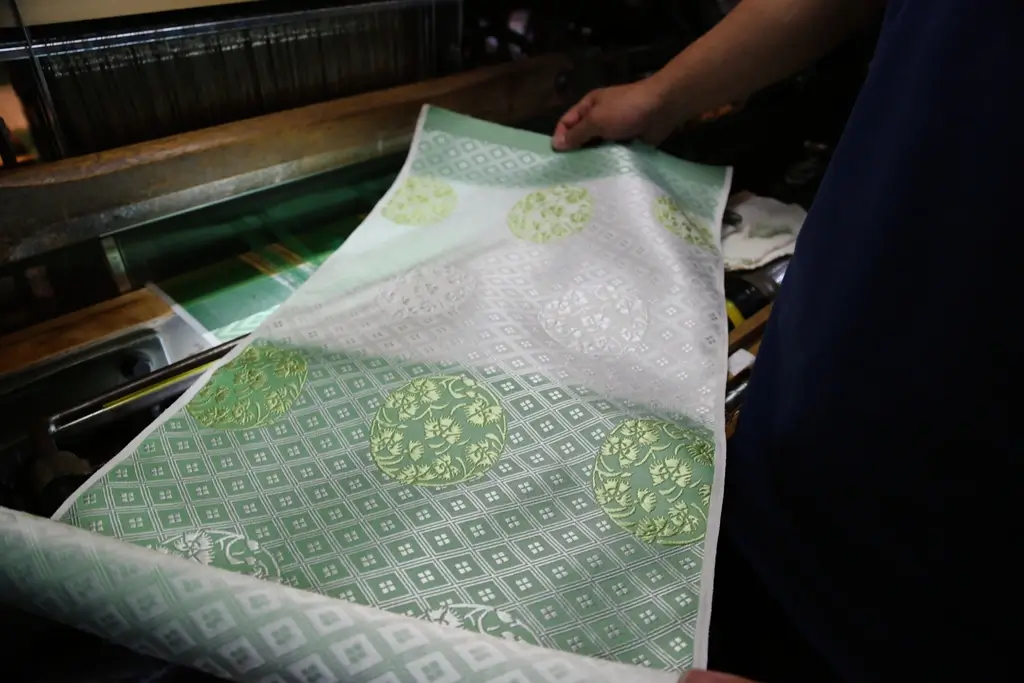
Hironori Fukuoka is the fourth generation of his family to run Fukuoka Weaving, a traditional workshop in Kyoto. The workshop specializes in Nishijin-ori, a centuries-old craft famous for its vibrant, intricate patterns. The steady clacking of the old looms fills the air, along with the pungent smell of dyed silk threads. Many of the machines and tools have stayed the same for decades, preserving the timeless methods of this art.
But on his desk sits a modern laptop running AI software. This AI might help shape the future of his craft. Fukuoka works with Sony Computer Science Laboratories, or Sony CSL. They test AI-generated designs for Nishijin-ori with the goal not to replace humans but to help them.
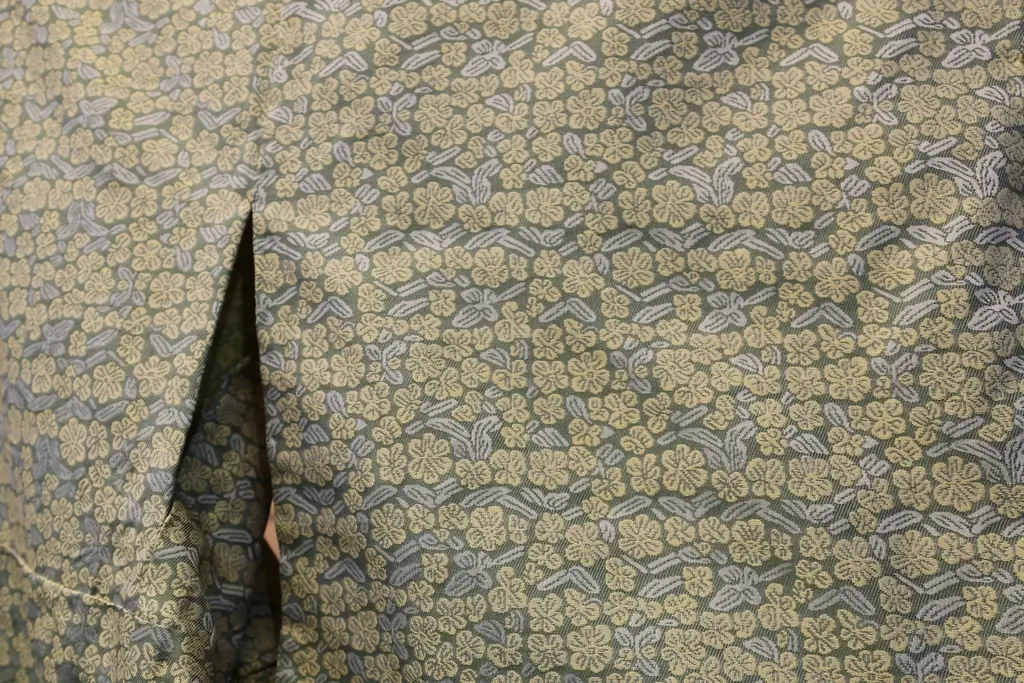
AI quickly suggests new designs, and Fukuoka chooses and improves them. First, the AI learns from many old Nishijin-ori patterns. It studies the shapes, balance, and symmetry. Then, it creates new patterns in seconds. Some are traditional, while others look very modern. One design uses bold black and orange colors with a tropical feel, while another turns sharp lines into a soft leaf shape. Fukuoka thinks AI shows ideas humans might not imagine.
Why This Matters for Kyoto’s Cultural Heritage
Kyoto is often called Japan’s cultural heart, where tradition and modern ideas live. Using AI in Nishijin-ori weaving fits this idea perfectly, as the weaving process is still entirely traditional. AI only suggests patterns, and skilled artisans bring them to life on old-style weaving machines. The goal isn’t mass production but keeping the art alive while creating designs modern buyers may enjoy.
There’s also a bigger picture. Nishijin-ori might be used beyond kimonos. Fukuoka tests it for fishing rods and aircraft parts thanks to its strong, durable weave. AI can speed up design for these new uses. That could help the tradition stay alive and profitable in the future.
Are you looking for great snacks and traditional accessories? Check out Sakuraco! Sakuraco delivers traditional Japanese snacks, teas, and sweets from local Japanese makers directly to your door so you can enjoy the latest healthy treats directly from Japan!

The Human Touch Still Matters
Dr. Lana Sinapayen from Sony CSL believes AI should take over repetitive design tasks. This would free artisans to focus on creative choices. AI can test color mixes, try many layouts, and create new ideas in minutes. However, it cannot copy every detail of Nishijin-ori. Soft color changes from hand-dyed threads are still too subtle for computers. Skilled artisans remain essential for turning digital ideas into real woven beauty.
A Future Woven Together
AI-assisted Nishijin-ori will not replace the traditional kimono designs loved for generations. Instead, it could inspire fresh ideas and keep this Kyoto treasure alive for years. You might pick a traditional flower design or a bold leaf pattern made with AI’s help.
The real magic comes from humans and machines working together to weave something unique. If that means wearing a Nishijin-ori jacket partly designed by an algorithm, I’m in. It’s the perfect mix of Kyoto’s old charm and future-focused vision.
Would I Wear an AI-Designed Nishijin-ori?
Yes, but with one condition. There’s something magical about wearing a piece of Kyoto’s history. These fabrics are made with weaving techniques that are over 1,000 years old. If AI can add fresh energy without losing that tradition, I’d happily wear it.
Artisans and AI working together could make Nishijin-ori exciting for younger people. Imagine a kimono or jacket with a nature-inspired pattern and a modern style. You could wear it to an art show in Tokyo or even a fashion week in Paris. And it’s not just for kimonos. A handbag, scarf, or home décor could also use AI-assisted Nishijin-ori. That would bring this Kyoto craft into everyday life.
Why consider AI-assisted Nishijin-ori designs from Kyoto?
People love Nishijin-ori because it mixes centuries-old craftsmanship with fresh, creative ideas. This blend of tradition and technology keeps the art alive today. Whether you like classic beauty or modern style, there’s a design for you.
AI-inspired patterns bring new possibilities while respecting Kyoto’s skilled artisans. Exploring them is a great way to connect with Japanese culture. It also shows how innovation can help preserve timeless beauty. Which style would you choose? Share your thoughts in the comments!