


Kinako is a very popular ingredient that can easily be found in many traditional Japanese sweets. It has a distinctive flavor, standing alongside other classic tastes such as red bean or sesame. Let’s explore this charming ingredient together, and who knows, you might even be able to make it in your own beloved kitchen!
What is kinako?
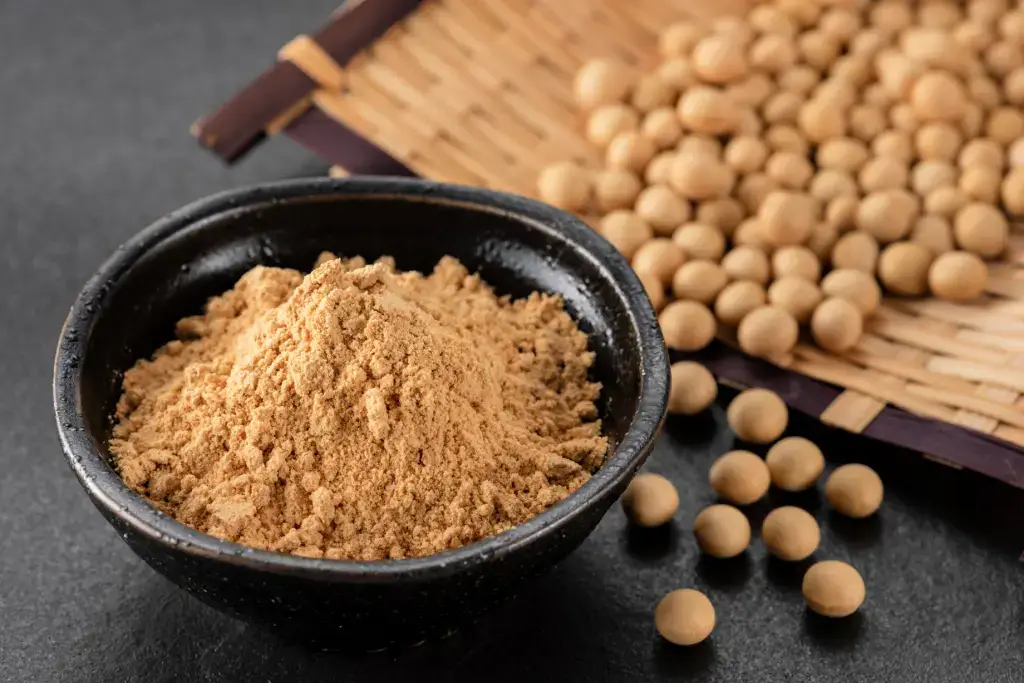
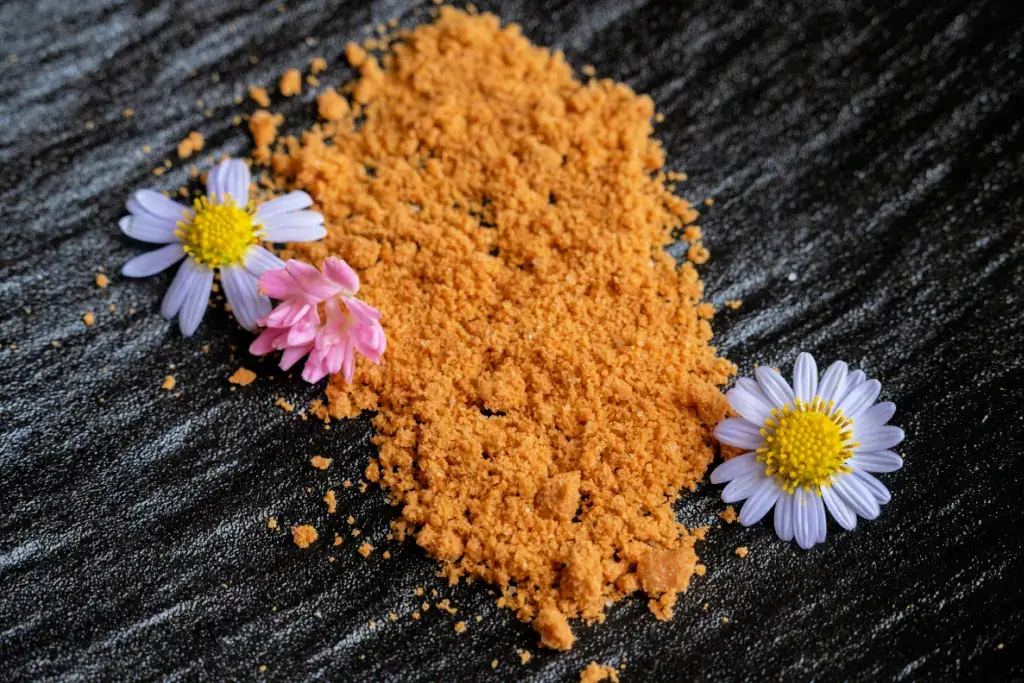
Kinako is a gentle golden powder from Japan, part of the world of traditional treats. Its origin lies in roasted soybeans, which have long been valued in East Asia, especially in Japan’s countryside kitchens and temples. Over many centuries, it quietly became an integral part of daily life, from snacks to special celebrations.
Long ago, during the Heian period (794-1185), noble families enjoyed its soft color and gentle aroma. Later, the ordinary people welcomed it into their seasonal joys. Its background is tied to simple farming communities and careful respect for nature’s gifts.
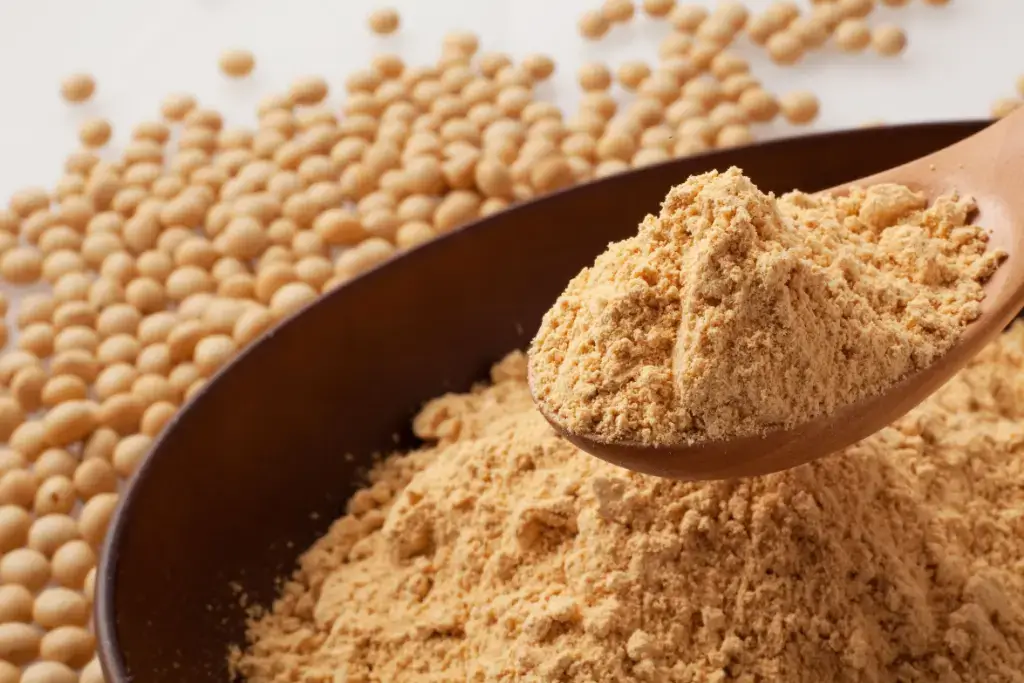
In terms of taste, this ingredient is warm and nutty, evoking a cozy sensation on the tongue. Its texture is light, silky, and soft, almost like smooth sand. At the same time, it contains protein, fiber, vitamin B, iron, calcium, and helpful minerals for growing bodies. These nutrients support strong muscles, healthy skin, smooth digestion, and stable energy levels. Many people believe it brings balance, making both the body and heart feel calm and happy.
Moreover, there are different varieties, including yellow, black, and green soybeans, each with its own charm. Among them, the yellow variety is the most popular and widely seen. Black kinako is slightly deeper in color and richer in nutrients, while green kinako feels fresh and rare.
Is it possible to make it at home?
It’s very easy to make kinako at home with a simple process and just one main ingredient. With a bit of time and care, you can create a fresh, nutty powder that is perfect for many sweet treats.
Instructions
Step 1: Prepare the oven
Preheat the oven to ensure the heat is evenly distributed. This helps the soybeans roast properly and develop a gentle, nutty aroma.
Step 2: Roast the soybeans
Spread the dried soybeans in a single layer on a lined baking tray. Place the tray in the oven and let the beans roast until a toasty aroma fills the air. Halfway through, gently shake the tray to help them brown evenly. When the beans turn a deeper golden color, remove them from the oven and let them cool completely.
Step 3: Grind into powder
Once the soybeans are cool, place them in a clean blender or coffee grinder. Grind them until they become a fine, soft powder. If you prefer a smoother texture, you may remove the skins before grinding, but this step is optional.
Step 4: Store the kinako
Transfer the finished powder into an airtight container. Store it in a cool, dry place to keep it fresh and ready for use.
Tips
Do not overfill the grinder, as this may result in uneven powder. A longer roasting time yields a stronger, nuttier flavor, while a shorter time results in a lighter taste.
Are you looking for great snacks that may include kinako? Check out Sakuraco! Sakuraco delivers traditional Japanese snacks, teas, and sweets from local Japanese makers directly to your door so you can enjoy the latest healthy treats directly from Japan!

How is kinako commonly used?
This powder is widely used in Japanese cuisine, especially in sweets and desserts. It is a perfect topping for wagashi (traditional Japanese confectionery), donuts, ice cream, yogurt, and even smoothies. Here are three well-known treats that highlight kinako!
Kinako Mochi
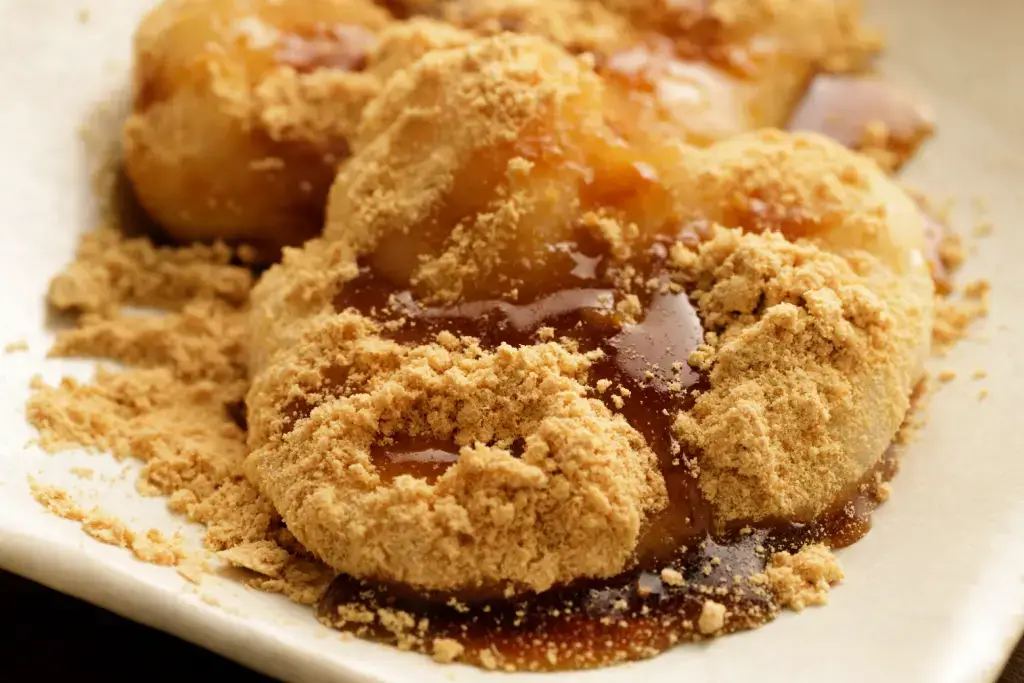
Kinako mochi is crafted from soft rice cakes and roasted soybean powder. It uses warm kinako mixed with a bit of sugar, then gently coats the mochi. Its charm comes from its simple look and deep traditional feeling. Since roasted soybean powder is dry, it balances the sticky mochi, making each bite easy to eat. Sometimes, a tiny pinch of salt is added to deepen the flavor.
Warabi Mochi
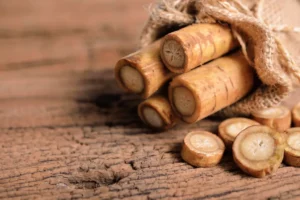
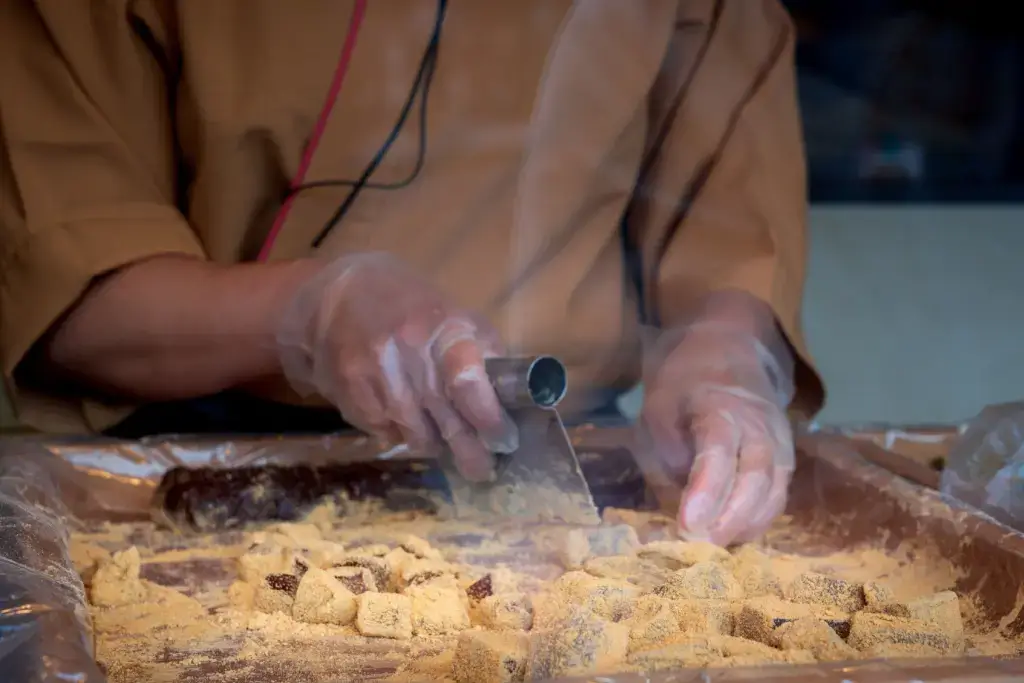
This is a traditional Japanese sweet made from warabi (bracken starch) instead of rice. It began in the Heian period, when noble families cherished it as a rare and special treat. Today, it’s especially popular in Kansai and Okinawa, where summers feel hot and bright. You can often find it in sweet shops, at festivals, and in tranquil tea gardens across Japan.
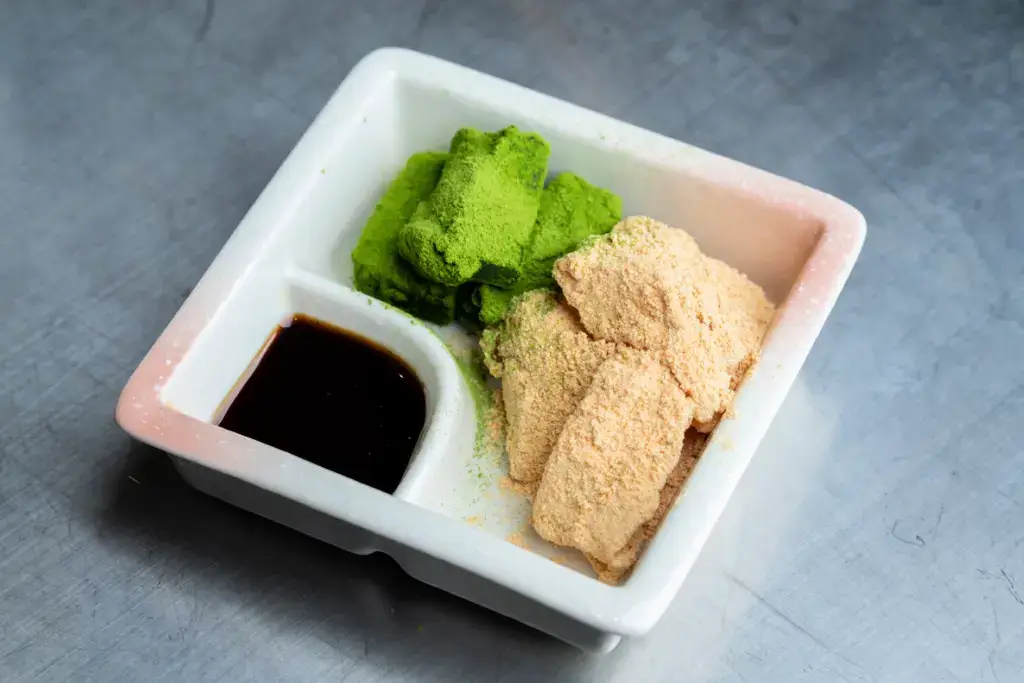
This dessert looks clear and shiny. Its taste is very gentle, so the primary flavors come from kinako and kuromitsu (brown sugar syrup). Kinako is softly sprinkled or fully coated on the mochi, adding a nutty sweetness. Sometimes, red bean paste is hidden inside for an extra soft surprise. The texture is bouncy, chewy, and slightly jelly-like, then slowly melts in your mouth.
Kinako Milk
It’s fun to sip this lovely drink hot on cold days! It’s a cozy drink made by mixing roasted soybean powder into warm milk or soy milk. The milk tastes slightly sweet, nutty, and smooth. The main ingredients are kinako, milk or soy milk, and a small amount of sugar or honey for sweetness. To make it, roasted soybean powder is stirred into hot milk, allowing it to dissolve smoothly and never feel powdery. And a touch of cinnamon or vanilla is added for extra aroma.
Why is kinako one of the most favorite ingredients in Japan?
Kinako has become one of the most valued ingredients in Japan due to its unique, gentle, and nutty flavor, as well as its wide range of uses. It can feel light and comforting, yet still rich enough to stand out in a variety of dishes. People enjoy how it blends seamlessly into both traditional and modern recipes, adding warmth without being overpowering. This flexibility allows it to be incorporated into simple home snacks, elegant sweets, and even cozy drinks, making it a part of everyday life for many families. What kind of dish or drink would you like to try with this fantastic powder? Share your thoughts in the comments!