


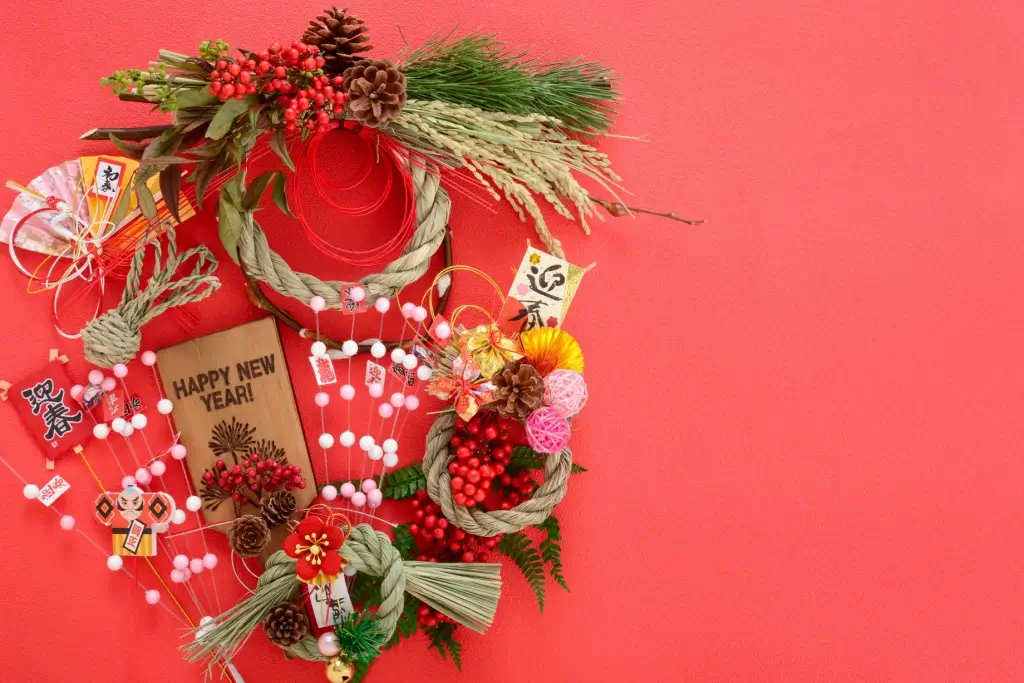
Oshogatsu (Japanese New Year) is a special time when traditional customs welcome the beginning of a new year. This celebration mainly takes place from January 1 to January 3. However, related activities and festivities often begin in the final days of December and can continue until January 11. This long celebration shows just how lively and exciting the New Year season is for people in Japan. Let’s explore some of the most well-known Oshogatsu traditions you can experience across the country!
What are some common Oshogatsu customs during the Japanese New Year?
Oshogatsu is the Japanese New Year, celebrated across Japan, from quiet homes to famous shrines, with calm joy as it welcomes fresh beginnings. Its origins come from Shinto and Buddhist beliefs that honor time, nature, and renewal through simple actions. Typical activities include deep cleaning, decorating entrances, writing greeting cards, and watching the first sunrise of the year. These customs make Oshogatsu a peaceful season that feels warm and full of hope.
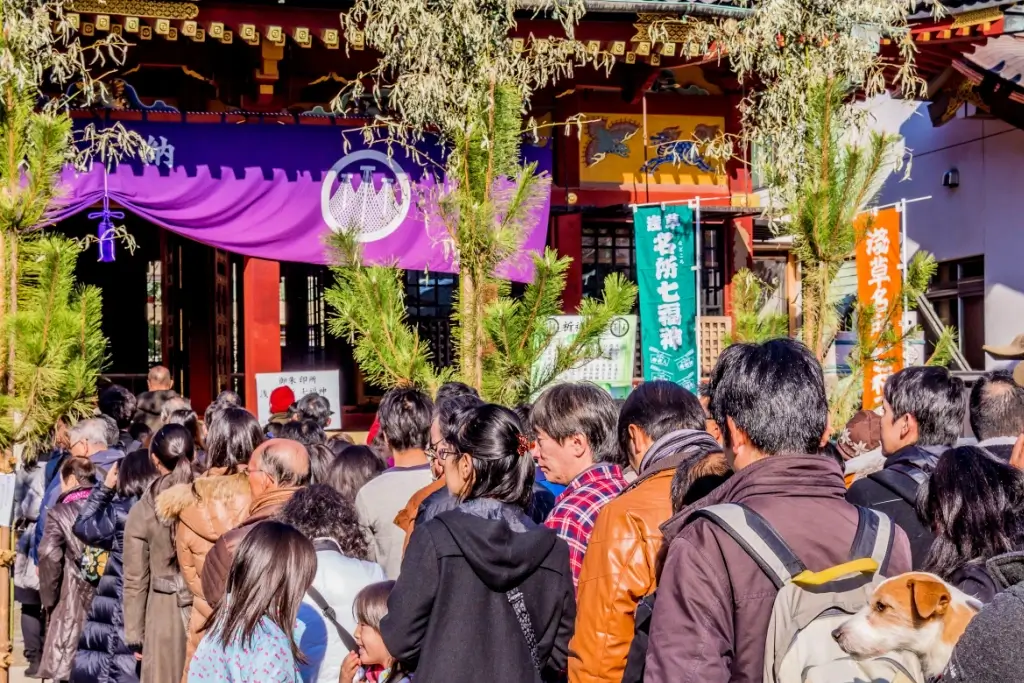
Hatsumode is a key tradition that naturally follows these preparations with a spiritual visit. It takes place at shrines and temples, such as Meiji Jingu, where people pray during the first few days. This custom began to gain popularity during the Edo period (1603-1868) and spread widely with the advent of trains and increased travel. Visitors wash hands, offer coins, bow, clap, and make quiet wishes for health and success. Many enjoy drawing omikuji fortunes or choosing protective charms as meaningful keepsakes.
Beyond hatsumode, Oshogatsu features special events that add excitement for everyone. On New Year’s Eve, joya no kane happens as temple bells ring one hundred eight times to release worries from the old year. Then, on January 2nd, people visit the Imperial Palace or practice calligraphy and martial arts to start the new year with a fresh start. Additionally, people enjoy busy shopping streets with lucky bags and cheerful crowds. These experiences showcase a diverse range of celebrations shared during the holiday season.
What makes Oshogatsu cuisine unique during the Japanese New Year?
Oshogatsu cuisine reflects calm wishes shared at homes, temples, and family tables during winter celebrations. Famous dishes include osechi, a beautifully arranged New Year’s meal filled with auspicious meanings. Japanese people also savor toshikoshi soba, eaten to wish for a long life, and warm amazake, a sweet rice drink loved during cold days.
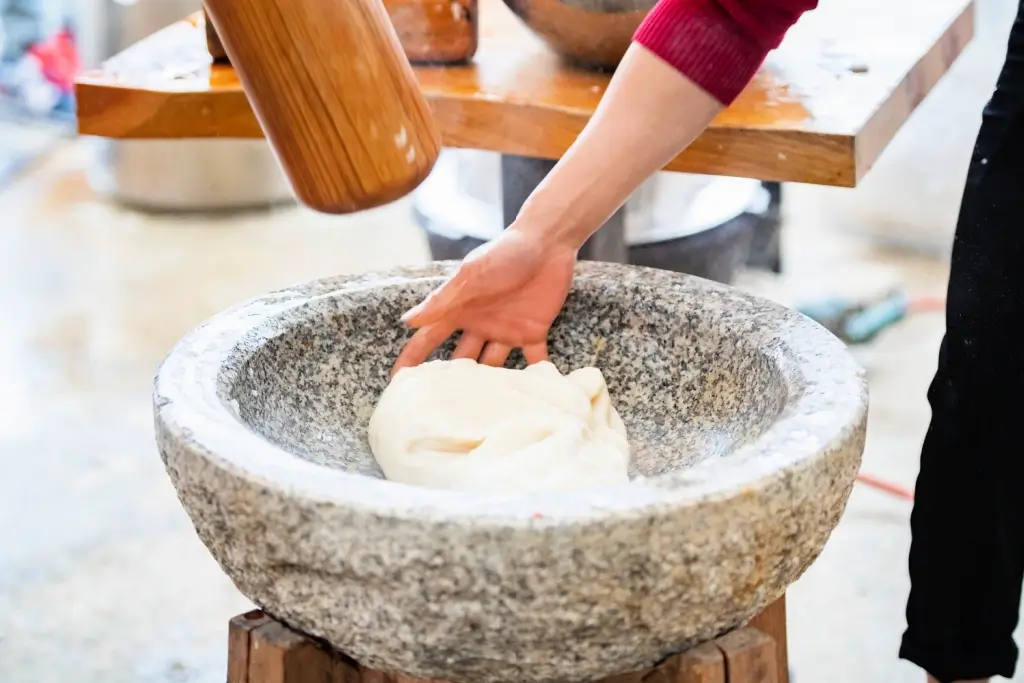
One joyful tradition is mochitsuki, a lively activity where people gather to pound rice into soft mochi (rice cakes) together. This tradition originated in farming villages long ago and continues to bring neighbors together today. Fresh mochi comes in a wide variety of shapes, handcrafted and shared with smiles. To add gentle sweetness, kinako (roasted soybean powder) is often used. These foods feel comforting and show how simple ingredients can shine.
In addition to traditional sweets, konpeito is another favorite during the Japanese New Year. This tiny, star-shaped candy is beloved by children and has a rich history that dates back to when travelers introduced sugar sweets to Japan centuries ago. Over time, Japanese artisans refined it into colorful, crunchy gems. Konpeito comes in a wide variety, with soft fruit flavors and bright colors. Families pass it around, making moments feel cheerful and calm.
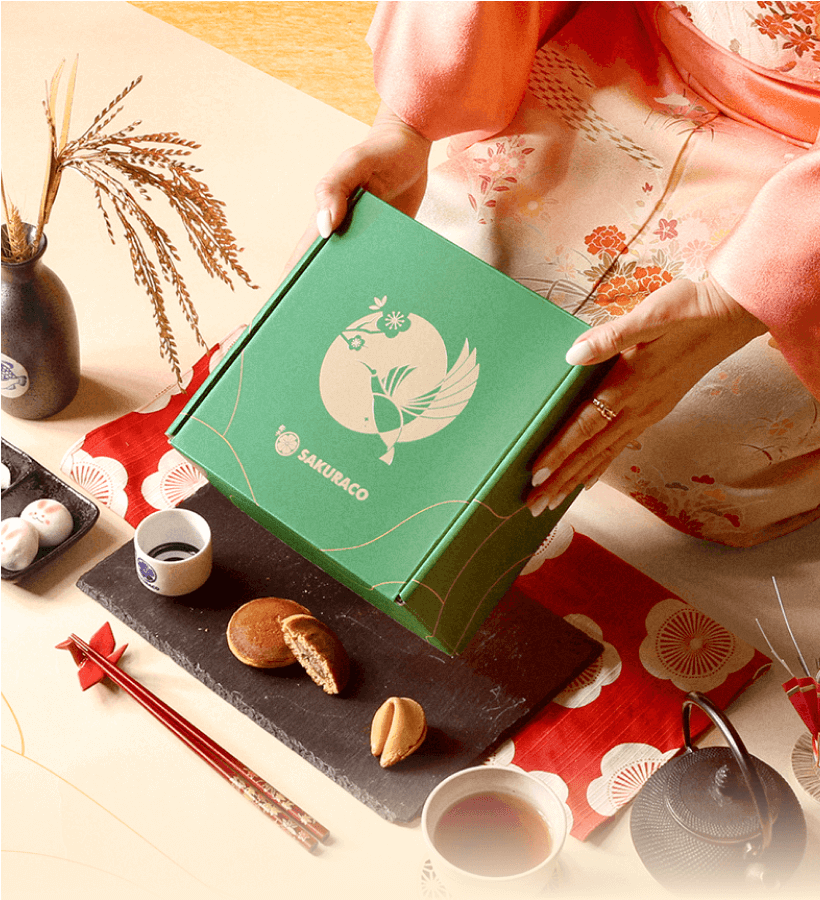
Are you looking for amazing snacks for the New Year? Check out Sakuraco! Sakuraco delivers classic Japanese teas, ceramics, and sweets from local Japanese businesses straight to your door!

What spiritual beliefs do Japanese people have at the start of the year?
When the New Year arrives, Japanese spiritual beliefs focus on renewal, gratitude, and welcoming good fortune into homes and communities. People in Japan often believe that unseen gods visit the human world to bestow blessings.
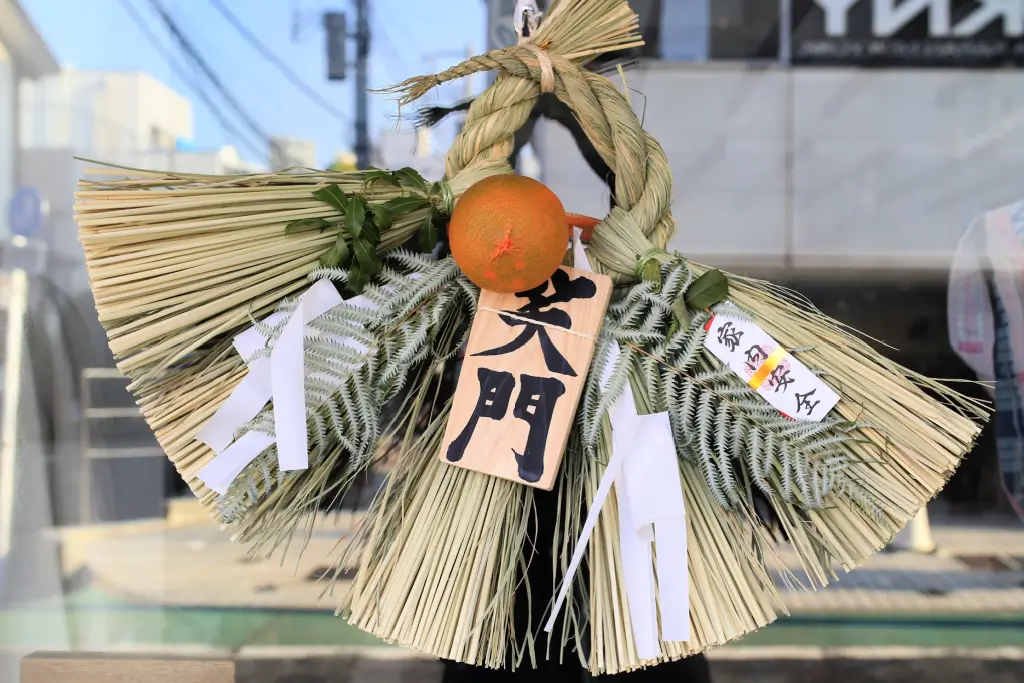
Among these beliefs, Toshigami holds a special and central role. He is known as the spirit of the year and harvest. His origin comes from farming life, where people depended deeply on nature. According to tradition, Toshigami arrives at the end of the old year and stays through the New Year season. Many people see him as a bringer of health, safety, and abundance to families and villages. To welcome him, households clean carefully and prepare special foods and decorations.
Alongside Toshigami, Ebisu is another beloved god welcomed during the Oshogatsu. He is a cheerful deity associated with luck, prosperity, and daily activities. His origin is purely Japanese, making him unique among many gods. In history, Ebisu was revered for protecting fishermen and later became essential to merchants and travelers. You can recognize him by his warm smile, fishing rod, and lucky fish.
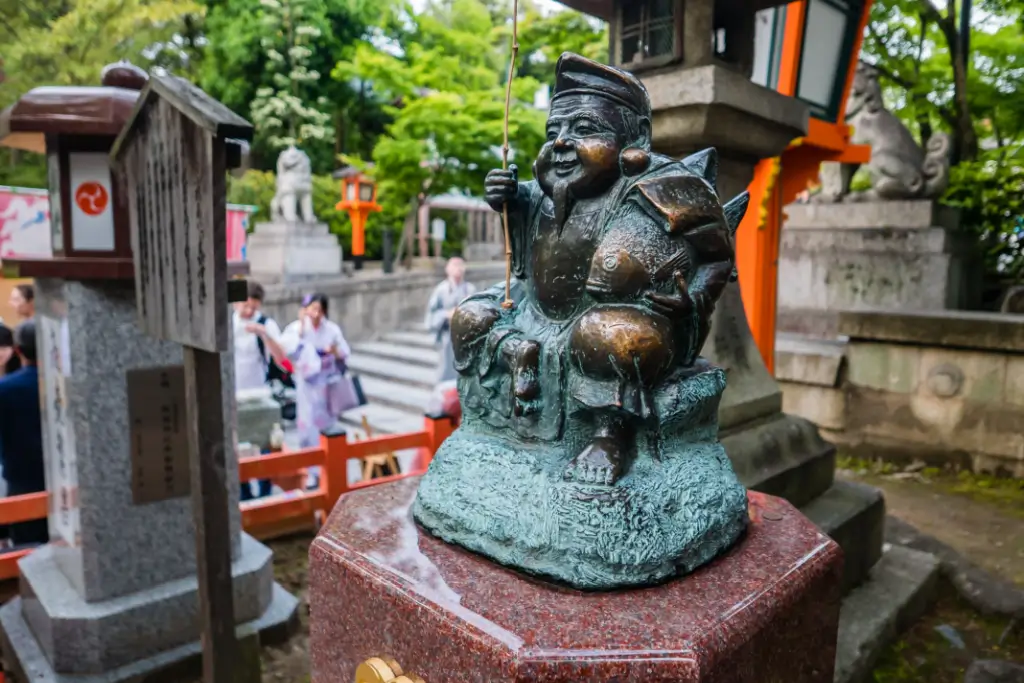
Together, Toshigami and Ebisu demonstrate the diverse range and unique characteristics of Japanese New Year beliefs. One god represents time, harvest, and family, while the other celebrates effort, success, and joy. Because of this balance, these traditions remain meaningful across generations. Activities such as shrine visits, quiet prayers, and shared meals help keep beliefs alive.
Why are these Japanese New Year traditions important?
These Japanese New Year practices hold meaning because they help people pause, reflect, and begin the year with care and respect. They remind families and communities to slow down, clear old worries, and welcome hope together. Through Oshogatsu, people reconnect with values such as gratitude, harmony, and kindness that guide their daily lives.
Beyond rituals, these traditions matter because they gently pass wisdom from one generation to the next. Simple actions help children understand patience, respect, and togetherness without pressure. They also provide people with a quiet moment to reflect on their place in the family and society. This balance between reflection and joy makes the New Year feel meaningful, not rushed. Which Japanese New Year tradition impresses you the most, and why? Share your thoughts in the comments.