



The Noto Peninsula, located in the northern part of Ishikawa Prefecture, is renowned for its breathtaking landscapes, deep-rooted cultural traditions, and centuries-old craftsmanship. However, on January 1, 2024, this picturesque region was shaken by one of the most powerful earthquakes in its history.
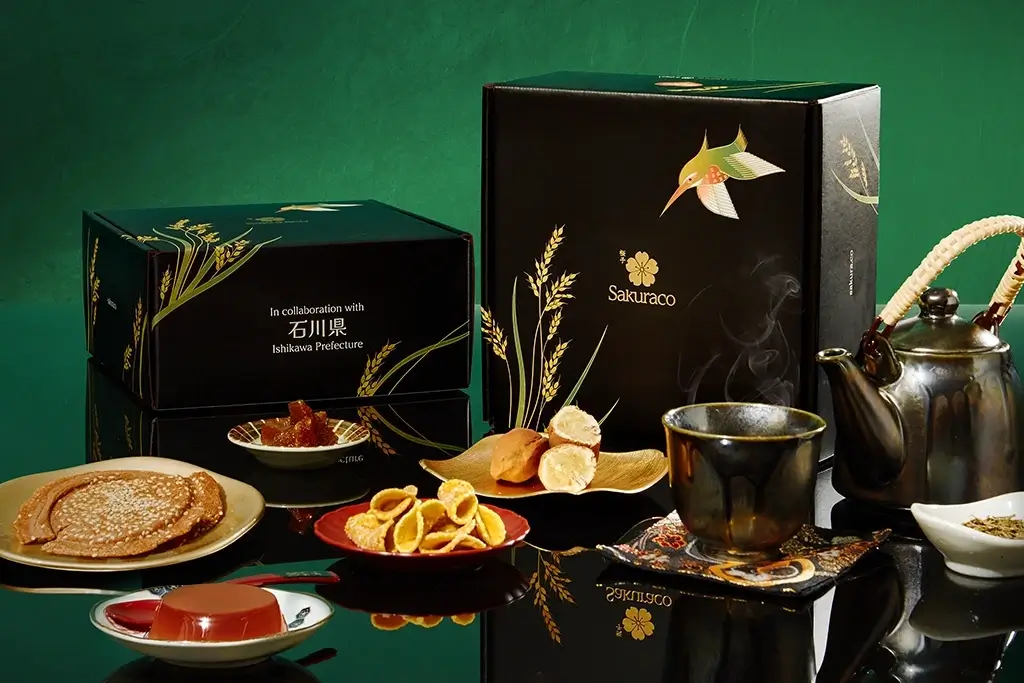
This 7.6-magnitude tremor claimed hundreds of lives, displaced tens of thousands, and left entire communities in ruins. Wajima, famous for its artisans and traditional crafts, was hit particularly hard, with homes, workshops, and historical landmarks sustaining severe damage. The road to recovery has been challenging for the people of Noto, yet their resilience and dedication to rebuilding shine through.
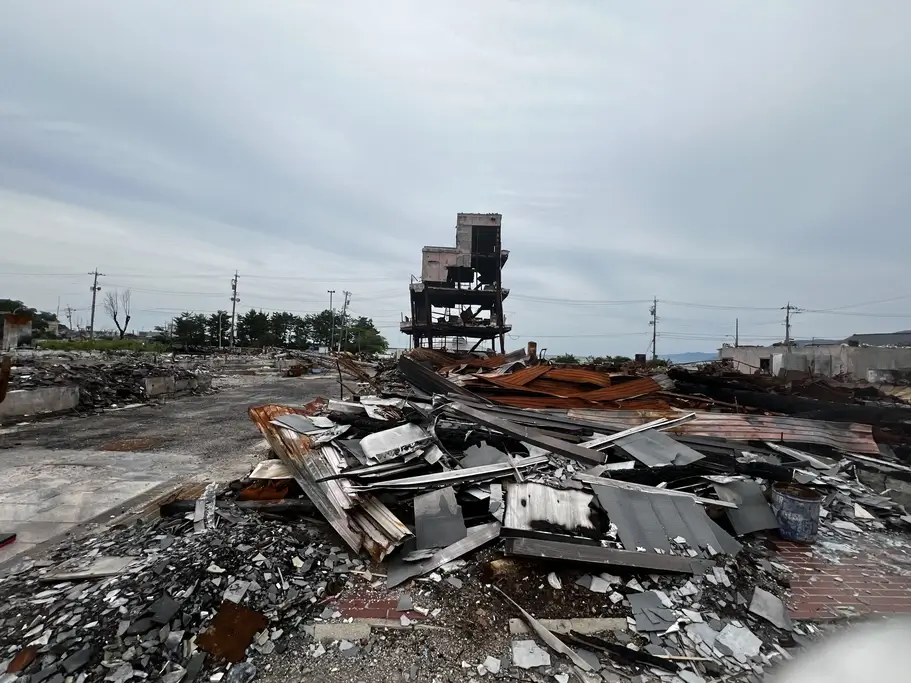
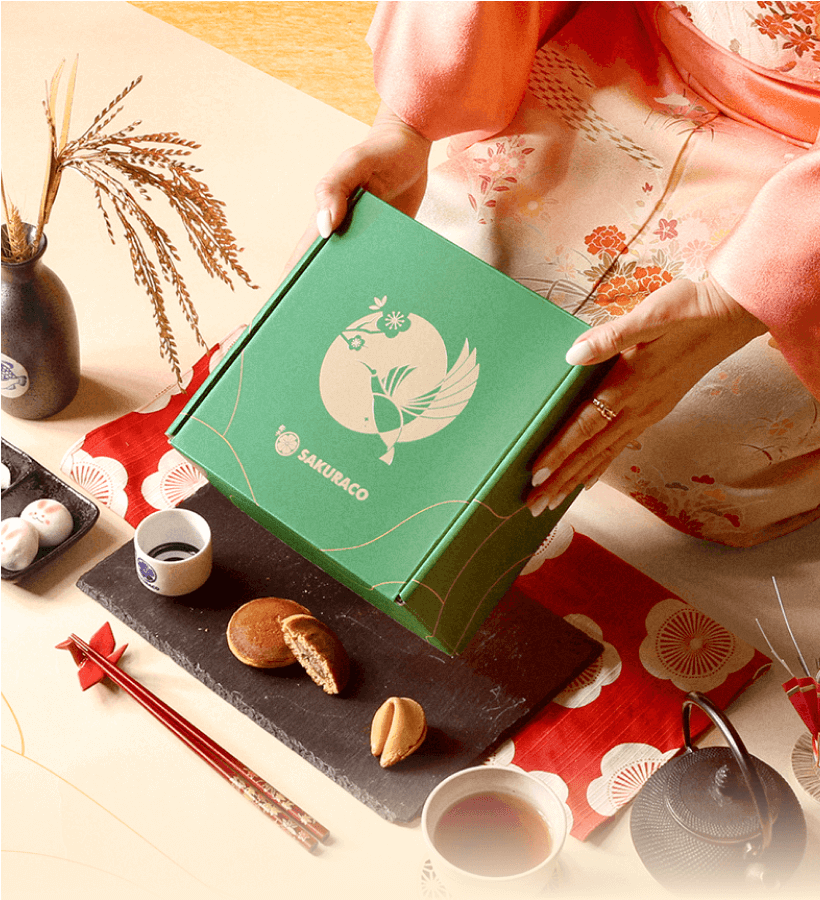
In collaboration with Ishikawa Prefecture, Sakuraco aims to raise awareness and support the artisans and communities of the Noto Peninsula. This month’s box is more than just a collection of snacks—it’s a tribute to the strength and hope of the region’s people. By curating a selection of locally crafted treats, we want to highlight the stories of the artisans working tirelessly to restore their livelihoods and preserve the rich traditions that make Noto unique.
During her visit to the Noto Peninsula, Sakuraco’s founder, Ayumi Chikamoto, met with four local snack makers, each of whom is wholeheartedly committed to rebuilding and ensuring their craft lives on. Despite the damage to their workshops and homes, the artisans warmly welcomed Ayumi and shared their experiences and hopes for the future with her.
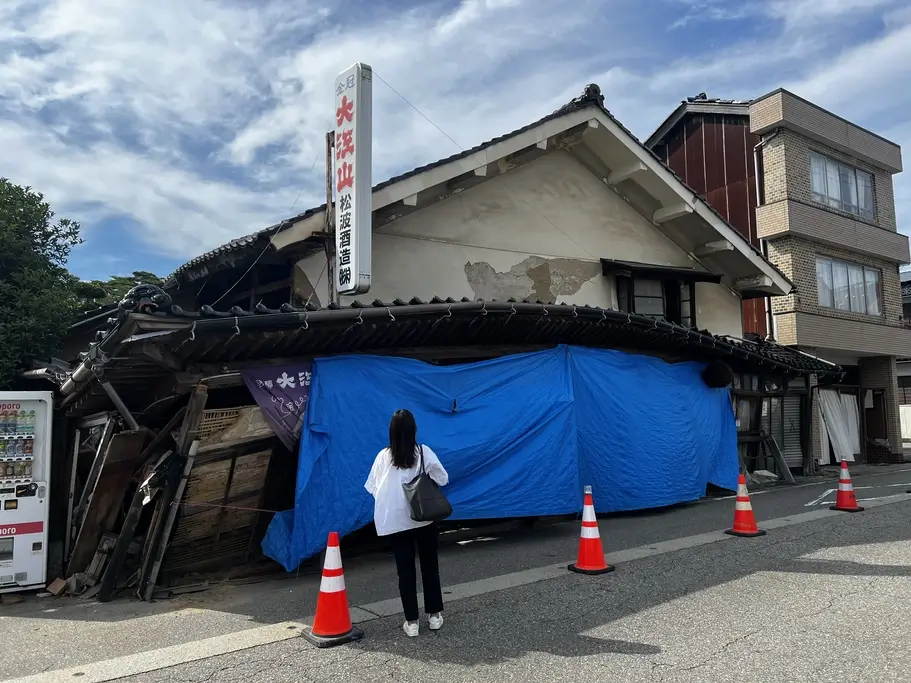
These makers, some from families who have passed down their businesses for generations, are the heart of this community. Their snacks, which range from sweet rice candy to handmade senbei, reflect their resilience and dedication to their craft.
How is the Noto Peninsula recovering?
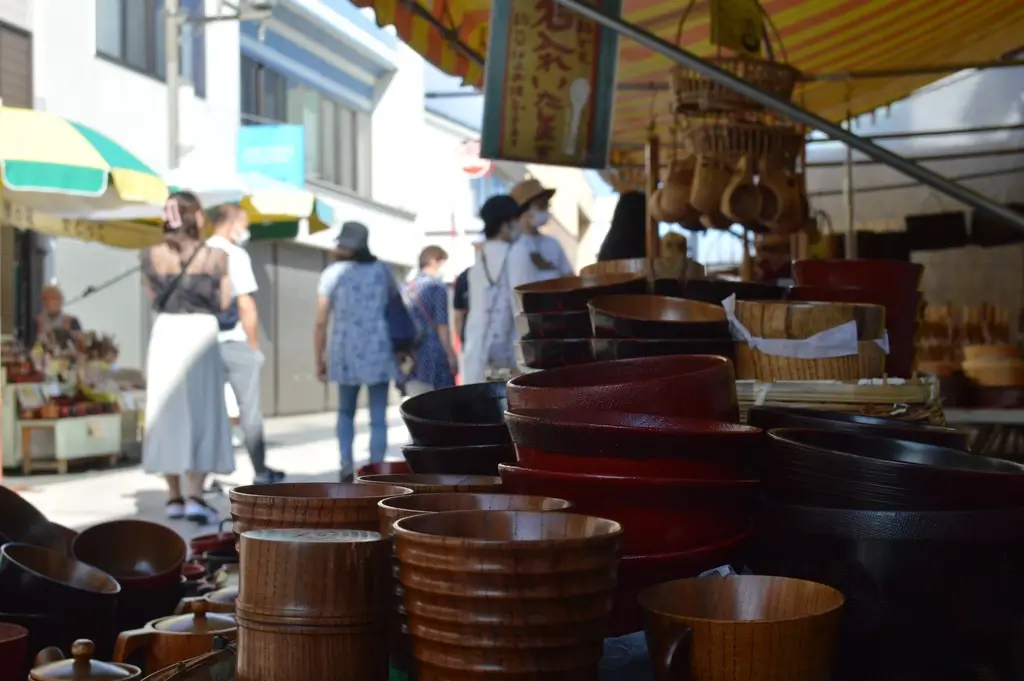
One iconic symbol of Noto’s recovery is the Wajima Morning Market. Once bustling with vendors selling local produce, seafood, and Wajima’s famous lacquerware, the market was severely damaged by the earthquake and subsequent fire. It reopened temporarily in July, providing a lifeline for local artisans to continue their trade. The market’s reopening marked a pivotal step in the region’s journey toward recovery, rekindling hope and determination among the community. While many artisans still face challenges, they are optimistic about the future and committed to preserving their traditions.
This important collaboration with Ishikawa Prefecture is Sakuraco’s way of supporting these artisans and helping to revitalize the local economy. By including their snacks in our subscription box this month, we hope to spread awareness of their struggles and triumphs while offering a taste of the rich culture of the Noto Peninsula. Every bite reminds us of these communities’ resilience and unwavering commitment to rebuilding their lives.
As our subscribers enjoy the snacks in this month’s special box, Heart of Ishikawa, we hope they know they are directly contributing to Noto’s recovery. Their support helps these artisans continue their work, preserving the traditions and craftsmanship passed down through generations. Together, we can help restore the beauty, culture, and spirit of the Noto Peninsula, aiding its journey toward a brighter future.