


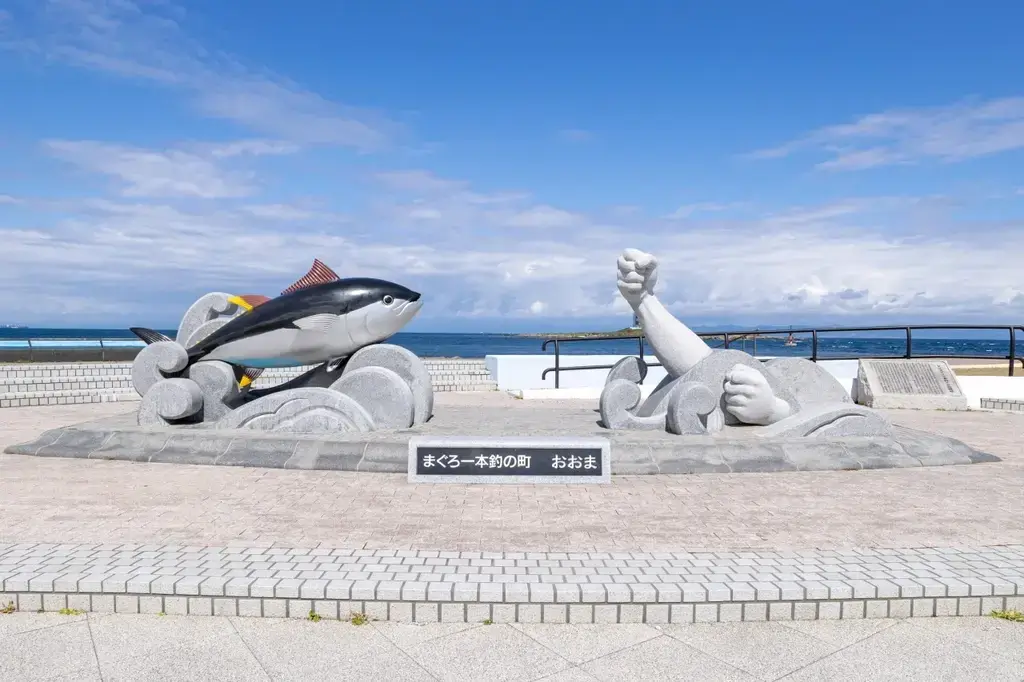
In Aomori Prefecture lies a small, wind-swept town with an outsized reputation: Ōma. Known across the country—and increasingly around the world—Ōma is synonymous with one thing above all else: exceptional bluefin tuna.
Facing the rugged waters of the Tsugaru Strait, this quiet fishing town has become legendary for producing some of the highest-quality tuna in the world. But beyond the headlines and record-breaking auction prices lies a deeper story—one of tradition, endurance, and a relentless pursuit of perfection.
Why Ōma Tuna Is So Special
Ōma’s fame comes from its prized catch: the Pacific bluefin tuna. These powerful, migratory fish thrive in the cold, fast-moving waters where the Sea of Japan meets the Pacific Ocean. The unique marine environment—rich in nutrients and subject to strong currents—helps produce tuna with exceptional fat marbling and deep umami flavor.
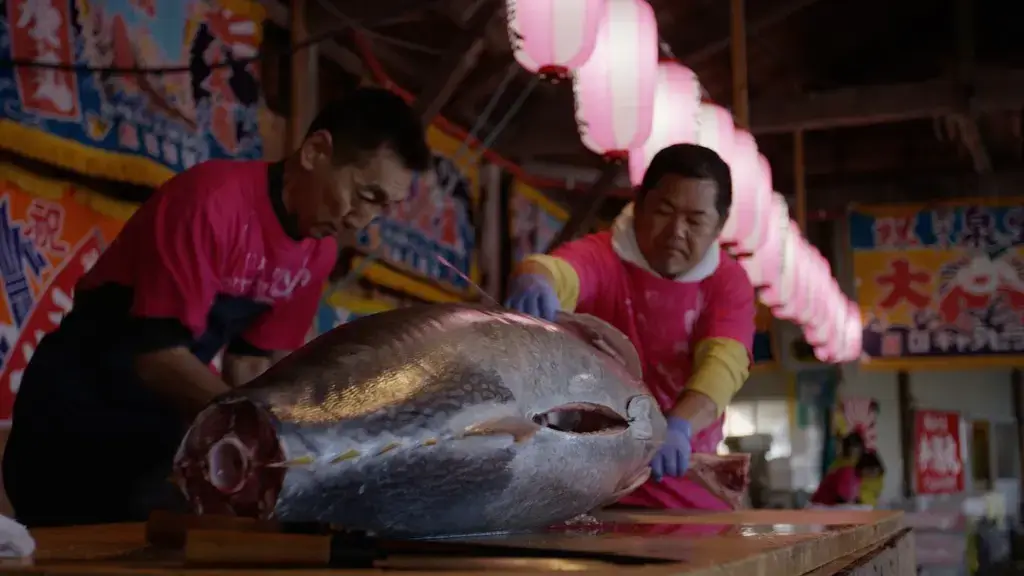
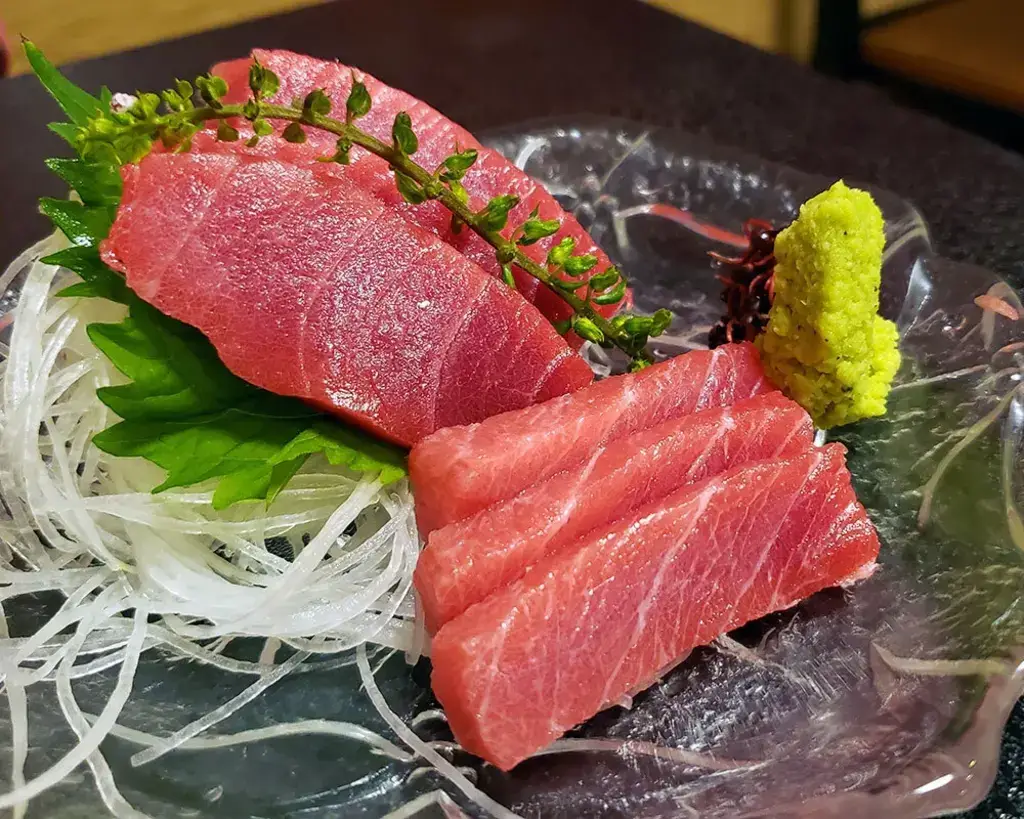
In Japan’s culinary world, bluefin tuna is considered the pinnacle of sushi and sashimi. Cuts like otoro (fatty belly) are especially prized for their buttery texture and melt-in-your-mouth richness. Ōma tuna, in particular, is often regarded as the gold standard, sought after by top chefs and luxury restaurants. However, what truly sets Ōma apart is not just geography—it’s the human element.
The Ippon-Zuri Tradition
Unlike large-scale industrial fishing operations, many fishermen in Ōma continue to practice ippon-zuri, or single-line fishing. This traditional method involves catching one tuna at a time using a rod, line, and barbless hook. At first glance, it may seem inefficient. But in reality, it reflects a philosophy centered on quality over quantity.
With ippon-zuri, fishermen maintain complete control over the catch from the moment the fish bites. There is no crowding, no net damage, and minimal stress placed on the fish compared to longline or purse seine methods. This careful handling preserves the texture and flavor of the meat—an essential factor for high-end sushi markets.
The technique also demands a deep understanding of the sea. Fishermen must read subtle changes in water temperature, currents, and fish behavior. Success depends as much on intuition and experience as it does on physical strength.
A Battle Between Fisherman and Fish
Hooking a bluefin tuna is only the beginning. What follows is often an intense, hours-long struggle between human and animal. Pacific bluefin tuna are among the fastest and strongest fish in the ocean. Some can exceed 200 kilograms (440 pounds) and are capable of powerful, sustained runs that test both equipment and endurance. When a tuna takes the bait, the fisherman must remain focused and composed, carefully adjusting tension to avoid snapping the line or losing the hook.
This endeavor is not just physical—it’s strategic. Fishermen anticipate the tuna’s movements, gradually guiding it toward exhaustion without compromising the meat’s quality. Timing is critical, as excessive stress can affect the texture of the fish.
When the tuna is finally brought aboard, it is handled with precision and respect. Many fishermen use specialized techniques to quickly and humanely dispatch the fish, preserving their freshness for market.
Are you looking for great snacks after a day of fishing? Check out Sakuraco! Sakuraco sends traditional Japanese snacks, teas, and sweets from local makers straight to your door each month!

From Sea to Market
Once caught, Ōma tuna begins its journey to some of Japan’s most prestigious seafood markets, most notably Toyosu Market. Here, buyers carefully inspect each fish, evaluating color, fat content, texture, and overall condition.
The stakes are especially high during the first auction of the year, a highly publicized event that attracts global attention. Top-quality Ōma tuna have been known to fetch extraordinary prices—sometimes reaching into the millions of yen.
These record-breaking sales are not just about spectacle; they reflect the deep cultural value placed on quality seafood in Japan. For chefs and restaurateurs, securing a top-grade Ōma tuna is both a mark of prestige and a commitment to excellence.
Life in a Tuna Town
In Ōma, tuna fishing is more than an occupation—it is a way of life. The town’s identity is inseparable from the sea, and many families have spent generations honing their craft. Daily life revolves around the ocean’s rhythms. Fishermen often depart before dawn, braving cold winds and unpredictable conditions. Winters, in particular, can be harsh, with rough seas and freezing temperatures adding to the challenge.
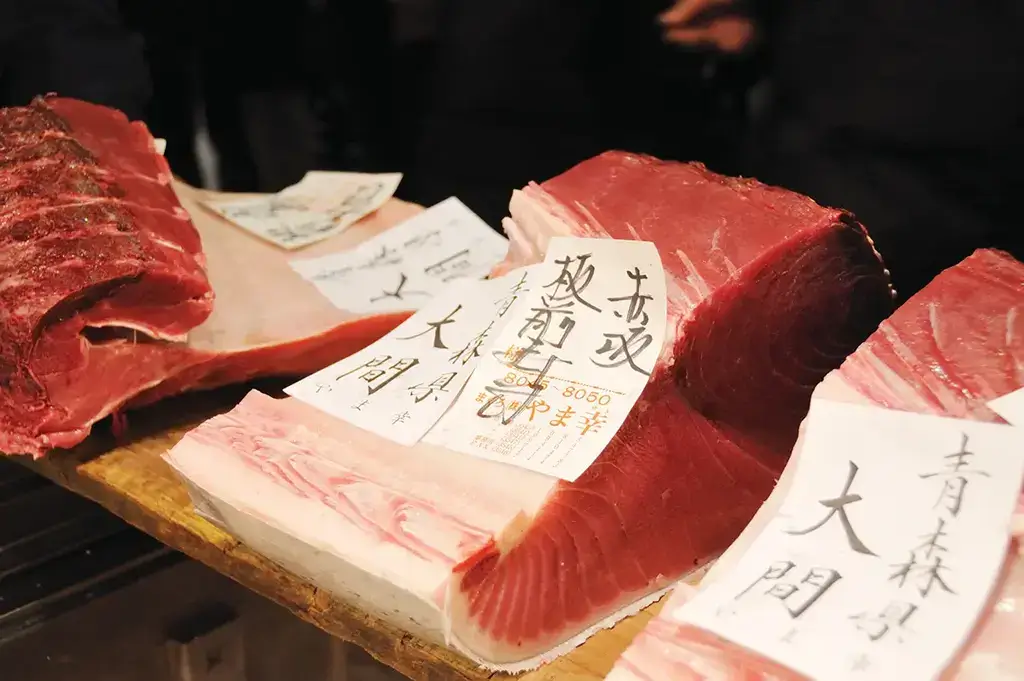
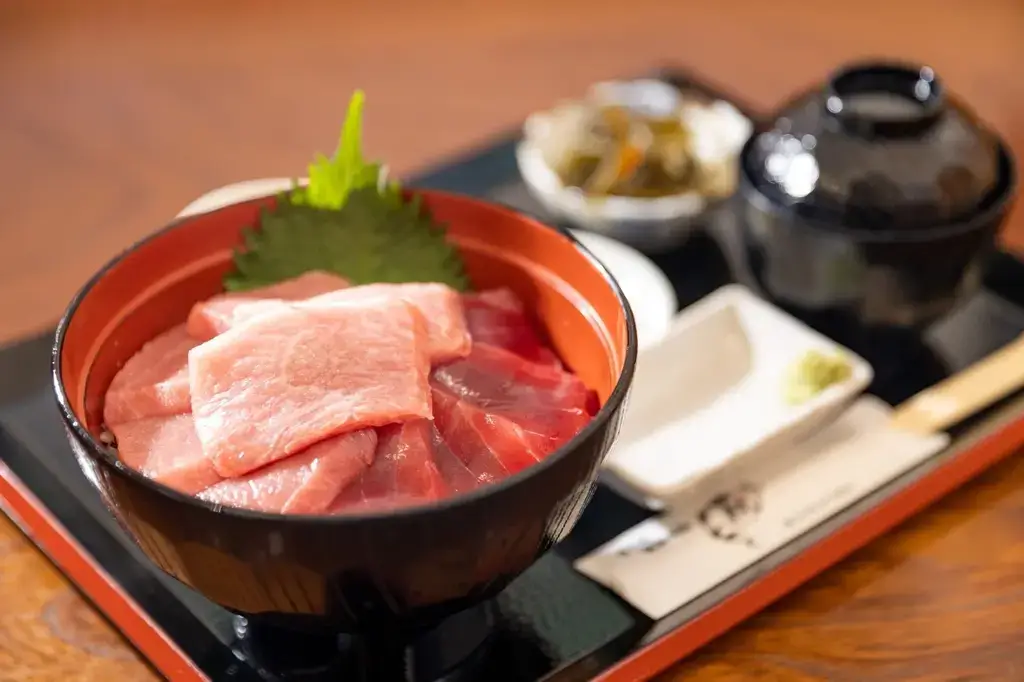
Despite these hardships, there is a strong sense of pride in the work. For many in Ōma, catching a high-quality tuna is not just a financial achievement but a personal one—a testament to skill, perseverance, and respect for tradition. The town itself reflects this deep connection to tuna. Local restaurants serve incredibly fresh cuts, and visitors can experience the product at its source, often just hours after it has been caught.
Sustainability and the Future
While Ōma tuna enjoys global acclaim, it also exists within a broader conversation about sustainability. Pacific bluefin tuna populations have faced significant pressure due to overfishing, prompting international efforts to regulate catches and protect the species. Ōma’s reliance on small-scale, single-line fishing is often viewed as a more sustainable approach compared to industrial methods. By targeting individual fish and avoiding bycatch, ippon-zuri minimizes environmental impact.
However, sustainability is a complex issue. Ensuring the long-term health of bluefin tuna populations requires cooperation across countries, industries, and regulatory bodies. Fishermen in Ōma are increasingly aware of these challenges and are part of ongoing efforts to balance tradition with conservation.
Why Ōma Matters
In an age dominated by efficiency and mass production, Ōma offers a different perspective—one rooted in craftsmanship, patience, and respect for nature. Overall, its tuna is not just a product but a story: of cold northern seas, of solitary fishermen locked in battle with powerful fish, and of a community that has built its identity around excellence.
Whether you encounter Ōma tuna at a high-end sushi counter or hear about it through auction headlines, it represents something rare in today’s world: a deep connection between people, place, and craft.