


When people hear about matcha (Japanese green tea), they usually think of its bright green color or earthy taste. However, upon closer examination of Japanese tea, you discover something significant. Not all matcha is the same. And when people talk about the best matcha, one name appears again and again: Uji.
Uji matcha is often seen as the gold standard of Japanese green tea. But what makes it so special compared to places like Fukuoka, Nishio, or Shizuoka? Why does Uji matcha taste richer, smoother, and more alive? Personally, I have tried matcha from many regions, and Uji always stands out to me. It is not just another green tea. It feels like a full experience shaped by history, skill, and a perfect natural environment. Let’s explore what makes Uji matcha so unique, and why I think it deserves all its praise.
A Region Built on Centuries of Tea Culture
Uji is situated right outside Kyoto, a city renowned for its temples, shrines, and rich artistic traditions. Tea cultivation has been a presence in this area for over 800 years. When Zen monks first introduced tea seeds to Japan, Uji became one of the primary locations for their cultivation. Over time, it became the heart of the Japanese tea ceremony.
This long history really matters. Farmers in Uji do not grow tea solely for financial gain. They grow it because it is part of their families and their identity. Many tea farms in Uji are tended by families that have worked the same fields for generations. They employ old techniques combined with modern skills to achieve the best leaves possible.
The Perfect Climate for High Quality Leaves
Part of Uji’s magic comes from nature itself. The area has misty mornings, steady humidity, and soft hills shaped by the Uji River. These calm conditions help the tea plants grow slowly, which makes the leaves full of rich flavor.
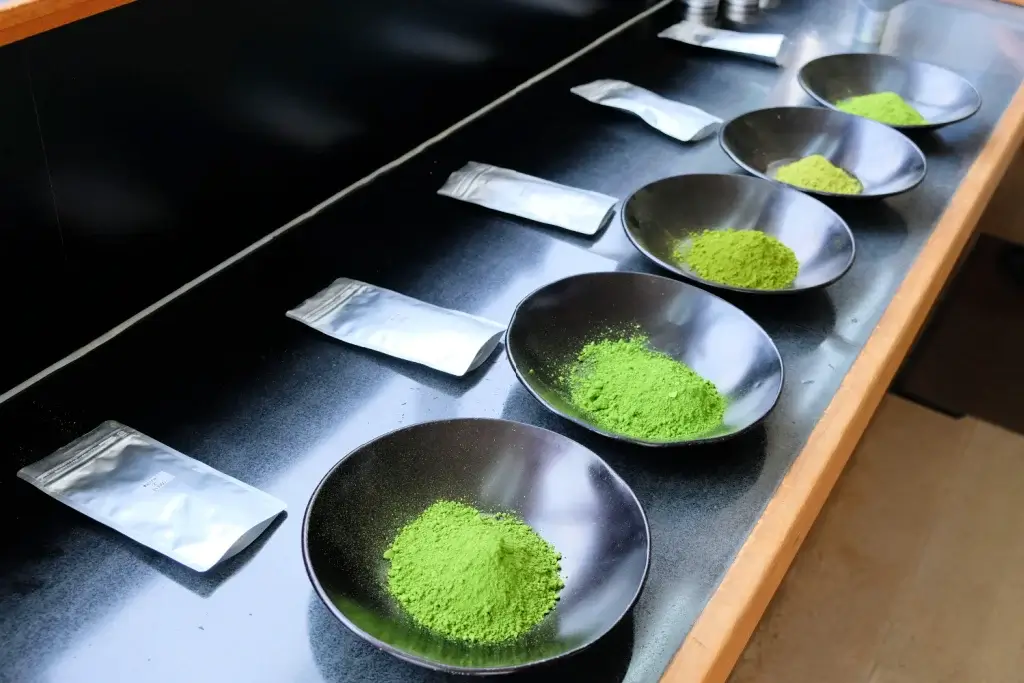
Slow-growing tea typically has a more pronounced umami (savory taste), less bitterness, a more pungent aroma, and a brighter green color. Compared to other regions, Uji’s leaves feel more complex and layered. Fukuoka’s Yame region makes great matcha with a nutty and earthy flavor profile. Nishio is known for smooth and mild matcha. But Uji matcha hits differently because it feels deeper and warmer.
Uji Farmers Take Shading Very Seriously
Shading is a crucial step that contributes to matcha’s distinctive umami flavor. Before harvest, farmers cover tea plants to block sunlight. This allows the leaves to produce more chlorophyll and amino acids, such as L-theanine. These changes help create matcha’s smooth and rich taste.
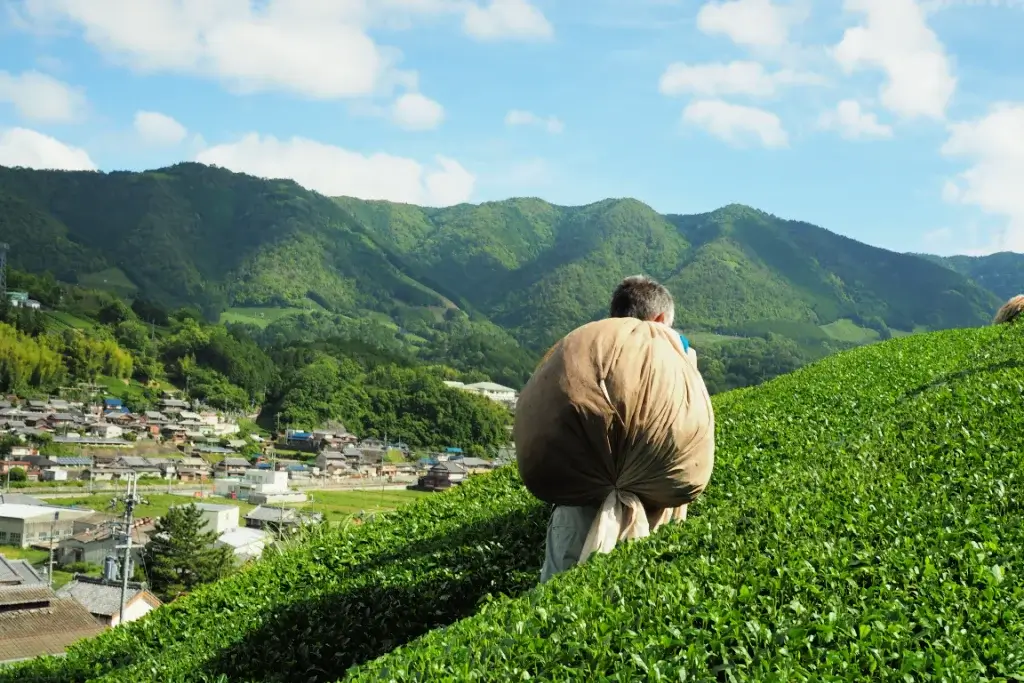
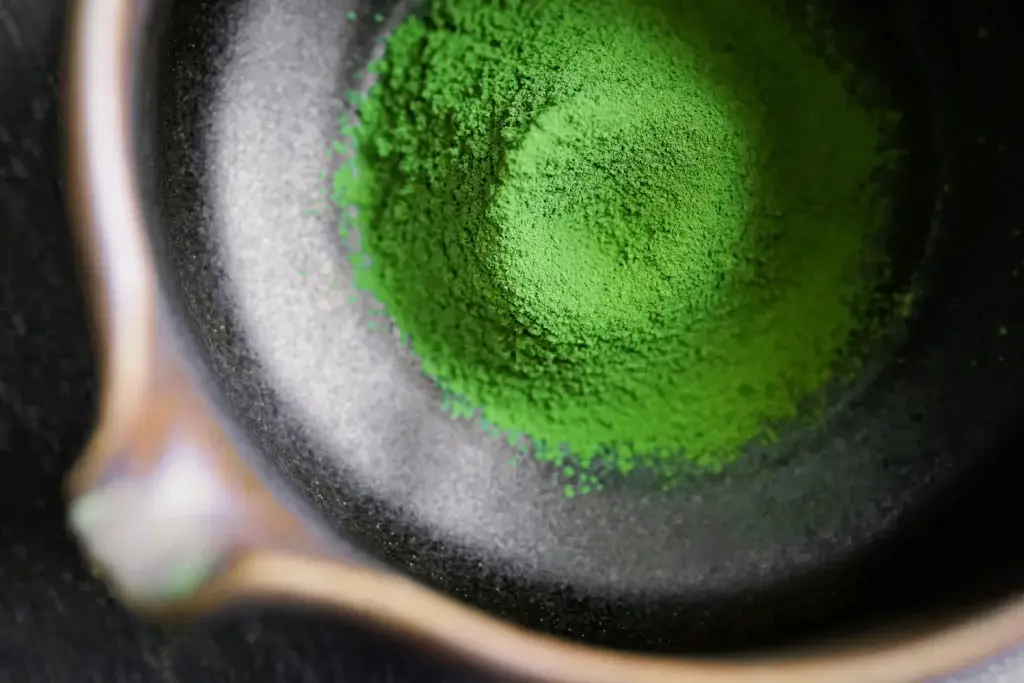
Many regions use shading, but Uji has elevated it into a proper art form. Some Uji farms still use old-style straw covers. These covers let in soft light that helps the leaves grow bright and full of flavor. This method takes a lot of time and effort, but the taste is worth it. The matcha from these leaves looks almost neon green. It feels silky, fresh, and smooth when whisked. Even before mixing, the matcha powder smells alive and clean, not flat or dusty.
Craftsmanship Passed Down Through Generations
Tea from Uji is typically produced by small family farms rather than large companies. This allows farmers to have careful control over every step of the process. They watch the harvesting, steaming, drying, and grinding with great attention. One example is the Nishide Tea Factory, which has been in operation for over 140 years. Families like theirs never rush the job. They select the finest leaves, grind them slowly, and store them in optimal conditions.
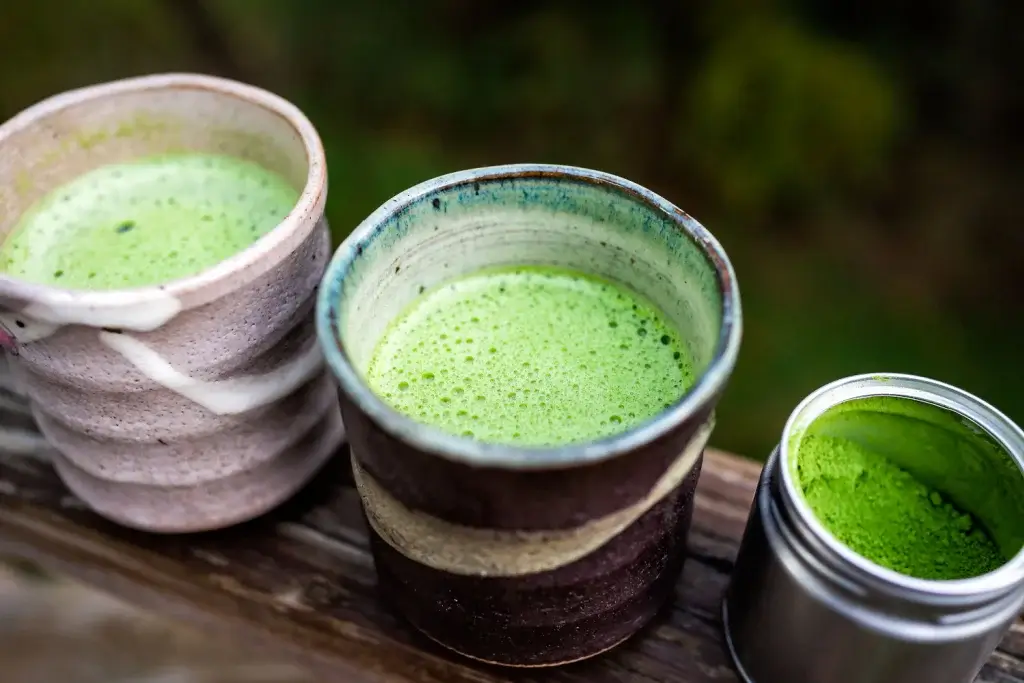
When you open a tin of Uji matcha, you can feel that care right away. The smell is bright and clean. The color looks bold and vibrant. The taste is smooth, rich, and very calming. Very few teas can offer all of that in one bowl.
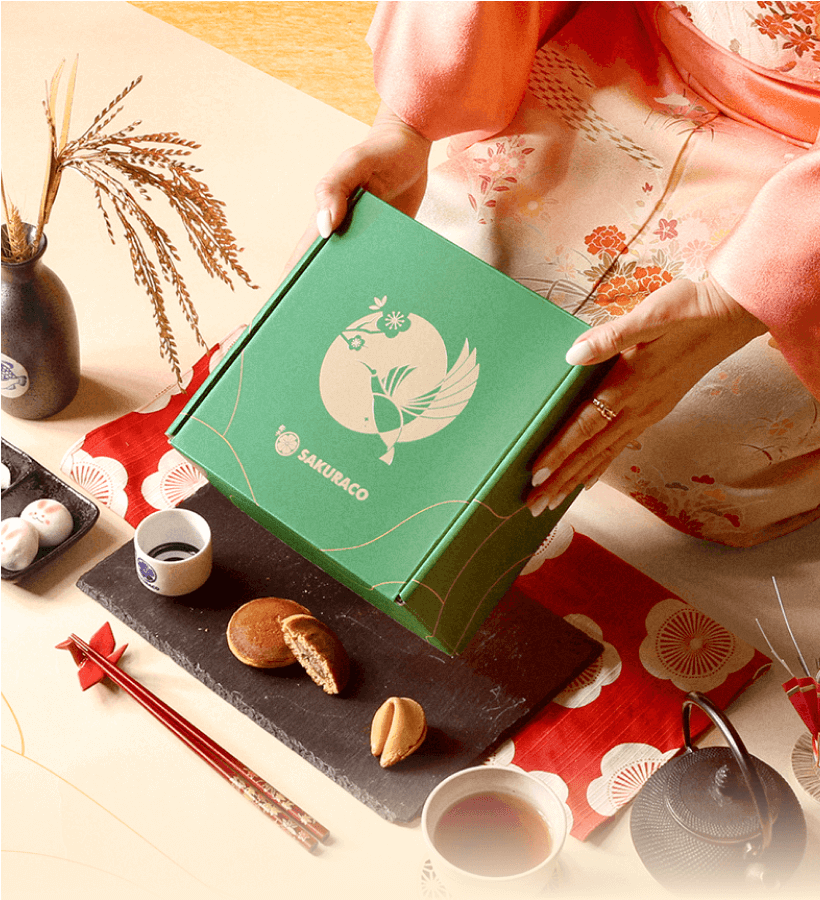
Whether you love matcha or are just trying it, snacks make the experience even better. Sakuraco sends traditional Japanese snacks, teas, and sweets from local makers straight to your door each month. They are perfect to enjoy with your daily drink.

A Flavor Profile That Stands Above the Rest
After trying matcha from many regions, I believe Uji matcha has a rich umami flavor that is noticeable right away. It has slight seaweed notes. The texture is creamy with almost no grit. There is a light, natural sweetness and a gentle bitterness that never takes over. Other regions also produce great matcha. Fukuoka offers a grassy and nutty taste. Nishio is known for its smooth and mild flavor. Shizuoka makes refreshing tea with a light bitterness. Still, Uji stands out because it has the best balance. It is bold yet not harsh, creamy yet still lively, and complex without feeling overpowering. It tastes premium because it genuinely is.
The Emotional Experience of Drinking Uji Matcha
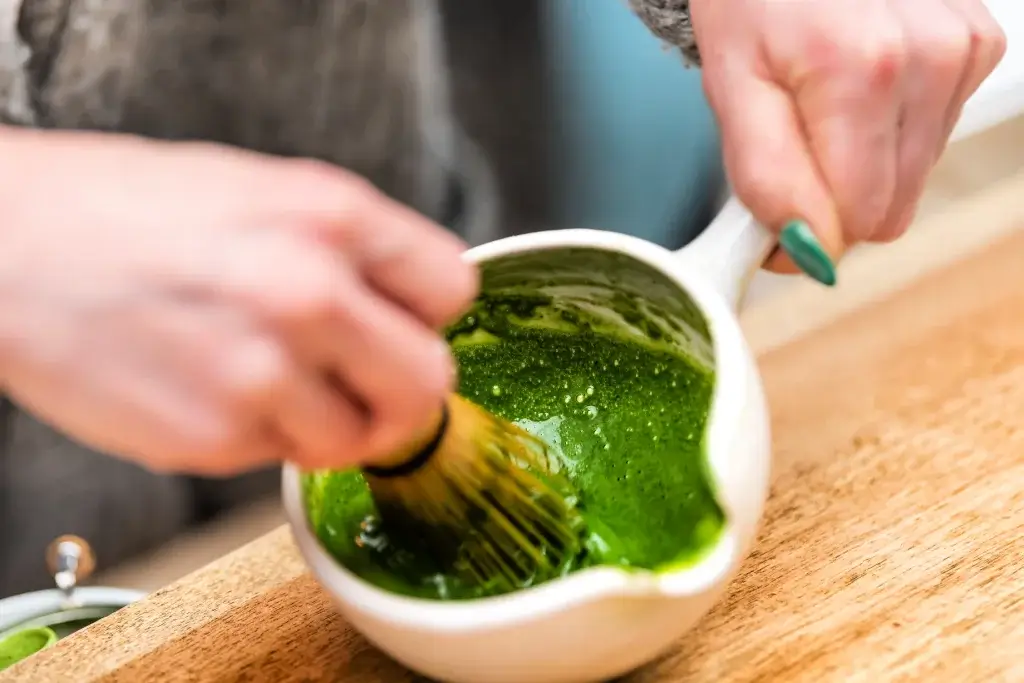
There is something special about Uji matcha that goes beyond taste. Many people say it makes them feel calm, focused, or warm after drinking it. This feeling may come from the high levels of L-theanine, or from the simple ritual of making the tea. Uji matcha often creates a moment that feels mindful and grounding. When you whisk it, the foam turns thick and glossy. When you smell it, the aroma pulls you in. When you drink it, a soft and gentle feeling spreads through your body. Even beginners can quickly notice that this tea is different.
My Honest Opinion: Uji Matcha Reigns Supreme
After trying many types of matcha, I always return to Uji as my favorite. It feels like the most complete matcha experience. It brings together history, climate, farming traditions, and excellent craftsmanship in one bright green powder. Uji matcha is intensely flavorful, beautifully balanced, and smooth in texture. It also boasts a rich culture and consistently high quality. If you enjoy matcha with bold character, soft umami, and a classic Japanese taste, Uji is the best choice.
Does that mean other regions are not worth exploring? Not at all. Fukuoka and Nishio produce excellent teas that shine in their own ways. But Uji holds a special place because it represents the heart and soul of Japanese matcha. What do you think about Uji matcha? Have you tried matcha from other regions? Share your thoughts in the comments below!