


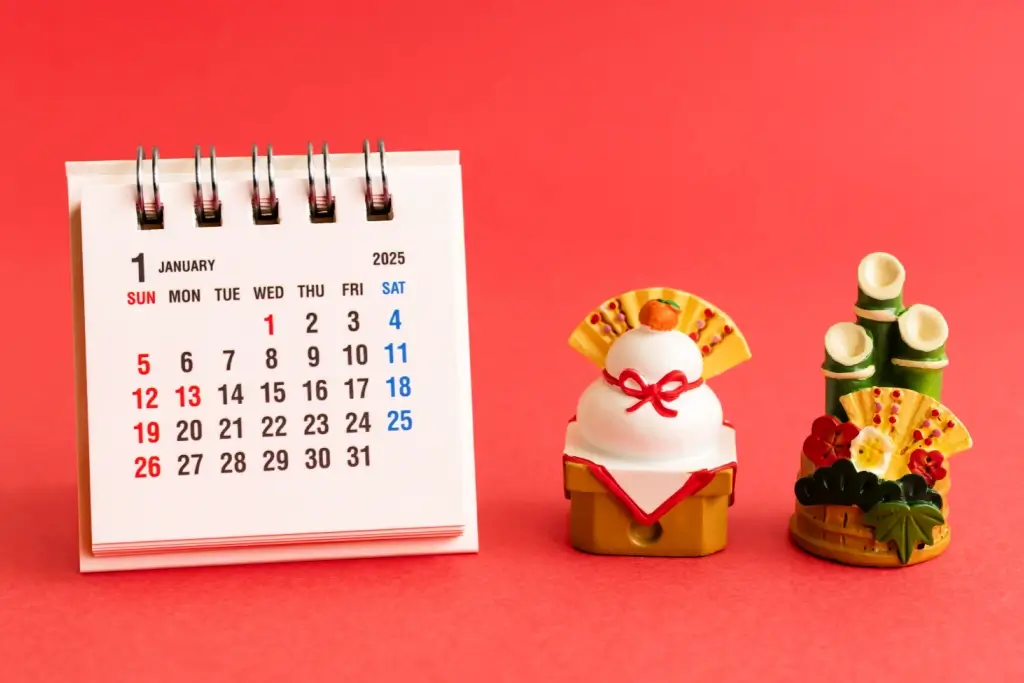
The Japanese calendar includes many beautiful events, some popular globally and others less known. Kō (microseasons) were once celebrated but replaced by Western seasons. Now, they attract new audiences interested in seasonal changes, local customs, and reconnecting with nature. Let’s explore the Japanese calendar and its microseasons.
What was the traditional Japanese calendar based on?
Japan currently uses two calendars: seireki (the Western calendar) and the gengō or nengō (era name) system, which follows the eras of the current reigning Emperor. The rarely used kōki or kigen (imperial year) system dates back to Emperor Jimmu’s founding of Japan in 660 BCE.
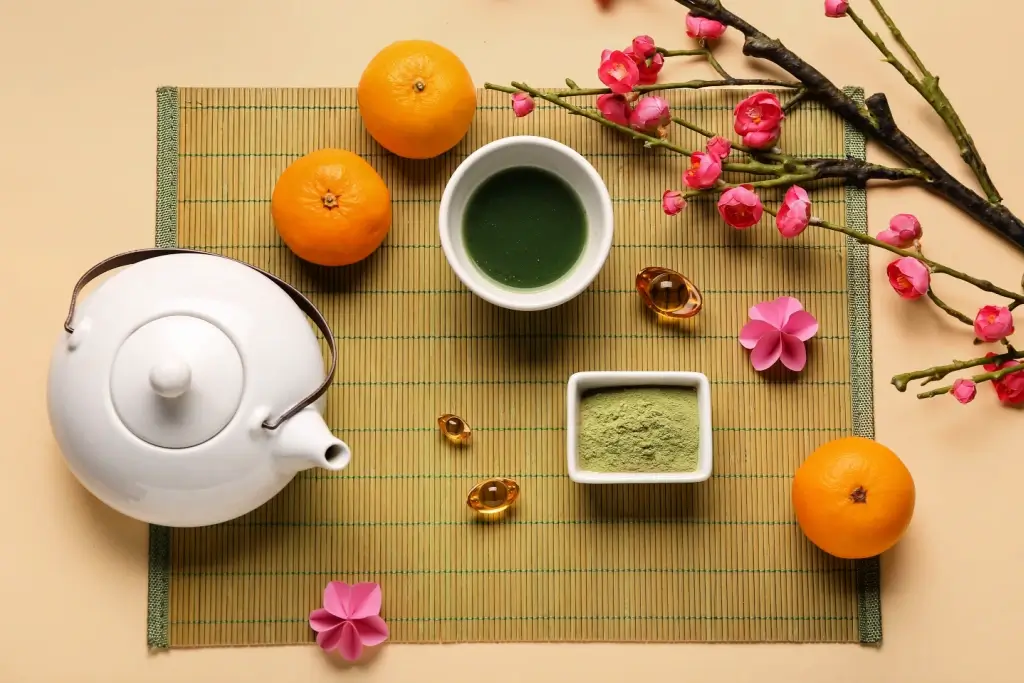
The traditional Japanese calendar is based on the Chinese lunisolar calendar, which was brought to Japan through Korea in the mid-sixth century CE. It followed the Chinese zodiac and fell three to seven weeks behind the Western calendar. The Chinese calendar also introduced the concept of rokuyō, a six-day system that forecasts good or bad fortune for the day.
Where did the concept of “microseasons” come from?
Shibukawa Shunkai, the first official astronomer of the Edo period, recognized the year has 365 days and found errors in the Chinese lunar calendar. He created a new calendar with 72 kō, divided into 24 sekki (solar terms), marked by special holidays called zassetsu. It was officially adopted in 1685.
The calendar was reordered and renamed to reflect Japan’s local climate, flora, and fauna rather than the Chinese almanac. The first sekki is Risshun (“the beginning of spring,” February 4-8), and the last one is Daikan (“greater cold,” January 30-February 3). Each kō has a poetic name and lasts for five days.
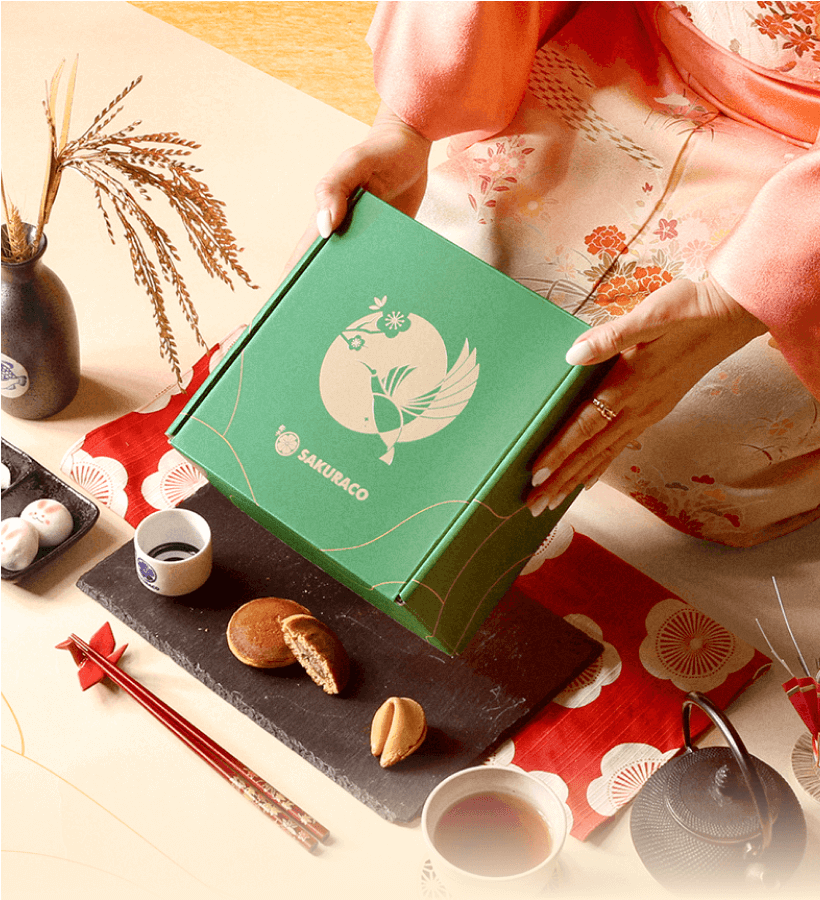
Are you looking for great snacks to enjoy next season? Check out Sakuraco! Sakuraco delivers traditional Japanese snacks, teas, and sweets from local Japanese makers directly to your door so you can enjoy the latest treats directly from Japan!

What are some notable microseasons on the traditional Japanese calendar?
Shunbun (Spring or Vernal Equinox, March 21-April 4)
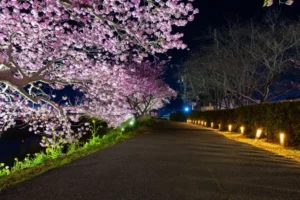
Shunbun’s microseasons herald new beginnings: “sparrows nesting,” “cherry blossoms blooming,” and “distant thunder rumbling.” Families clean the house, visit their ancestors’ graves, and eat botamochi (special wagashi) while farmers pray for a good harvest.
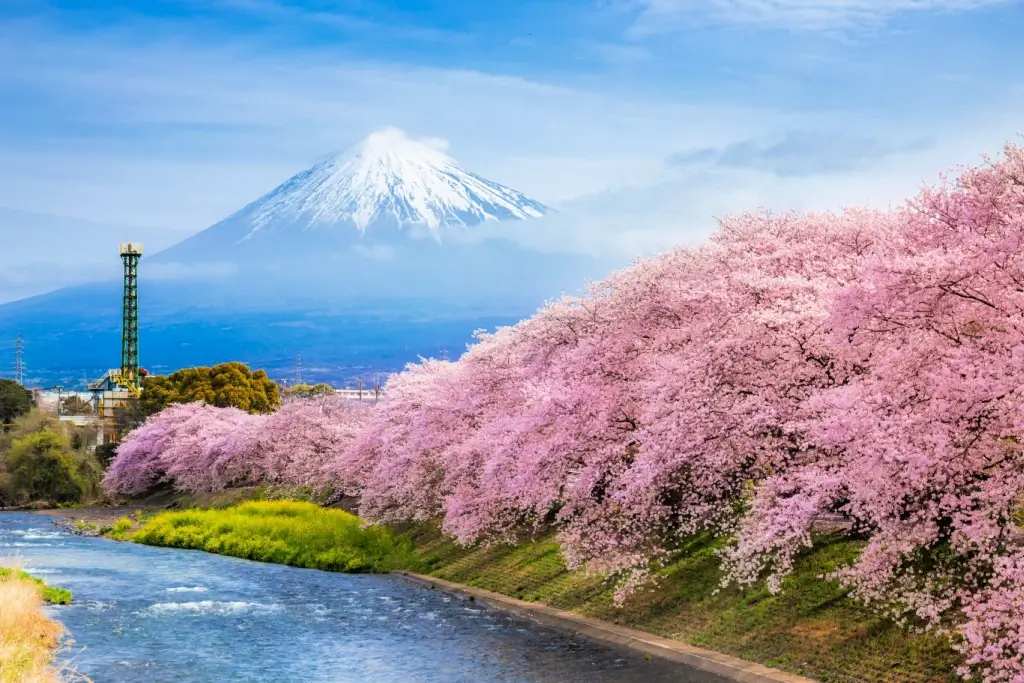
Taisho (Greater Heat, July 23-August 7)
Taisho’s microseasons signal the rising temperatures: “paulownia trees produce seeds,” “the ground is damp and the air is humid,” and “heavy rains fall.” Shochu mimai (summer greetings) are exchanged until fall begins. Many exciting natsu matsuri (summer festivals) also take place.
Risshū (Beginning of Autumn, August 8-22)
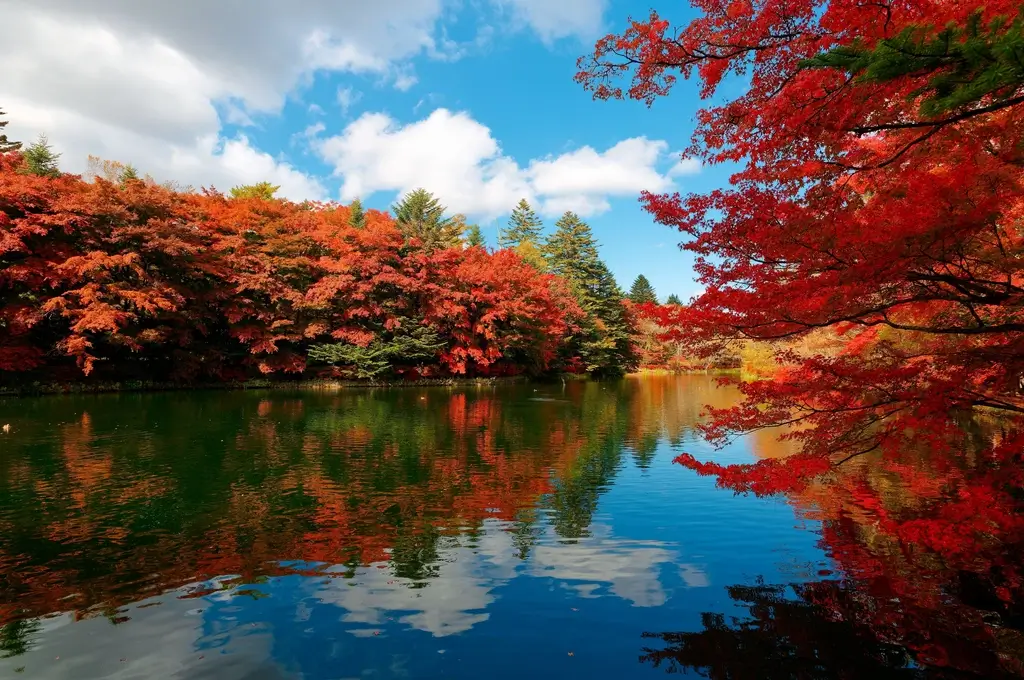
Risshū is characterized by “cool winds,” “evening cicada songs,” and “thick fog.” August 13-15 marks Obon festivals honoring the ancestors. Certain plants are displayed to assist them: cucumbers (horses), eggplants (cows), and kikyō (bellflowers, eternal love and sincerity).
Tōji (Winter Solstice, December 22-January 4)
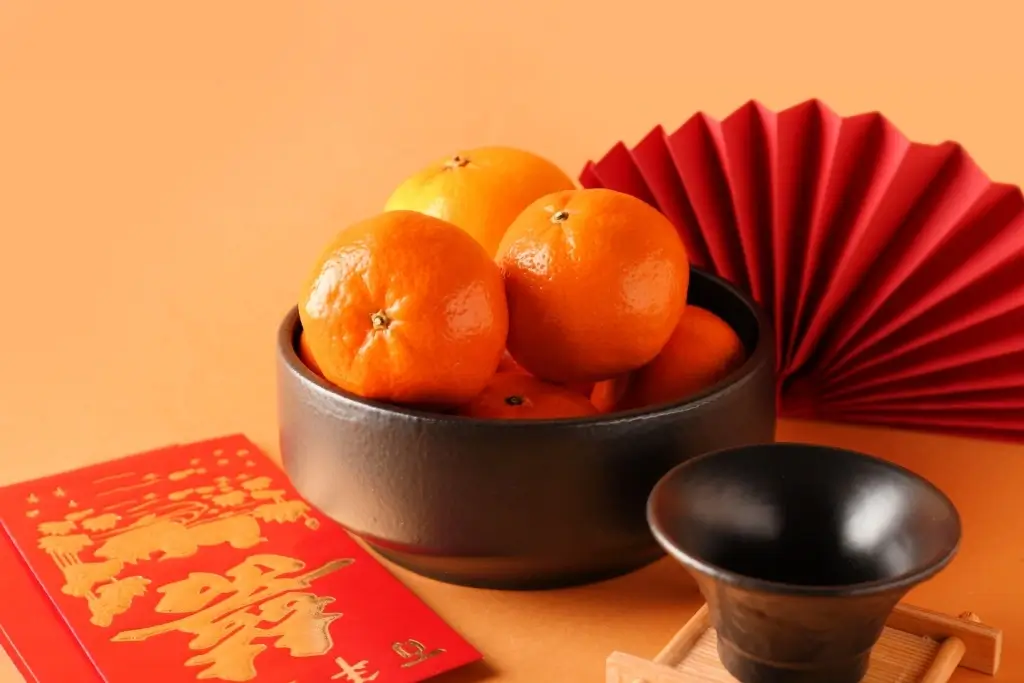
Tōji’s microseasons are “prunella sprouts,” “deers shed antlers,” and “barley sprouts under snow.” People take yuzu baths for good luck and health. They also eat kabocha squash and unmori, auspicious foods ending with the letter “n,” such as renkon (lotus root).
Do people still use this calendar?
Most Japanese people mostly use the Western calendar, which incorporates the rokuyō, the Chinese zodiac, and specific phrases associated with the microseasons. They also use the gengō for civil documents and government business. Traditional communities are most likely to use the older calendar outside of festivals and customs associated with the solstices.
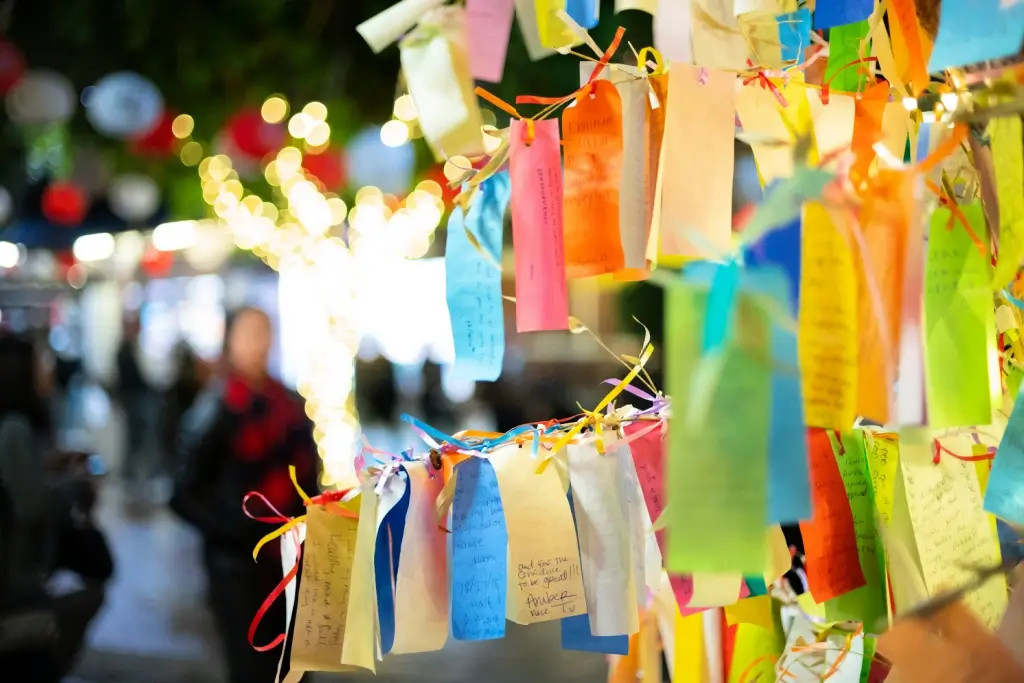
However, they’re not the only ones. Gardeners use kō to tend to their plants, while tea ceremony practitioners follow them to perform the correct ceremonies for specific times of the year. Finally, a growing number of people want to become more mindful. These micro seasons help them slow down and appreciate the beauty of their surroundings.
Why is the Japanese calendar important?
The Japanese calendar is a beautiful way to mark the seasons, highlighting the most subtle changes. Timing your travels to Japan this way allows you to see different aspects of the country’s nature and less popular local festivals. You will also miss the heavy tourist traffic.
As mentioned before, micro seasons draw attention to transitional periods involving plants, animals, and weather. They invite people to focus on these cycles instead of their hectic schedules. If more folks incorporate them into their lives, they will become more content and attuned to nature, themselves, and each other.
The Japanese calendar deserves more recognition. Replacing the impractical Chinese calendar, it contains various microseasons which invite users to focus on the subtleties of nature throughout the year. While it’s less widely practiced today except in smaller, more traditional communities, it is also attracting new people seeking peace in the natural environment outside of their busy lives. If you try incorporating the Japanese calendar into your life, you might achieve some of that happiness and tranquility as well. Were you aware of kō before? Be sure to comment your favorites down below.