


Cherry blossom petals and hanami feel timeless, but this spring tradition has a clear story. The first hanami “pictures” were not phone photos. They were written records, poems, and paintings made over 1,200 years ago at the imperial courts in Japan. These early scenes show how nobles in the Heian era turned falling petals into a symbol of beauty, power, and the short nature of life.
Different Types of Hanami
The roots of hanami go back to the Nara period (710–794). At that time, nobles copied Chinese customs and admired plum blossoms (ume) with poetry and wine. Back then, “flower viewing” mainly meant sitting under plum trees in palace gardens and enjoying their early spring scent.
During the Heian period (794–1185), people slowly shifted their attention from plum to cherry blossoms (sakura). Emperors and nobles started to feel that sakura, which bloom beautifully and fall quickly, were a stronger symbol of how life is both beautiful and short, a feeling later known as mono no aware. As this idea spread, sakura replaced ume as the main flower of spring, leading to the hanami we know today!
Emperor Saga and the First Recorded Hanami
One of the earliest “snapshots” of hanami comes from a written record. The court history book Nihon Kōki describes a cherry blossom-viewing party hosted by Emperor Saga at the Shinsen-en Garden in Kyoto on February 12, 812 CE. The emperor and his nobles drank sake, looked at the blossoms, and wrote poems praising the petals as they fell.
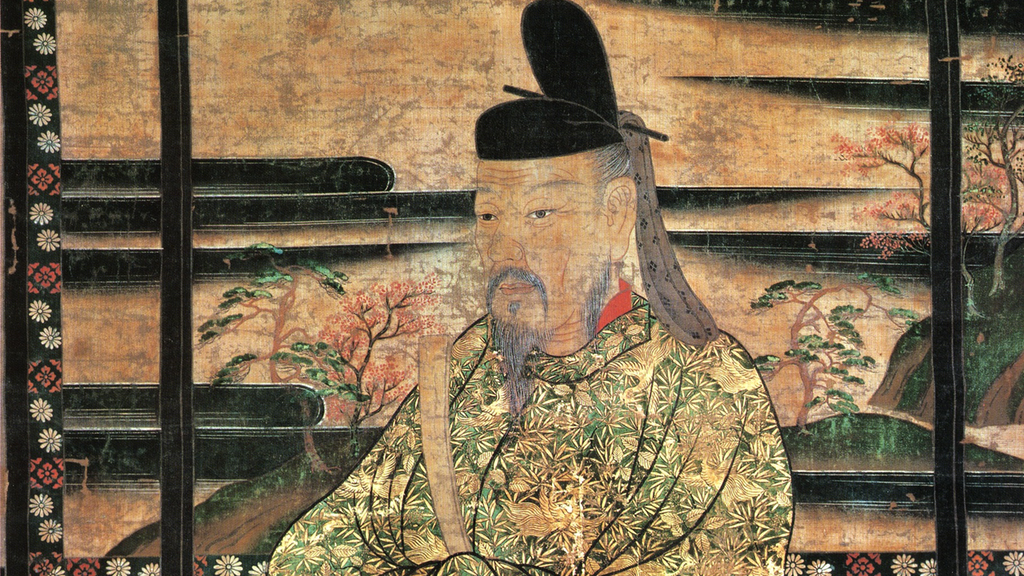
This event is often called the first official sakura festival in Japan. After that, emperors continued to hold blossom-viewing events and planted cherry trees in the palace grounds and on nearby hills. The trees turned the gardens into living “pictures” that showed imperial taste and style during this period.
Heian Poetry as Early Hanami “Images”.
In the Heian court, poetry worked like photos. Nobles used short waka poems to record what they saw and felt under the blossoms, capturing petals, light, and wind in just 31 syllables. Their social life depended on letters and poems. The right words, paper, and even the flowers attached to a note all showed a person’s refinement.
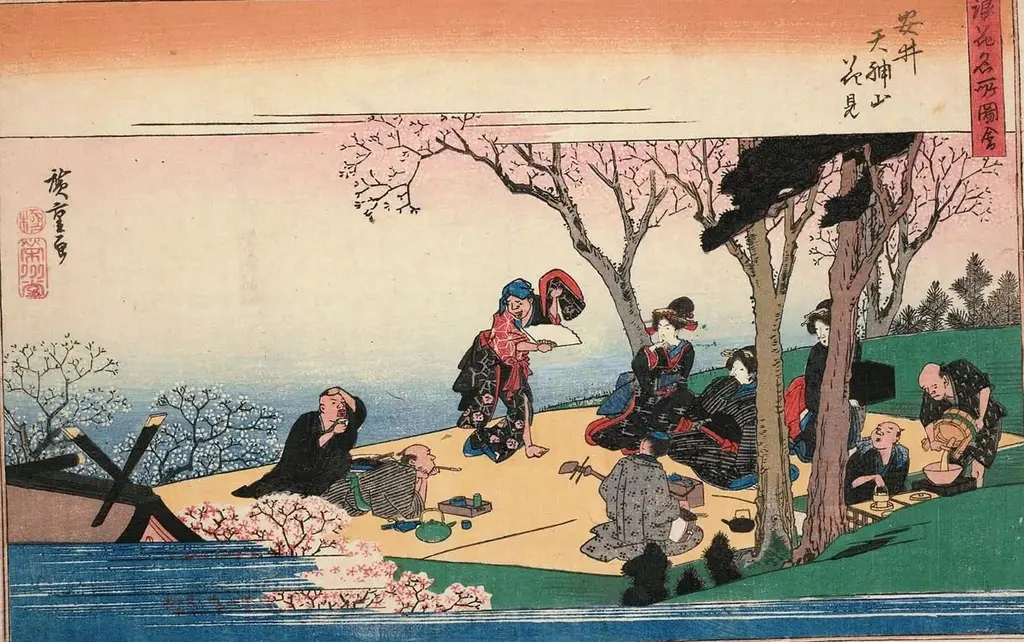
Poetry collections like the Kokin Wakashū are full of cherry blossom poems describing petals falling “like snow” over gardens, sleeves, and streams. Instead of taking a picture, people “saved” the moment through carefully written lines. These poems became shared mental images that later generations used to imagine this event.
Are you looking for amazing snacks for cherry blossom season? Try Sakuraco! Sakuraco delivers traditional Japanese snacks, sweets, teas, and more from local Japanese makers right to your door!

Other Examples in Literature
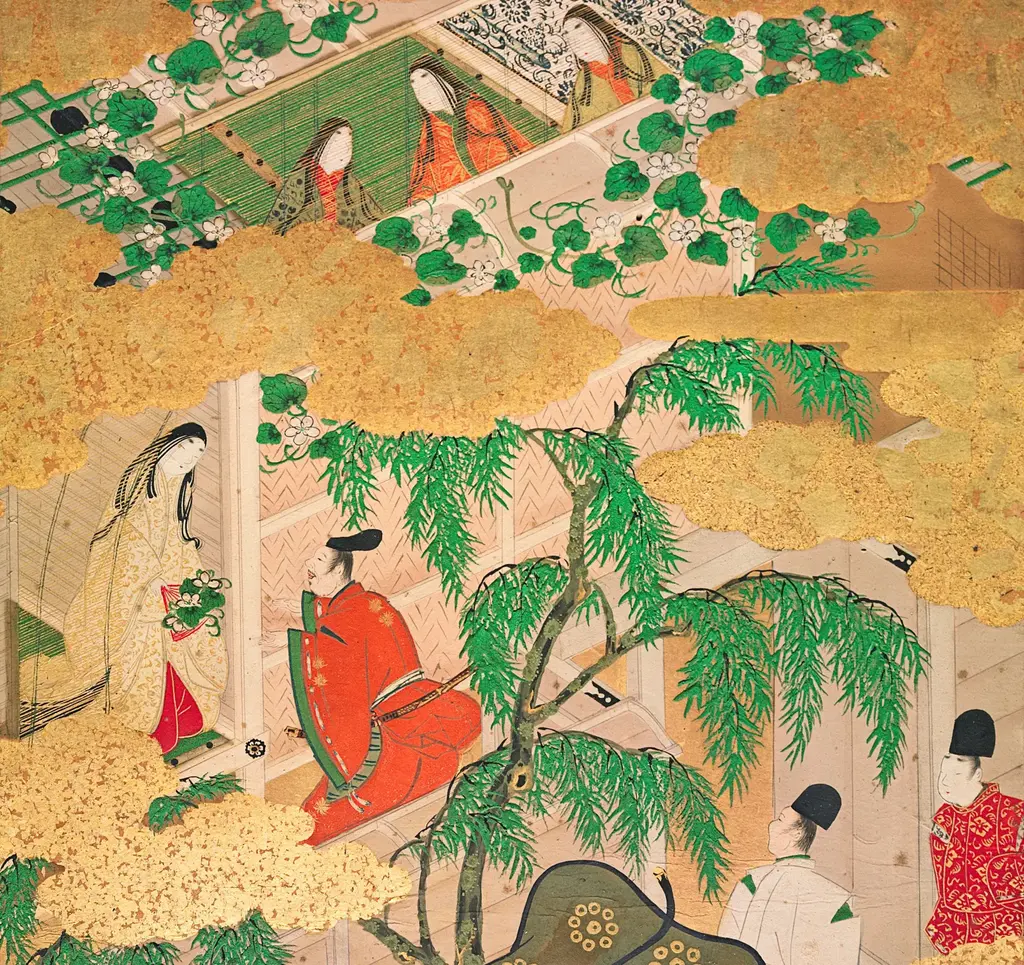
The Heian classic The Tale of Genji keeps some of the most famous early flower-viewing scenes. In this long story, nobles join blossom-viewing parties with music, flirting, and drifting petals all mixed together. The sakura scenes show both the joy of spring and the sadness of knowing it will end soon. These descriptions helped fix cherry blossoms as a key symbol in Japanese culture. Even readers who had never attended a court party could picture wide gardens, layered silk robes, and clouds of petals. In this way, literature became a kind of gallery of imagined hanami scenes.
More Modern Pictures
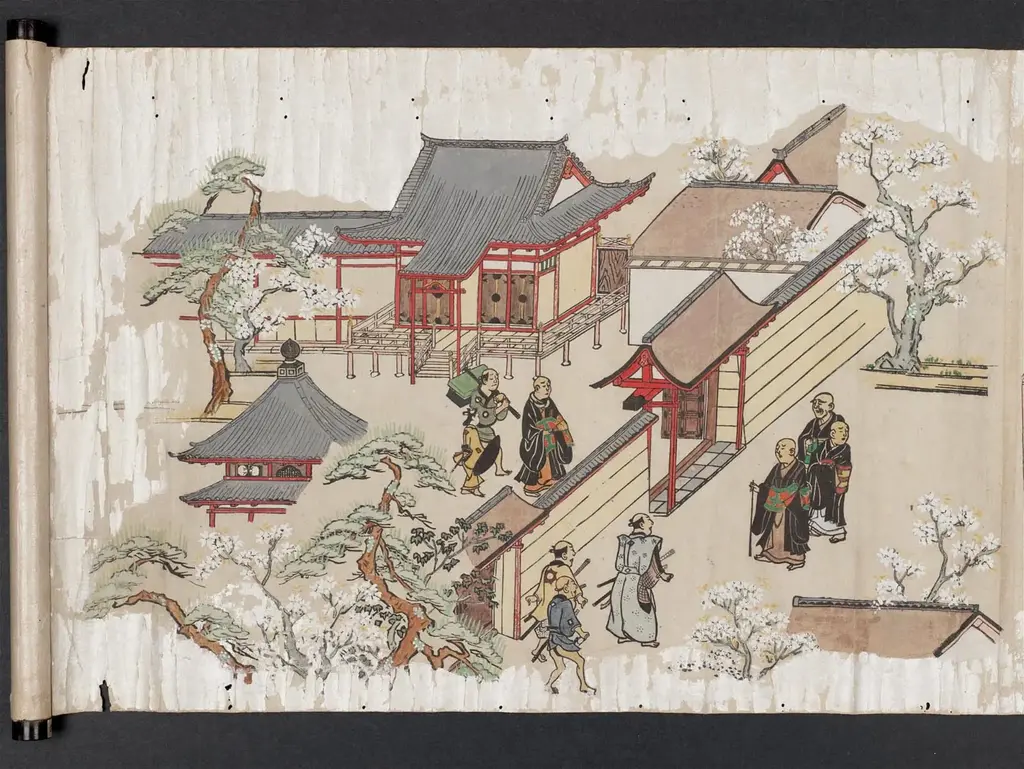
Clear visual “pictures” of hanami with people under blooming trees appear more often in later times. During the Edo period, handscrolls and folding screens depict crowds in places like Ueno, where people picnic, shop, and carry branches of blossoms.
One example at the British Museum shows cherry-blossom viewing in Ueno, with people walking, buying potted trees, and temples rising behind a sea of petals. These works are like wide festival photos, capturing the social side of sakura viewing as it grew beyond the court and reached townspeople.
Who celebrated this?
For many centuries, hanami was mostly for the imperial court and high-ranking nobles. They used private gardens as special stages for spring parties. Records from Kyoto’s court even track the blooming dates year after year, showing how closely the elite followed the sakura season.
Over time, cherry trees were planted in more public areas, and common people began holding their own blossom-viewing gatherings. By the late medieval and Edo periods, hanami had become the fun, lively picnics and street scenes we see in paintings and prints. It changed from quiet court poetry “portraits” to bright, busy public “photos.”
How is it celebrated today?
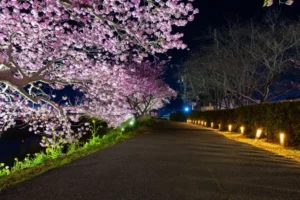
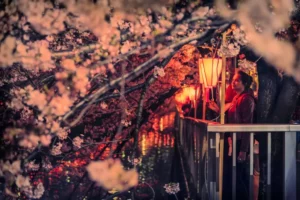
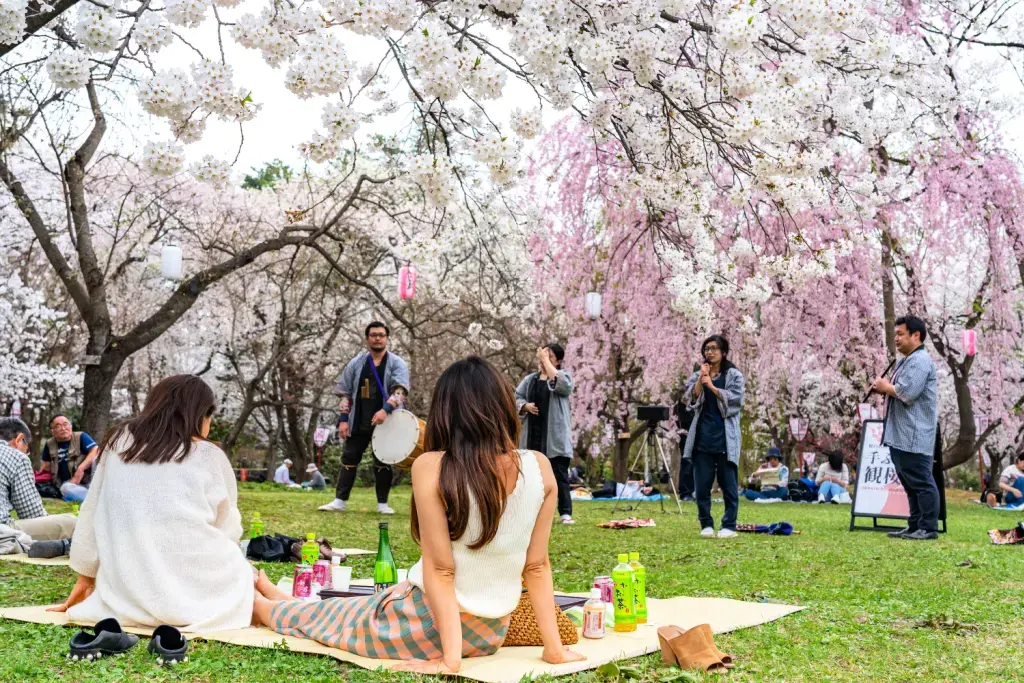
Today’s hanami photos, friends smiling under pink trees, petals floating on rivers, lanterns glowing at night, are the newest layer of this long tradition. Each image echoes those first written scenes in Heian Kyoto, where nobles sat under the blossoms, watched petals fall, and tried to capture the feeling in words. The tools have changed, but the feeling when cherry blossom petals drift past the lens is still very much the same. Have you ever seen the sakura or plum blossoms in Japan? Let us know your favorite place to view them in the comments below!