


Few places in Tokyo combine history, culture, and nature as clearly as Ueno Park. Located in one of the city’s busiest districts, the park attracts millions of visitors each year. People come to see museums, temples, cherry blossoms, and wildlife at the zoo. However, the area has a long history that reaches far beyond its modern attractions. Over centuries, the land changed from temple grounds into one of Japan’s most famous public parks.
The Temple Origins of Ueno
Before becoming a public park, the land that is now Ueno Park belonged to a major Buddhist temple complex. The temple, Kan’ei-ji, was established in 1625 during the early Edo period. It was built to protect the northeastern direction of Edo, which was considered spiritually important. The temple was modeled after famous religious sites in Kyoto and was closely connected to the ruling government.

The temple grounds once covered a much larger area than today’s park. Many buildings, pagodas, and sub-temples filled the surrounding hills and forests. The location also became an important spiritual center for the Tokugawa shogunate. Members of the ruling family were buried within the temple grounds. Because of this connection, the site held both political and religious significance.
Conflict During the Boshin War
The peaceful temple grounds became a battlefield during the final years of the shogunate. In 1868, the Battle of Ueno took place in the area. Forces loyal to the Tokugawa government defended the temple complex against troops supporting the emperor. The conflict was part of the larger Boshin War, which led to the end of shogunate rule in Japan. Fighting caused major damage to the temple buildings and the surrounding land.

After the battle, much of the temple complex was destroyed. The defeat of the Tokugawa forces marked a turning point in Japanese history. Political power shifted to the imperial government during the Meiji Restoration. With the temple largely in ruins, the land was no longer used as it had been. It opened the door for a new purpose for the area and would soon turn the former temple grounds into a public space.
Are you looking for snacks to bring to your next picnic? Check out Sakuraco! Sakuraco sends traditional Japanese snacks, teas, and sweets from local makers straight to your door each month!

The Creation of Ueno Park
In 1873, the Japanese government officially designated the area as a public park. This decision was part of modernization efforts during the Meiji period. Leaders wanted to introduce Western-style public spaces to Japan’s growing cities. The new park, Ueno Park, became one of the country’s first public parks. The location offered open space, trees, and scenic views within the rapidly developing city.

The park also preserved some remaining structures from the former temple grounds. A few historic buildings, such as pagodas and gates, remained as reminders of the area’s earlier role. At the same time, the government encouraged the construction of new cultural institutions there. The goal was to create a space for education, leisure, and public gatherings. Over time, the area became an important cultural district.
A Center for Museums and Education
Ueno Park soon became home to many major museums and cultural institutions. One of the most important is the Tokyo National Museum, which opened in the nineteenth century. The museum houses large collections of Japanese art, archaeology, and historical artifacts. Nearby institutions were later built to support science, art, and cultural education. These additions helped turn the park into a major academic and cultural hub.

Another well-known attraction is Ueno Zoo, which opened in 1882. It was the first zoological garden established in Japan. The zoo became famous for its wide range of animals and family-friendly atmosphere. Over time, other museums and galleries joined the area. Visitors can now explore art, science, and history within walking distance. These institutions make the park one of Tokyo’s most important cultural centers.
Cherry Blossoms and Seasonal Traditions
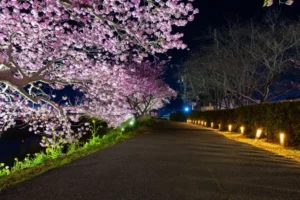
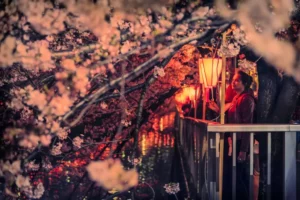
Ueno Park is also famous for its seasonal scenery, especially in spring. Hundreds of cherry trees line the park’s main pathways. When the blossoms bloom, the park becomes one of the most popular places for Hanami. Families, friends, and coworkers gather under the trees to enjoy food and conversation. The tradition has continued for generations and remains a major seasonal event.
The cherry trees themselves have a long history in the park. Many were planted during the early years of the park’s development. Over time, they helped establish Ueno as one of Tokyo’s top viewing locations. During peak bloom, thousands of people visit each day. The festival atmosphere reflects both modern recreation and historical tradition. These seasonal gatherings continue to shape the park’s identity.
Why Ueno Park Remains Important Today
Today, Ueno Park continues to play many roles within the city of Tokyo. It provides green space in one of the world’s largest urban areas. Visitors can experience museums, historical landmarks, and natural scenery in one location. The park also connects modern Tokyo with important moments in Japanese history. Each path and building reflects different periods of change.
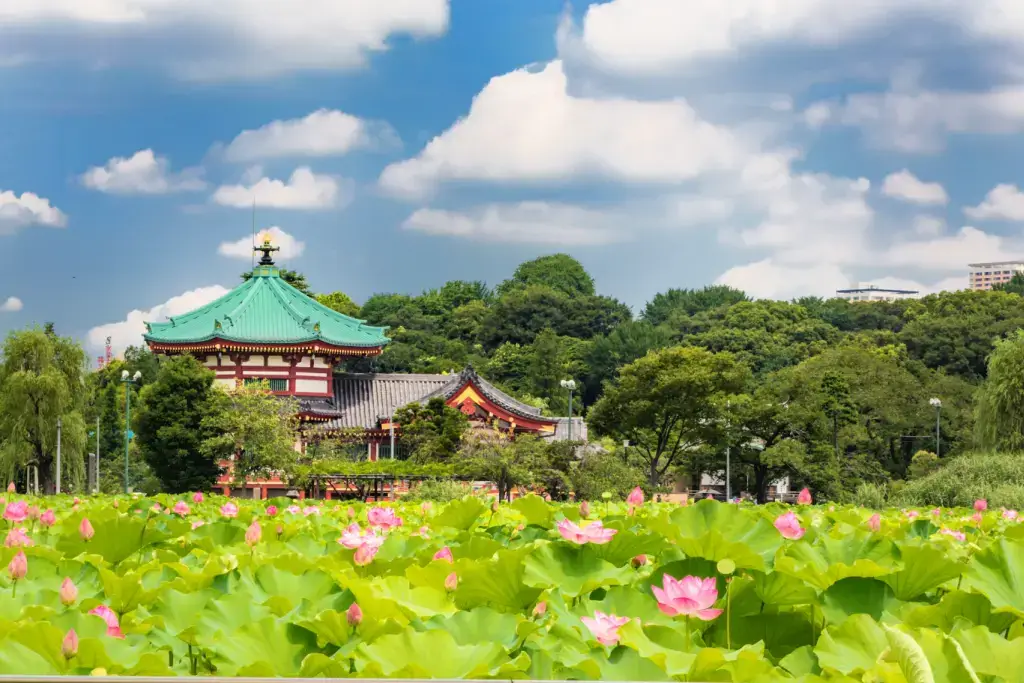
The park’s layered history helps explain its lasting popularity. Former temple grounds, battle sites, and modern institutions all exist in the same area. This mixture makes Ueno Park unique among public spaces in Japan. Tourists and local residents continue to visit throughout the year. As a result, the park remains both a historical landmark and a living part of the city. Have you ever been to Ueno Park before? What did you do there? Let us know in the comments below!