


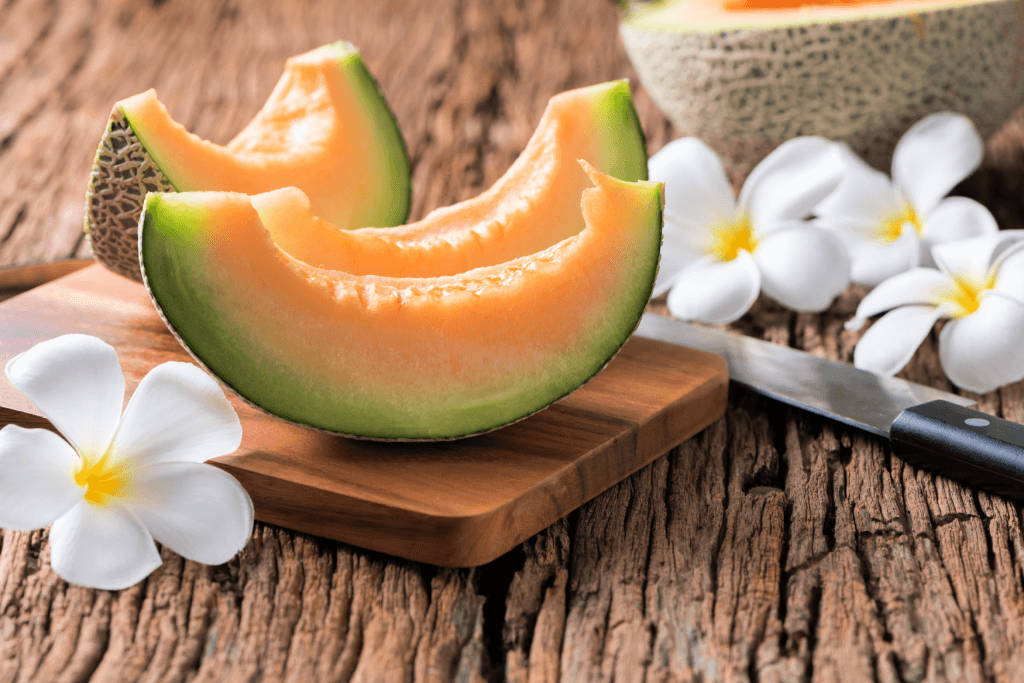
Fruits in Japan are admired for their sheer beauty and for the value that they hold in Japan’s distinctive culture. These luscious fruits are a gem to the Japanese people, from cube watermelons, white strawberries, and plump jewel-like grapes.
Why do people in Japan give fruits as gifts?
Fruits in Japan are considered valuable gifts that many people enjoy. They are unparalleled in taste and aroma, and these fruits are also the crown jewels of agriculture. Gift-giving in Japan goes a long way back in Japan’s history and is an essential aspect of the culture. They play a significant role in the cultivation of relationships in Japan.
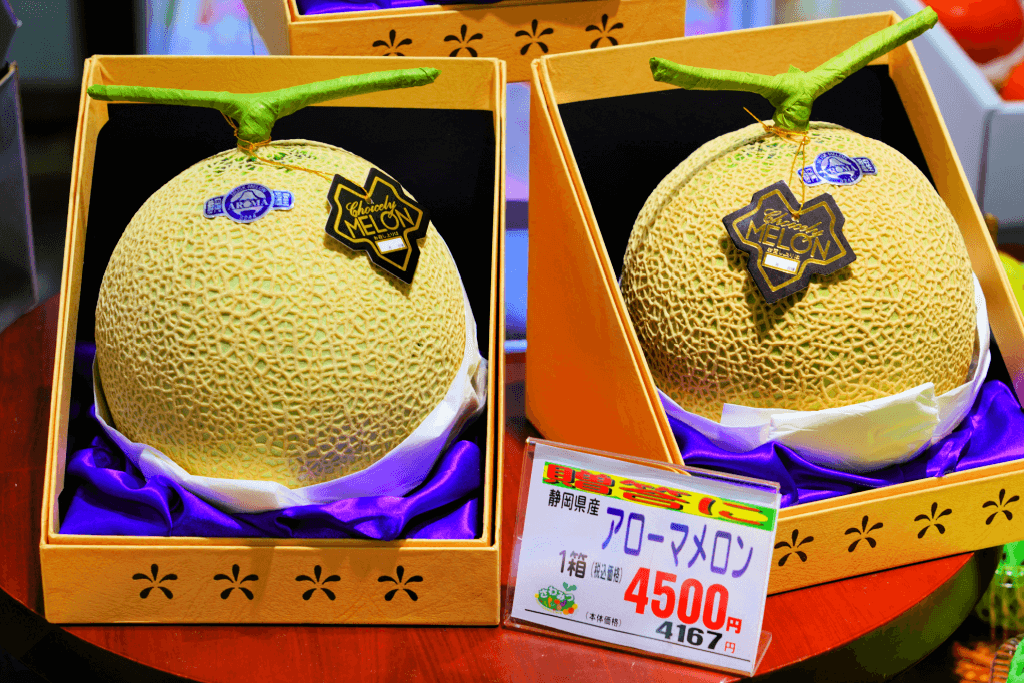
Fruit is a suitable gift due to its seasonality. It allows people to experience the season’s colors, smells, and tastes. It’s also a perishable item, so people can consume it and won’t clutter their houses. Another reason someone might buy these kinds of fruits is to bring something nice to a party or gathering.
What are the meanings behind them?
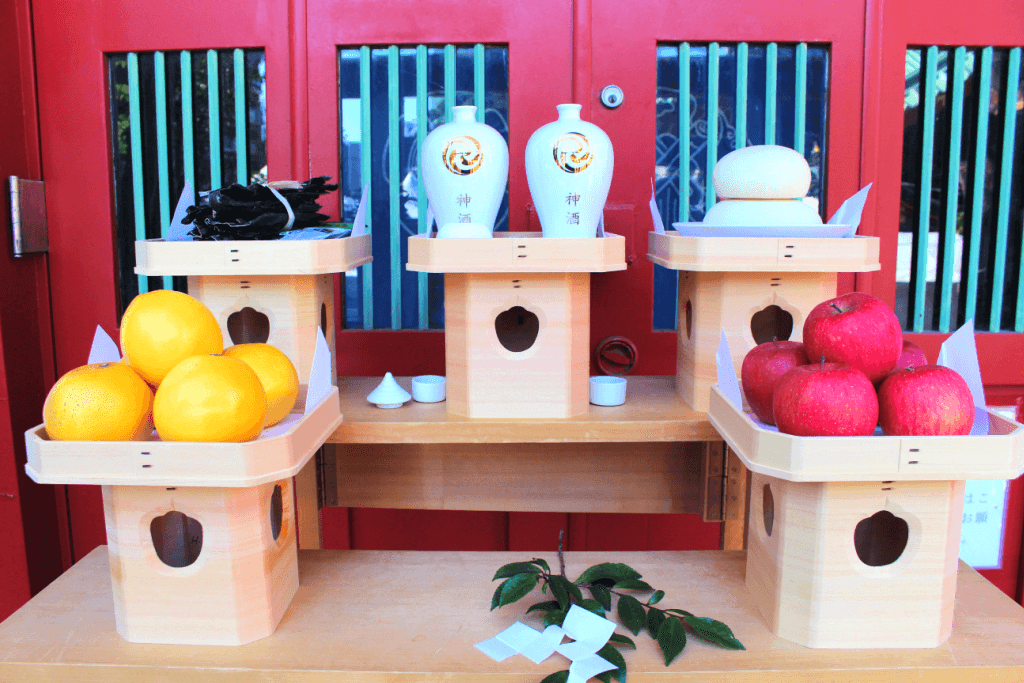
Fruits hold great significance historically. Samurais would bring fruits to the shogun (military leader) in the 14th century to show appreciation for their leaders. The gifting etiquette of fruits is also a reflection of Japan’s deep reverence for spirituality. Moreover, they are the most common offerings in Shinto and Buddhist rituals across Japan. You can also see the fruits as an offering to butsudan (Buddhist altars for the ancestors).
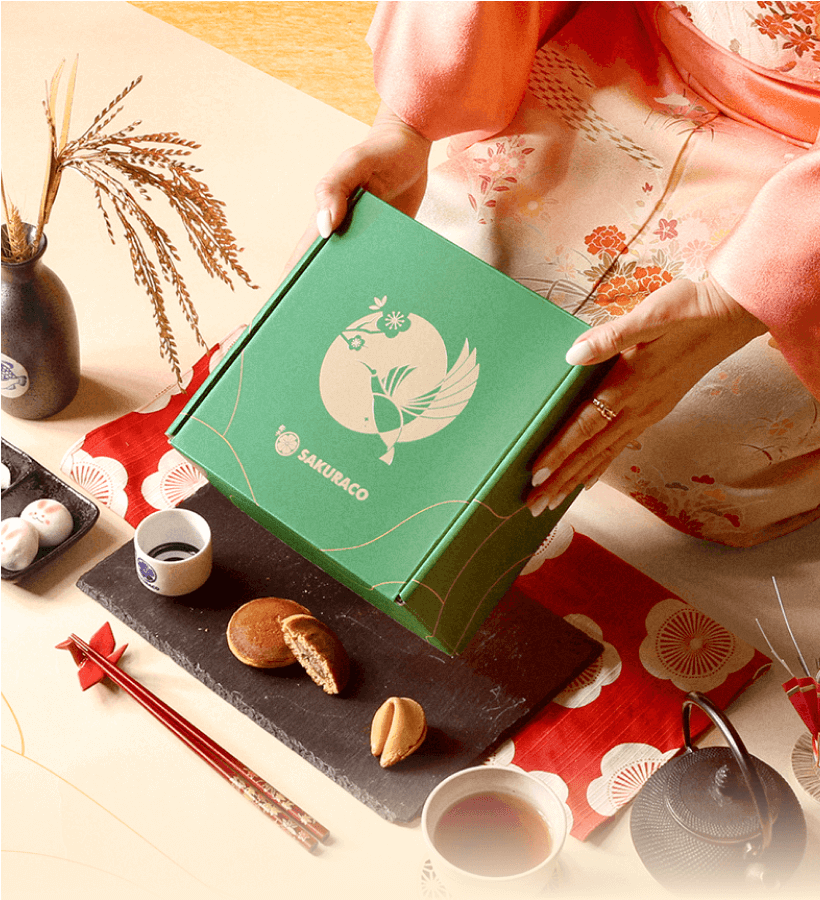
Looking to present a luxury Japanese gift without leaving your home? Check out Sakuraco! Sakuraco delivers traditional Japanese snacks, teas, and sweets from local Japanese makers directly to your door.

Why are fruits in Japan so expensive?
Japan’s fruits are luxury items because of their association with special occasions and gifts. As a result, they often come in elaborate packages reminiscent of jewelry boxes. In addition to this cultural aspect, producing fruit in Japan is a highly complex process that requires a lot of time and attention to detail.
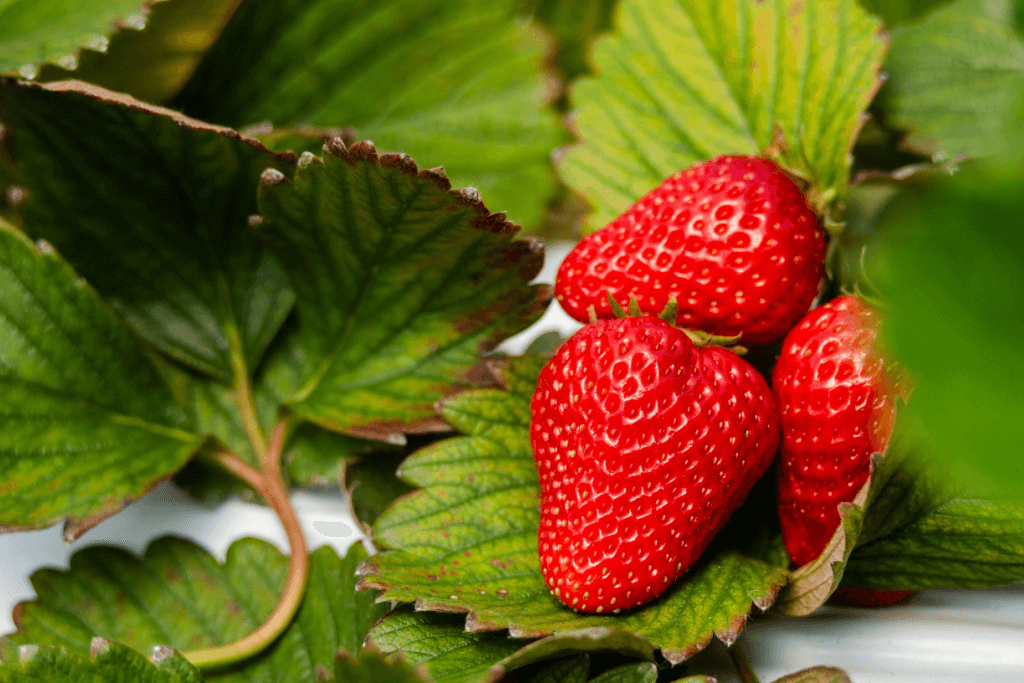
Generally, growers prioritize quality over quantity, and most of the work is done by hand to ensure that the fruit meets the highest standards of appearance and taste. As a result, the prices of Japanese fruit can be significantly higher than those in other countries. Despite the cost, many people are willing to pay for the exquisite taste and appearance of Japanese fruit, making it a highly sought-after commodity domestically and internationally.
How do farmers grow fruits in Japan?
People worldwide marvel at Japan’s exquisite cuisine, high-quality produce, and distinctly clean taste profiles. The process begins with the perfect seeds. The local farmers’ association breeds a new strain yearly, seeking continuous improvements. They remove weak seedlings and meticulously prune other weeds when the flowers appear. All in all, the best Japanese fruits are cultivated meticulously on Japanese soil.
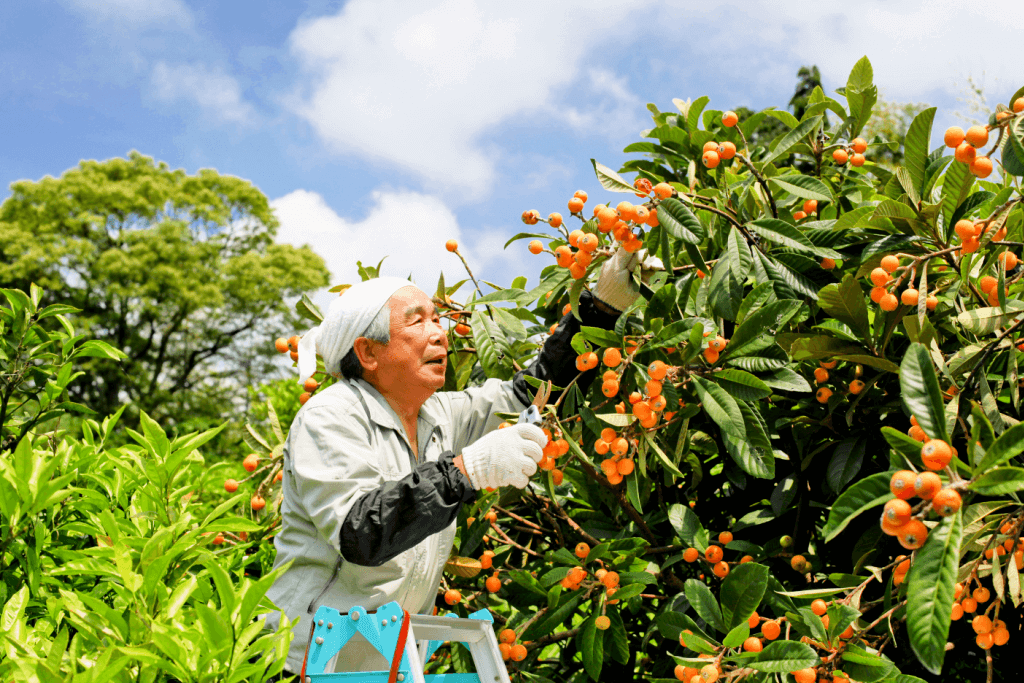
Local Japanese farmers often develop authentic fruit varieties depending on the location. The growing processes are delicate and require much care, such as pollinating blossoms by hand using a brush. They even equip each fruit with an umbrella to prevent it from sunburn. Most farmers go as far as growing only one fruit per branch to concentrate the nutrients in that fruit.
What do fruits mean to Japanese people?
Japan’s luxury fruits are undeniably a distinct characteristic of Japan that makes its culture genuinely unique. It represents the country’s high regard for superior quality, attention to detail, and creativity, celebrated and applauded worldwide. Japan takes pride in its fresh aesthetic, evident in its products and even its way of life.
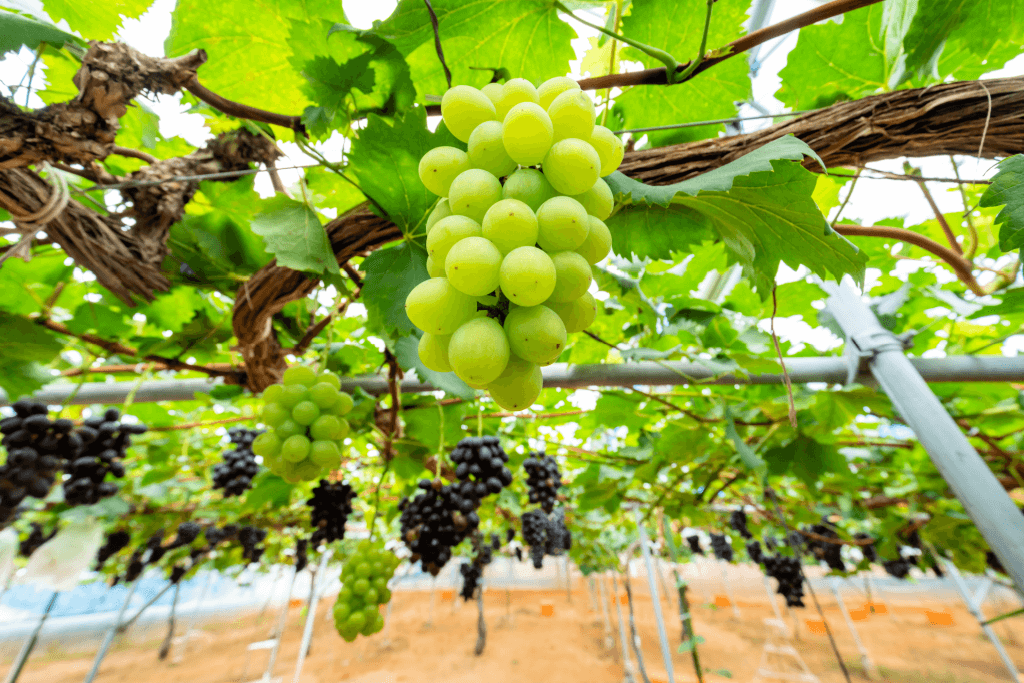
Fruit is not so much a snack in Japan but a luxury item cultivated for gifting. In Japan, fruits are a unique commodity and hold a special place in society. This commodification is due to farmers’ careful thought and attention to the crop. It entails extensive oversight to ensure that each fruit consistently meets the standard to achieve its luxury status.
Have you tried fruits in Japan before? Would you be willing to pay for a luxury fruit? Let us know in the comments below!