


Japan is blessed with various edible mushrooms and has developed advanced cultivation technologies to preserve and enhance their flavors and nutritional content. Moreover, it’s also home to numerous mouthwatering mushroom-based recipes that have deeply impacted global cuisine. Let’s explore some popular Japanese-origin mushrooms commonly used in cooking, starting with enoki!
Enoki
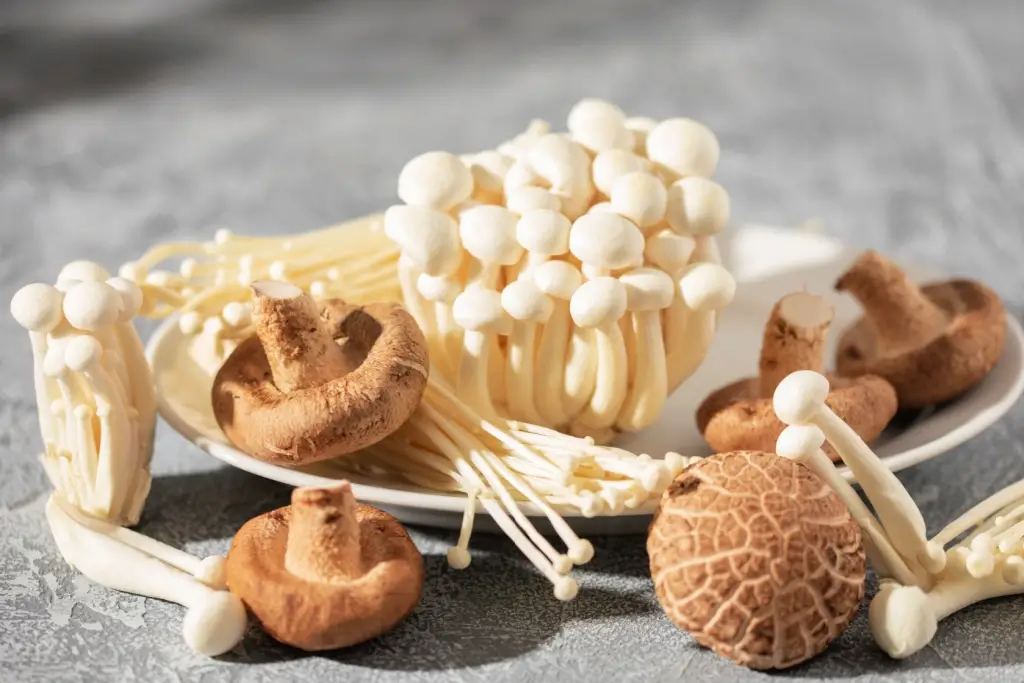
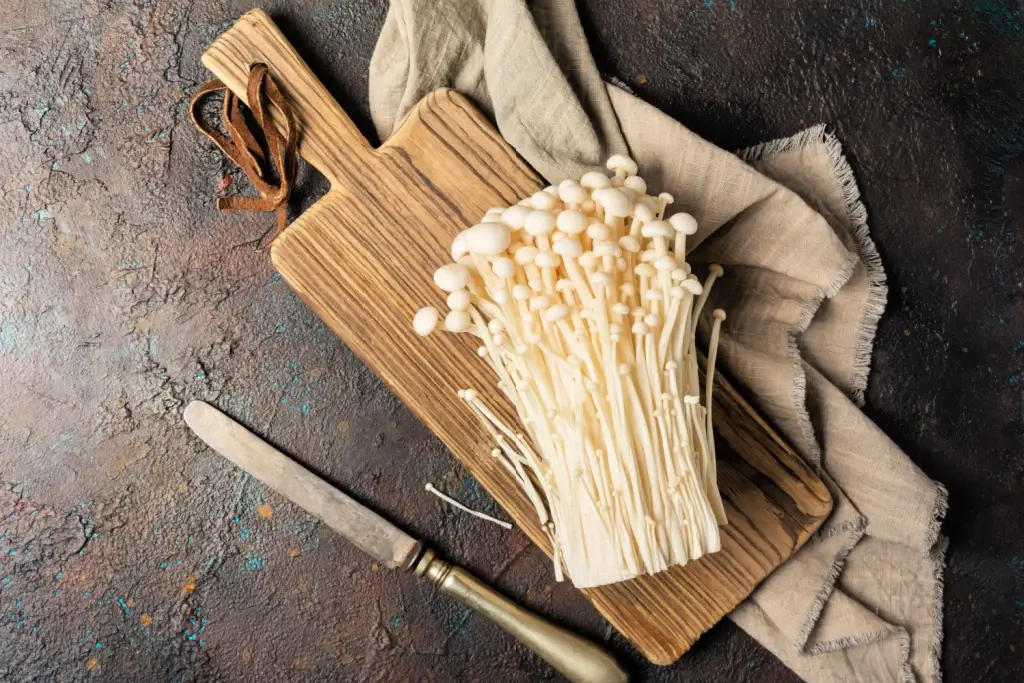
Enoki mushrooms are long, thin mushrooms with tiny caps that grow in clusters. They were first found at the base of hackberry trees in Japan. They are widely grown across East Asia, especially in China and Japan. Wild enoki mushrooms are brown with larger caps, but the cultivated ones are white, smooth, and uniform because they are grown in low light.
It has a crisp texture and mild, nutty flavor. When cooked, it turns tender with a slightly sticky texture. In Japan, it’s celebrated as a star ingredient in various dishes. These mushrooms shine in hot pots such as sukiyaki, shabu shabu, and nabemono, where they soak up the flavorful broth and in light, comforting soups.
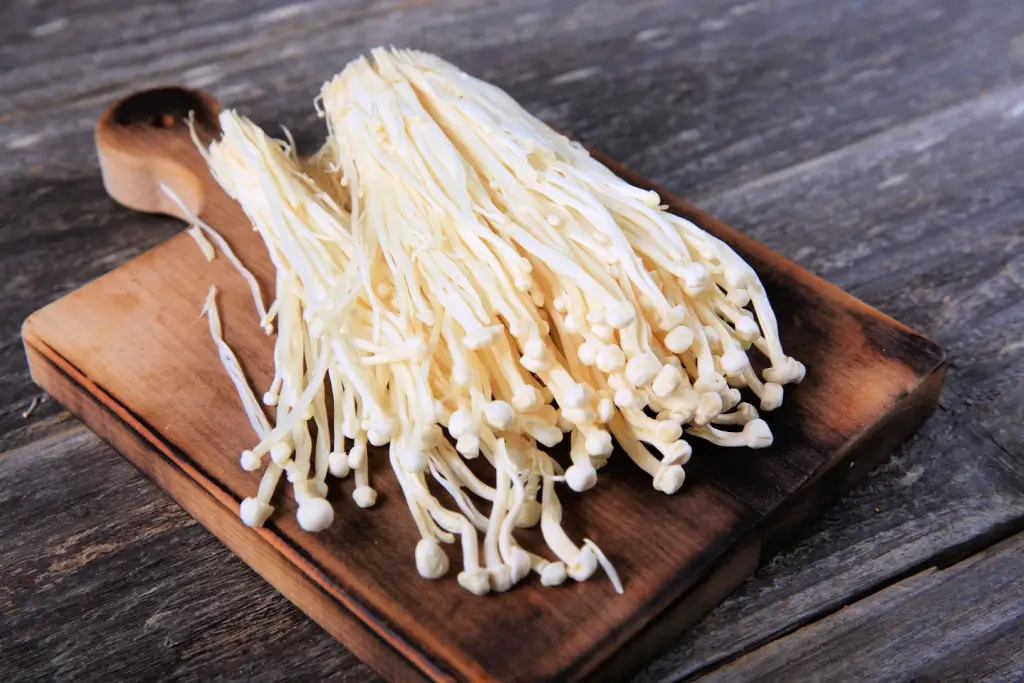
They’re also a great addition to salads for a crunchy twist or can be turned into delightful snacks like crispy enoki chips. Another favorite preparation is nametake, where enoki is cooked in soy sauce to make a yummy topping for rice.
These mushrooms are low in calories and contain fiber, vitamins, and minerals. They are also rich in beta-glucan, which helps boost the immune system and may fight cancer. Studies suggest they can support brain health, reduce inflammation, and keep your heart healthy.
Shiitake
Shiitake is a delicious and special kind of fungus that originally came from East Asia. It has been grown in Japan for centuries. The name comes from the Japanese word shii, a type of tree it grows on and takes, meaning mushroom. These brown mushrooms have soft, umbrella-shaped caps and short white stems. They are beloved for their earthy flavor and slightly chewy texture. When dried, shiitakes have an even stronger smoky taste.

It’s packed with fiber, vitamin D, minerals, and some amino acids that are good for your body. They’re primarily known for helping your immune system, improving heart health, and even fighting bad cholesterol. Dried shiitake mushrooms are even healthier because they have more concentrated nutrients.
When cooked, shiitake becomes juicy and tender. They’re great for making vegetarian broths because of their exceptional umami flavor, which has a savory, meaty taste. From sukiyaki and udon to nimono (simmered dish) and takikomi-gohan (mixed rice), shiitake adds depth to every bite. If you use dried ones, remember to soak them in water first to make them soft and bring out their full flavor.
Would you like to experience traditional Japanese food? Check out Sakuraco! Sakuraco delivers traditional Japanese snacks, teas, and sweets from local Japanese makers directly to your door so you can enjoy the latest treats directly from Japan!
Matsutake
Matsutake, or “pine mushroom”, is a true symbol of autumn in Japan. Harvesting matsutake is an art in itself. Skilled foragers search under pine trees in places like Nagano, Kyoto, and Iwate during the autumn months. Matsutake must be collected immediately, ensuring they retain their signature fragrance and freshness. Besides Japan, it’s also found growing in harmony with pine trees in some parts of Europe and North America.
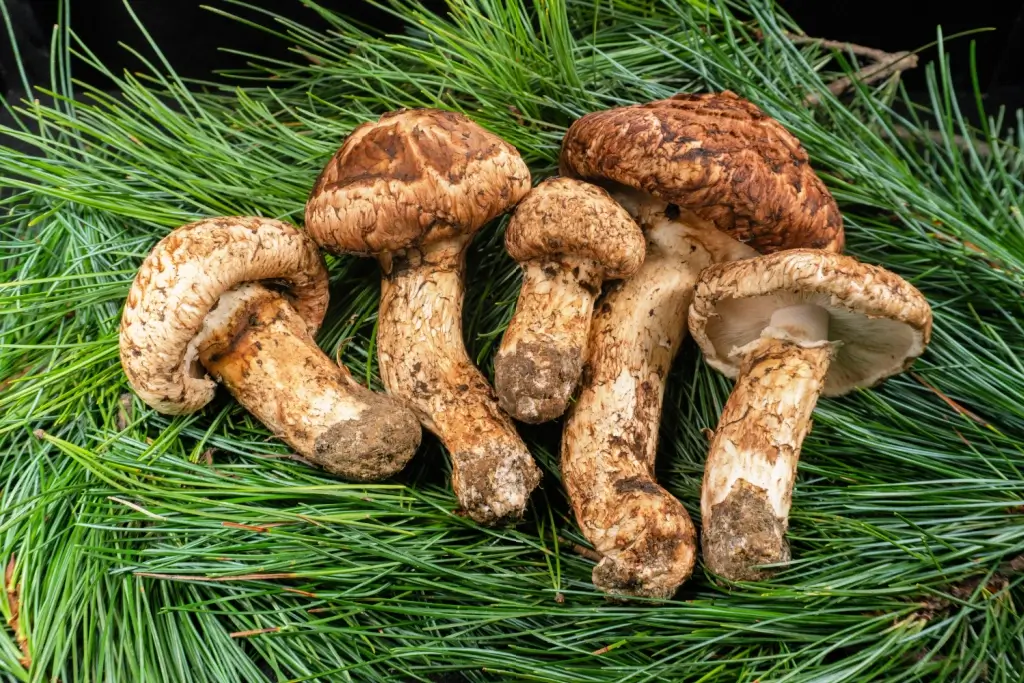
They’re commonly served in unique dishes during weddings, holiday banquets, or other important events. Traditional dishes such as matsutake gohan (rice cooked with matsutake), grilled matsutake, and dobin mushi (broth steamed in a clay teapot) bring out the rich aroma and natural flavors. Chefs also use matsutake in soups, stews, and tempura. Their spicy, earthy fragrance is perfectly balanced with a firm, chewy texture.
Abundant in essential nutrients, including vitamin D, vitamin B3, and potassium, they help support your immune system and keep your body healthy. They also contain antioxidants and compounds that may help protect against certain illnesses.
Maitake
Maitake is also called “dancing mushrooms” because of its frilly, fan-like shape. These mushrooms grow on the base of oak trees and have a musky flavor with a moist and tender texture. They are grown both in the wild and on farms. Maitake has vitamins B and D, potassium, and antioxidants, which support your immune system and overall health. They are also low in calories, fat-free, and cholesterol-free.
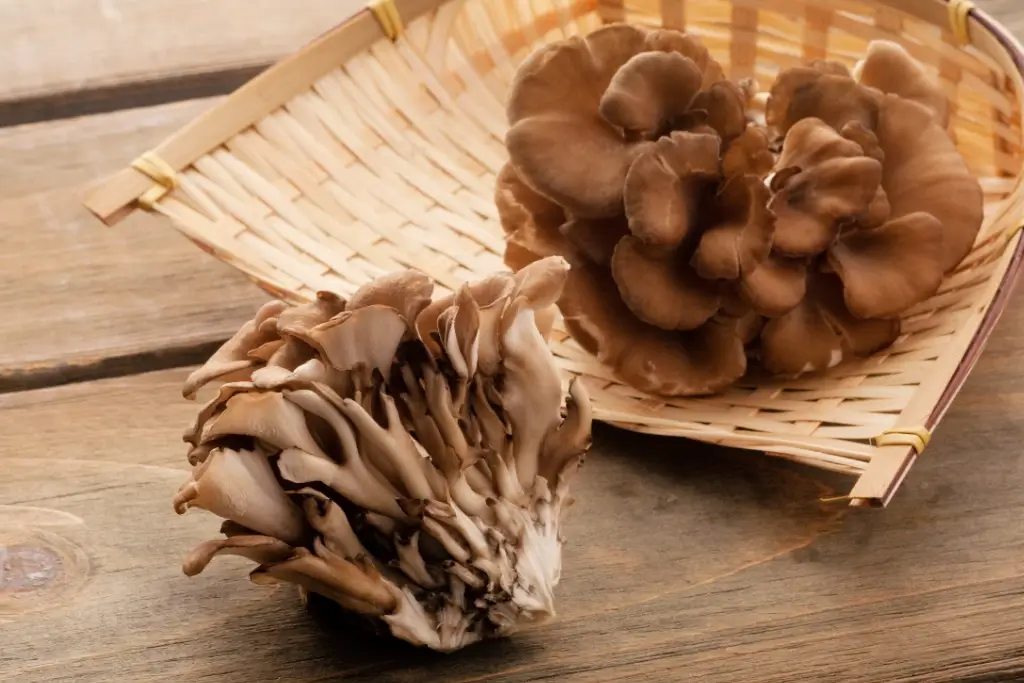
This mushroom is valued for its health benefits and tasty flavor, making it a versatile ingredient in many dishes. In Japan, maitake is commonly used in various traditional dishes. It can be sautéed, added to miso soup, or stir-fried with other vegetables and meats. One popular Japanese dish is savory chawanmushi (steamed egg custard), where this ingredient is added for extra flavor. Additionally, maitake is often used as a topping for rice dishes and can be incorporated into tempura.
Nameko
Nameko is known for its amber-brown color and slick, slippery texture. It’s typically found in the wild, growing in clusters on the trunks of dead beech trees, but it’s more cultivated today. This edible fungus is a good source of vitamins, minerals, potassium, and fiber. The taste of nameko is woody with subtle fruity and nutty undertones. When cooked, it becomes smooth and adds a distinctive texture to dishes.
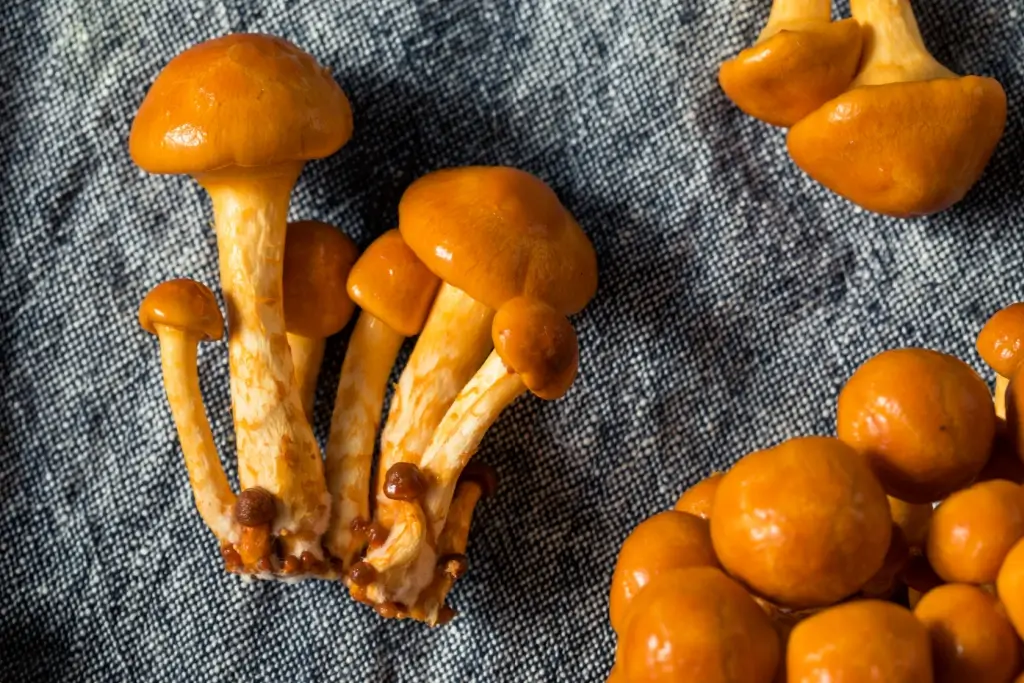
It’s also a common ingredient in miso soup, where its texture enhances the soup’s richness. The mushrooms are so versatile that they can be used in nameko soba, stir-fries, rice dishes, or even as a topping for pasta and pizza—their mild flavor pairs well with tofu, meats, seafood, and vegetables, including cabbage and carrots.
Why should I try Japanese mushrooms like enoki?
Japanese mushrooms like enoki offer a unique blend of flavors and textures, making them a must-try. Not only are these mushrooms delicious, but they also provide impressive health benefits, making them a fantastic addition to any diet. By incorporating them into soups, salads, noodles, or rice dishes, you can easily experience a traditional side of Japanese cuisine. Have you tried any Japanese mushrooms before? Which one is your favorite? Let me know in the comments!