


The word “hatsu” in Japanese means the beginning or the first. It appears in the names of many traditional Japanese New Year’s customs such as hatsuyume, hatsumode, and hatsuhinode. In Japanese culture, hatsuhinode is the first thing that people should do on the first day of the year. Let’s learn more about this New Year’s tradition.
What is Hatsuhinode?
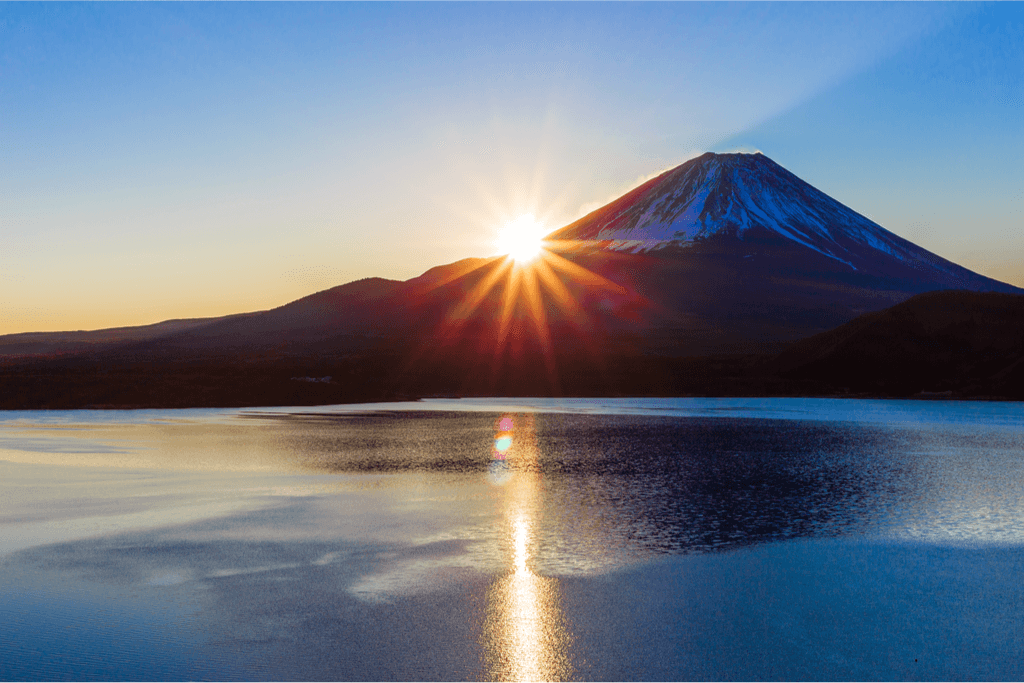
Hatsuhinode means “the first sunrise of the new year”. In other words, it’s the very first rise of the sun on January 1st.
Hatsuhinode comes from Shinto, the traditional Japanese religion. In Shinto, people believe that toshigami, or New Year gods, appear at the first sunrise. Then then bless their followers with good health, good fortune, and prosperity.
What Japanese Do to Welcome Hatsuhinode
Japanese people believe that hatsuhinode symbolizes renewal and aspiration. Back in the day, the ancient Japanese usually prayed for good health and a bountiful harvest when welcoming hatsuhinode. But from the Meiji Period to the present, the hopes and prays for this New Year’s Day of people are much more and more varied than in the past.
On the first day of the new year, Japanese people normally plan to travel to certain places where they can see the clearest and brightest hatsuhinode, such as climbing the mountains or going to the seashore.
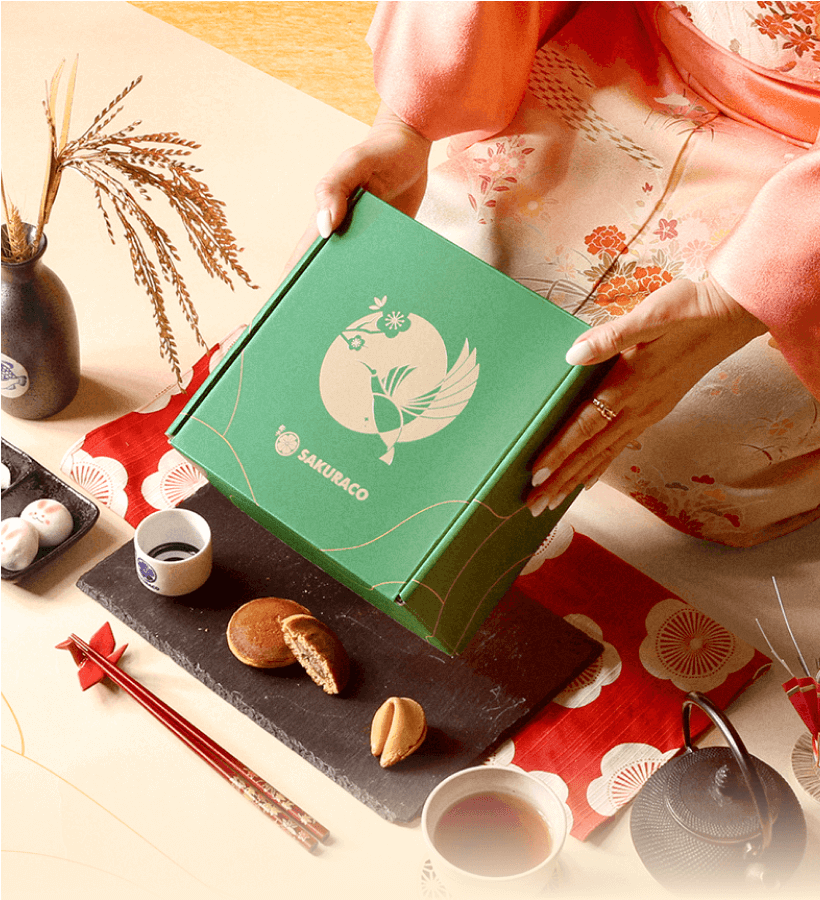
Want to learn more about authentic Japanese traditions and food? Check out Sakuraco! Sakuraco delivers traditional Japanese snacks, teas and sweets, from local Japanese makers directly to your door, so you can try out the best taste from different regions of Japan at your convenience!

Where to Enjoy Hatsuhinode
There are five popular and unique places around Japan that you should check out to welcome the first sunrise of the year. These places are spectacularly scenic and have marvelous views all year-round.
Enoshima, Kanagawa
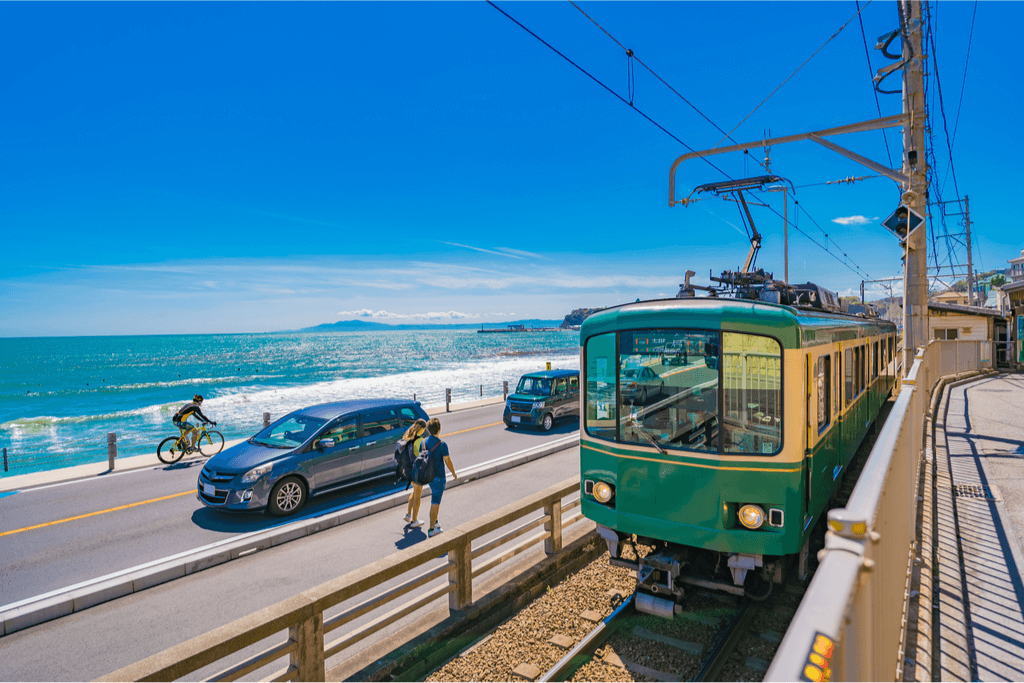
Enoshima is a beautiful small island not far from Tokyo. From here, you can admire the impressive sunrise from the coast. If the sky is clear, it’s the perfect chance for you to also spot Mount Fuji from a far distance.
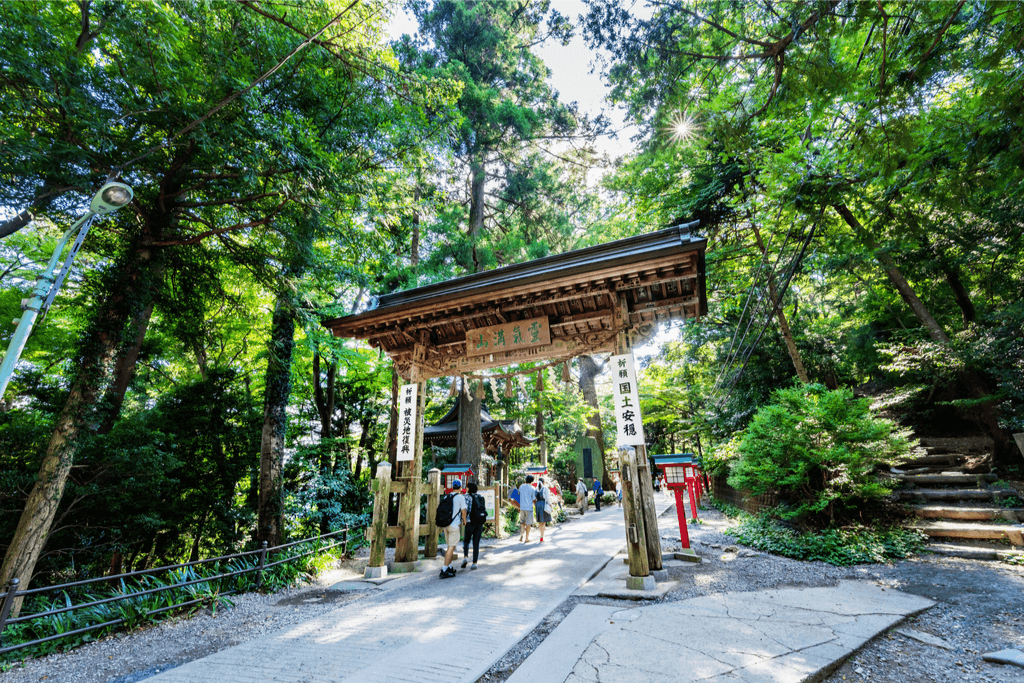
Mount Takao, Tokyo
Mount Takao is always rated as a place having the ideal height and magnificent natural scenery to enjoy the sun rising. Additionally, there is a famous mountainside temple called “Yakuno” where many Japanese people gather annually to welcome hatsuhinode. They also have the Geikosai Festival, which is a local New Year’s celebration.
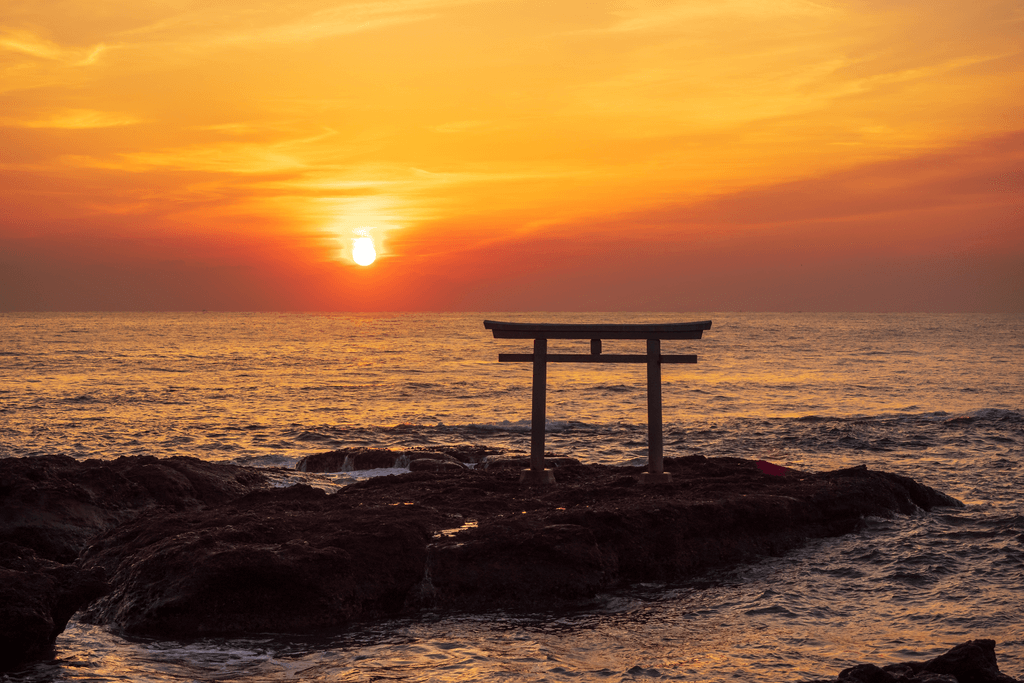
Oarai Isosaki-Jinja Torii, Ibaraki
Another spectacular sunrise is at Oarai Isosaki-Jinja Torii. Located in Ibaraki prefecture, the renowned shrine gate lies majestically on distant ledges in the middle of the ocean. Surrounded by crashing waves while basking in the golden threads of sunlight, you’ll surely capture some magnificent photos at any angle.
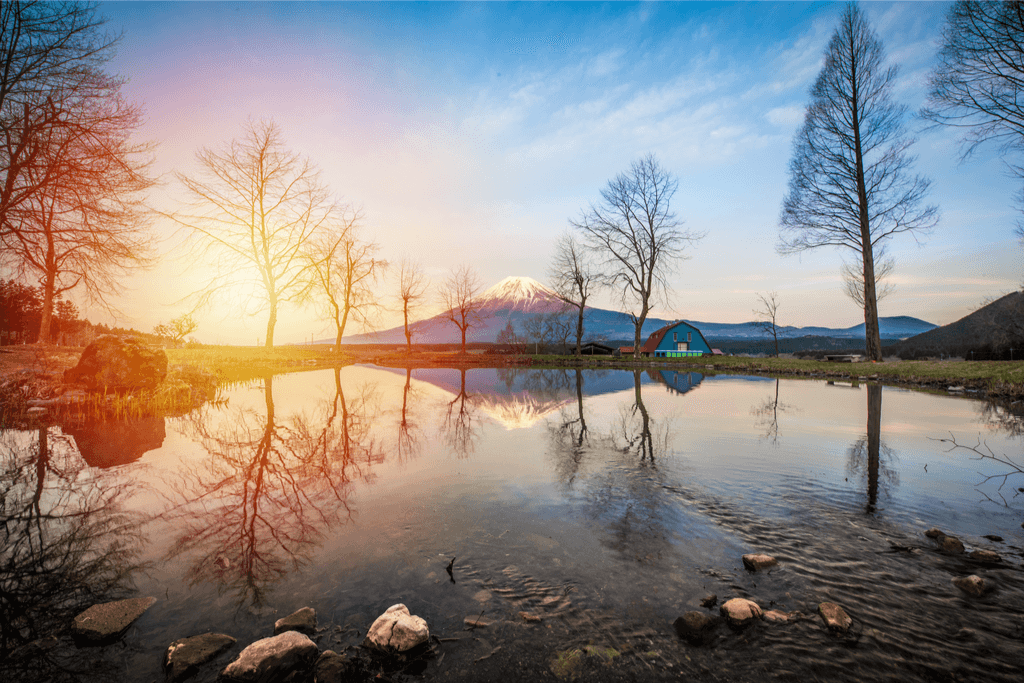
Lake Kawaguchi, Yamanashi
This lake is one of the Fuji Five Lakes in Japan. When celebrating hatsuhinode here, you’ll have a great opportunity to see the sun rising behind Mount Fuji. The gorgeous morning light of the sunrise shimmers on the lake water and many visitors marvel at the golden reflections dancing on the water.
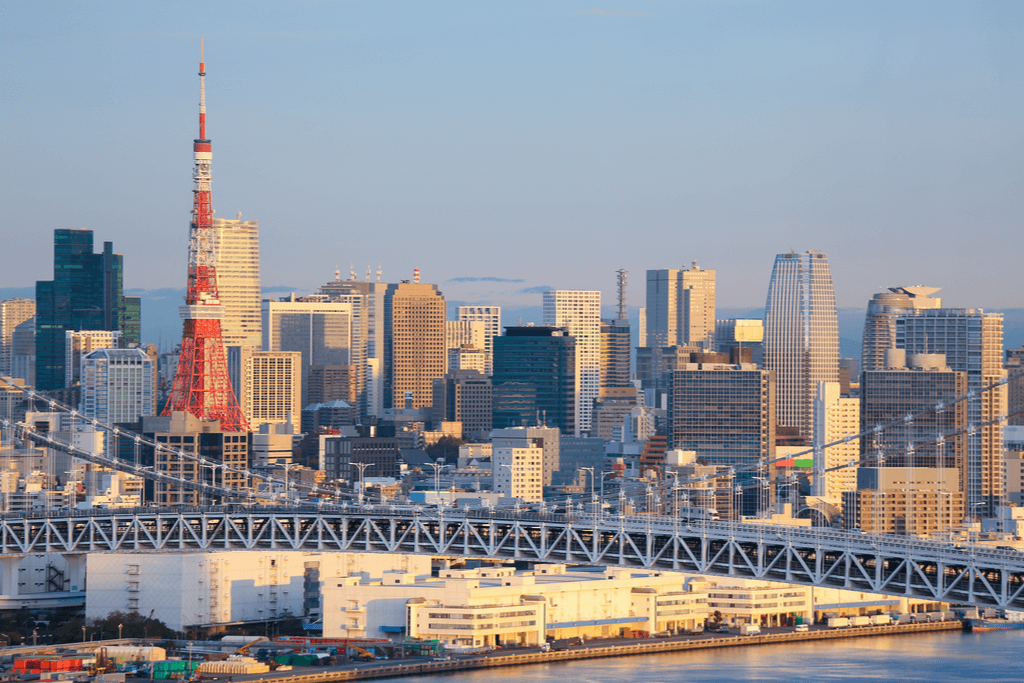
Tokyo Tower, Tokyo
If you prefer to watch the first sunrise in an urban landscape, Tokyo Tower is perfect for you. Tokyo Tower opens at dawn on the first day of the new year for ticket sales. Be sure you’re the first to arrive since the admission to the hatsuhinode ceremony here will be limited to only about 60 people.
We hope that you have widened your horizon with one more beauty in Japanese culture. Since the new year is coming up, now is the best time to get ready for hatsuhinode!
What other New Year’s celebrations are you looking forward to this year? Have you ever enjoyed a New Year’s sunrise? Let us know in the comments below.