


Nagano, Japan, is a beautiful prefecture in the center of Honshu, surrounded by tall mountains and peaceful valleys. People call it the “roof of Japan” because it has some of the country’s highest mountain ranges. Yet beyond its natural beauty, this place has many more wonderful things to offer. Keep reading to discover them!
What kind of prefecture is Nagano?
Nagano is in the Chubu Region and is just an hour from Tokyo by shinkansen. The area is rich in both nature and history, with old towns, temples, and hot springs that still retain their traditional charm. This prefecture gained worldwide fame when it hosted the 1998 Winter Olympics. To share local culture with the world, the Olympic medals were crafted with Kiso lacquer and adorned with maki-e, a traditional gold lacquer technique. They also featured shippo yaki, a delicate cloisonne style that glowed softly in the light.
What are the best trails to explore in this area?
Nagano, Japan, is a serene retreat for those who love nature, where each trail leads through landscapes filled with history. Located in the heart of the Japanese Alps, it has long been a place where travelers walked between valleys and peaks to find peace and discovery. Centuries ago, monks and samurai journeyed through these trails to pray, patrol forests, and trade goods. Today, the same paths invite people to enjoy quiet forests, clear rivers, and fresh mountain air.
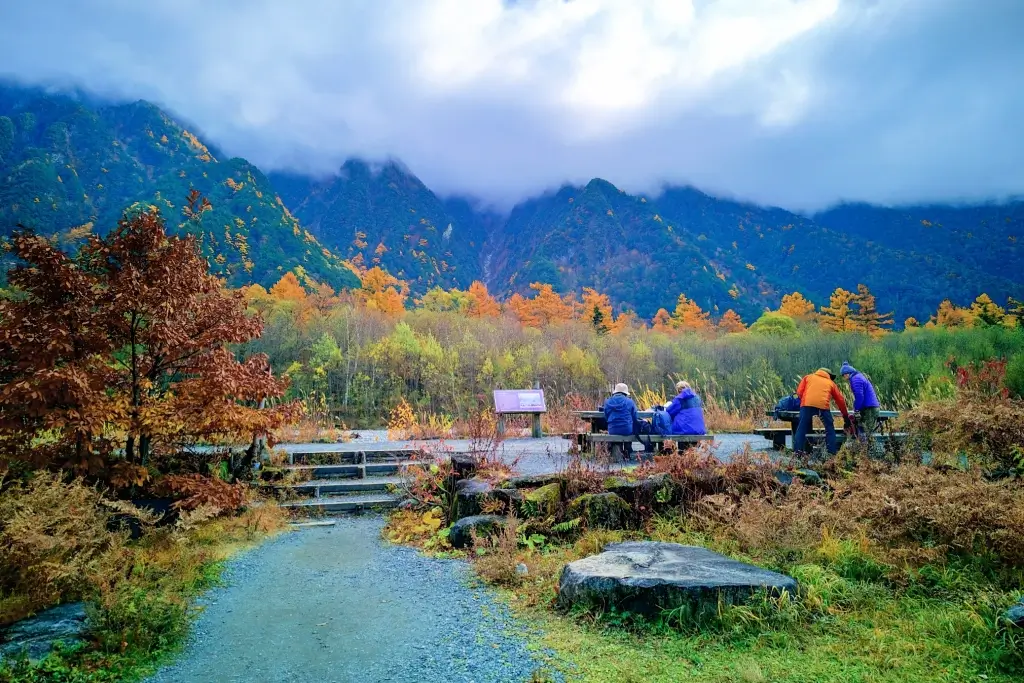
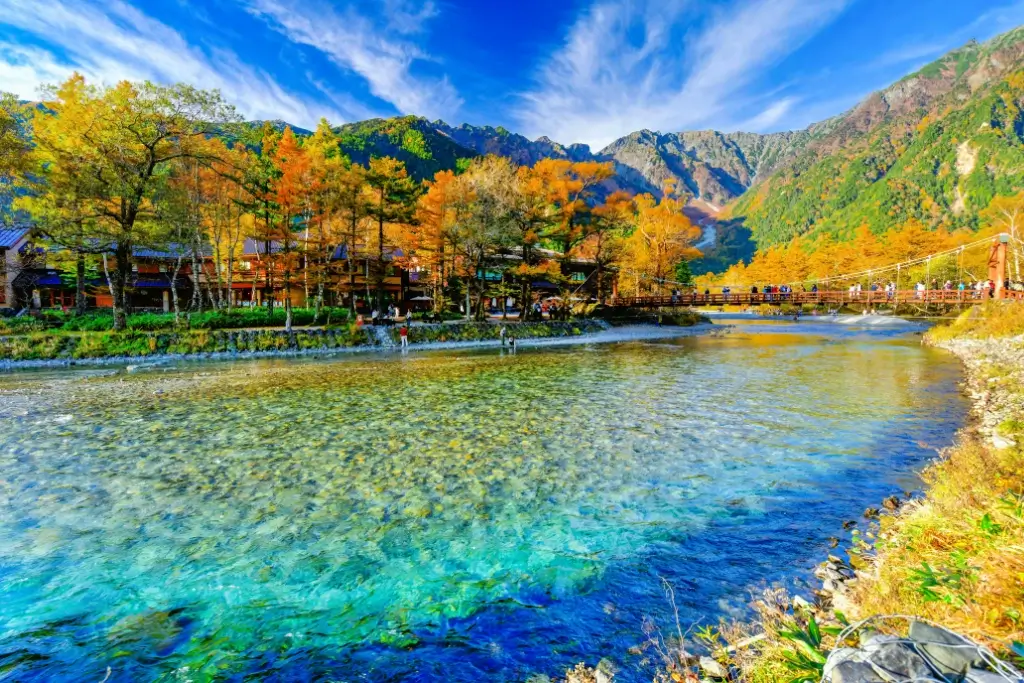
The Kamikochi Trail, situated within Chubu Sangaku National Park, is one of the most renowned routes in Nagano, Japan. It lies about 1,500 meters (4,921 feet) above sea level and is surrounded by the snow-capped Hotaka Mountains. Hikers can cross the wooden Kappa Bridge, admire the calm Azusa River, and see Myojin Pond sparkle in the sunlight.
For breathtaking views, the Togakushi Trail features forest paths that lead to shrines nestled among tall cedar trees. Many visitors also stop to taste handmade Togakushi soba noodles nearby. Meanwhile, the Kiso Valley trails welcome gentle hikers with peaceful mountain passes and cozy onsen villages.
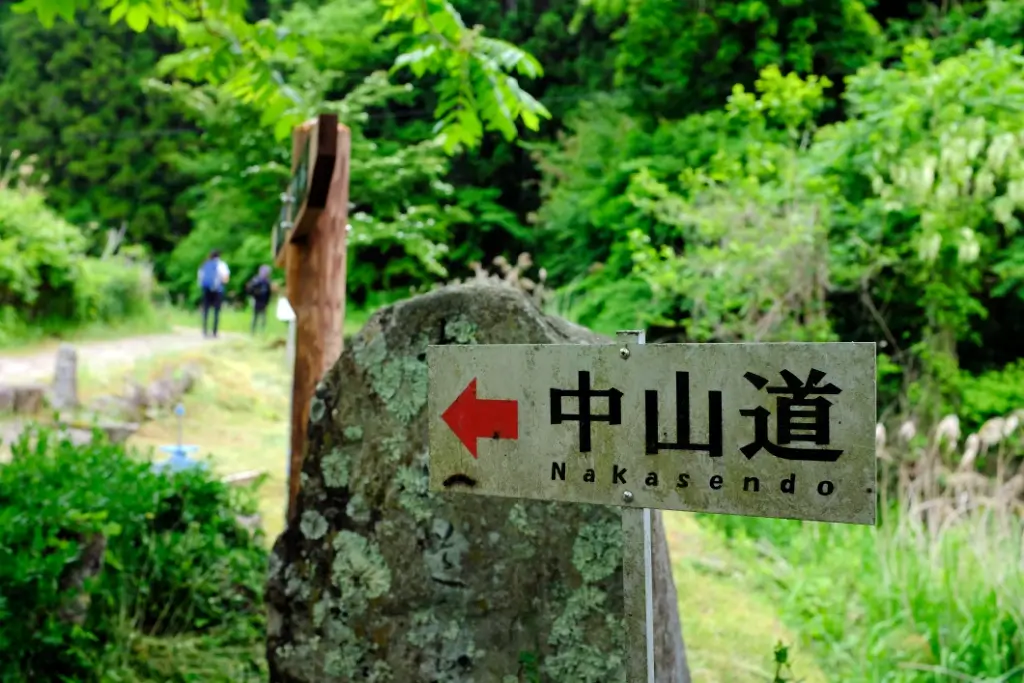
The Nakasendo Trail is another treasure, connecting Kyoto and Tokyo through the mountains of Nagano. Once used by samurai and merchants during the Edo period (1603-1868), it still holds its old charm. Walking through Tsumago and Magome post towns feels like entering the past, with wooden inns, tea houses, and stone paths leading through forests.

What local specialties is this prefecture known for?
Nagano, Japan, is famous for its fresh fruits that feel like gifts from nature. The land’s clear rivers, cool nights, and bright sunshine help grow sweet, juicy produce full of healthy goodness. Farmers take pride in caring for their trees and vines, turning every fruit into something special to enjoy or share as a gift.
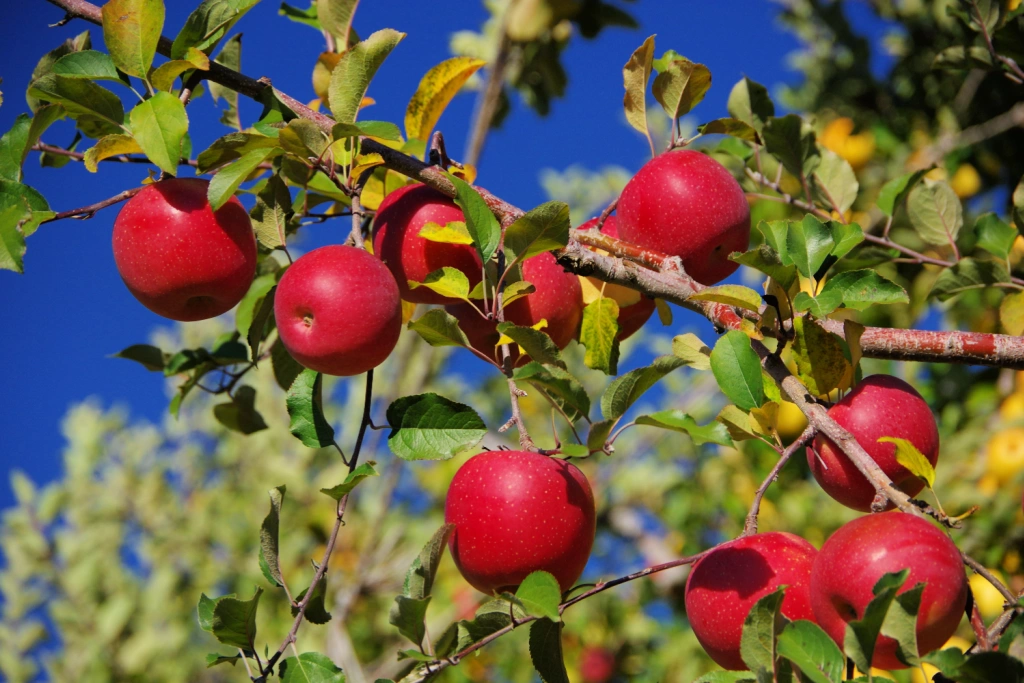
Shinshu apples are a prized fruit of this region, celebrated for their crunchy texture. They grow in rich, volcanic soil, which gives them a full, sweet flavor. The apples are loved both fresh and in treats such as pies, cakes, and cider.
In addition, the prefecture is also home to delicious grapes. Shine Muscat and Kyoho grapes are especially popular for their smooth skin and rich, sweet flavor. Their taste is soft and full, making them a favorite for desserts or simply eating fresh. Moreover, momo (peaches) are another beloved fruit from Nagano, Japan. They grow large, soft, and full of juicy sweetness. Peaches here are beautifully colored, with pink and golden hues. They are perfect for making jams and various desserts!
What are the must-visit places in Nagano City?
Nagano City, the capital city of Nagano Prefecture, was a peaceful place surrounded by tall mountains and rivers. It began as a temple town during the Nara period (710-794) and grew into a lively city of faith and culture. Known for hosting the 1998 Winter Olympics, the city blended ancient traditions with modern energy.

One of the most beloved spots is Zenkoji Temple, a sacred site where people come to pray and find peace. Its dark passage, called Okaidan Meguri, lets visitors walk in total darkness. It symbolizes a quiet journey toward enlightenment. Nearby, the Nagano Prefectural Art Museum gracefully blends art and nature. Its glass walls frame tranquil mountain views, while paintings by Higashiyama Kaii reflect Japan’s calm and gentle beauty.
For those who love adventure, the Togakure Ninja Museum in Togakushi offers a thrilling glimpse into Japan’s secret ninja world. Visitors can explore hidden doors, throw ninja stars, and learn how ninjas lived long ago. In the same mountainous area, the Togakushi Shrine stands among giant cedar trees, offering peaceful trails and a magical scenery. And if you enjoy sports, the Nagano Olympic Museum is another must-see!
Why should I travel to Nagano, Japan?
You should visit Nagano, Japan, because it offers a unique balance of nature, history, and culture that feels both calm and inspiring. The prefecture welcomes visitors with lively towns and old trails that tell stories of Japan’s past. Whether you come for hiking, temples, or its famous fruits, Nagano offers experiences that awaken all your senses. So, why not see Nagano for yourself and discover what makes it so special? What would you most love to experience first in this mountain prefecture? Share your thoughts in the comments!