


Japan is one of the countries that allows bears to be captured under a strict registered hunting system to prevent them from entering residential areas when natural food becomes scarce. Consuming bear meat is also not unusual in this country. There is a well-known Hokkaido restaurant offering dishes made with bear meat called “Les KaneKiyos”. Keep reading to explore more about bear meat in Japan and what makes this restaurant stand out!
What does bear meat taste like?
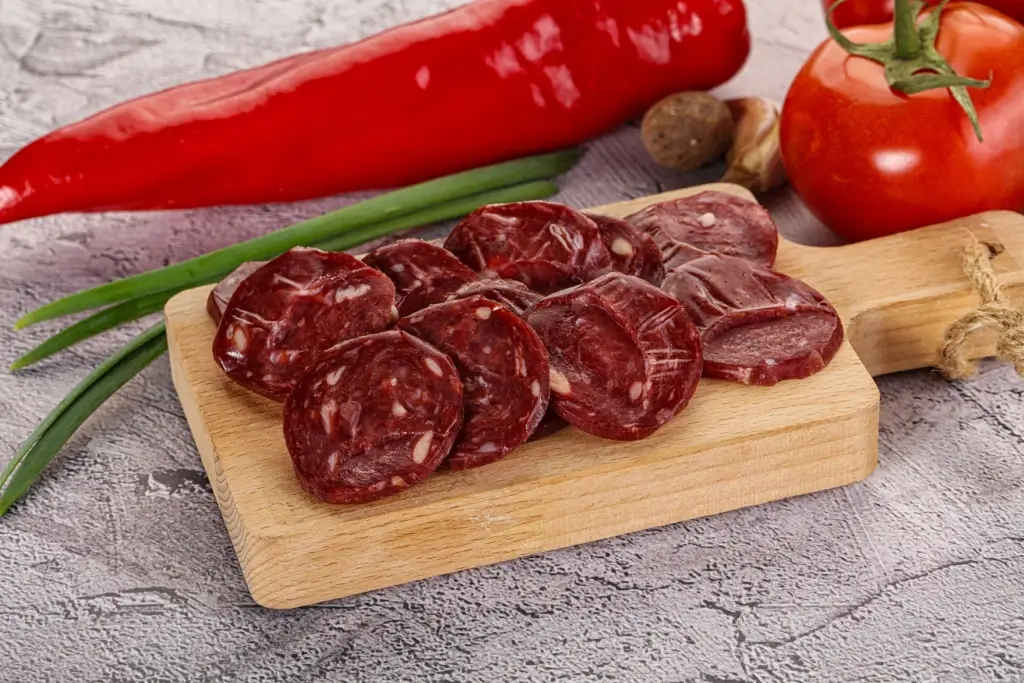
Bear meat is often discussed with curiosity, especially by people who have never tasted it. It’s sometimes compared to pork, although many writers argue that this comparison is not accurate. The color is said to be darker than pork but lighter than deer meat. The taste is described as strong and deep, changing with what the bear eats. Bears that feed on berries can have a gentler flavor.
The texture of bear meat is commonly described as firm and slightly fatty. Winter and fall bears are said to have richer fat layers. This is because they eat more before the cold seasons. The meat is often used in slow-cooked dishes or hearty soups.
From a nutritional view, bear meat is said to be rich in protein and iron. Some sources suggest it contains helpful minerals such as zinc and vitamin B. It is also said to have less fat than beef in some cases. Gaining these health benefits requires careful cooking of the meat. Proper heat is necessary because wild meat can carry risks. Thus, bear meat is linked to responsible preparation and knowledge.
Is the consumption of bear meat common in Japan?
The consumption of bear meat in Japan is not common today, but it remains a tradition in certain northern regions of the country. It is mainly found in Hokkaido and parts of Tohoku, including Aomori. Historically, bear meat was a staple of mountain life, as people relied on hunting to sustain themselves. The Ainu people played an essential role in this tradition and culture. They respected bears as sacred beings, not merely as food animals.
In Ainu history, brown bears were referred to as Kamuy, meaning “gods of the mountains.” Bears were hunted carefully, often in spring, with strong rituals and prayers. The famous Iomante ceremony sent the bear spirit back to the world of the gods. Meat, fur, and other parts were used with gratitude and care. Today, hunting still happens, but only with licenses and strict rules. These hunts aim to protect villages and crops rather than encourage wide consumption.
In places like Aomori, bear meat is featured as a local specialty known as gibier. Villages use meat from bears caught near farms to reduce harm. Some shops, inns, and even vending machines sell small portions on a weekly basis. Popularity remains limited, mainly attracting curious visitors. Activities include tasting events and regional food stalls. The attraction lies in rarity, tradition, and local storytelling rather than everyday meals.
Why is Les KaneKiyos famous for bear meat?
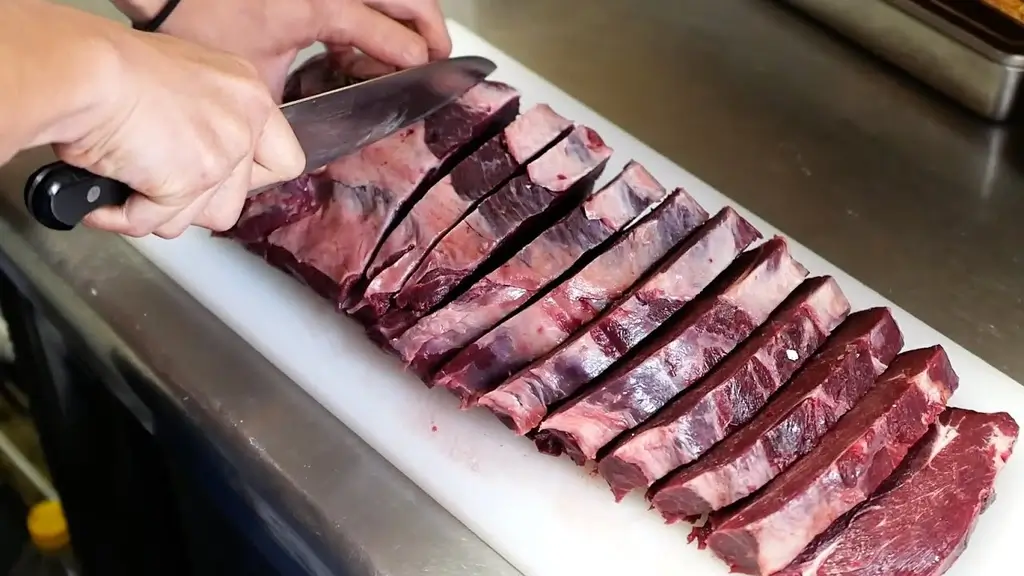
Les KaneKiyos is a French Hokkaido restaurant in Sapporo, known for using local bear meat in creative dishes. Its fame stems from its close collaboration with hunters in Biei to source fresh brown bear meat. The restaurant transforms this unusual ingredient into carefully prepared meals, offering visitors a taste of something scarce and unique.
Moreover, this effort is part of a broader initiative to utilize bears captured in the region effectively. The approach combines tradition, local resources, and culinary skill, making it a notable Hokkaido restaurant for unique dining experiences.
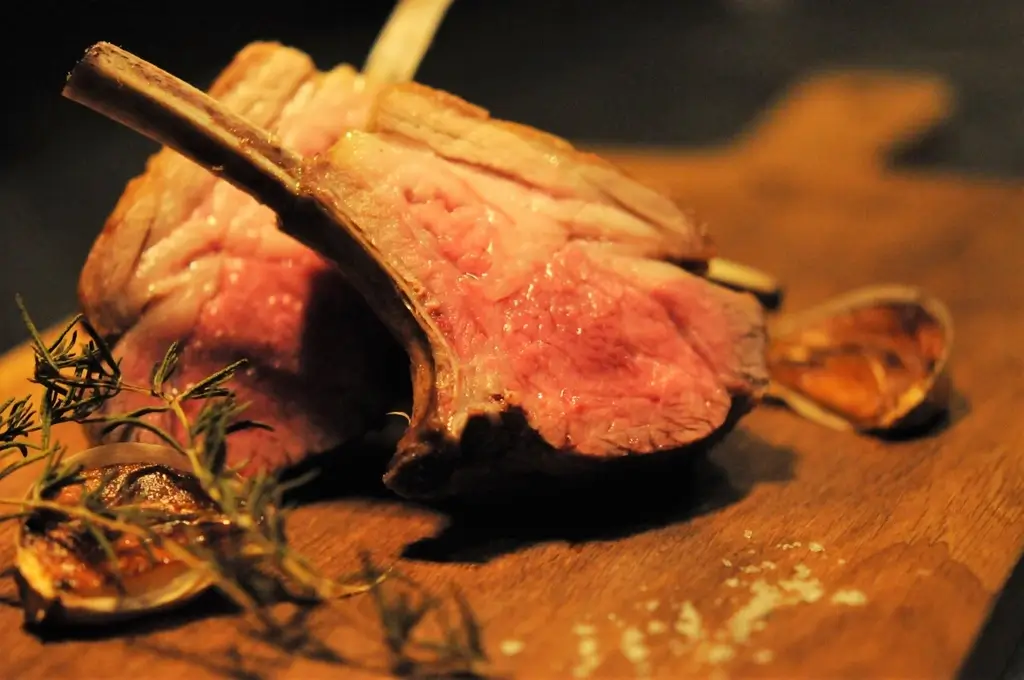
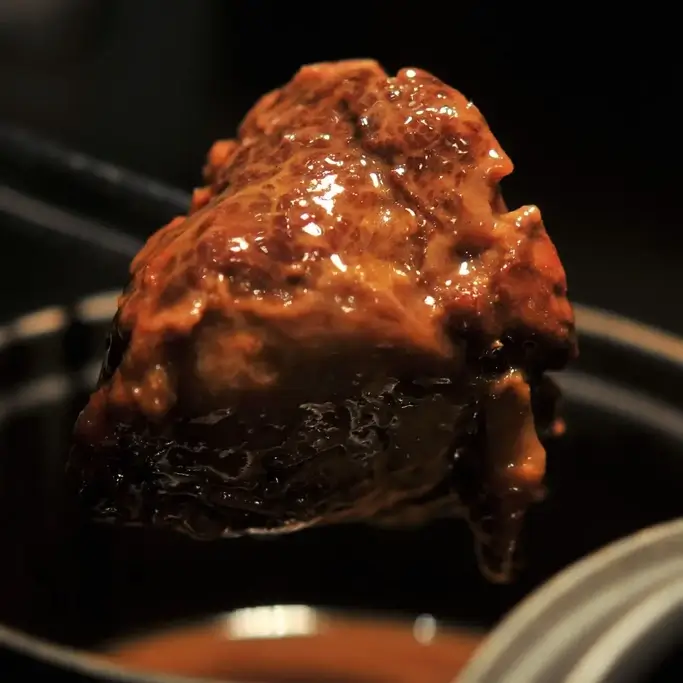
Chef Kiyoshi Fujimoto leads the kitchen and highlights the skill in preparing the meat. He creates dishes like Brown Bear Consomme, which extracts flavor from bones, tendons, and minced meat. Roasted bear is served with a chewy texture, while stewed belly meat is tender and rich in flavor. The chef emphasizes that the strong, wild flavor is softened through cooking techniques.
Each dish showcases the balance between tradition and French culinary skill. This careful preparation makes dining at Les KaneKiyos a unique experience. The meals reflect respect for both the animal and the craft of cooking.
Would I like to experience bear meat at this Hokkaido restaurant?
I would not choose to try bear meat. Although I understand some of the nutritional benefits, I view bears as rare and precious animals. In my country, several species are protected or listed as endangered, and the thought of eating one feels impossible. While I recognize that consuming bear meat can help control populations and protect crops from damage, the idea of tasting it still seems complicated for me to accept.
At the same time, I can appreciate the care and skill that chefs put into preparing these dishes. The Hokkaido restaurant carefully transforms the meat into tender, flavorful meals, highlighting French culinary techniques while respecting the animal. The unique textures, from chewy roasted cuts to rich stews, are part of what makes the experience special for others. I also see the cultural and environmental considerations behind these meals.
However, for those who are curious and open-minded, trying bear meat at this Hokkaido restaurant could offer an unusual and memorable experience. It is a chance to explore local customs, learn about hunting practices, and taste a rare ingredient. Would you dare to taste it yourself? Let me know your thoughts in the comments!
Cited Sources
- Les KaneKiyos. “Main Page”.
- The Mainichi. “News in Easy English: Sapporo restaurant serves bear meat as captures rise in Hokkaido“.
- Asahi Shinbun. “Aomori village promotes wild bear meat as local specialty“.