


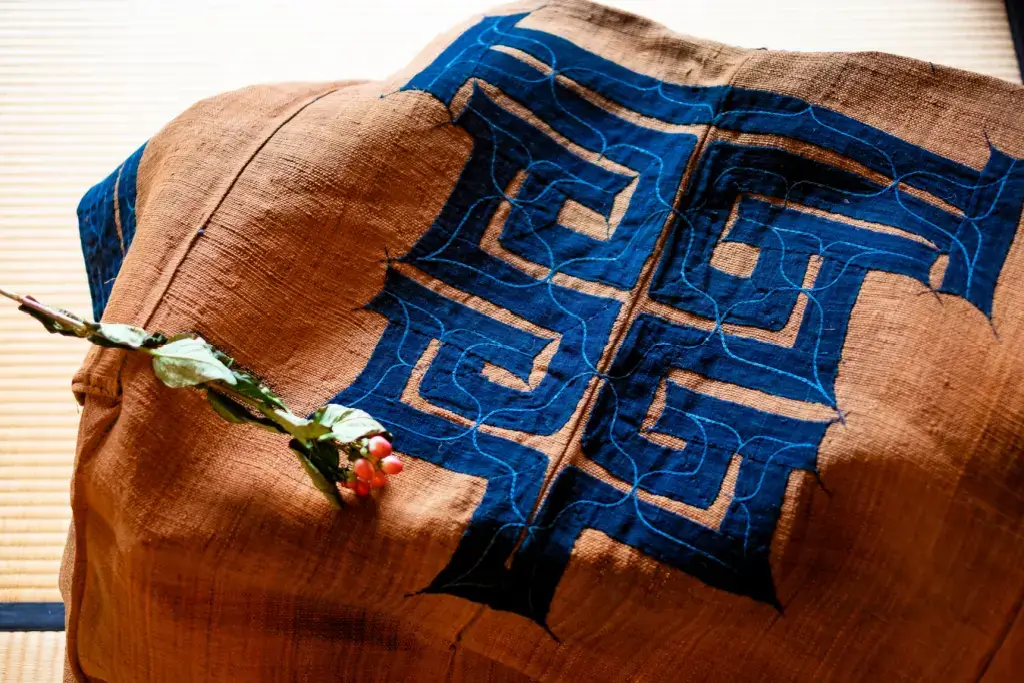
After more than a century abroad, the spirits of three Ainu ancestors have finally returned home to Japan. In May 2025, the University of Edinburgh formally returned skulls that once belonged to members of Japan’s Indigenous community. Their return marks an emotional and symbolic moment for the Ainu people, whose cultural heritage was long overlooked under Japanese imperial rule.
History and Origins
Dr. Munro, a Scottish anthropologist and physician, lived among the Ainu in Hokkaido. He became known for his empathy toward the community, studying their traditions and language during a time when Japan’s modernization threatened their way of life. Between 1900 and 1913, Munro sent thousands of Ainu cultural items, artifacts, and human remains to British institutions for research.
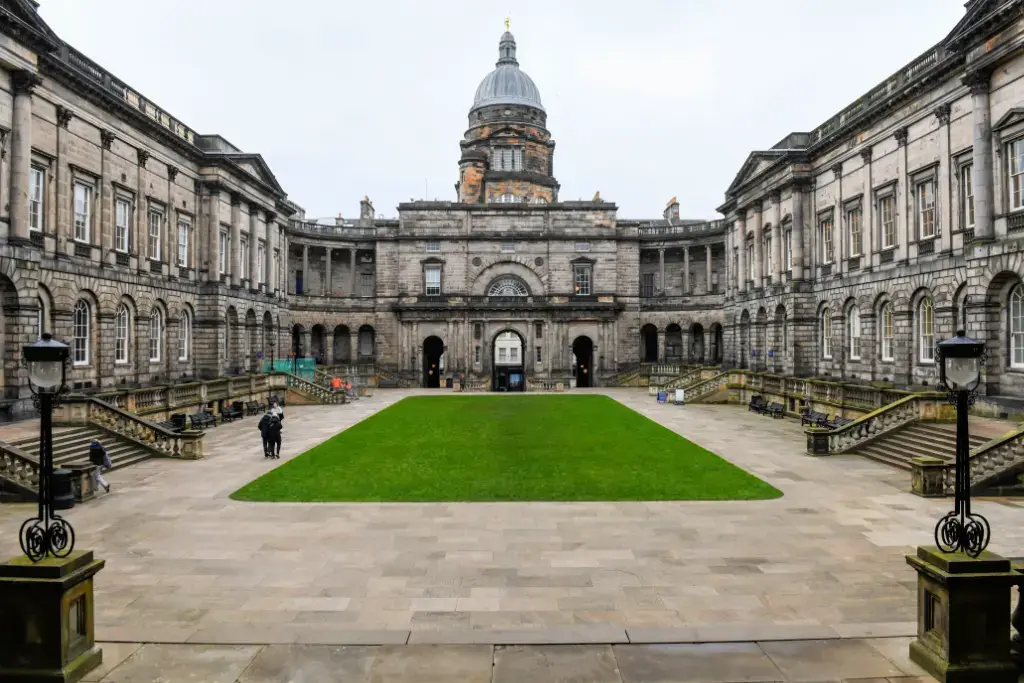
Over time, the Ainu people faced assimilation policies that nearly erased their language and traditions. Munro died in the Ainu village of Nibutani in 1942, and his connection to the community remained a complicated legacy. Although his intentions may have included preservation and academic curiosity, the act reflected a colonial-era mindset in which Indigenous peoples were often studied rather than understood.
Cultural and Spiritual Importance
For the Ainu, the return of ancestral remains corrects history and restores harmony. In their traditional belief, ancestral spirits remain closely tied to the land where they lived and died. When their remains are removed, spiritual balance is disrupted. By returning the skulls to Hokkaido, the Ainu community can now honor their ancestors properly through traditional ceremonies.
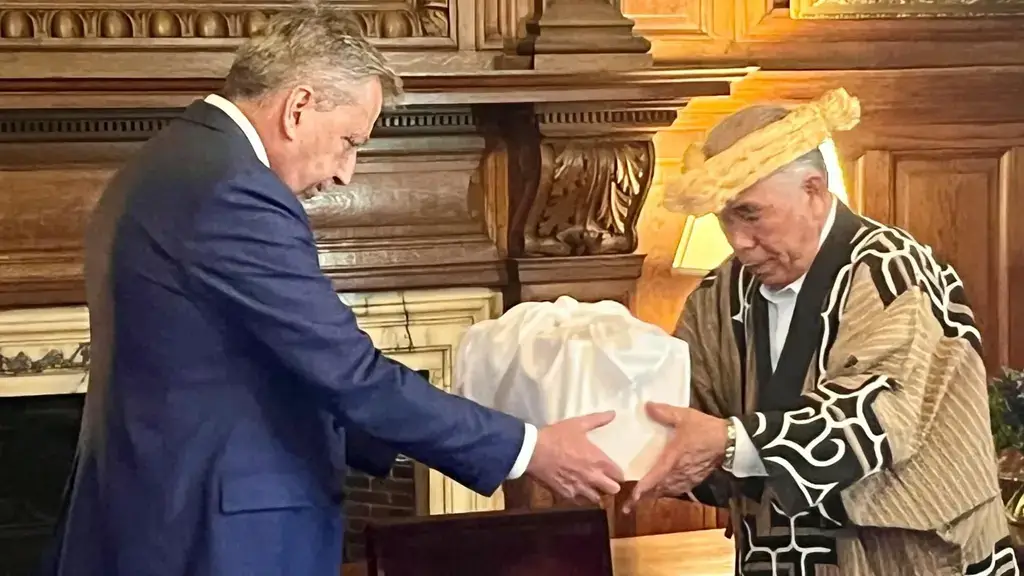
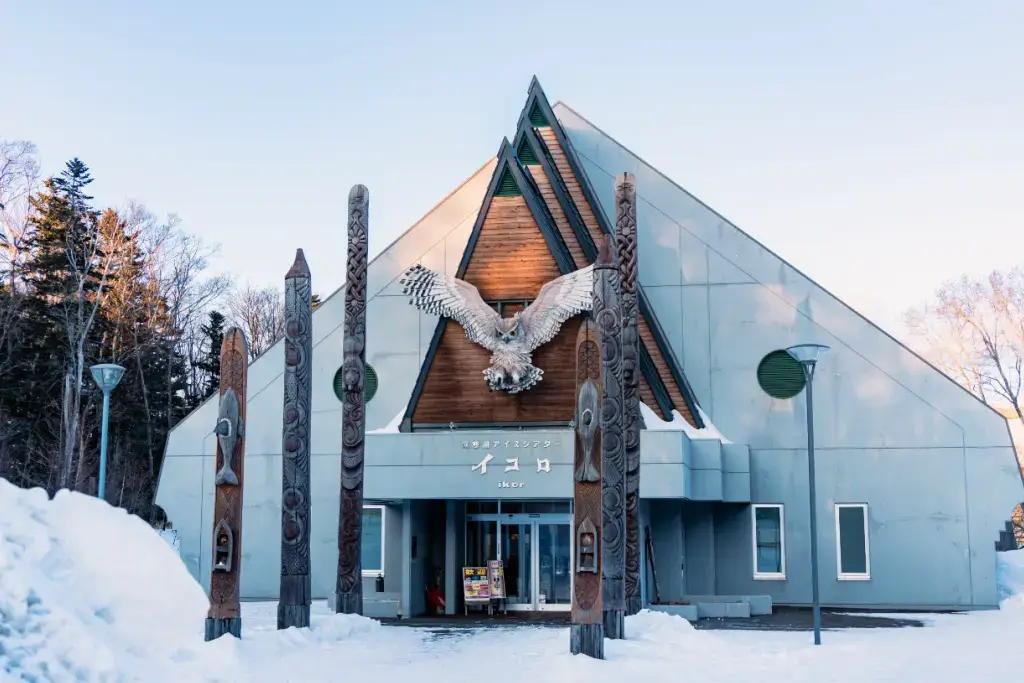
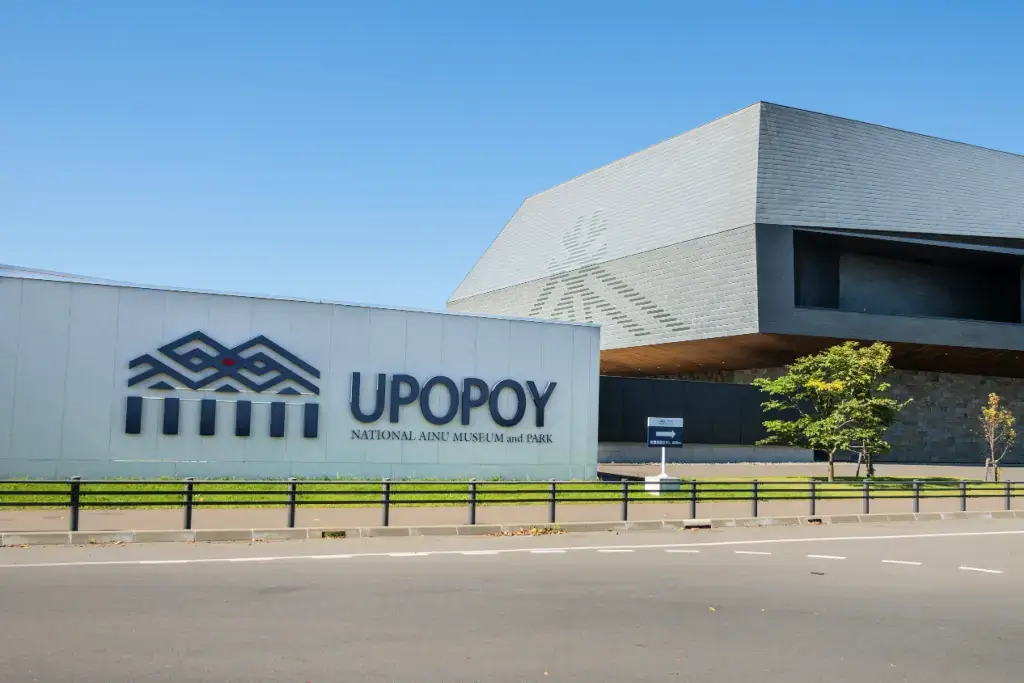
The repatriation ceremony at the University of Edinburgh was attended by representatives from both Scotland and the Ainu. The remains will now rest at the Upopoy National Ainu Museum and Park in Shiraoi, a modern cultural center dedicated to Ainu history, education, and preservation. As Masaru Okawa, Executive Director of the Hokkaido Ainu Association, said, “We believe our ancestors are pleased to return home.”
Repatriation and Global Recognition
Edinburgh University’s decision reflects a larger movement among global institutions to reconsider how they handle human remains and Indigenous materials. Professor Tom Gillingwater, Chairman of Anatomy at the university, emphasized that such repatriations are not losses but opportunities for ethical growth. By returning these remains, the university strengthens its ties with the Ainu and demonstrates a commitment to reconciliation.
This growing awareness reflects a significant shift in ethical standards within museum and academic practice. Instead of treating collections as static property, institutions are learning to engage in dialogue with the communities from which they came. This event shows how collaboration can build understanding. It also reminds the world that anthropology, when guided by empathy and respect, can be a force for cultural preservation.
The Role of Museums and Ethical Responsibility
Modern museums now face the challenge of balancing education with ethics. For centuries, artifacts and remains were acquired without consent, often seen as part of scientific progress. Today, many institutions are questioning whether these items belong behind glass or within the communities that created them. The return of the Ainu remains demonstrates that cultural respect can coexist with academic research.
By openly acknowledging its past role and working directly with Ainu representatives, the university has redefined the need for transparency in how museums handle human history. This creates opportunities for shared exhibitions, cultural exchanges, and future research that respects Indigenous voices and perspectives. Museums are now examining this model as they review their own collections, creating a ripple of ethical reflection that extends worldwide.
The Future of Ainu Cultural Preservation
The return of ancestral remains helps protect the Ainu language, art, and tradition. The Upopoy National Ainu Museum and Park serves as a hub for these cultural initiatives. Visitors can learn about crafts, storytelling, and music, as well as the philosophy of coexistence with nature. Educational programs supported by the Japanese government aim to teach younger generations about their heritage and encourage respect among all citizens.
However, challenges remain. The Ainu language is critically endangered, with only a handful of fluent speakers remaining. Cultural revival requires not only funding but also continued public engagement and recognition. The repatriation event has brought international attention to these issues, reminding the world that preserving culture is an ongoing process. As the Ainu people reclaim their history, they reshape the story of Japan’s diversity and identity.
Why the Return Matters
The return of these skulls is a profound act of cultural justice. It acknowledges historical wrongs while protecting the spiritual and cultural identity of Japan’s Indigenous people. For the Ainu, whose language is now listed by UNESCO as “critically endangered,” such acts help preserve what remains of their traditions. The ceremony’s global attention educates new audiences about Japan’s indigenous heritage, which is often overlooked.
Beyond Japan, this event sets a standard for accountability in how museums handle human remains. It challenges institutions to revisit the origins of their collections and seek paths toward restitution. The cooperation between the University of Edinburgh and the Hokkaido Ainu Association demonstrates that respect can unite people across nations and histories. In doing so, it offers a model for cultural humility and reconciliation in the 21st century. Did you know about this special event? Will you be visiting the Upopoy National Ainu Museum and Park? Let us know in the comments below!